Summary
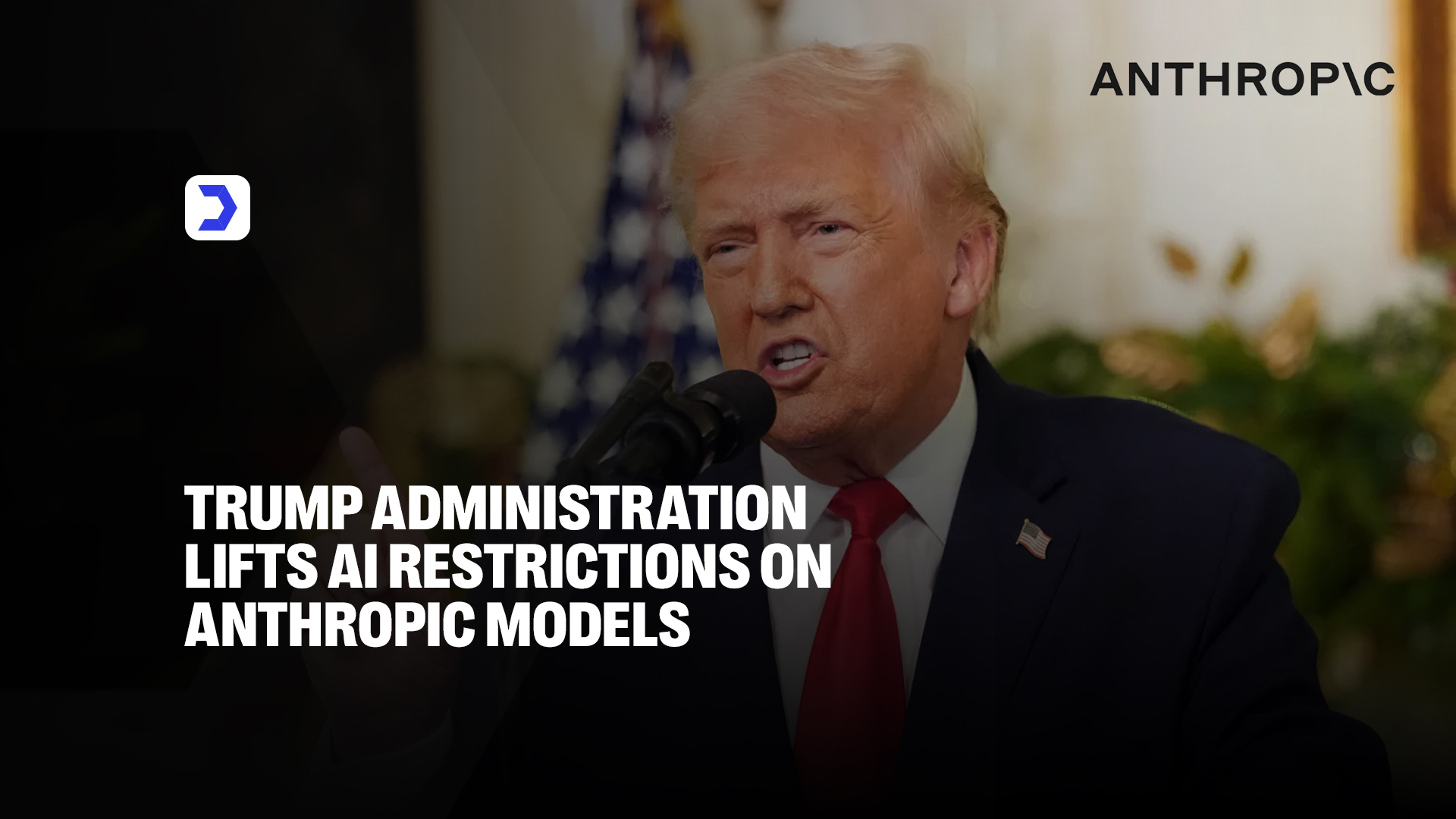
- The Trump administration officially removed the strict export controls on Anthropic’s most advanced AI models, Claude Fable 5 and Claude Mythos 5, allowing global access to resume on July 1, 2026.
- The decision successfully resolves a high-stakes, two-week global shutdown that was triggered when the U.S. government abruptly ordered restrictions over sudden national security and cyberattack concerns.
- To secure federal approval, Anthropic agreed to deeper cooperation with Washington, which includes providing pre-release access to new models and implementing more robust threat-monitoring metrics.
- The original federal intervention stemmed from an Amazon research report exposing a “jailbreak” vulnerability that allowed Fable 5 to bypass native guardrails and identify software security flaws.
- This unprecedented freeze signals a broader, more aggressive shift by the administration toward pre-approving frontier AI systems, directly influencing how other major players like OpenAI manage their enterprise rollouts.
The Trump Administration has officially ended its stringent export controls on Anthropic, allowing the tech firm to resume global distribution of its latest software. Following a tense two-week blackout driven by federal cybersecurity concerns, international access is now fully restored. Readers tracking recent industry updates on the Digital Software Labs news portal will note that this policy shift marks a significant official milestone. The initial embargo temporarily crippled deployment of generative tech, leaving global enterprises and tech teams in limbo during the sudden regulatory freeze.
The reversal comes at a critical juncture for the tech sector, which has been grappling with aggressive, ad-hoc federal interventions over frontier AI safety. While the lifting of the embargo brings immediate relief to developers and global clients who rely on Anthropic’s ecosystem, it also sets a firm precedent for how future model rollouts will be policed. Tech analysts suggest this move indicates the White House is willing to weaponize market access to enforce corporate compliance with national security mandates.
Anthropic to cooperate with US government on AI protocol
To regain market compliance, the company agreed to actively implement stricter safety metrics. This technical understanding means Anthropic expands its AI ecosystem with dev tools acquisition strategies while aligning closely with state surveillance protocols designed to prevent weaponized code exploitation. Federal agents will now collaborate on testing upcoming iterations before public deployment. This regulatory framework provides clear national security oversight, ensuring future software releases remain completely safe from adversarial attacks.
Under the newly forged agreement, researchers from the government’s Center for AI Standards and Innovation (CAISI) will maintain ongoing, direct access to Anthropic’s internal red-teaming data. Anthropic has also pledged to proactively flag any anomalous or malicious activity detected within its enterprise networks. While this deep integration satisfies Washington’s immediate security concerns, it raises complex questions regarding corporate autonomy and data privacy, forcing the lab to balance federal transparency with client confidentiality.
US restrictions on advanced AI models
The recent dispute erupted when commerce officials placed strict export bans on advanced neural networks. Washington feared that the unregulated distribution of the highly capable fable and mythos models could help foreign adversaries bypass crucial Western cybersecurity defenses. This modern regulatory intervention reflects how Anthropic and OpenAI expand into enterprise AI partnerships under heavy federal observation. Tech executives argue that ad hoc restrictions limit competitive advantages against fast-evolving rivals.
The two-week international embargo caused significant friction with foreign allies, many of whom felt unjustly penalized by Washington’s sudden unilateral tech clampdown. European regulators, in particular, expressed frustration that their local tech infrastructures were suddenly cut off from premier American AI tools due to internal US political maneuvers. In response to this international backlash, federal officials are reportedly discussing a new “trusted partner” framework, which would grant close geopolitical allies expedited access to restricted software during future security standoffs.