Summary
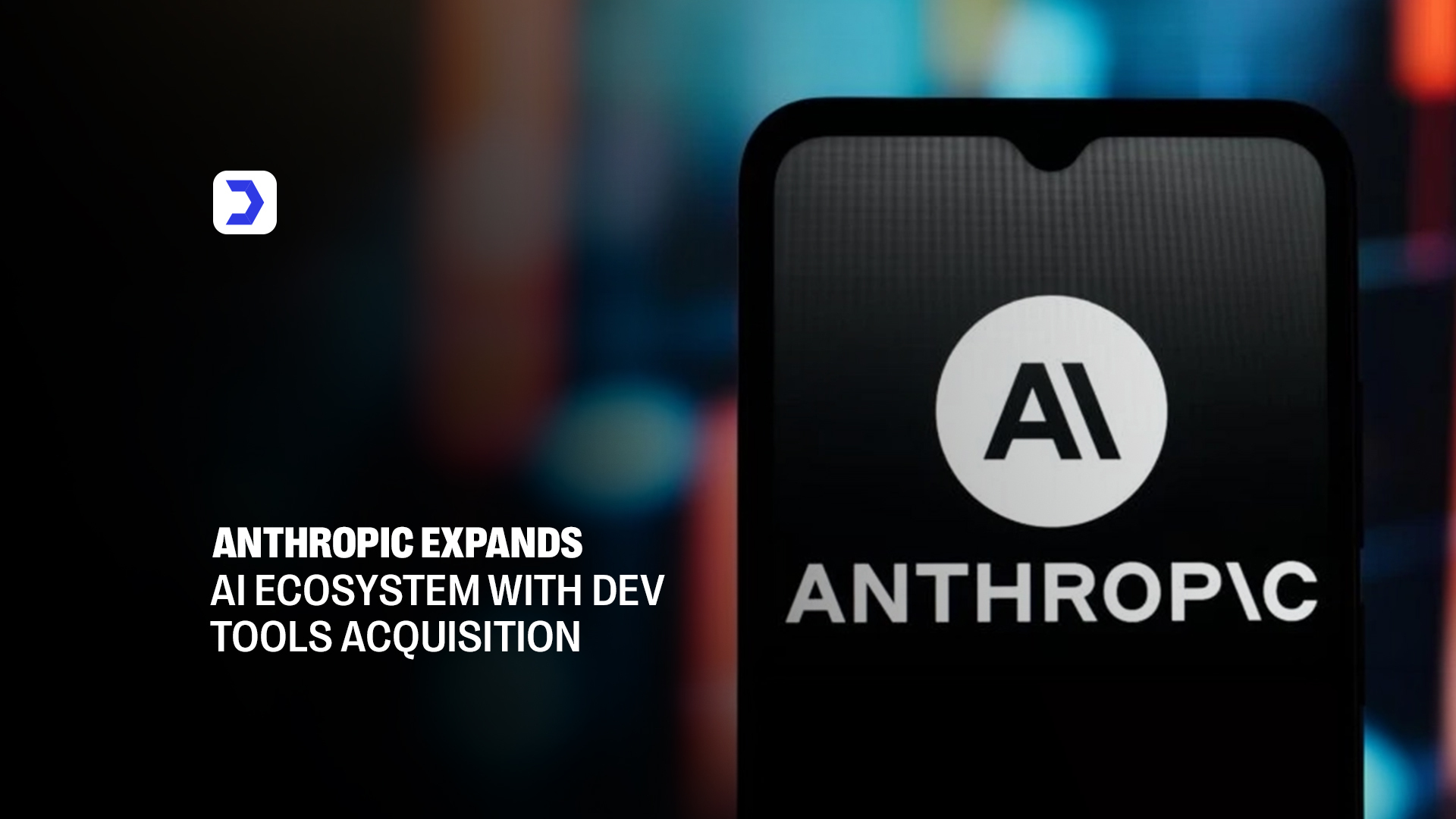
- Anthropic drastically shifts its corporate strategy toward vertical developer tools consolidation rather than focusing exclusively on scaling physical graphics processing clusters.
- By acquiring Stainless, the Claude engineering organization establishes complete control over a vital, automated software development kit generation pipeline.
- The transaction effectively cuts off direct hosted compiler access for external industry competitors, reshaping how rival firms handle their remote connection libraries.
- This ecosystem movement follows prior platform performance adjustments, pointing toward a deeply integrated, secure environment for running autonomous agent architectures.
- Enterprise software teams must monitor these infrastructure updates to build predictable, securely connected systems that remain completely stable across multi-vendor cloud environments.
The hyper-competitive frontier artificial intelligence market has shifted from raw model training sizes to enterprise software integration layers. Software developers building enterprise-grade applications require stable pipelines to link smart language networks with internal business databases. Establishments seeking to construct resilient agentic systems frequently track macrostructural updates across major engineering organizations to ensure their software choices remain future-proof. Digital Software Labs closely monitors these foundational technology shifts to keep system architects updated on incoming industry infrastructure modifications. By monitoring major structural consolidation events across premier artificial intelligence labs, companies can better understand the changing dynamics of modern engineering platforms.
This technological evolution demands specialized connection infrastructure capable of converting model intelligence into predictable production outcomes. Navigating the modern software landscape requires deep control over the underlying toolchains that govern how code libraries communicate with remote service endpoints. When reviewing the strategic maneuvers of primary competitive research organizations, observing operational transitions provides deep clarity regarding where corporate resources are being directed. If you look at the shifting corporate landscape, analyzing major leadership adjustments like the OpenAI leadership restructuring brings an expanded role for COO Brad Lightcap, revealing a parallel industry-wide focus on scaling enterprise deployment capabilities rather than just building larger raw models. This institutional pivot underlines the growing significance of structural developer tools over basic algorithmic performance parameters.
Competing on developer tools
The underlying mechanism behind this major corporate acquisition targets the crucial last-mile connection layer of modern software development kits. A prominent artificial intelligence vendor like Anthropic relies heavily on specialized software compilers to manufacture stable, language-specific libraries for engineering teams worldwide. Acquiring the New York-based developer tools startup Stainless for a reported value exceeding three hundred million dollars brings vital software engineering capabilities completely in-house. This transition marks a significant moment in the sector, as the acquired startup previously built the official connection libraries used by direct market rivals, including Google and OpenAI.
This structural alignment allows the Claude platform engineering organization to embed its Model Context Protocol standards directly into automated code-generation toolchains. The protocol standardizes how autonomous agents read file directories, execute local commands, and view enterprise databases without requiring custom hand-written orchestration layers. By absorbing an elite engineering team led by a former Stripe engineer who specialized in automated library creation, the acquiring organization establishes full control over a vital distribution bottleneck. For developers tracking these industry shifts, monitoring the Digital Software Labs news provides continuous updates regarding how these framework modifications impact day-to-day software development practices. This consolidation highlights how owning the integration plumbing has become a primary competitive arena.