Summary
- The recent unveiling of specialized artificial intelligence models provides corporate clients with a broader range of high-performance computational options.
- A formal commitment to developing SOTA systems by 2027 underscores the massive infrastructure investment underway across the United States.
- The continued collaboration with OpenAI serves as a primary engine for innovation, blending rapid research breakthroughs with stable cloud delivery.
- Strategic adjustments to platform availability ensure that sensitive data remains secure within a controlled, proprietary Enterprise environment.
- Ongoing monitoring of industry shifts remains essential for any organization looking to leverage the next generation of intelligent software solutions.
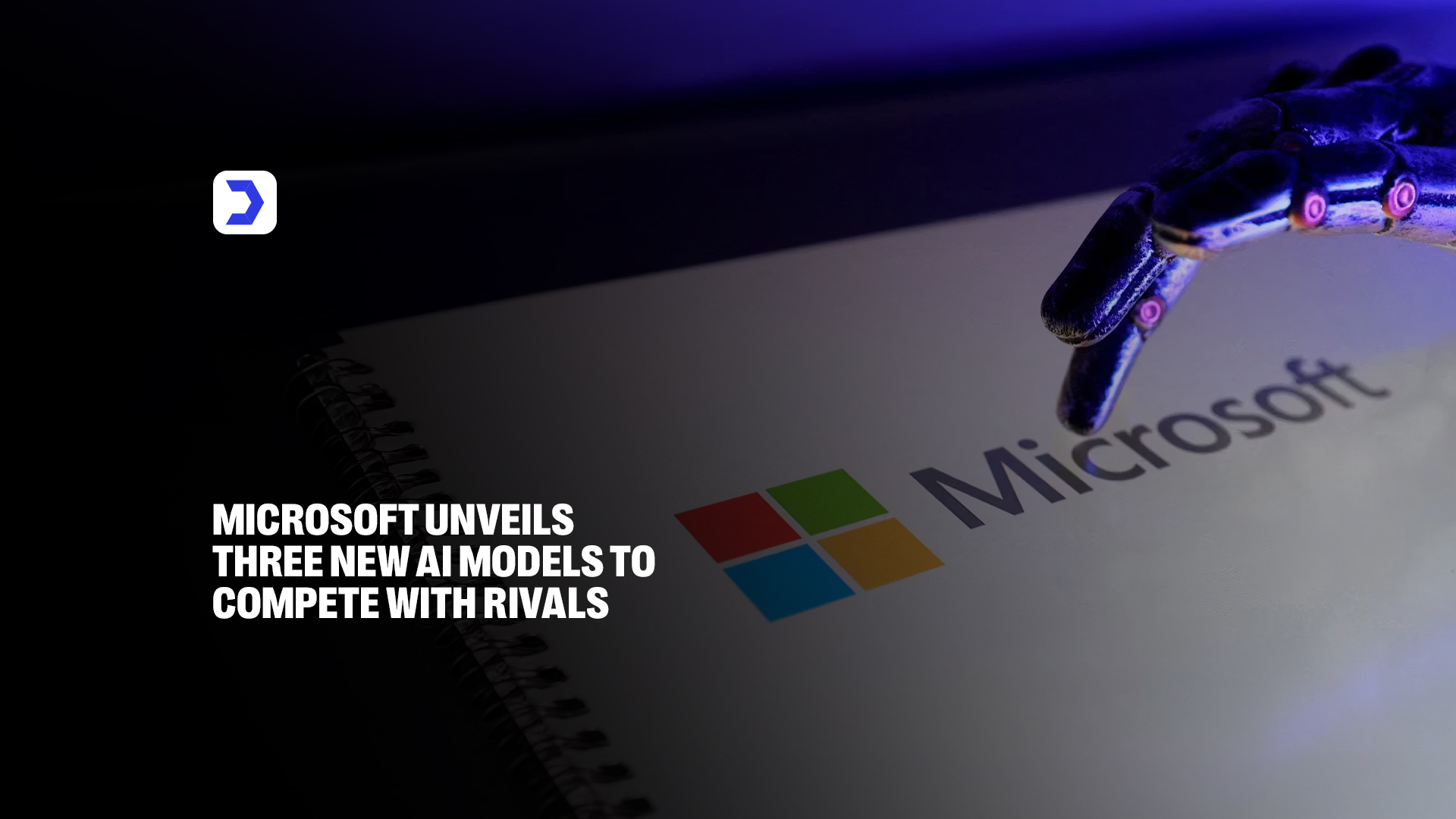
The digital landscape across the United States is currently witnessing a massive shift as major technology players accelerate their development of sophisticated artificial intelligence systems. At the forefront of this movement, Microsoft has officially introduced a trio of advanced models designed to redefine how an Enterprise manages complex data workflows and automated processes. These releases come at a critical time when the competition for dominance in the generative space is reaching an all-time high. By expanding its portfolio, the company aims to provide more specialized tools that cater to the specific needs of corporate clients, ranging from lightweight efficiency to heavy-duty computational power. This strategic move strengthens the existing partnership with OpenAI, while simultaneously carving out a unique path for proprietary innovation.
The introduction of these models reflects a broader trend within the United States tech sector to move beyond general-purpose chatbots toward highly specialized agents. For any Enterprise looking to maintain a competitive edge, these tools offer the ability to process proprietary information with greater speed and accuracy than previous iterations. Microsoft is positioning itself as an essential infrastructure provider for the next generation of business logic, ensuring that artificial intelligence becomes a core component of every software stack. As these technologies evolve, the relationship between hardware capabilities and algorithmic efficiency remains a primary focus for researchers and engineers alike.
Microsoft Wants to Develop SOTA AI Models by 2027
The roadmap for the next three years suggests an aggressive pursuit of “State of the Art” (SOTA) performance across all categories of machine learning. Microsoft has set a firm internal goal to surpass current industry benchmarks by 2027, focusing heavily on reasoning, multi-modal capabilities, and autonomous problem-solving. This ambitious timeline requires massive investments in data center infrastructure and specialized silicon to handle the training requirements of trillion-parameter systems. Within the United States, the race to secure domestic computing resources has become a matter of national economic importance, with artificial intelligence acting as the primary catalyst for growth.
Success in this endeavor depends on the ability to scale models without a proportional increase in energy consumption or latency. While the collaboration with OpenAI provides a significant advantage in terms of raw research, Microsoft is also developing in-house capabilities to ensure its Enterprise cloud services remain the most robust in the world. However, the path to SOTA performance is not without its hurdles, particularly regarding the reliability of generated information. Regulatory bodies and legal experts have raised concerns about the ags warn microsoft openai google over delusional AI outputs, which are often cited in discussions regarding the accuracy and safety of large-scale language models. Addressing these technical hallucinations is a top priority for the engineering teams as they work toward the 2027 deadline.
Beyond the core algorithms, the delivery mechanism for these services is also undergoing a significant transformation to meet user expectations. Providing a seamless experience across different messaging and productivity platforms is essential for widespread adoption within any modern Enterprise. The strategic decision to refine where these tools are accessible has led to a significant Microsoft Copilot AI chatbot leaving WhatsApp on January 15, as part of a broader effort to centralize corporate communications within the proprietary ecosystem. This shift allows the company to maintain tighter control over data security and user experience, which are the two most important factors for large-scale deployments in the United States.
Maintaining this momentum requires a constant stream of information regarding technical breakthroughs and market shifts. Professionals who need to stay updated on these rapid changes frequently monitor the news section by Digital Software Labs to understand how the latest developments in artificial intelligence will impact their specific industry vertical. By staying informed, a modern Enterprise can better prepare for the integration of SOTA models that are expected to arrive by 2027. The synergy between Microsoft and its research partners ensures that the United States remains a global hub for innovation, even as new rivals emerge from both the open-source community and international markets.