Summary
- Sam Altman navigated OpenAI through significant growth while transitioning from early succession blueprints to a broader market-driven structure.
- Original debates with Elon Musk regarding the governance of AI continue to influence the organization’s current research and technical architecture.
- The philosophical divide centered on whether AI should be managed by a multi-stakeholder approach or a singular, centralized leadership model.
- OpenAI shifted from a donation-only nonprofit model toward diversified capital sources to sustain the massive infrastructure required for modern models.
- Despite ongoing legal battles, the historical decisions made by Sam Altman and Elon Musk remain a blueprint for the future of digital development.
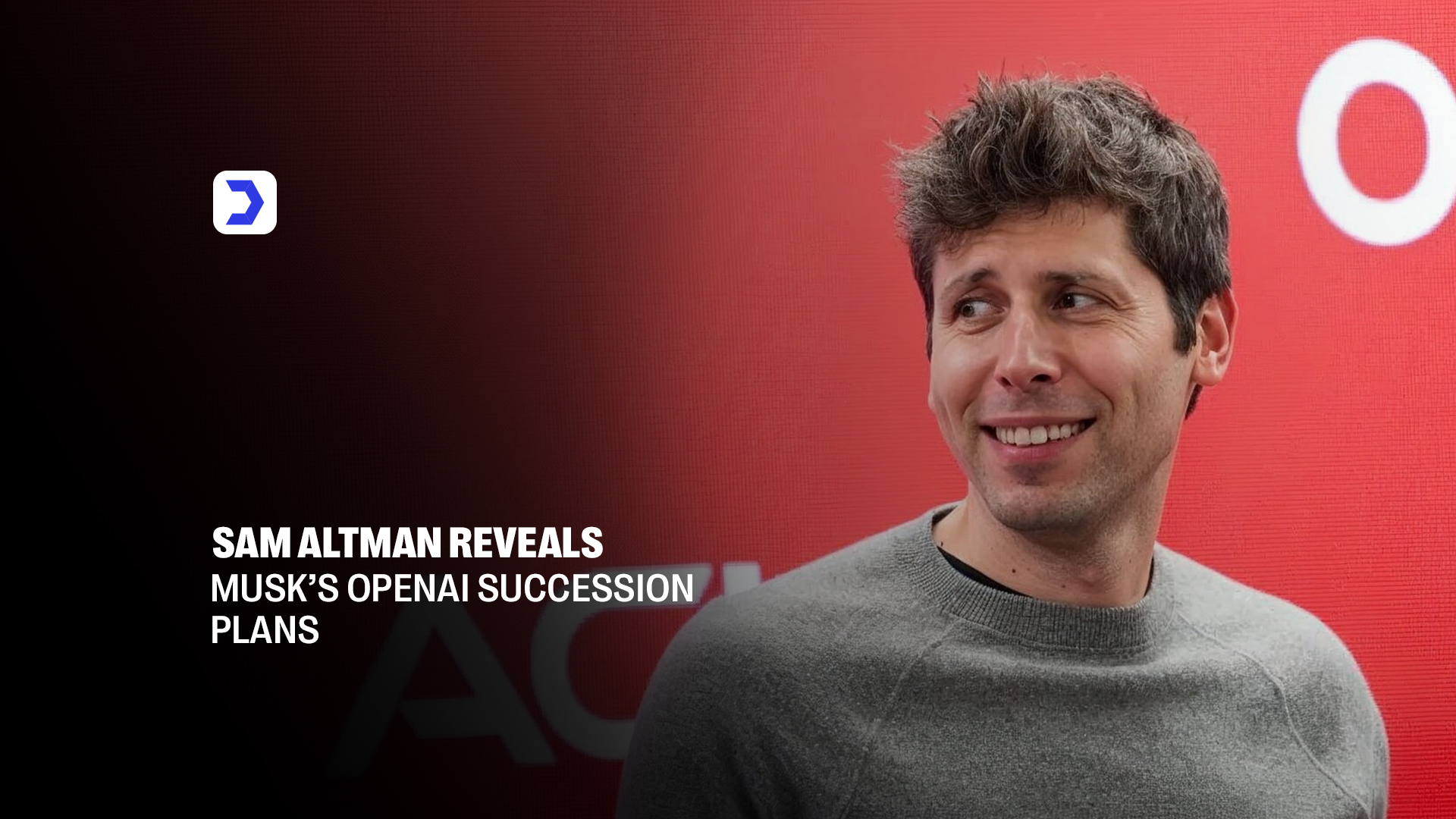
The evolving narrative of artificial intelligence reached a new milestone as Sam Altman shared unprecedented details regarding the early governance goals of the organization. In a series of recent disclosures, the leadership discussed how Elon Musk originally envisioned the trajectory of OpenAI before he departed from the board in 2018. As a primary figure in the industry, Sam Altman clarified that the initial roadmap involved a structured transition of power designed to keep the development of AI within a specific set of safety guardrails. These revelations come at a time when OpenAI continues to dominate global headlines, making it essential for stakeholders to understand the historical context of its founding members.
Understanding the friction between these tech titans requires looking at the current state of the industry through a historical lens. While Elon Musk was a critical donor and co-founder, his vision for a singular succession plan eventually diverged from the nonprofit’s collaborative approach. Today, Sam Altman manages an organization that has shifted significantly from those early blueprints, yet the influence of those original debates remains visible in the current technical architecture. The tension between profit-driven motives and the ethical deployment of AI continues to define the relationship between the two leaders. As the sector matures, the legacy of these early decisions shapes how modern research is funded and executed.
Clash Over Research Culture
The primary source of contention between the founders involved the fundamental philosophy of how a laboratory should operate under high-pressure conditions. Sam Altman has noted that the disagreement with Elon Musk wasn’t merely about capital, but about the speed and transparency of AI releases to the public. Maintaining a balance between rapid innovation and corporate stability involves the strategic leadership changes seen in OpenAI leadership restructuring, which brings an expanded role for COO Brad Lightcap to ensure that operational oversight remains a priority during periods of intense research breakthroughs. This internal shift reflects the divergence from the centralized control model that was originally proposed during the early years.
As the research culture evolved, the need for diversified capital sources became a practical reality that contradicted the original donation-only model favored by early participants. Securing the resources necessary to train massive models involves the participation of the global community, much like the recent OpenAI raise from retail investors, a record-breaking funding round which demonstrates the shift toward a more inclusive financial structure. This transition allowed OpenAI to move away from the singular influence of a few billionaires toward a broader market-driven approach. Consequently, the research culture now prioritizes scalable infrastructure that can support millions of concurrent users while maintaining rigorous safety standards across all technical departments.
The debate over the “succession” specifically centered on who would hold the keys to the most powerful models as they reached human-level reasoning capabilities. Elon Musk reportedly pushed for a merger with his other ventures to provide the computing power necessary to compete with giants like Google. However, Sam Altman and the core team felt that a multi-stakeholder approach was the only way to prevent the monopolization of AI by a single individual or corporation. This philosophical divide eventually led to the current legal and verbal skirmishes that have fascinated the tech world. The clash highlights a fundamental question in the industry: can a technology this powerful ever truly be “open” while requiring billions of dollars in hardware to exist?
Ongoing Communication Despite Legal Battle
Despite the lawsuits and public critiques, the flow of information between the original founders has not completely ceased, even as their legal teams exchange filings. Sam Altman has expressed a complex view of the situation, recognizing the early contributions of Elon Musk while defending the current path of OpenAI. To stay informed on the latest developments in these high-level disputes, professionals often monitor the Digital Software Labs news section to track how these corporate battles impact the release of new software tools. This ongoing dialogue, however strained, suggests that the original vision for the technology still weighs heavily on both parties as they navigate the complexities of 2026.
The legal battle has forced a public examination of internal emails and documents that were never intended for the spotlight. These records show that Sam Altman and Elon Musk once shared a very close alignment on the dangers of unregulated AI, even as they disagreed on the corporate structure required to manage it. The current litigation focuses on whether the transition to a capped-profit model violated the original nonprofit charter. While the courts will eventually decide the legal outcome, the court of public opinion remains divided. Some see the current leadership as pragmatists who saved the project from obscurity, while others side with the original donor’s view that the mission has drifted too far from its roots.
Furthermore, the communication between the tech community and these leaders continues to evolve through social media and public forums. Sam Altman remains a frequent participant in discussions regarding the future of the workforce and the economy in an automated age. This openness provides a contrast to the more guarded nature of traditional software companies. Even as Elon Musk builds competing models through his own ventures, the technical standards established by OpenAI serve as the benchmark for the entire industry. This paradoxical relationship ensures that while the leaders may conflict, their technical goals for the safety and alignment of artificial intelligence remain strangely synchronized.