Summary
- The expansion of 30-minute delivery services marks a transformative new chapter for Amazon and the broader e-commerce landscape.
- By significantly shortening the gap between a digital click and a physical receipt, the company has successfully synchronized the digital and physical worlds.
- This high level of logistical efficiency ensures that online shopping remains the primary engine of modern commerce rather than just a secondary option.
- As these ultra-fast services roll out across more U.S. cities, the profound impact on consumer behavior will favor businesses that can navigate high-speed networks.
- The transition to a 30-minute standard represents the pinnacle of convenience, proving that the future of retail is defined by technical innovation and reliability.
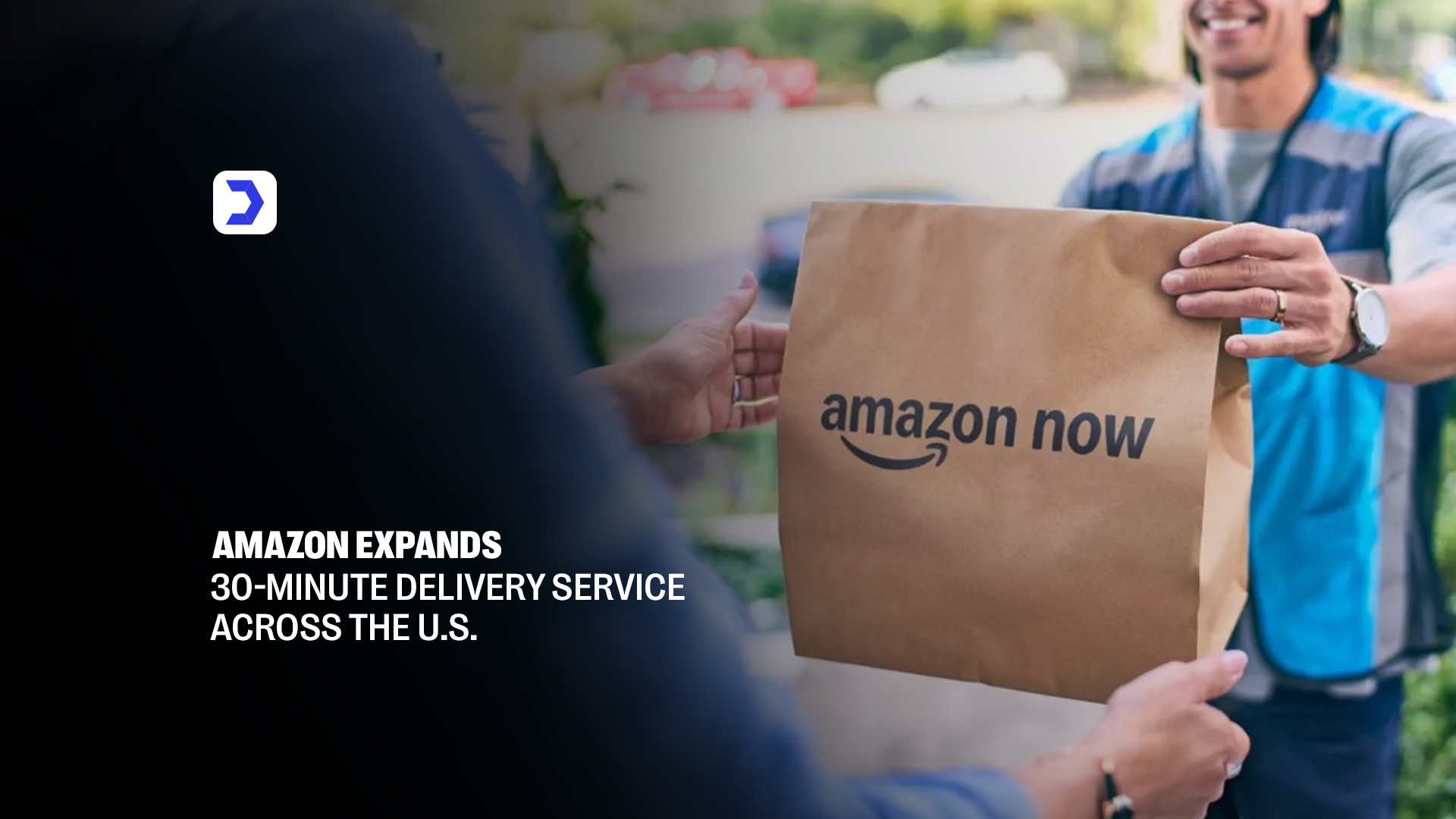
Digital Software Labs tracks the rapid evolution of logistical infrastructure as Amazon continues to redefine the boundaries of e-commerce efficiency. The recent nationwide expansion of a 30-minute delivery window represents a tectonic shift in how commerce functions, moving from a multi-day waiting period to near-instantaneous gratification. This development ensures that online shopping remains the primary method for consumers to acquire essential goods, bypassing the need for physical retail trips. By leveraging advanced robotics and a dense network of localized fulfillment centers, the company has managed to condense the supply chain into a timeframe that was once considered impossible for wide-scale operations.
The move toward ultra-fast fulfillment is a strategic response to the growing competitive landscape of modern commerce. As digital storefronts become more sophisticated, the speed of physical delivery has become the ultimate differentiator in the e-commerce sector. This initiative places Amazon at the forefront of a logistical revolution, ensuring that online shopping continues to gain market share over traditional brick-and-mortar establishments. The technical precision required to coordinate thousands of simultaneous local deliveries speaks to a larger trend of automation and data-driven decision-making that characterizes the current era of global trade and distribution.
Amazon speeds up delivery
The acceleration of the delivery cycle is not merely a convenience but a fundamental restructuring of the retail ecosystem. Amazon has invested billions into perfecting “sub-same-day” delivery nodes that position high-demand inventory within miles of major population centers. This proximity allows for a transition in e-commerce where the moment of purchase and the moment of receipt are separated by only a short interval. For the average consumer, online shopping has evolved into a real-time service, making the digital platform more reliable for urgent needs ranging from medical supplies to household emergencies.
Technological advancements in routing algorithms and autonomous warehouse management have made this expansion feasible across the U.S. landscape. As the industry monitors broader shifts in the tech world, such as when OpenAI settles Microsoft dispute amid 50b Amazon deal to stabilize long-term partnerships, the underlying infrastructure of commerce becomes increasingly robust. This synergy between massive capital investments and cutting-edge software ensures that Amazon maintains its dominance. The ability to predict consumer demand with surgical accuracy allows for inventory to be staged before a customer even realizes they need to engage in online shopping, creating a seamless flow from digital intent to physical doorstep delivery.
Furthermore, the expansion of 30-minute delivery windows serves as a catalyst for other players in the e-commerce space to upgrade their logistical capabilities. Small and medium enterprises are now forced to find innovative ways to remain relevant as Amazon sets a new standard for expectations in modern commerce. While larger players consolidate power through massive deals and settlements, the broader news by Digital Software Labs regarding technological breakthroughs suggests a future where high-speed distribution is the norm rather than the exception. This competitive pressure drives down costs for the consumer while pushing the boundaries of what is technically achievable in the realm of automated logistics and last-mile delivery.