Summary
- Anthropic launches the Mythos model to redefine proactive network defense strategies.
- Leading providers like Amazon and Microsoft supply the infrastructure for this AI rollout.
- New Security protocols focus on neutralizing complex threats within the global Enterprise landscape.
- Specialized training allows the system to identify malicious code patterns before exploitation occurs.
- Ethical guardrails ensure these advanced capabilities remain focused on defensive digital initiatives.
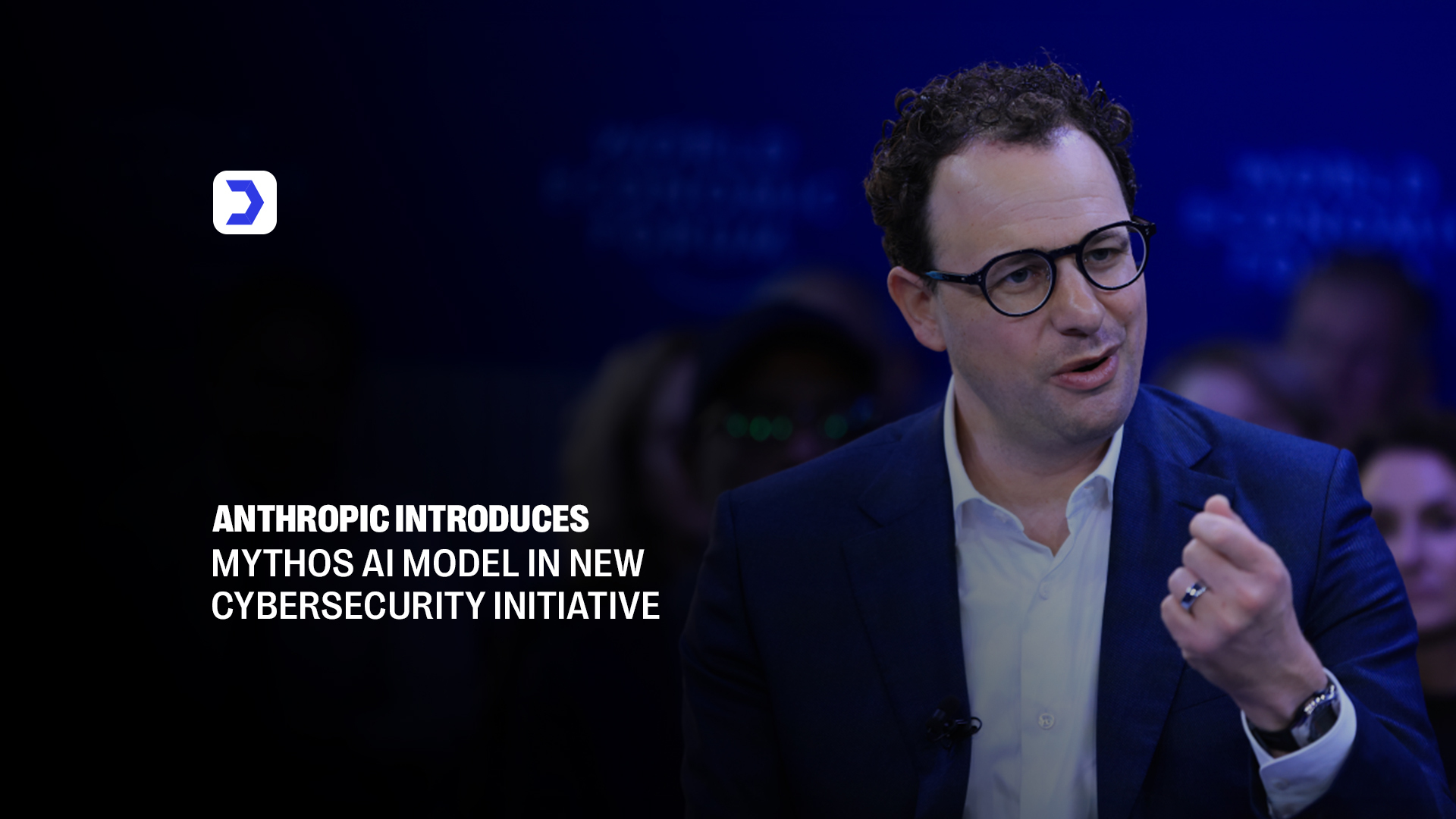
The landscape of digital protection is shifting rapidly as major players release new tools to combat increasingly sophisticated threats. Recently, Anthropic announced a major leap in its technological roadmap by unveiling a specialized framework designed to fortify global networks. This move signals a significant transition from general-purpose assistants to highly specialized defenders capable of identifying vulnerabilities before malicious actors can exploit them. As organizations struggle with the rising frequency of data breaches, the introduction of the Mythos system arrives at a critical juncture for the industry.
Large-scale tech giants like Microsoft and Amazon continue to invest heavily in the infrastructure required to host these massive neural networks. The collaboration between research labs and cloud providers ensures that Security remains the primary focus of every deployment. By leveraging massive datasets, Anthropic aims to create a proactive defense mechanism that goes beyond traditional firewalls. The goal is to move toward an era where AI acts as an autonomous sentry, constantly scanning for anomalies and neutralizing risks in real-time without the lag associated with human intervention.
For the modern Enterprise, the stakes have never been higher. A single successful intrusion led to billions in lost revenue and irreparable damage to brand reputation. The launch of the Mythos model represents a direct response to these pressures, offering a refined approach to threat detection and response. By focusing on safety and alignment, Anthropic distinguishes its latest initiative as a responsible path forward. This development is not just about raw power; it is about creating a reliable partner for IT departments worldwide that need to defend complex, hybrid cloud environments from state-sponsored and independent cyber-threats.
Anthropic’s most powerful model yet
Technical specifications indicate that this release surpasses previous versions in terms of reasoning depth and contextual awareness. The Mythos architecture utilizes a unique training methodology that prioritizes the identification of malicious code patterns. Unlike earlier iterations that functioned primarily as creative tools, this specific AI iteration has been fine-tuned to understand the logic used by hackers. This deep understanding allows it to predict the next steps in a cyberattack, giving defenders the window of time necessary to patch systems and secure sensitive data.
The processing capabilities required for such a feat are immense, drawing on the massive server banks provided by partners like Amazon. By utilizing this computational strength, Anthropic ensures its Security protocols remain ahead of the curve. The model excels at analyzing millions of lines of code in seconds, a task that would take human engineers weeks to complete. This speed is essential for protecting the Enterprise environment, where every second of downtime translates to significant losses. The technical leap here is not just incremental; it is a foundational change in how defensive logic is built and scaled across global networks.
Reliability and accuracy are the pillars of this new initiative. Previous concerns regarding hallucination have been addressed through a new verification layer that cross-references every output against known Security standards. This ensures the AI provides factual, actionable advice rather than speculative suggestions. As companies look to upgrade their defenses, the Mythos model provides a level of precision that makes it an indispensable asset for any modern data center. The ability to handle vast, unstructured datasets while maintaining a focus on safety protocols defines this as a landmark achievement for the researchers.
Industry observers have noted that the competitive landscape is heating up as Microsoft continues to integrate similar defensive capabilities into its own productivity suites. However, the approach taken by Anthropic focuses on an independent, safety-first philosophy that appeals to highly regulated sectors. The latest Mythos release is designed to be hardware-agnostic, allowing it to function efficiently across various cloud providers. This flexibility is key for a large Enterprise that utilizes multi-cloud strategies to avoid vendor lock-in while maintaining a consistent posture against digital incursions.
The training data for this project included thousands of historical breach reports and defensive case studies. By learning from the past, the AI recognizes the subtle signs of a zero-day exploit before it becomes a widespread crisis. This forward-looking capability is what sets the Mythos model apart from traditional antivirus software. It does not just look for known signatures; it understands the intent behind the code. This level of cognitive defense is necessary as bad actors begin to use their own automated systems to launch high-speed attacks that target the core infrastructure of the modern web.
Strategic partnerships play a vital role in the rollout of these advanced features. By working with major infrastructure providers, Anthropic provides the Enterprise a seamless integration path that does not disrupt existing workflows. The latest updates regarding these advancements often appear on the Digital Software Labs’ news, where technical teams find the most recent documentation and release notes. This native alignment ensures the AI adheres to strict ethical guidelines, preventing it from being repurposed for offensive tasks. Such safeguards are essential for maintaining public trust as these powerful tools become more prevalent in daily life.
The broader cybersecurity risks of advanced AI
While the benefits of these systems are clear, the industry must also address the potential for misuse. The same reasoning capabilities that help defend a network can, if left unchecked, be used to find weaknesses. If a model understands a system well enough to protect it, it inherently knows how to break it. This duality is the central challenge facing researchers as they release increasingly capable versions of software into the public domain. Ethical considerations remain at the forefront of the discussion as developers weigh the speed of innovation against the potential for large-scale digital disruption.
The risk of automated exploitation has led to some public pushback against rapid deployment cycles. In certain instances, claims involving Claude AI cyberattacks have highlighted the fears that these tools could inadvertently assist in creating malicious scripts. This backlash emphasizes why the Security protocols around the Mythos model are so rigorous. Anthropic has implemented “Constitutional” guardrails that prevent the system from generating harmful content or assisting in illegal activities. These safety layers are designed to be immutable, ensuring the AI remains a tool for good even when faced with deceptive prompts.
Despite these risks, the demand for automation continues to grow as the complexity of the digital world increases. New interfaces are being built to make these capabilities more accessible to the average user. For instance, the recent release of a Chrome-based Claude agent shows how these models move into the browser to help users manage their online lives safely. These agents scan websites for phishing attempts or verify the legitimacy of software downloads in real-time. By moving the Security layer directly into the user interface, companies make it harder for scammers to reach their targets.
The competition between the major labs is driving a rapid evolution of defensive strategies. Microsoft has invested billions to ensure its cloud services are the safest in the world, often incorporating AI into every level of the stack. This pressure forces Anthropic to continuously refine its Mythos framework to provide a viable alternative for businesses that prioritize privacy and safety. The result is a more robust ecosystem where multiple independent systems work to protect the global internet. This diversity of thought is a critical defense against a single point of failure that could be exploited by a sophisticated adversary.
Another significant risk is the potential for data poisoning, where attackers attempt to feed malicious data into the training sets of these models. If a system learns from corrupted information, its Security advice could become flawed or even dangerous. To counter this, Anthropic has developed sophisticated data auditing tools that verify the source and intent of every piece of training material. This ensures the Mythos model is built on a foundation of truth and safety. Protecting the integrity of the training pipeline is just as important as protecting the final deployment environment in any Enterprise setting.
The global nature of these threats means no single company solves the problem alone. Cooperation between private firms and government agencies is becoming the standard for modern Security. By sharing threat intelligence, these groups create a collective defense that is much stronger than any individual effort. Anthropic has been vocal about its desire to work with the broader community to establish safety standards for the Mythos model and future releases. This collaborative spirit is necessary to ensure the benefits of the technology are shared while the risks are managed through collective vigilance.
As these tools become more autonomous, the question of accountability becomes a major topic of legal and ethical debate. If an AI makes a mistake that leads to a data breach, who is responsible? This uncertainty is why many companies take a cautious approach to full automation. For now, the Mythos system is designed to act as an assistant to human analysts, providing them with the data and suggestions they need to make the final call. This “human-in-the-loop” strategy provides a safety net while still allowing for the speed and efficiency that only a machine provides.