Summary
- OpenAI has launched a major technical overhaul of its Codex engine to counteract the rising popularity of Anthropic’s coding tools.
- The upgrade features a significantly expanded context window, enabling the model to process much larger portions of a codebase at once.
- New logical reasoning capabilities have been integrated to help the AI solve complex debugging issues and architectural challenges.
- This development phase is backed by a historic capital raise, totaling $110 billion in a single funding round.
- The company has expanded its investment base by including retail investors in its latest record-breaking financial efforts.
- Safety remains a pivotal focus, with the release of new open-source tools specifically designed to protect teenage users on the platform.
- The highly anticipated “Adult Mode” for ChatGPT has faced another delay as the company refines its moderation and safety protocols.
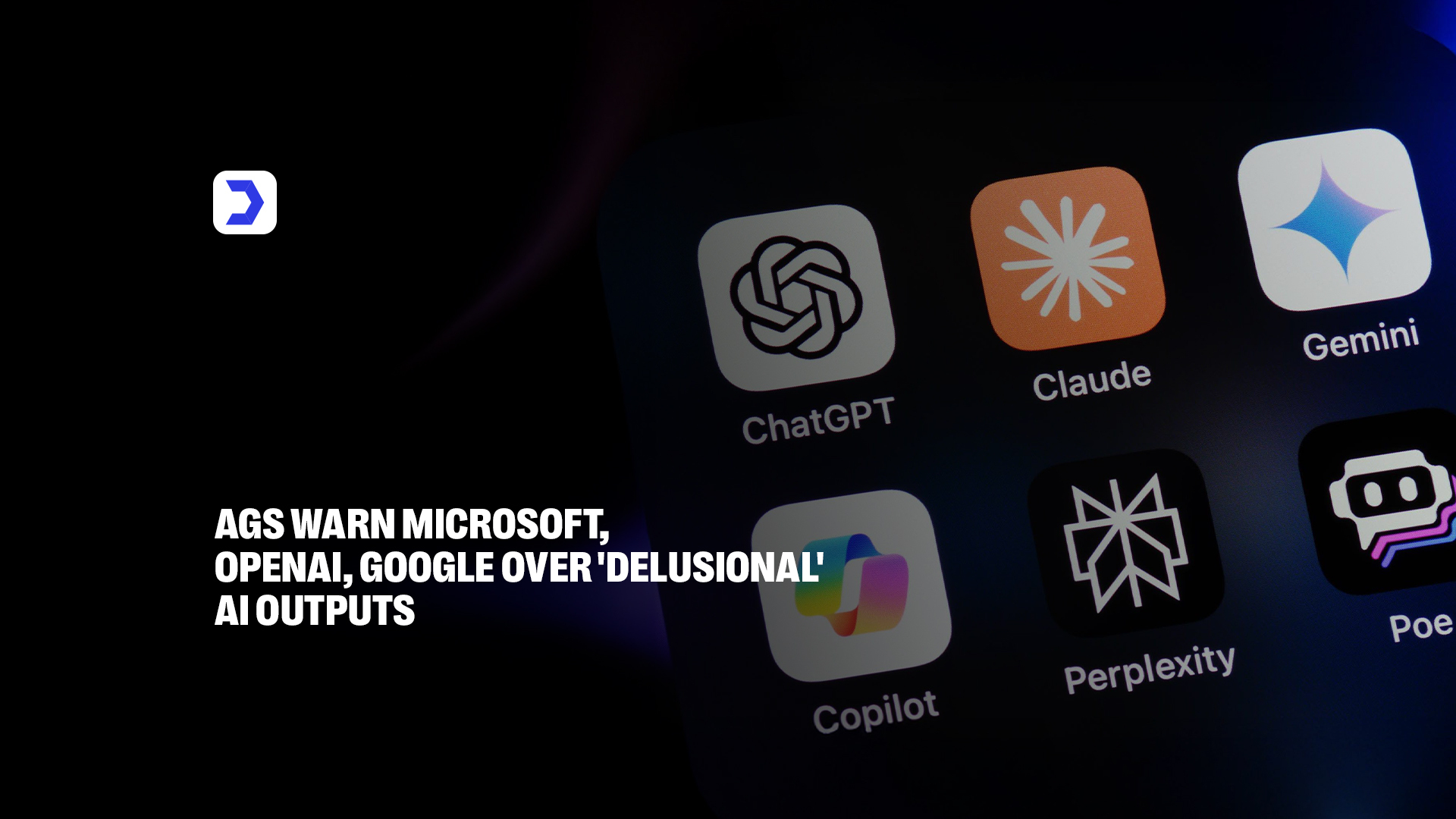
- Strategic competition with Claude 3.5 Sonnet has accelerated OpenAI’s deployment of autonomous agent features within the developer ecosystem.
- The company is leveraging its massive compute resources to ensure Codex provides higher accuracy and lower hallucination rates in generated code.
- Industry analysts view these updates as a move to secure enterprise dominance in the rapidly growing AI-assisted software development market.
The competitive landscape of artificial intelligence has shifted into high gear as OpenAI unveils a massive overhaul to its Codex engine. This strategic upgrade is widely seen as a direct response to the rising dominance of Anthropic’s Claude 3.5 Sonnet and its coding capabilities. By refining the underlying architecture of its programming-focused model, OpenAI aims to reclaim its status as the primary choice for developers and enterprise software architects. The move comes at a time when OpenAI secures $110B in record-breaking funding round, which means immense growth for the organization, particularly following news that. These funds have been diverted into massive compute clusters specifically designed to train the next generation of reasoning models that power Codex. However, the expansion into specialized coding tools is only one facet of the company’s current roadmap. While the developer community is focused on Codex, the general consumer base is still navigating the rollout of various model features. There have been minor setbacks in other departments, specifically regarding the safety and moderation layers for conversational AI. This caution reflects a broader commitment to safety, a philosophy also seen in their recent efforts to protect younger demographics.
The rivalry with Anthropic has forced OpenAI to prioritize speed without sacrificing the rigorous safety standards they are known for. Anthropic’s “Constitutional AI” approach has gained traction among safety-conscious enterprises, prompting OpenAI to double down on its own alignment research. The new Codex iteration introduces a significantly larger context window and enhanced logic reasoning, allowing it to interpret complex codebase structures more holistically. Industry analysts suggest that this technical leap was made possible by the massive capital injections the company has received recently. The sheer scale of their financial backing is evident when looking at how OpenAI raises from retail investors record-breaking funding round. The latest Codex upgrade isn’t just about writing cleaner code; it’s about understanding the intent behind a developer’s request. This level of sophistication requires deep integration across their entire product suite, ensuring that the same intelligence powering their coding tools also maintains the high standards found in their funding and safety initiatives.
As the industry moves toward more autonomous agents, the ability of Codex to interact with external APIs and legacy systems will be the true test of its success. With $110 billion in the bank and a renewed focus on both safety and performance, OpenAI is positioning itself to lead the next decade of the AI revolution, keeping its rivals at bay through constant innovation and strategic market positioning.