Summary
- OpenAI has responded to Google’s Code Red memo by releasing GPT-5.2, a new version of its AI model.
- GPT-5.2 introduces enhanced capabilities, such as improved natural language processing and better contextual understanding, making it more powerful than its predecessors.
- The launch of GPT-5.2 is a direct response to the growing competition from Google’s Gemini 3, which is focused on enhancing conversational AI.
- OpenAI continues to lead in the AI space, providing businesses with digital currency exchange solutions, blockchain application development, and more.
- The rapid rollout of GPT-5.2 demonstrates OpenAI’s ability to adapt and innovate quickly in the fast-paced AI industry.
- Google has been under pressure to catch up, with its internal Code Red memo addressing concerns over OpenAI’s market leadership.
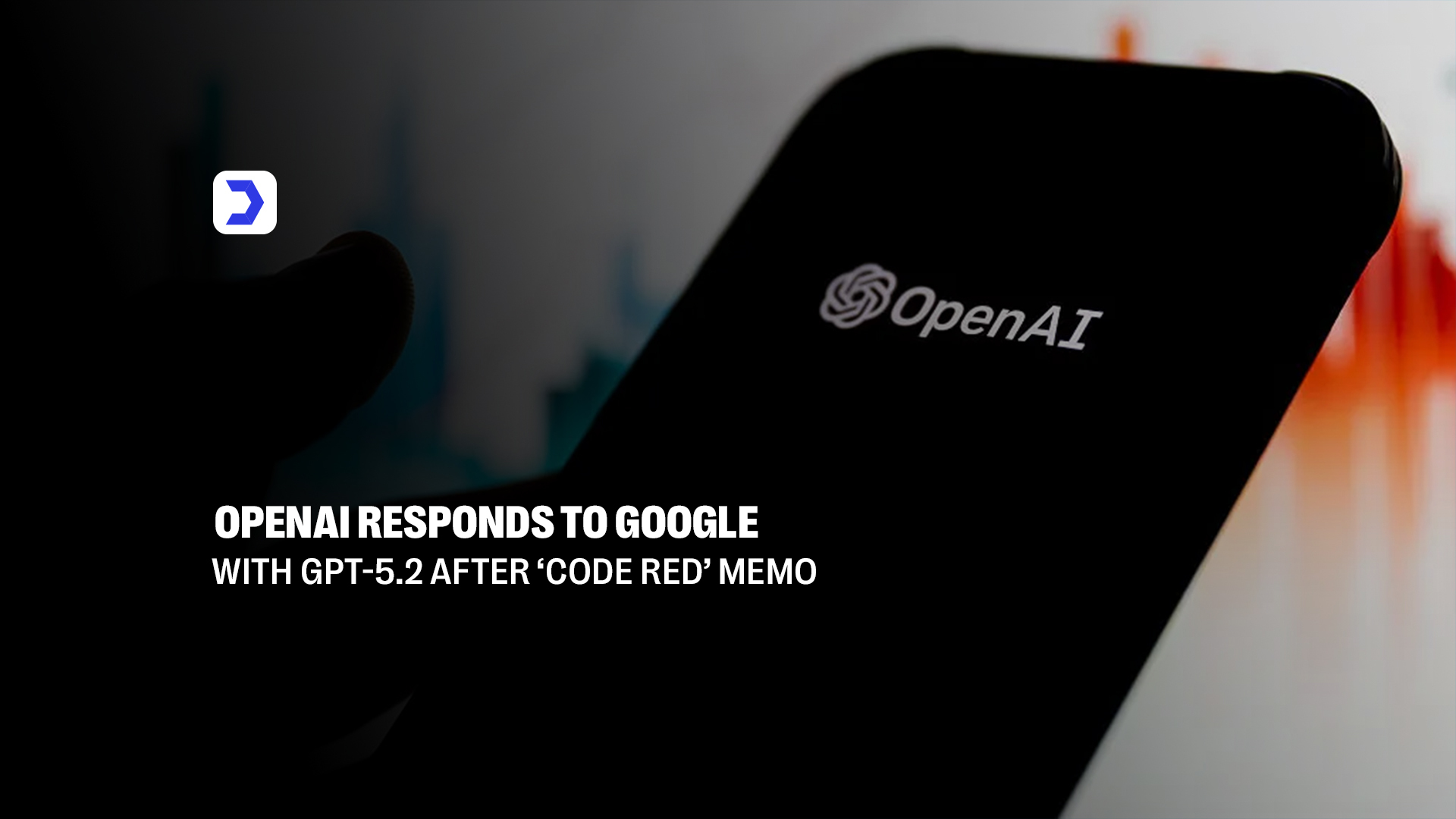
In a bold move following Google’s internal “Code Red” memo, OpenAI has responded with the launch of GPT-5.2, signaling its continued dominance in the AI race. This move comes after Google expressed concerns about OpenAI’s advancements, particularly with the success of ChatGPT. The release of GPT-5.2 not only addresses the challenges posed by Google’s Gemini 3 but also showcases OpenAI’s determination to stay ahead in the rapidly evolving AI landscape.
GPT-5.2 comes with several enhancements, improving its capabilities in natural language processing, real-time interactions, and contextual understanding. These advancements put OpenAI in a strong position to continue leading AI innovations, especially in sectors like digital currency exchange solutions, blockchain application development, and more. The GPT-5.2 update makes OpenAI’s offerings even more scalable, enabling businesses to leverage AI for complex use cases.
As Google scrambles to address internal concerns with Gemini 3, OpenAI’s quick release of GPT-5.2 underscores the competitive nature of the AI industry. The Code Red memo at Google highlighted the growing fear that OpenAI was outpacing Google in developing innovative AI solutions. In response, Google is working on strengthening its position, but OpenAI’s ability to push out updates quickly keeps it firmly in the lead.
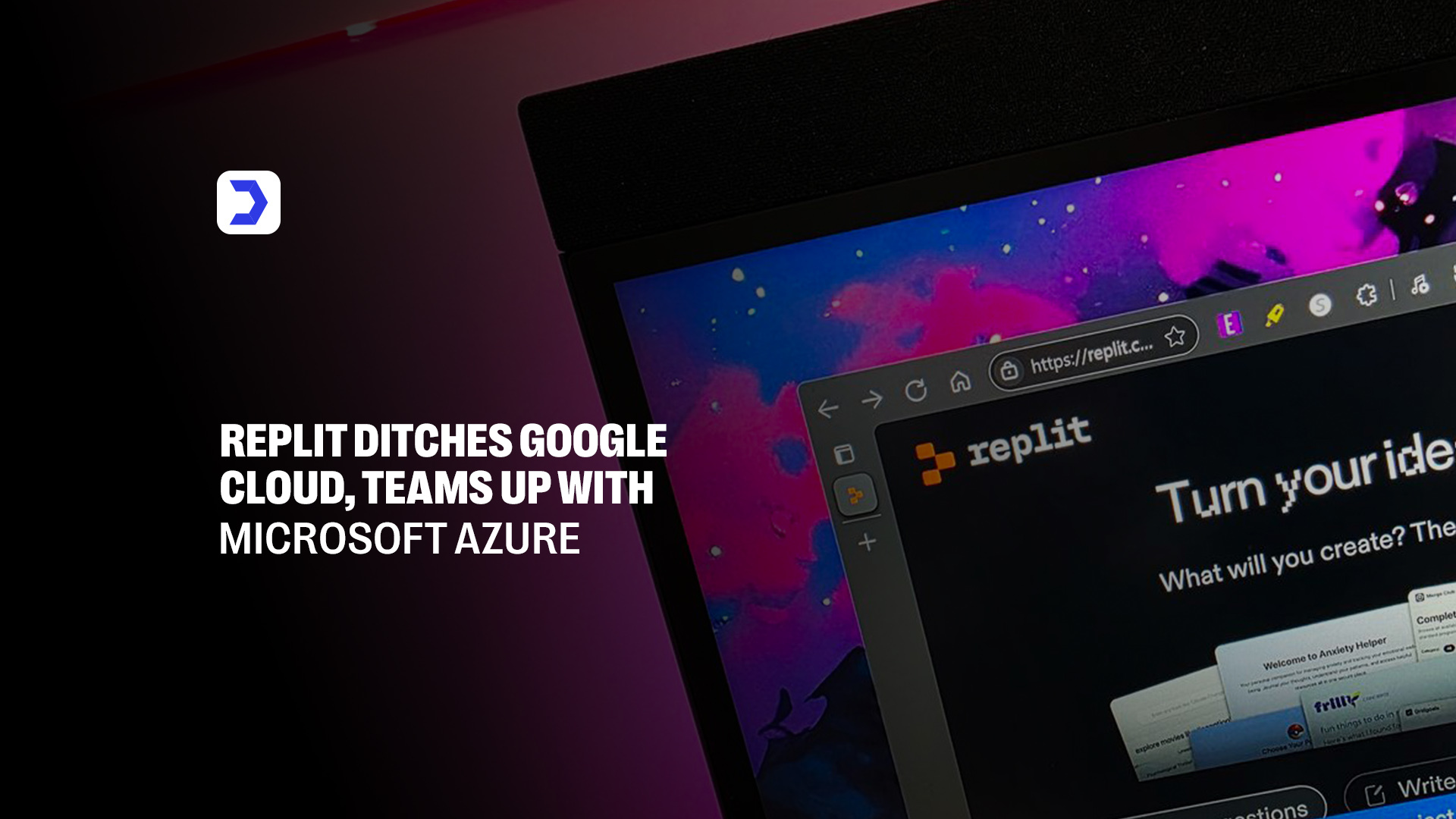
The wider tech industry has also taken notice of the shift in AI dynamics, especially with companies like Replit now moving away from Google Cloud to partner with Microsoft Azure. This shift reflects a broader industry trend where businesses are increasingly favoring stable, reliable AI-driven platforms. Replit’s decision to team up with Microsoft Azure rather than relying on Google Cloud speaks volumes about the growing need for robust, cutting-edge AI solutions that can scale rapidly.
The Replit move underscores how businesses are reassessing their cloud partnerships as the competition in AI heats up. As OpenAI continues to lead the charge, more companies are recognizing the advantages of leveraging platforms that are constantly innovating and pushing the boundaries of AI. This shift in cloud partnerships further highlights the broader landscape of AI development, where Google faces challenges in maintaining its leadership position while OpenAI moves forward with even more ambitious plans. To understand how businesses are adapting to these shifts in the tech world, Digital Software Labs covers key developments that are shaping the future of AI and cloud partnerships.