Summary
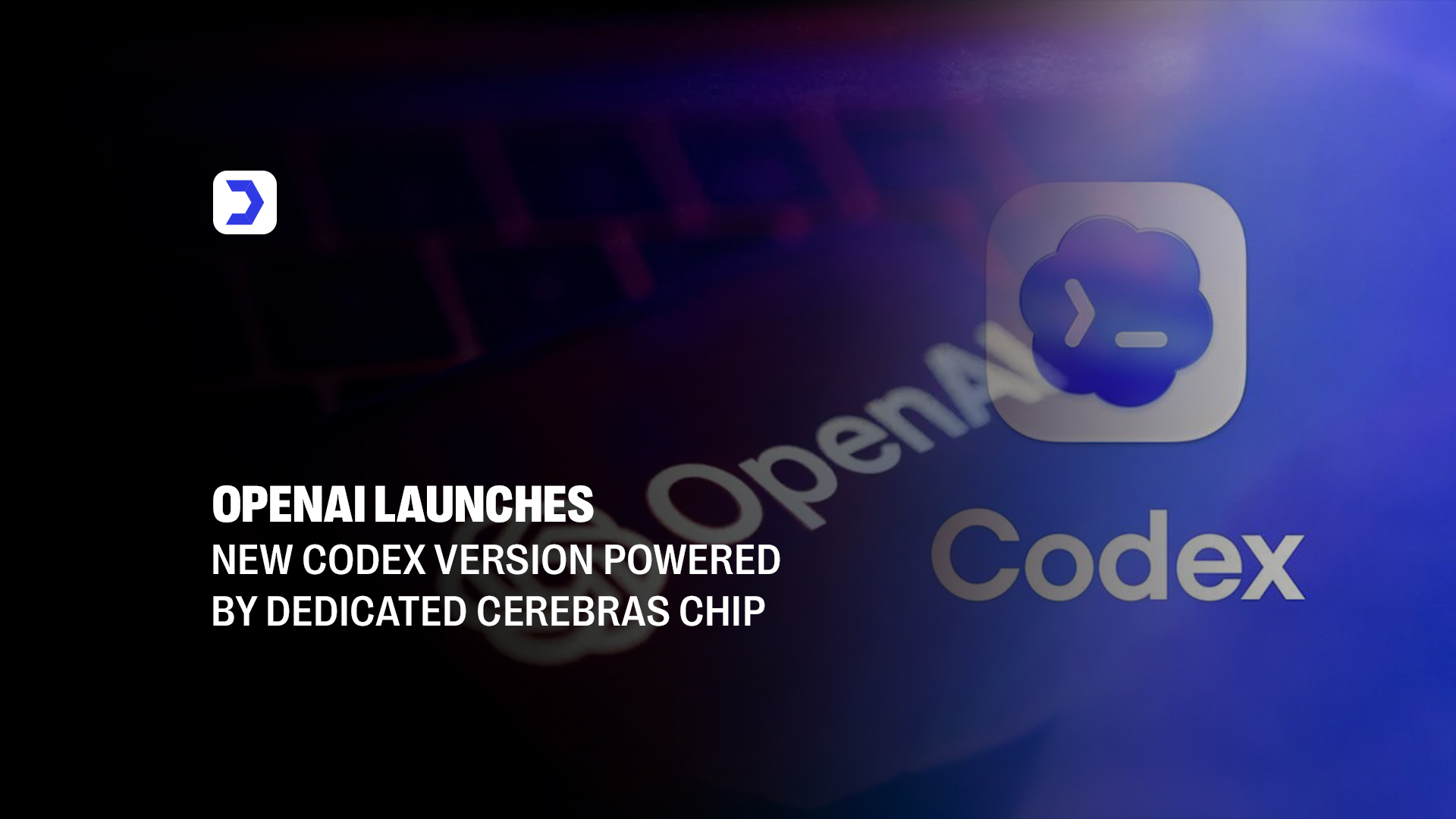
- OpenAI has launched a Codex version powered by Cerebras’ chip, enhancing its speed and efficiency.
- The new Codex-Spark version extends its capabilities, revolutionizing multiple industries beyond coding.
- Codex is now faster and more accurate, making it a valuable tool for sectors like healthcare, finance, and creative arts.
- The integration of Cerebras’ chip significantly boosts Codex’ performance, enabling real-time applications.
OpenAI has recently launched a new version of its Codex model, which is now powered by a dedicated Cerebras chip. This integration promises to dramatically enhance the model’s speed and efficiency in generating code. Codex has already been instrumental in various applications like automating coding tasks and assisting with complex projects. By incorporating Cerebras’ powerful chip, OpenAI is pushing the limits of what’s possible in terms of AI performance. The Cerebras chip is purpose-built to handle the immense processing power required for AI models, providing faster processing times and enabling Codex to operate at a level previously unavailable with general-purpose chips. This move is part of OpenAI’s ongoing efforts to create more specialized, high-performance AI tools. As a result, the new Codex can complete tasks with greater accuracy and efficiency, making it even more valuable for industries relying on automation and artificial intelligence for code generation. This breakthrough in AI capabilities aligns with the OpenAI announcement on revenue, where further details on the company’s future plans are outlined.
Not Just Coding
While Codex has primarily been known for its ability to generate code, this new version, powered by the Cerebras chip, extends its functionality far beyond just programming tasks. The new Codex-Spark version brings versatility, enabling it to assist in a range of applications across multiple industries, including healthcare, finance, and the creative sector in music and art. By integrating Cerebras’ chip into Codex, OpenAI has enabled its model to process tasks faster and more efficiently, resulting in real-time applications that can make a meaningful impact on how businesses operate. These advancements are being leveraged by companies at the forefront, with Digital Software Labs playing a key role in driving this innovation.
In the healthcare sector, for example, Codex can help streamline processes, analyze medical data, and generate solutions that traditionally required human expertise. Similarly, in finance, Codex can optimize transactions and help with predictive analytics. Moreover, this version of Codex is proving to be incredibly helpful in automating processes, cutting costs, and increasing overall productivity across industries. The ongoing development and application of Codex in various fields are discussed in the OpenAI responds to Google article, which provides further context on how Codex continues to evolve.