Summary
- OpenAI introduces GPT-Live-1 and GPT-Live-1 mini, replacing legacy turn-based interactions with a native full-duplex architecture.
- The advanced voice model allows users to seamlessly interrupt mid-sentence, automatically adjusting its conversational pacing and tone dynamically.
- Seamless AI task delegation routes complex logical queries to frontier text systems like GPT-5.5 for background processing.
- Integrated cloud systems pull live information during active ChatGPT voice sessions to support real-time web search and memory retention.
- The real-time multi-modal framework establishes ambient voice AI computing as the primary standard for modern consumer and enterprise digital setups.
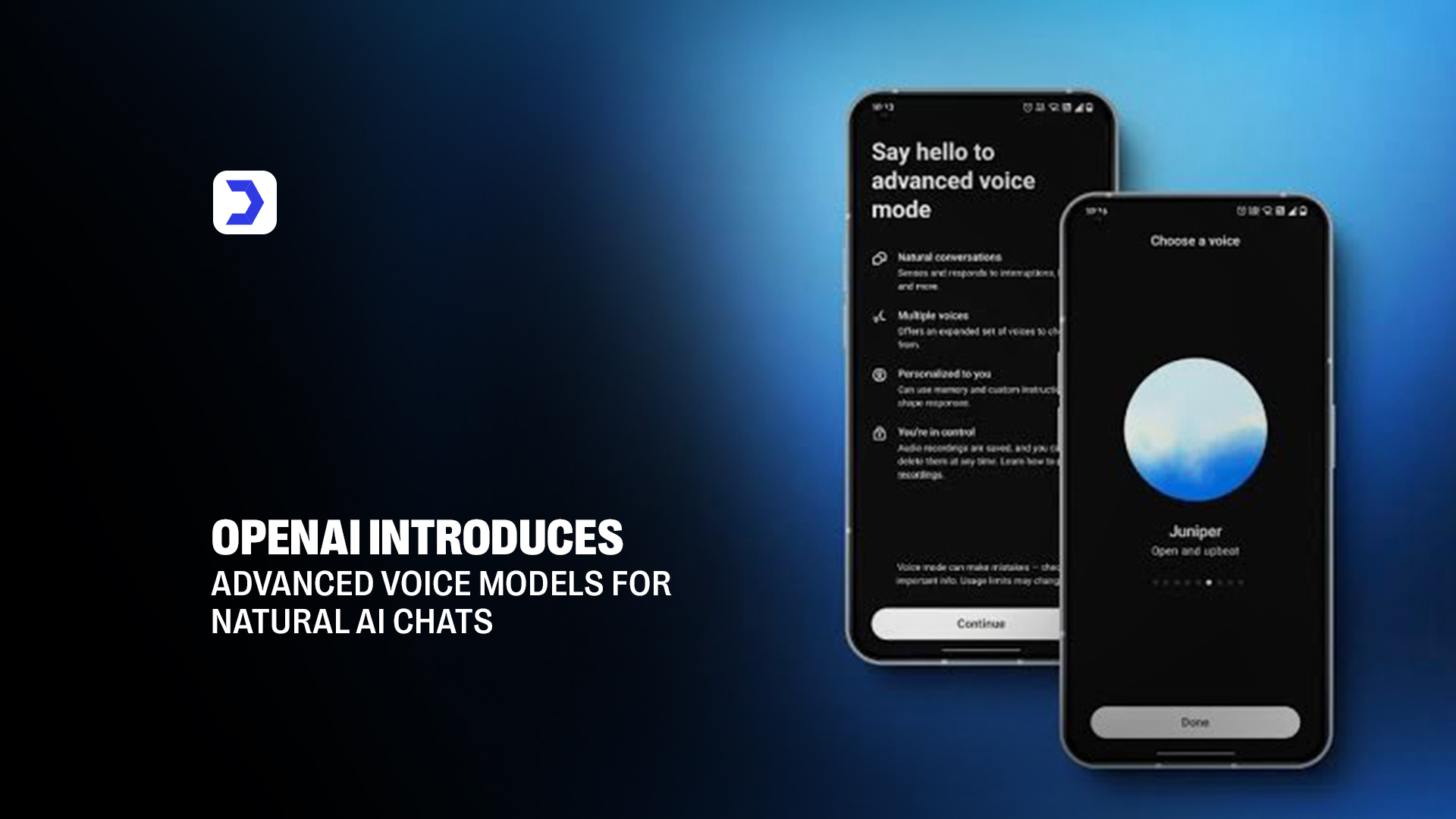
The landscape of human-computer interaction is undergoing a fundamental paradigm shift as real-time multi-modal communication becomes the primary standard for digital ecosystems. Tech architectures are moving rapidly away from rigid, turn-based text inputs toward fluid, conversational environments that mirror natural human speech patterns without noticeable latency barriers. By launching the new GPT-Live-1 and GPT-Live-1 mini architectures, OpenAI has officially replaced its legacy text-to-speech approximations with a native full-duplex system built specifically to process audio inputs and generate spoken responses simultaneously.
This major technical upgrade alters how millions of individuals engage with artificial intelligence daily, moving closer to ambient, continuous computing. Keeping pace with these fast-moving marketplace developments requires close observation of centralized engineering announcements, which is why tracking the latest technology updates and breaking tech sector trends by Digital Software Labs enables growing businesses to implement cutting-edge tools long before their immediate competitors. By analyzing these continuous model updates, corporate enterprises can systematically plan their software infrastructures around the multi-modal capabilities defining the modern computing era.
Beneath the surface of these human-like conversational patterns lies a highly sophisticated delegation framework designed to optimize resource allocation across distinct server nodes. When a user introduces a query that requires intensive live web data retrieval or deep logical reasoning, the voice system continues to speak naturally while offloading the backend computation to a high-capacity frontier text engine like GPT-5.5. This multi-tiered processing infrastructure ensures that conversational pacing remains steady and free from the long, awkward computational silences that plagued older versions of AI voice assistants.
Operating such complex, global server systems requires massive financial resources and unprecedented physical infrastructure expansions to sustain the massive concurrent token generation loads demanded by millions of active global endpoints. Scaling these massive computational networks requires unique capitalization approaches, and understanding how OpenAI secures alternative capitalization streams through retail networks underscores the sheer scale of investment necessary to make real-time multi-modal AI accessible to the general public. These financial mechanisms ensure that cutting-edge deep learning setups transition smoothly from restricted lab experiments into stable, production-grade consumer applications.
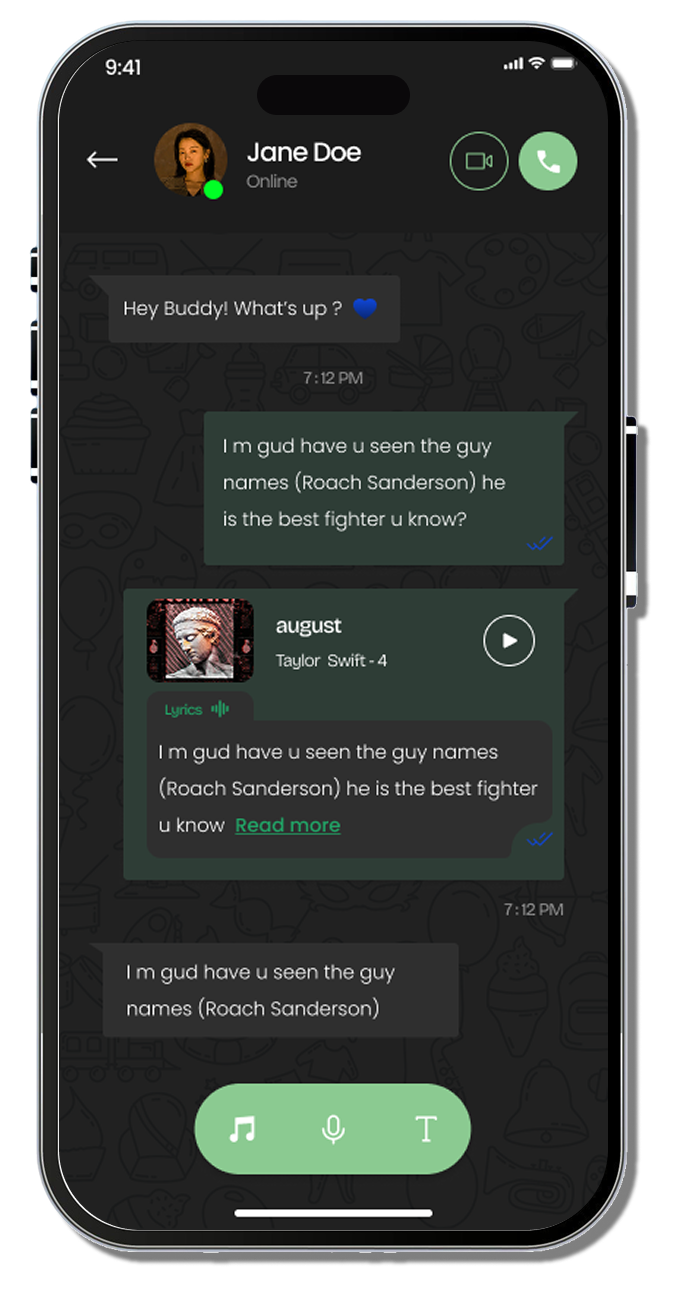
OpenAI wants voice AI to become the future of computing
Deploying these advanced multi-modal computing frameworks globally demands intense organizational coordination and precise commercial strategy to successfully integrate new technology into conservative corporate workflows. Managing this transition requires an executive framework capable of scaling operational delivery alongside rapid technical research breakthroughs. Examining how the internal management changes amplify strategic B2B distribution channels demonstrates how top AI organizations are structuring their leadership teams to convert raw model capabilities into tailored corporate enterprise tools. This business-centric leadership focus ensures that complex technical infrastructure updates align directly with strict market compliance metrics, data protection rules, and enterprise usability standards worldwide.
From an operational standpoint, the practical utility of a full-duplex conversational model introduces substantial efficiency gains across multiple traditional business sectors. In customer care environments, voice agents driven by this technology can manage nuanced client disputes naturally, de-escalating tense situations through appropriate pacing changes and immediate contextual adjustments. Field technicians working in hazardous or mechanically intense environments can converse with technical documentation systems in real time, diagnosing system faults safely without breaking their physical workflow to consult a handheld device screen.