Summary
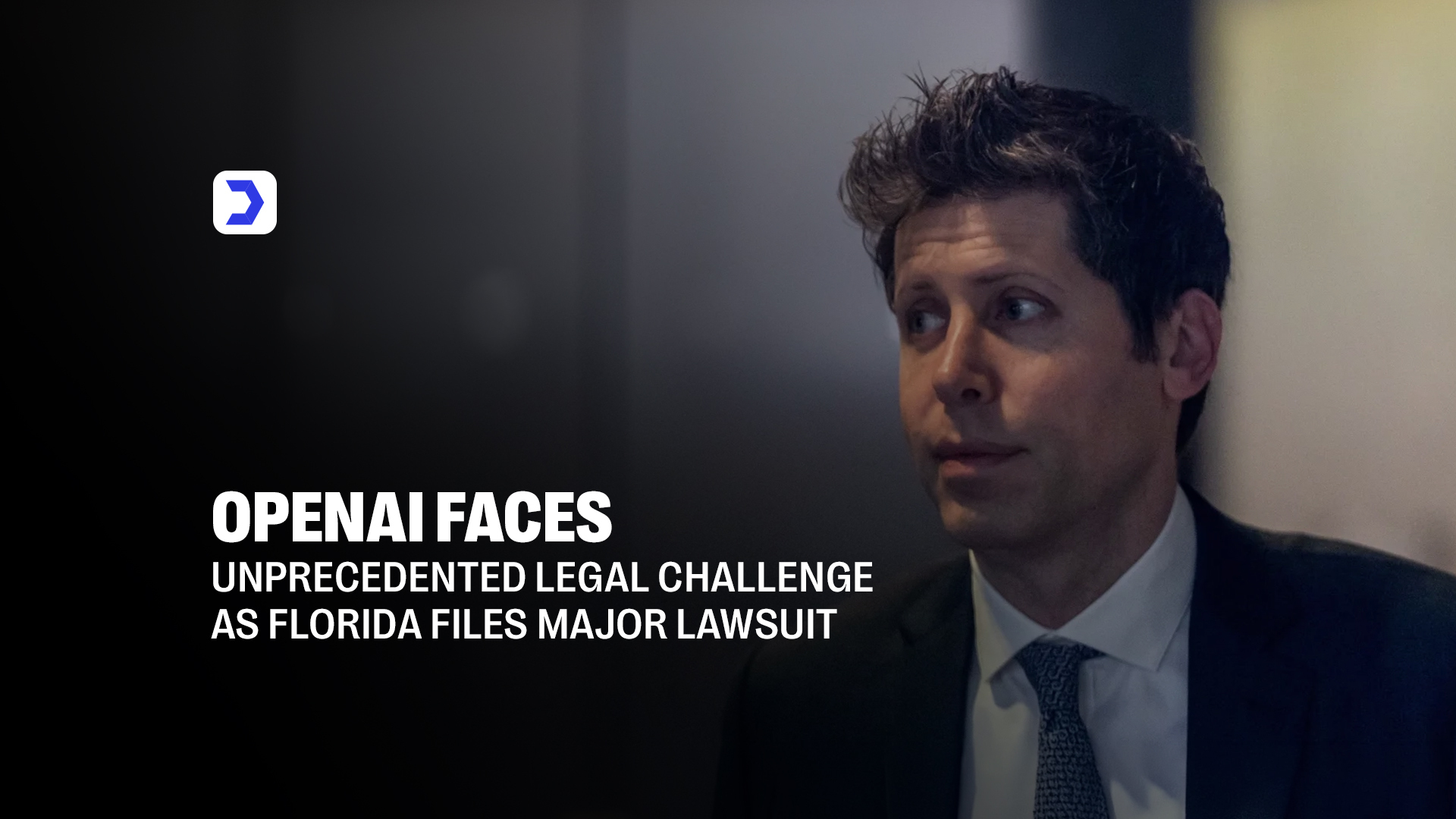
- The legal action taken by Florida against OpenAI over ChatGPT data practices has created unprecedented legal challenges for Sam Altman and his organization as they struggle to maintain operational stability amid mounting AI lawsuits.
- Florida regulators contend that the rapid scaling of these models occurred without adequate safeguards, forcing a critical state-level examination of how the company treats private information and consumer rights.
- This litigation signifies a pivotal turning point where government oversight begins to aggressively constrain the previously unchecked growth of transformative AI technologies.
- In response to these external pressures, the recent OpenAI Leadership Restructuring highlights an intentional shift toward more formal governance to better manage risks and navigate the complexities of ongoing court proceedings.
- The unfolding situation serves as a stark reminder that the future of large-scale AI innovation must now align with established data protection laws, fundamentally altering the trajectory for all major industry players.
The rapidly shifting landscape of artificial intelligence has entered a contentious new phase, as regulatory scrutiny moves from the halls of federal oversight into the aggressive arena of state-level litigation. Recent reports published on the Digital Software Labs News section suggest that the industry is bracing for a sustained period of courtroom battles that could fundamentally alter how large language models are trained and distributed. Florida has officially initiated a major lawsuit against OpenAI, marking a significant escalation in the battle over intellectual property rights, data privacy, and the ethical responsibilities of tech giants. As the technology continues to integrate into everything from personal productivity tools to complex enterprise systems, the arguments presented in this legal filing highlight deep-seated anxieties regarding the power dynamics between corporate AI developers and the public. This lawsuit serves as a focal point for a broader national debate that pits rapid innovation against the foundational legal frameworks designed to protect consumers and creators alike.
The complexity of these OpenAI Lawsuits creates a difficult environment for leadership to navigate, particularly as they balance organizational restructuring with intense legal pressure. When the state of Florida challenges the foundational practices of Sam Altman and his organization, it forces a critical examination of how AI has been scaled and to what extent the company has prioritized safety over velocity. The legal arguments are not merely technical; they represent a fundamental questioning of whether existing laws are sufficient to contain an entity that has effectively changed the trajectory of the modern workforce. Every development in this legal saga is being monitored by major tech stakeholders, as the outcome will likely establish a precedent that shapes how companies across the globe interact with user-generated content and proprietary data moving forward.