Summary
- Meta’s AI glasses offer a revolutionary way to enhance audio experiences by filtering background noise, improving conversation clarity in noisy environments.
- The AI glasses Meta feature Spotify integration, allowing users to seamlessly switch between conversations and personalized music, providing an immersive sound experience.
- Meta AI technology in the glasses allows users to control audio features hands-free, making interactions more natural and intuitive throughout the day.
- The integration of AI into wearable hardware like Meta’s AI glasses demonstrates a significant leap in how we interact with our digital environment, making technology more responsive to real-time needs.
- Digital Software Labs supports the growing trend of AI-powered gadgets, enabling the development of advanced, user-friendly technologies that reshape how we engage with both the physical world and media.
- The launch of Meta AI and Spotify in smartglasses not only improves communication but also brings an innovative level of personalization to everyday life, setting new standards in the wearable tech space.
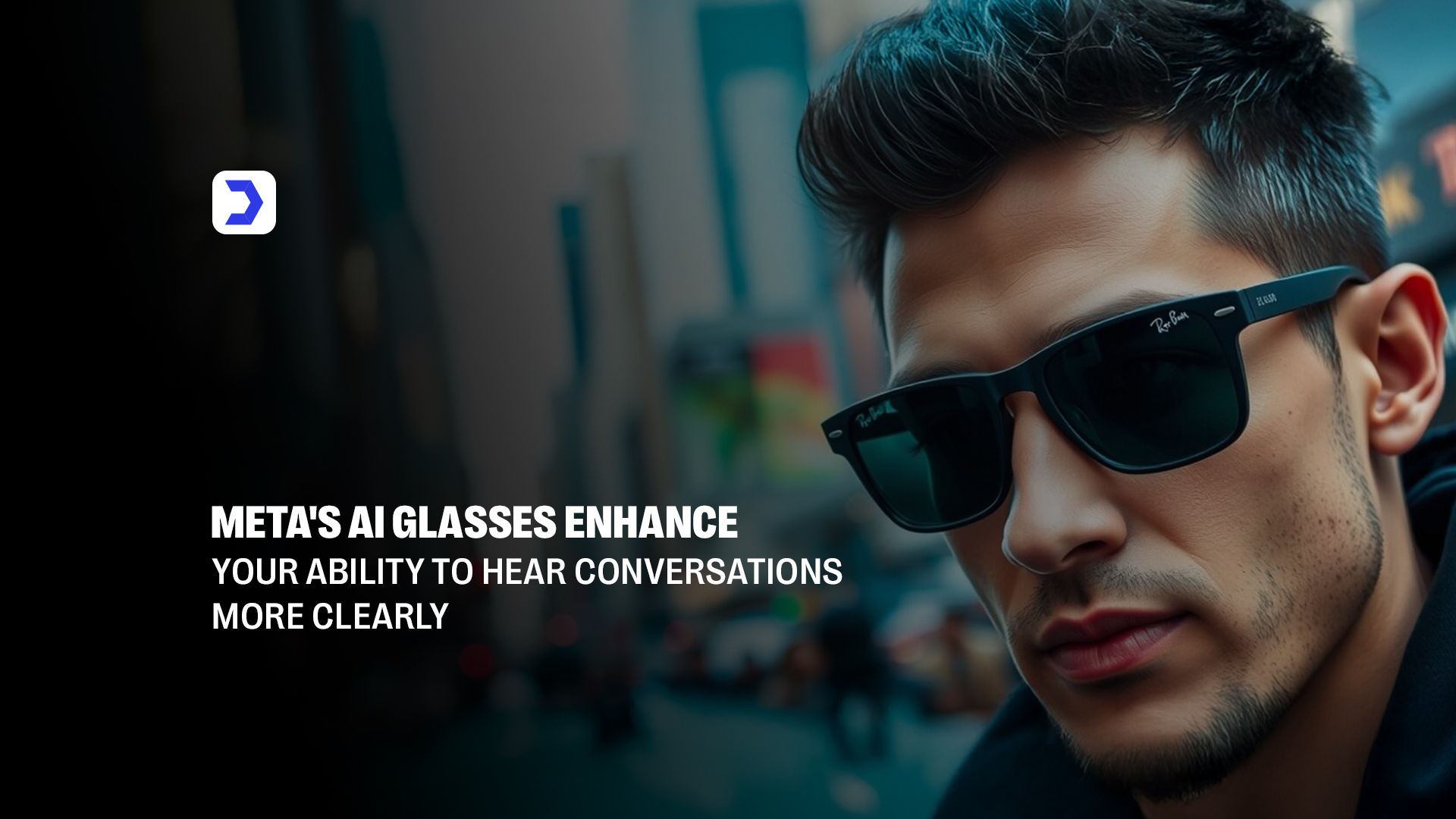
Meta has introduced a pair of AI glasses that enhance users’ capacity to hear and engage in conversations with unprecedented clarity, even in environments with high background noise or competing sound sources. These smartglasses are the result of advanced hardware engineering and AI-powered audio processing that work together to isolate and amplify human voices while minimizing distracting ambient sound. This development places Meta at the forefront of AI glasses innovation, offering both everyday users and professionals a way to interact more naturally in real-world settings where hearing clarity can otherwise be a challenge.
The underlying technology in these Meta glasses relies on intelligent sound detection and real-time audio filtering, enabling users to focus on specific voices without the need for traditional earbuds or bulky sound equipment. Instead, the glasses incorporate built-in microphones and processors that continuously adjust to the soundscape around the wearer. This means conversations become clearer, whether someone is in a bustling café, at a busy intersection, or taking part in a group discussion where voices might otherwise blend together.
This shift toward AI-enhanced sensory devices echoes Meta’s broader investment in artificial intelligence across its products and services. For example, Meta recently released the Llama AI API, a tool designed to empower developers to build AI-powered features into their own systems. The Llama AI API enables developers to create more intelligent and responsive applications by using robust language models that can understand, interpret, and generate human-like responses. While the AI glasses Meta focuses on improving auditory perception in the physical world, the Llama initiative reflects how Meta is advancing AI in multiple domains, both in wearable gadgets and developer tools, underscoring a unified commitment to intelligent, user-centric experiences that span hardware and software.
These meta AI glasses are more than a step forward in wearable technology; they represent a broader trend toward integrating intelligent systems into everyday life, making digital tools feel more natural, intuitive, and supportive of human interaction. As AI continues to evolve and Meta’s ecosystem grows, products like these glasses could redefine how we communicate, work, and connect with others in both personal and professional environments.
Filter Out the Noise With Conversation Focus
One of the most compelling capabilities of Meta’s AI glasses is their ability to filter out background noise and help users focus squarely on the voices that matter. In real-world environments, whether you’re in a crowded café, navigating a busy street, or participating in a lively social gathering, ambient sound can drown out speech, making conversations tiring or difficult to follow. The smartglasses leverage advanced AI glass algorithms and hardware configuration to detect and prioritize human speech over irrelevant noise. Microphones embedded in the frames continuously monitor the soundscape, and AI-driven processing distinguishes between background clatter and conversational tones. As a result, the glasses can enhance relevant audio and suppress competing sounds, creating a more natural and intelligible listening experience that doesn’t rely on traditional earbuds or noise-canceling headphones.
This focus on real-time auditory clarity aligns with Meta’s broader efforts to make artificial intelligence more responsive and adaptive across devices and use cases. For example, Meta’s initiative around LlamaCon, a developer event aimed at strengthening loyalty and adoption of the company’s AI tools, reflects a commitment to practical AI advancements that benefit end users and creators alike. At LlamaCon, developers learn how to build on Meta’s AI technologies and apply them to real-world problems, from better user interfaces to intelligent behavior prediction. The connection between tools like those introduced at LlamaCon and the conversational filtering in Meta’s glasses is clear: both are designed to create machines that understand context and help people interact more naturally with their environment.
By embedding this level of audio intelligence directly into Meta AI glasses, the technology helps users not only hear better but also stay focused on the social nuances of a conversation. This capability can be especially meaningful in professional and personal settings where missing details can lead to miscommunication. With AI refining the experience, the result is a product that feels supportive without being intrusive, bringing a new level of clarity to daily interactions.
Soundtrack Your World With Meta AI + Spotify
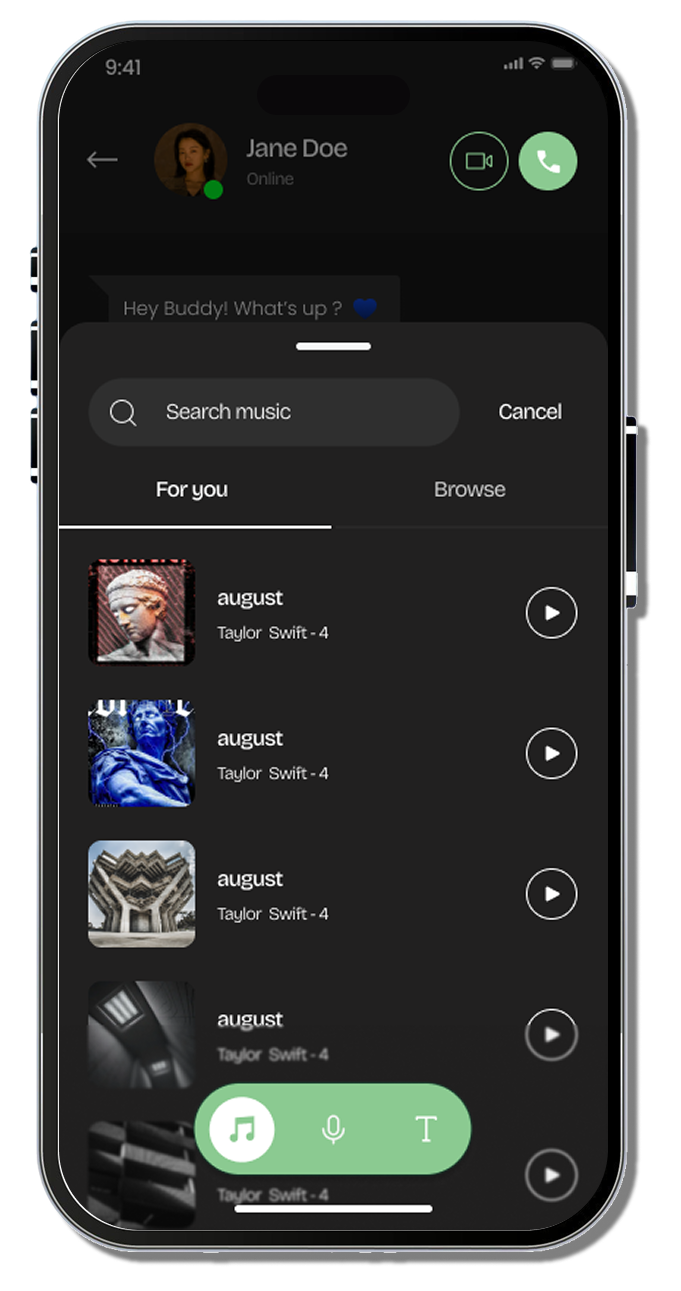
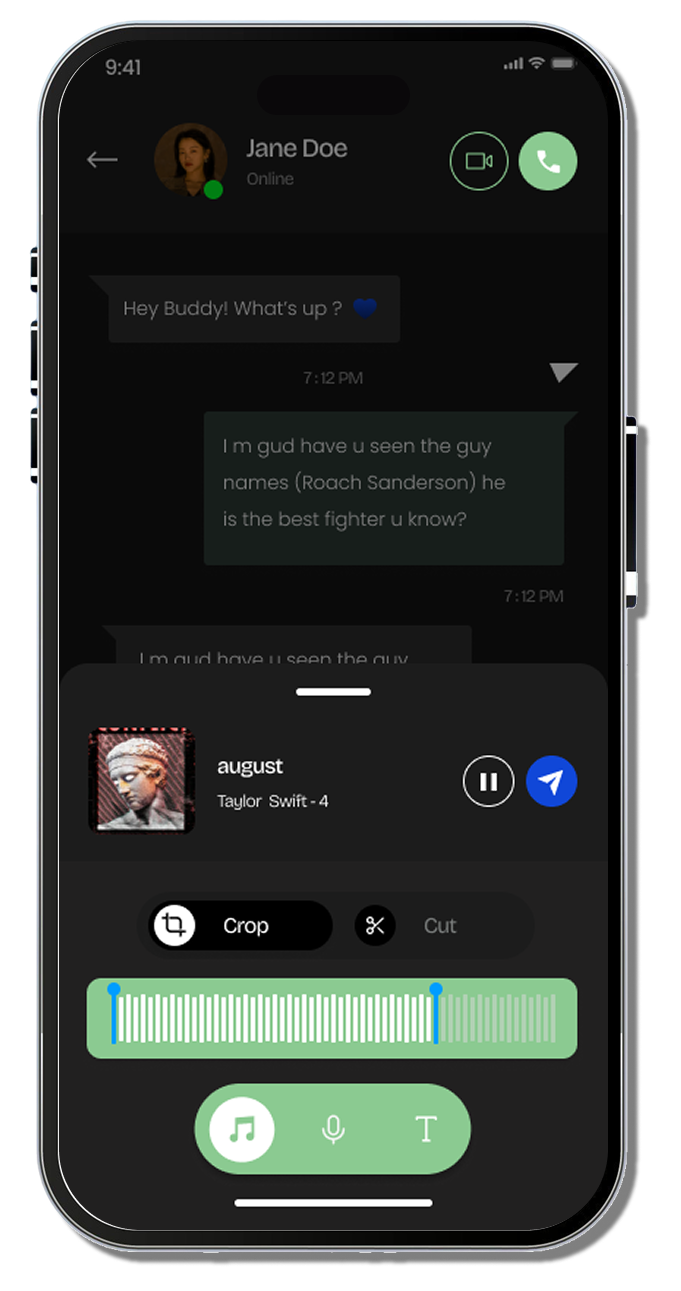
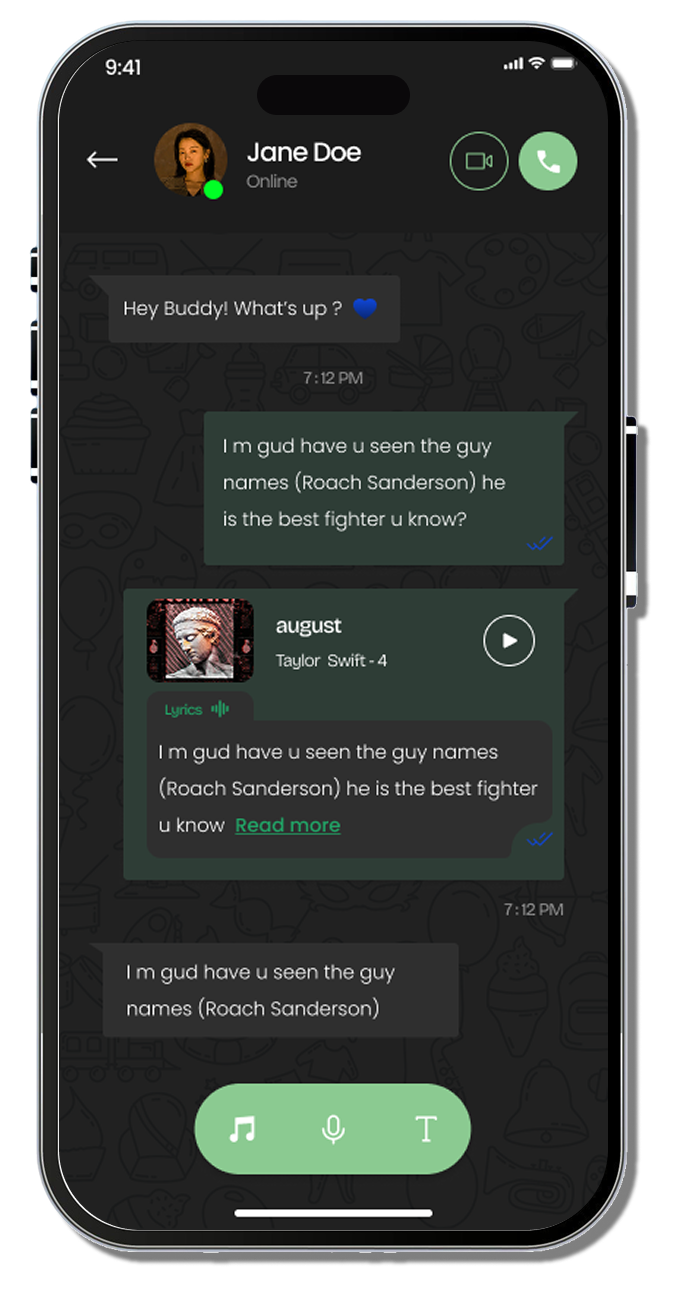
Beyond enhancing conversation clarity, Meta’s AI glasses are designed to enrich your audio environment by integrating with entertainment services like Spotify, allowing users to “soundtrack” their everyday lives. This feature lets wearers switch effortlessly between listening to music and engaging in conversations or ambient soundscapes, creating an immersive audio experience tailored to individual preferences. The combination of Meta AI and Spotify means users can control music playback, voice responses, and contextual audio cues directly through the glasses, freeing them from traditional physical controls or devices. Sound selection and playback become part of the natural rhythm of your day, whether you’re walking through a park, commuting, or working in a shared space.
This focus on blending real-world interaction with intelligent audio experiences reflects Meta’s larger vision of expanding how AI enhances everyday life. To support innovation like this, Meta recently launched a startup program to promote use of Llama AI technology, aimed at encouraging smaller developers and creators to build new AI-powered solutions that can integrate with hardware and software ecosystems. The program provides resources, tools, and support for entrepreneurs to develop intelligent features that respond to user needs in intuitive ways. By fostering a community around AI development, Meta is not only advancing its own products but also enabling others to contribute ideas that might one day influence AI behavior in devices such as Meta glasses.
When your smartglasses can filter conversations and manage your personal audio streaming in real-time, you gain a level of convenience and personalization that redefines what wearables can do. Combining AI-driven audio processing with adaptive music control makes your listening experience more natural and responsive, ultimately tailoring your digital interactions to fit your lifestyle. This blend of social interaction and entertainment functionality positions AI glasses Meta as an innovative step forward in how we engage with both people and media in daily life, demonstrating Digital Software Labs‘ commitment to the future of AI-powered technologies.