Summary
- Meta’s recruitment of Alan Dye marks its strongest step yet toward fusing creative leadership with AI-led innovation, signaling a deeper investment in industrial design excellence.
- Dye’s exit represents Apple’s transition toward intelligence-driven design, balancing function, emotion, and machine learning precision.
- At Meta, Dye will build a creative studio that unites technology and design, shaping products that feel personal and human-centered.
- Meta’s Reality Labs and AI division are developing smarter devices that enhance user experience through learning-driven design.
- Tim Cook continues to evolve Apple’s design direction, focusing on simplicity, adaptability, and AI-enhanced experiences.
- The collaboration between design and artificial intelligence is now defining the future of tech-driven creativity across global industries.
- The shift of Alan Dye from Apple to Meta symbolizes the merging of artistry, intelligence, and human experience, an evolution shaping the future of modern design.
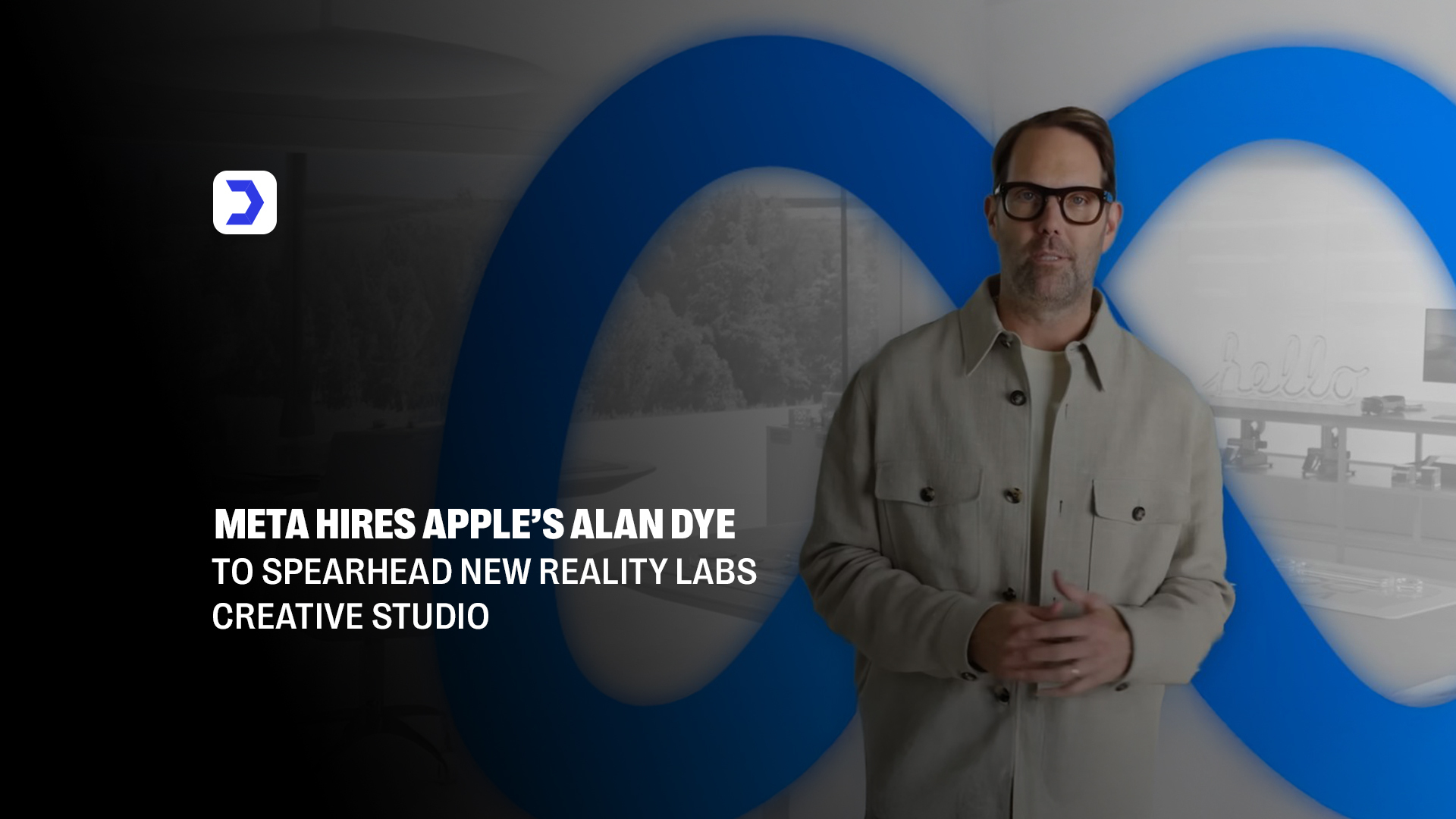
In a pivotal shift within industrial design news, Meta has appointed Alan Dye, Apple’s long-standing design chief, to head its new Reality Labs Creative Studio. The move underscores Meta’s growing ambition to blend design mastery with emerging AI and immersive technology. Dye’s expertise, built over decades at Apple, is expected to redefine Meta’s creative standards for hardware, digital art, and product experience.
This transition also aligns with a broader design evolution taking place within Apple. The company recently reassessed its AI-driven product direction, a shift previously discussed in Apple’s Latest AI Models Disappoint in Performance Tests, where design precision and innovation became central to its next wave of improvements. This connection reflects how Dye’s move mirrors Apple’s transition toward performance-based creativity while Meta advances design harmony across its Reality Labs division.
Under Dye’s guidance, Meta’s creative studio will emphasize user experience that feels both natural and futuristic. By merging aesthetic excellence with AI-powered systems, Meta aims to lead in next-generation wearable design, AR interfaces, and adaptive environments. This appointment signals not just a talent acquisition but a creative reinvention, where the artistry of Apple meets the engineering ambition of Meta, shaping a future where digital and physical experiences are seamlessly integrated.
Why Alan Dye’s Exit and Apple’s Shift
The departure of Alan Dye from Apple comes at a time when the company is entering a new creative chapter built around intelligence, adaptability, and design performance. Apple is moving beyond its long-standing visual tradition toward a more responsive experience, one that combines simplicity with intelligent interaction across all devices. This shift focuses on how users feel and function within Apple’s ecosystem rather than just how products look.
Amid these internal changes, Apple has begun aligning its design philosophy with its newest AI ambitions. That direction is evident in Apple to bring GPT-5 to iOS 26 ahead of Schedule, where upcoming system updates demonstrate how Apple intends to blend intuitive design with real-time learning features. Instead of static interfaces, the company is shaping environments that anticipate user needs and evolve through natural interaction.
Alan Dye’s exit mirrors this creative transition. His legacy lies in building harmony between technology and emotion, a quality now evolving into a more dynamic relationship between user and device. Apple’s next phase centers on intelligence that feels personal, fluid, and purposeful. Dye’s move signifies not a departure from Apple’s ideals but the beginning of a design era defined by awareness, speed, and quiet sophistication.
What Alan Dye Will Build at Meta
At Meta, Alan Dye’s mission centers on transforming Reality Labs into a design powerhouse capable of bridging technology with emotion. His work will focus on shaping the next generation of AI-powered devices, where visual simplicity meets deep functionality. Meta wants to create products that don’t just perform but connect seamlessly with the way people think, work, and communicate.
The company’s growing AI ecosystem has already reached a remarkable milestone, as seen in Meta AI Surpasses 1 Billion Monthly Active Users. This achievement establishes the foundation for Dye’s vision, designing experiences that operate intelligently across Meta’s entire product range. Every decision, from layout to interaction, will reflect the company’s goal to make technology feel effortless, human, and purposeful.
Through the Reality Labs Creative Studio, Dye is expected to lead teams combining art, AI, and precision engineering into one cohesive design language. His approach will define how Meta’s upcoming wearables, AR devices, and immersive systems evolve, blurring the line between form and intelligence. With Dye’s leadership, Meta steps closer to crafting a digital reality that feels beautifully designed, instinctively functional, and emotionally resonant.
Meta’s AI Hardware Push Grows
Meta is intensifying its push into AI-powered hardware, moving far beyond its social media roots into a future shaped by intelligent devices and immersive design. The company’s goal is to create hardware that naturally interacts with users, where sensors, visuals, and algorithms communicate seamlessly to deliver personalized experiences. Every new product release is built to expand how people see and interact with digital environments.
A strong connection can be seen in Meta Teams Up with Midjourney to Advance AI Visual Models, where Meta deepens its creative and computational capabilities to elevate AI-generated visuals and user interfaces. This collaboration reinforces the company’s vision for devices that blend precision design with high-performance learning models, building hardware that adapts in real time to user behavior.
With its Reality Labs division and a growing AI network, Meta continues to shape a design-forward hardware ecosystem that goes beyond efficiency; it focuses on intuition. From AI-powered glasses to mixed-reality workstations, every device represents Meta’s strategy to make intelligence visible, beautiful, and emotionally engaging. The company’s next generation of products aims to merge artistry, engineering, and awareness into one connected experience, setting the stage for a more human form of technology.
Tim Cook on Apple’s Design Shift
Under Tim Cook’s leadership, Apple is redefining what modern design means in a world increasingly shaped by intelligence and personalization. Cook’s approach places equal weight on aesthetics, performance, and intuition, focusing on how each device adapts to the user’s habits, environment, and rhythm. This shift emphasizes thoughtful simplicity rather than ornamental design, marking a new era for Apple’s creative philosophy.
The company’s evolving direction aligns with its consistent updates and innovations shared on Digital Software Labs News, where major advancements in technology, AI, and creative systems often signify how industry leaders refine their design outlooks. In this new framework, Apple aims for interaction that feels invisible yet precise, where every motion, texture, and sound contributes to a seamless experience.
Tim Cook envisions a future where Apple’s design language merges with the intelligence powering its devices. The company now treats design not as a finishing layer but as a living part of user interaction, responsive, emotional, and quietly powerful. By blending artistic restraint with intuitive depth, Cook’s Apple continues to shape an ecosystem where innovation feels natural, human, and enduring.