Summary
- Opal’s integration with Gemini introduces a more fluid form of vibe coding
- Creators can move from intent-based prompts to functional apps
- Gemini is evolving from an assistant to an active participant in creation
- The update aligns with broader Gemini developments across coding and design
- Google is shaping a unified AI-powered creation ecosystem
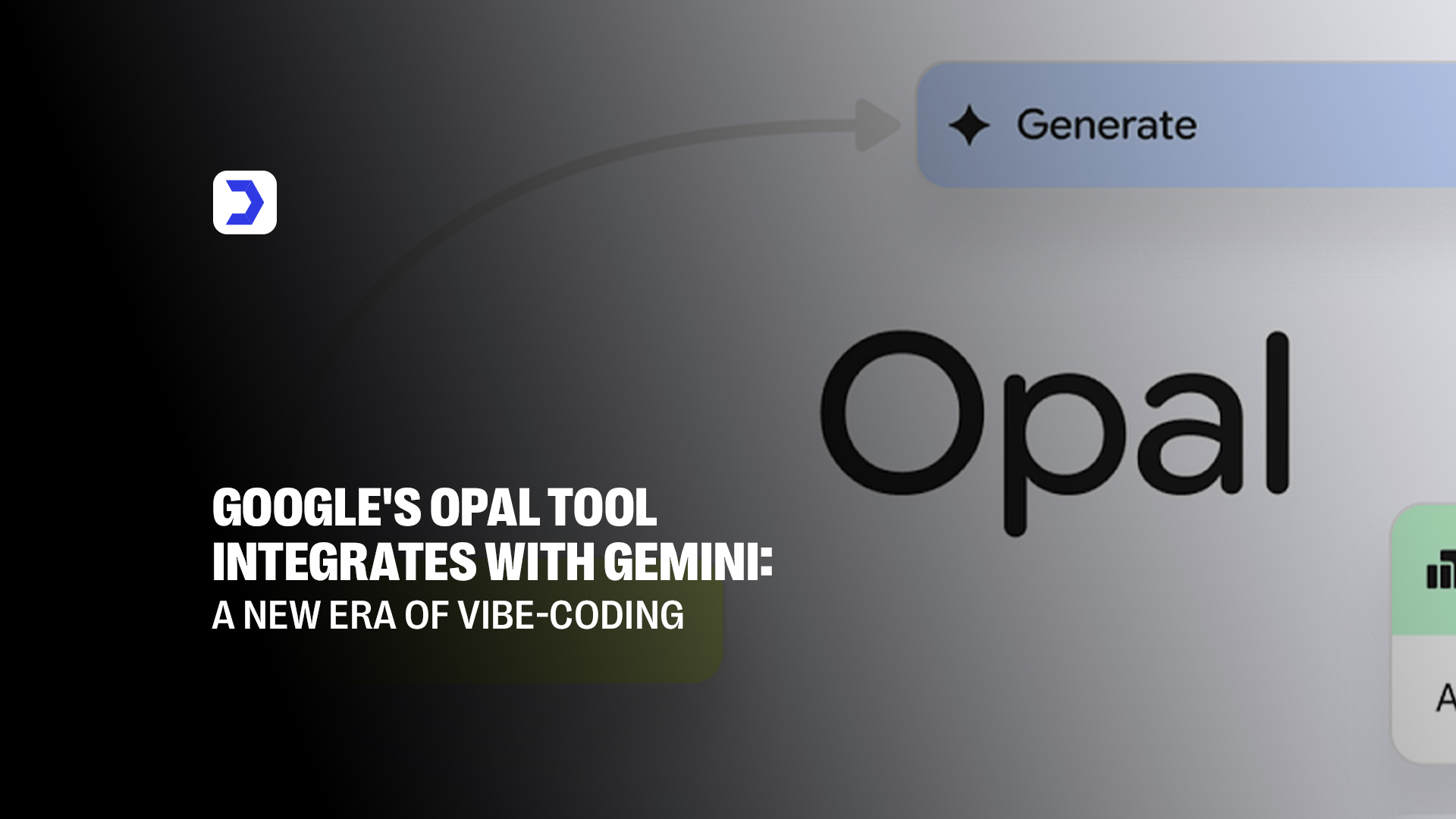
Google is expanding its AI-driven development vision by integrating Opal with Gemini, introducing a more intuitive approach commonly described as vibe coding. Instead of beginning with rigid syntax or predefined structures, creators can now describe intent through natural language and allow Gemini to translate those ideas into working logic for modern apps, making the development process feel more fluid and creative. This integration builds on earlier steps taken to embed Gemini directly into developer workflows. When command-line access for Gemini was introduced, it marked a shift toward AI-native development environments, and as outlined in
The introduction of Gemini’s command-line interface helped pave the way for tools like Opal to connect ideation with execution more seamlessly, reducing early-stage friction for developers.
From Prompts to Apps
Opal changes how applications are created by shifting the starting point from manual construction to descriptive intent. Creators outline what an app should do, how users interact with it, and what outcome it should deliver, while Gemini interprets those prompts into structured logic that can evolve into usable apps without the traditional overhead that slows early development. This approach reflects the growing adoption of vibe coding, where momentum and clarity guide progress rather than strict technical steps. Developers remain involved in refining outcomes, but the entry barrier is lower, allowing more people to contribute meaningfully. This transition mirrors broader shifts already visible across Gemini’s expanding ecosystem, which continue to surface through Ongoing Digital Software Labs News Coverage around Gemini’s development capabilities, showing how AI is becoming a core layer in modern software creation.
The Rise of the AI Creator
The Opal–Gemini integration also signals a cultural shift in who gets to build technology. The emerging AI creator is defined less by deep technical specialization and more by the ability to communicate problems, experiences, and outcomes clearly. With Gemini acting as an interpretive layer, creators can focus on direction while AI handles translation into structure and logic. This same shift is already influencing creative collaboration beyond coding. Gemini’s role in design workflows became more evident when it was integrated into collaborative design environments, and as explained in Gemini’s integration into collaborative design workflows, it places emphasis on shared intent and coordination rather than purely manual execution.
Taken together, these developments suggest Google is building a unified AI ecosystem where coding, design, and application logic flow through a single intelligence layer. The broader context around this direction continues to emerge through broader coverage of AI-driven development trends, by Digital Software Labs, highlighting how Gemini’s role is steadily expanding across creative and technical domains.