Summary
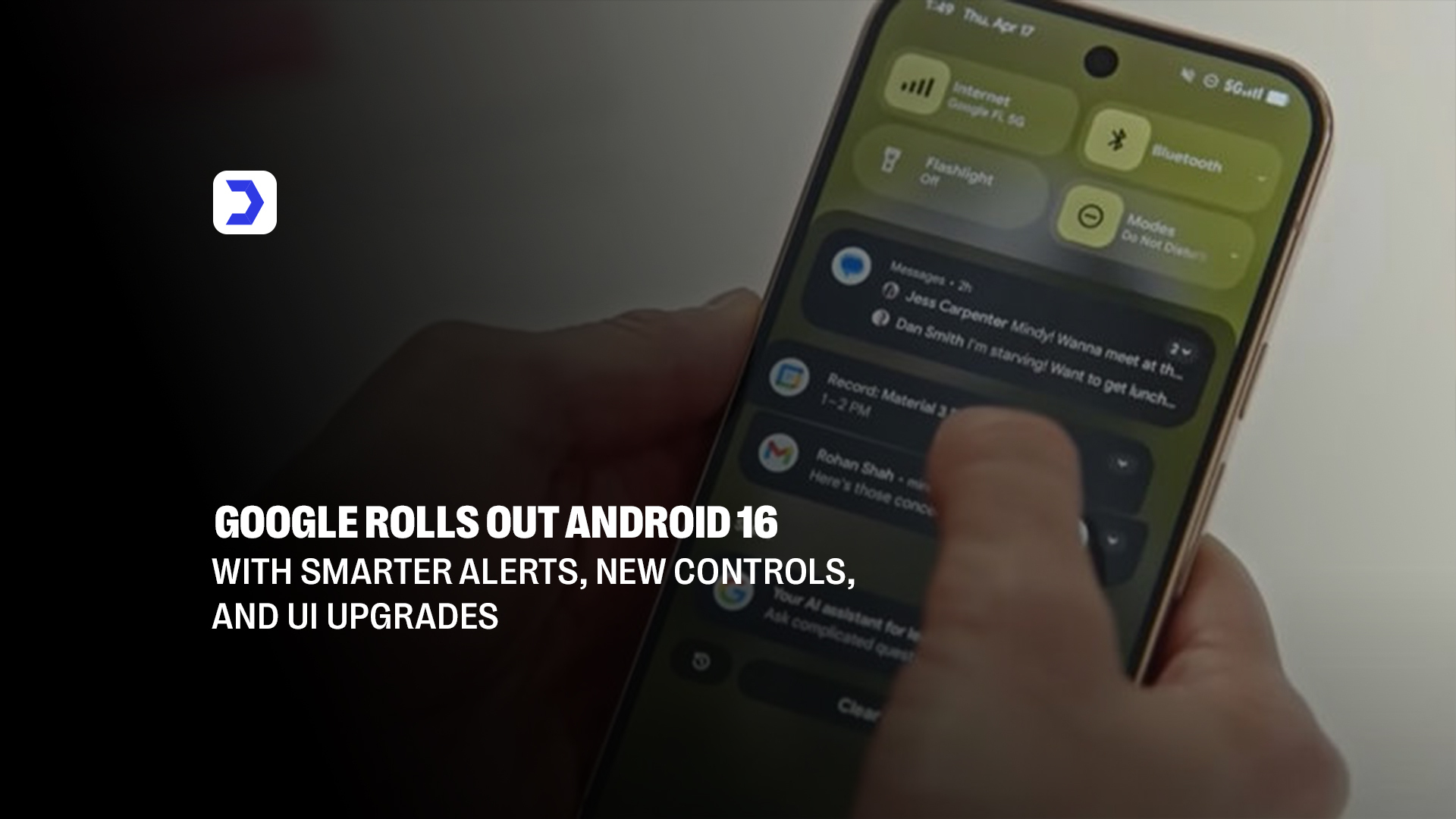
- Android 16 delivers smarter alerts, lock screen shortcuts, and smoother cross-device experiences for all supported phones.
- Google introduces AI-powered notification summaries that help users stay focused and reduce screen clutter.
- New system controls and expanded privacy dashboards allow better app permission tracking and real-time control.
- Pixel phones benefit from enhanced AI features first, including predictive app behavior and smarter alert organization.
- Cross-device support allows seamless clipboard sharing, app continuity, and faster syncing across Android devices.
- Developers benefit from a more consistent update cycle, improving stability, performance, and overall app compatibility.
- With Android 16, apps become faster, more intuitive, and better integrated into the daily user journey across devices.
Android 16 has officially landed, and with it, Google is ushering in a bold new era of smartphone intelligence. This latest iteration of the world’s most widely used mobile operating system comes loaded with smarter alerts, more personalized controls, and a polished user interface that prioritizes convenience and contextual awareness. Android 16 isn’t just an update; it’s a refined, AI-powered experience designed to anticipate user needs and streamline interaction across devices.
At the heart of Android 16 is a robust AI engine that powers everything from notification summaries to predictive app behavior. This system-wide intelligence allows users to move faster, think less about micromanaging settings, and enjoy a more fluid digital life. Whether you’re a casual smartphone user or a power user juggling tasks across your Pixel, tablet, or watch, the new version of Android delivers on both form and function.
From dynamic lock screen shortcuts to seamless cross-device continuity, Android 16 reflects Google’s commitment to building an ecosystem that feels intuitive, helpful, and secure. The update is already creating buzz, particularly among Pixel phone owners who are among the first to experience these enhancements.
Officially introduced following the wave of announcements at Google I/O 2025, Android 16 also signals the tech giant’s deeper pivot toward integrating generative AI into the smartphone core. This marks a critical step forward in Google’s broader strategy to unify machine learning, user interface design, and system performance across the entire Android ecosystem.
Pixel Devices Now Benefit from Stronger AI Intelligence Features
For Pixel phone users, Android 16 comes packed with exclusive AI enhancements that go beyond visual tweaks. The update introduces AI-generated notification summaries, an intelligent system that condenses message threads, email previews, and app notifications into short, actionable insights. This eliminates the noise and allows users to focus on what matters. These features stem from the same powerful architecture that recently pushed the boundaries of AI-assisted programming. As seen in Google’s Gemini 3 benchmark release, the AI driving Android 16 is smarter, context-aware, and natively optimized for mobile.
Additionally, Pixel phones now organize alerts by urgency, delivering silent updates in smarter ways. These AI-powered changes are not just cosmetic; they reflect Google’s growing investment in making its apps and operating system genuinely helpful, adaptive, and timely.
Behind the scenes, these improvements have been made possible through internal streamlining, where Google’s Dev Tools leadership revealed strategic changes to how AI models are trained and deployed in production environments, including Pixel firmware updates.
Android 16 Brings Broad System-Wide Features to All Android Devices
While Pixel phones get the AI spotlight, Android 16 is loaded with meaningful improvements for all Android users. These upgrades center around usability, privacy, and cross-device harmony, with smarter defaults and expanded user control.
With Android 16, users can now customize their lock screens by adding quick controls, such as enabling silent mode, launching the camera, or turning on the flashlight, without unlocking the device. A new visual editor allows drag-and-drop configuration, making it easier to match functionality with lifestyle.
The new privacy dashboard is more robust, allowing users to see which apps have accessed their data (microphone, camera, location) over the last 30 days. This transparency enables real-time permission revocation, increasing user trust and aligning with global data compliance trends.
A major win for Android 16 is its introduction of “Device Groups,” allowing seamless activity transfer across devices, including Android phones, tablets, TVs, and wearables. Clipboard sharing, app continuity, and cross-device alerts are now smoother than ever.
Under the hood, these changes are supported by backend improvements that Google introduced in its command-line extension system, ensuring developers can sync functionality across platforms with minimal friction.
Why Android’s New Release Cycle Matters
With the arrival of Android 16, it’s clear that Google is not just updating an operating system; it’s redefining how Android evolves. Moving away from a once-a-year model, Google is now embracing a more flexible release cycle that delivers updates and features throughout the year. This change allows users to benefit from new functionality, enhanced security, and performance improvements more consistently, without waiting for a major version jump.
Frequent updates also mean manufacturers can deliver system enhancements faster across a broader range of devices, not just high-end models. This reduces the long-standing problem of Android fragmentation and brings older devices closer in line with the latest Android experience. Whether you’re using a premium Pixel phone or a mid-range handset, Android 16 ensures smoother performance and more synchronized functionality across devices.
From a development standpoint, this cycle gives app creators a more stable foundation to work with. Developers can plan and build new features with greater confidence, knowing updates will roll out in smaller, manageable increments rather than disruptive overhauls. That stability leads to better apps, fewer compatibility issues, and quicker turnaround on improvements.
The faster cadence also creates space for deeper integration of AI-powered features, which are becoming central to Google’s mobile ecosystem. Smarter notifications, battery optimization, and adaptive performance enhancements are now possible without waiting for annual releases. As part of this broader shift, companies that follow Android’s direction are also evolving their approach to development. In fact, publications like Digital Software Labs continue to outline how modern release strategies, development cycles, and backend improvements are reshaping mobile technology standards across the board.
Ultimately, Android’s new release rhythm means more than just faster updates. It represents a commitment to long-term adaptability, giving users better tools, developers a clearer path, and Google a tighter feedback loop to respond to real-world usage. In a fast-moving digital world, this strategy keeps Android competitive, reliable, and future-ready.