Summary
- The rapid integration of generative models forces organizations to adopt dynamic, adaptive defense systems, as AI becomes a central component of operational infrastructure.
- Continuous Learning remains the primary defense strategy for giants like Google, who are actively refining real-time security architectures to counter evolving threat vectors.
- Proactive Security measures now prioritize agentic defense models to govern the complex, autonomous interactions between distributed cloud resources and intelligent agents.
- Unified threat governance is essential to closing visibility gaps created by multicloud environments and the proliferation of unmanaged shadow agents within corporate networks.
- Successful future-proofing relies on the ability to fuse advanced reasoning capabilities with automated threat intelligence to neutralize vulnerabilities at machine speed.
The boundary between defensive security and offensive cyber threats has become increasingly porous. As organizations race to integrate generative models into their core operations, the inherent risks, ranging from data leakage to sophisticated prompt injections- have moved from theoretical discussions to daily operational challenges. Even tech giants like Google, which possesses some of the world’s most advanced infrastructure, find themselves in a perpetual state of learning. The company is actively refining its defenses in real-time, adapting its AI architectures to combat an adversary that is just as technologically empowered as the defenders. This shift represents a move away from static, perimeter-based security toward a dynamic, agentic defense model that evolves alongside the very threats it seeks to neutralize.
For a deeper understanding of how these rapid changes are unfolding, one can follow our latest industry updates by Digital Software Labs, which document the continuous breakthroughs in security architecture. These developments are not isolated; they represent a fundamental change in how we perceive risk in a world where AI agents act autonomously across our digital infrastructure.
Multicloud Reality and the Expanding Attack Surface
The modern enterprise rarely relies on a single cloud provider. Instead, the multicloud reality, where workloads and sensitive data are distributed across various platforms, has created a fragmented and complex attack surface. While this model offers resilience and operational flexibility, it also introduces significant visibility gaps. Each cloud provider operates under its own security model, configuration logic, and identity management framework. When these environments are not unified, organizations are left with “blind spots” where security policies fail to provide consistent protection.
As AI models are increasingly deployed to interact with data across these disparate clouds, the risk profile amplifies. Generative AI workloads now introduce new data flows, API risks, and complex prompt injection vectors that require a unified approach to security. The challenge is no longer just about protecting a server; it is about governing the autonomous interactions between agents, tools, and cloud resources. Without a centralized “pane of glass” for visibility, configuration drift and inconsistent identity policies become the norm rather than the exception. Google, recognizing this, has pivoted toward a strategy that prioritizes AI-driven threat defense, integrating the reasoning power of frontier models with the contextual awareness of platform-wide security tooling.
Google’s Own Security Gaps
Even with world-class engineering, the complexity of AI integration has surfaced real-world vulnerabilities. One of the most pressing concerns identified in recent forecasts is the “Shadow Agent” crisis. This phenomenon occurs when employees deploy AI agents without corporate oversight, creating invisible pipelines that move sensitive corporate data into environments that fall outside of managed security controls. These unauthorized agents can act as backdoors, leading to IP theft, compliance violations, and data leaks before security teams are even aware of their existence.
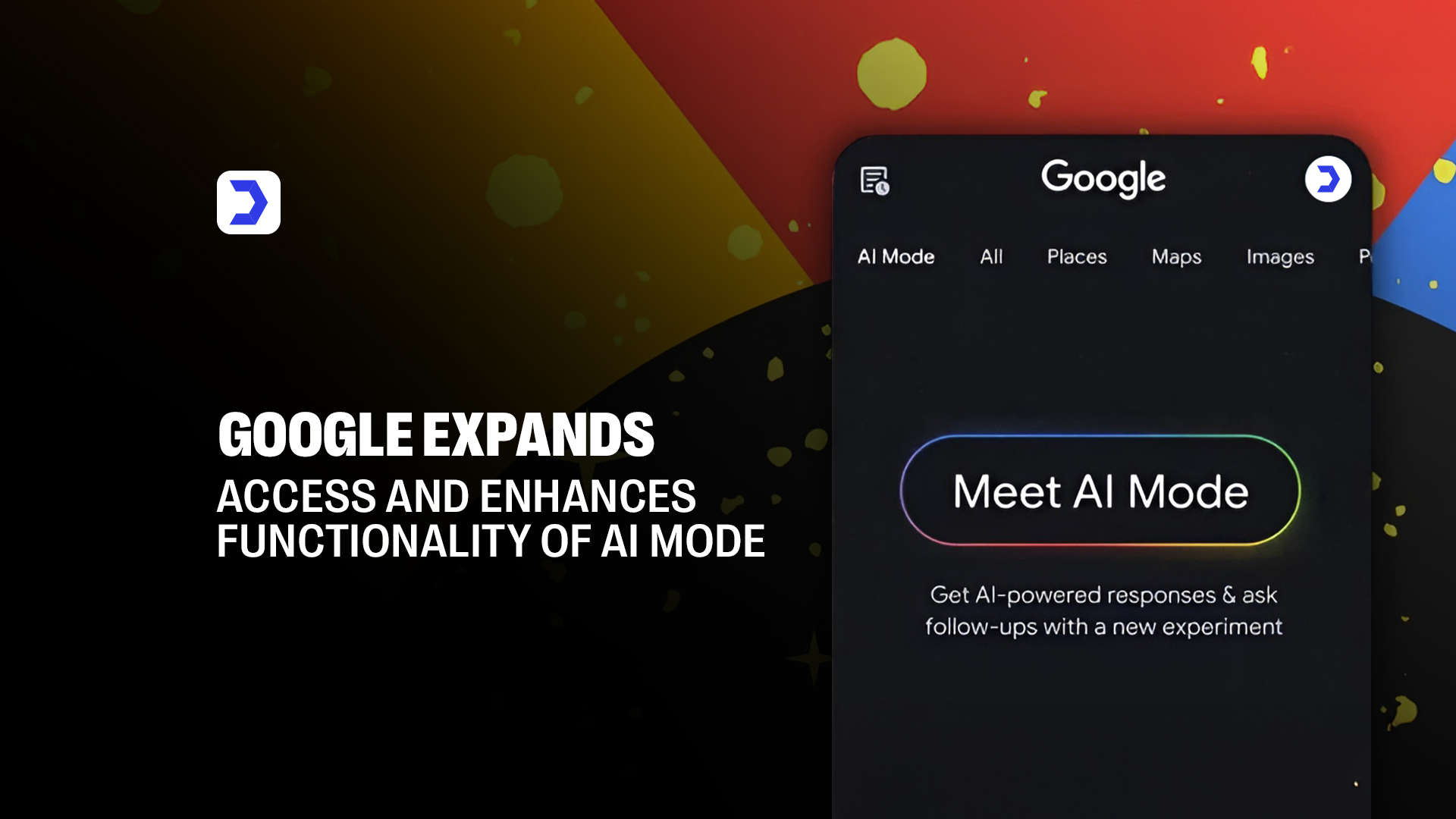
The integration of Gemini across broader ecosystems has only intensified the need for operational transparency. For instance, the recent updates regarding Google Search launching Gemini Canvas AI mode for all US users demonstrate how deeply these models are becoming embedded in the user experience. While these features enhance productivity, they also force Google and its users to grapple with how AI models handle user data, chat history, and contextual information. The learning curve is steep: the same infrastructure used for high-speed computation must now also enforce complex guardrails that prevent tool poisoning and ensure that AI agents operate strictly within the bounds of user intent. To combat these risks, Google is rolling out sophisticated features like “Agent Identity,” “Agent Gateway,” and “Model Armor,” which provide runtime protection and inline sanitization of traffic, effectively learning and patching vulnerabilities in the AI’s interaction layer as they happen.