Summary
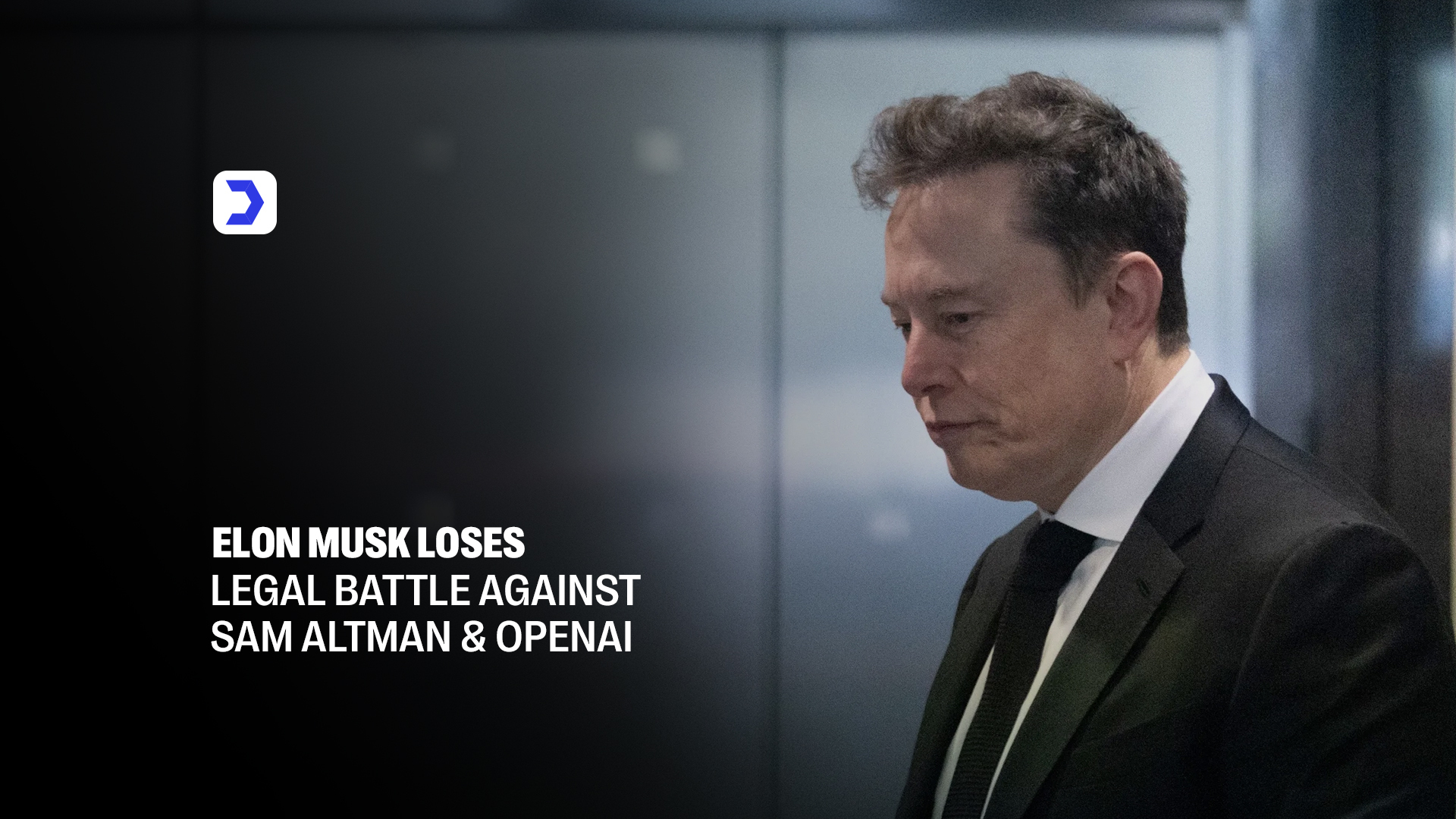
- A California federal jury unanimously dismissed Elon Musk’s $150 billion lawsuit against Sam Altman, Greg Brockman, and OpenAI.
- The court bypassed deep tech-philosophy questions, tossing the case entirely on a procedural timeline technicality because Musk waited too long to file.
- Musk claimed OpenAI betrayed its foundational open-source, non-profit mission by establishing a multi-billion-dollar commercial partnership with Microsoft.
- The definitive legal victory validates OpenAI’s Public Benefit Corporation structure, removing massive regulatory hurdles ahead of planned public market debuts.
- The resolution allows OpenAI to focus heavily on commercial enterprise growth under expanded operational leadership roles while Altman prioritizes infrastructure scale.
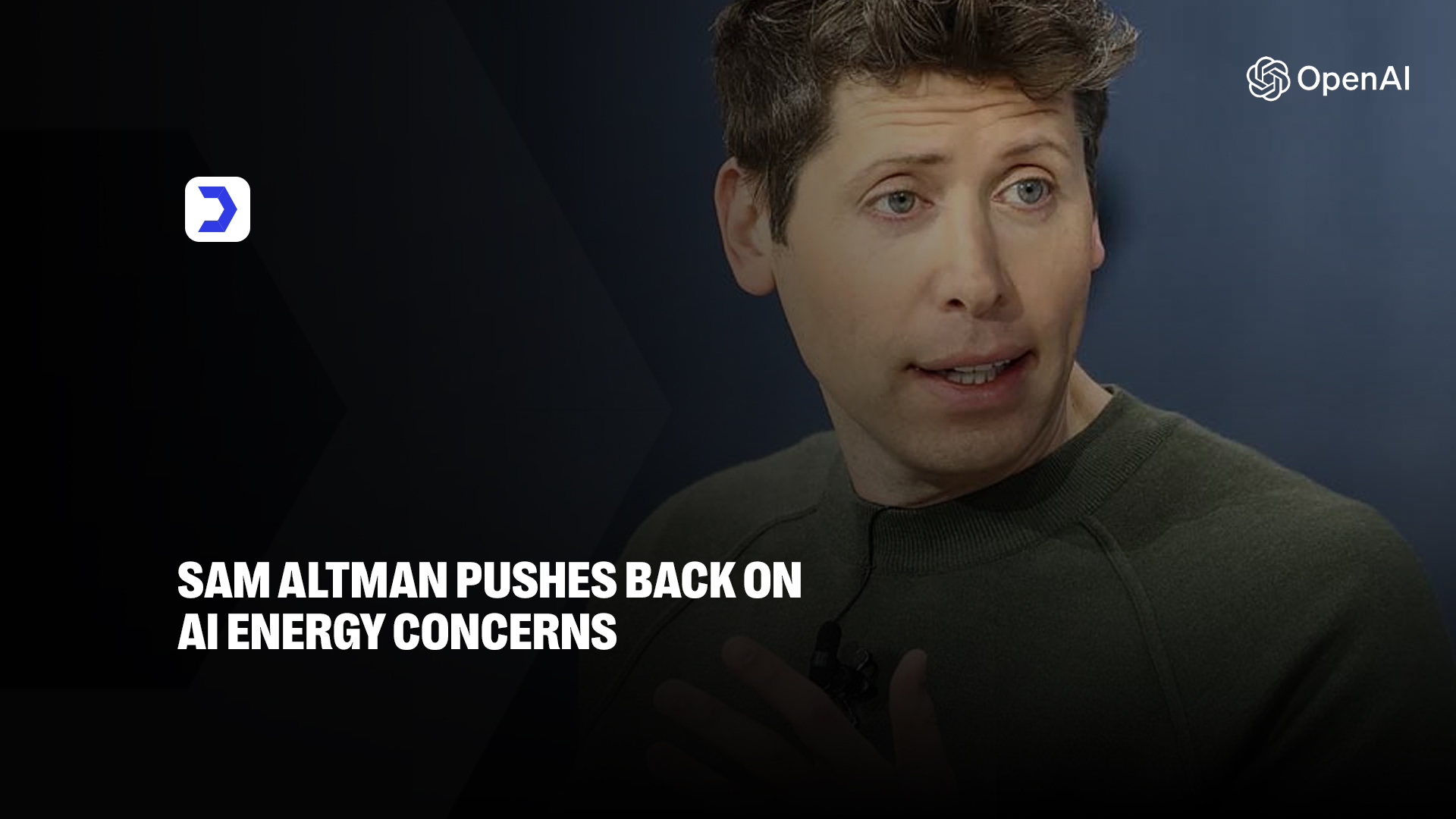
The fast-moving landscape of artificial intelligence has been reshaped not just by groundbreaking algorithms, but by intense legal battles over corporate power. Digital Software Labs tracks these defining industry shifts to help forward-thinking enterprises understand the balance between open-source tech philosophies and aggressive commercial scaling models. The highly public legal battle between tech billionaire Elon Musk and OpenAI, led by its CEO Sam Altman, reached a definitive milestone when a federal jury in California dismissed the massive $150 billion lawsuit against the artificial intelligence powerhouse.
The unanimous decision by a nine-member advisory jury marks a historic turning point in the governance of advanced tech platforms. Musk had accused Altman and OpenAI President Greg Brockman of executing a “breach of charitable trust” by abandoning the startup’s foundational non-profit mission to open-source its technology for the benefit of humanity. Instead, Musk argued, the entity morphed into a highly commercialized, closed-source machine deeply backed by tech giant Microsoft. However, the legal system focused on timing rather than tech philosophy, bringing a swift end to a three-week trial that laid bare the internal friction of Silicon Valley’s elite.
SpaceX and OpenAI fuel hopes for blockbuster tech IPOs
The resolution of this massive legal dispute does more than clear the names of OpenAI’s leadership team; it actively removes one of the most substantial regulatory roadblocks threatening the generative AI leader’s long-term commercial roadmap. Industry analysts look closely at how the removal of this multi-billion-dollar cloud clears the path for historic public debuts, as both SpaceX and OpenAI fuel hopes for blockbuster tech IPOs by the end of the year. For tech buyers, founders, and institutional financiers tracking late-stage software markets through the global Digital Software Labs News Hub, this sudden legal victory provides much-needed corporate clarity, stabilizing venture valuations across the entire decentralized enterprise software spectrum.
A legal victory of this scale dramatically simplifies the capital restructuring strategies required to take a massive artificial general intelligence (AGI) research lab public. OpenAI had already laid the corporate groundwork for this transition late last year when the firm completed its Public Benefit Corporation conversion, splitting the enterprise into a commercial corporation and a distinct non-profit foundation. Now that the courts have blocked Musk’s attempts to dismantle this setup, OpenAI can aggressively seek Wall Street listings, allowing early venture backers to trade their private stakes for liquid public shares. Simultaneously, the broader macro environment is watching a dual-track timeline unfold as Musk’s own industrial empire gears up for public market expansions. Following the absorption of his competing artificial intelligence startup, xAI, into SpaceX Corp., the aerospace giant is similarly preparing for massive public market activity. This dual-track trajectory creates an interesting dynamic where the two rival tech leaders will soon compete for investor dollars on the public stage. The dismissal of the OpenAI trial means both companies can shift their focus away from courthouse battles toward maximizing user acquisition and computing scale ahead of their upcoming market debuts.
The internal realignments needed to navigate these public market expansions are clearly reflected in recent administrative moves, such as how the OpenAI leadership restructuring brings an expanded role for COO Brad Lightcap. This shift allows the operational side of the house to focus on global commercial enterprise sales and multi-billion-dollar hardware supply chains, while Sam Altman focuses on long-term AI safety protocols and computing infrastructure scale. To understand the intense friction that played out in the Oakland federal courtroom, one must trace the history back to OpenAI’s founding in 2015, when Elon Musk, Sam Altman, and Greg Brockman established the research lab as a direct, non-profit counterweight to centralized tech monopolies like Google, promising to make its research freely available to the public. The core relationship cracked when OpenAI’s leadership realized that building frontier foundation models required massive amounts of capital and cloud infrastructure that a traditional charity could not secure, leading to the massive investment from Microsoft that ultimately sparked Musk’s claims.