Summary
- OpenAI OpCo LLC and subsidiary Statsig Inc. agreed to a $3.2 million DOJ settlement resolving allegations of hiring discrimination under the Immigration and Nationality Act during green card sponsorships.
- Federal investigators determined that OpenAI favored temporary visa holders over qualified domestic candidates during the Permanent Labor Certification (PERM) recruitment process.
- The DOJ revealed that OpenAI omitted PERM positions from its primary career site, forced applicants to send mail-in paper applications, and ran late-night radio ads to limit domestic visibility.
- The agreement requires OpenAI to pay $1.2 million in civil penalties directly to the United States Treasury and establish a $2 million back-pay fund to compensate impacted job seekers.
- OpenAI must post all future green card roles on its public job portal, accept electronic submissions, retrain personnel, and submit to semi-annual DOJ compliance monitoring.
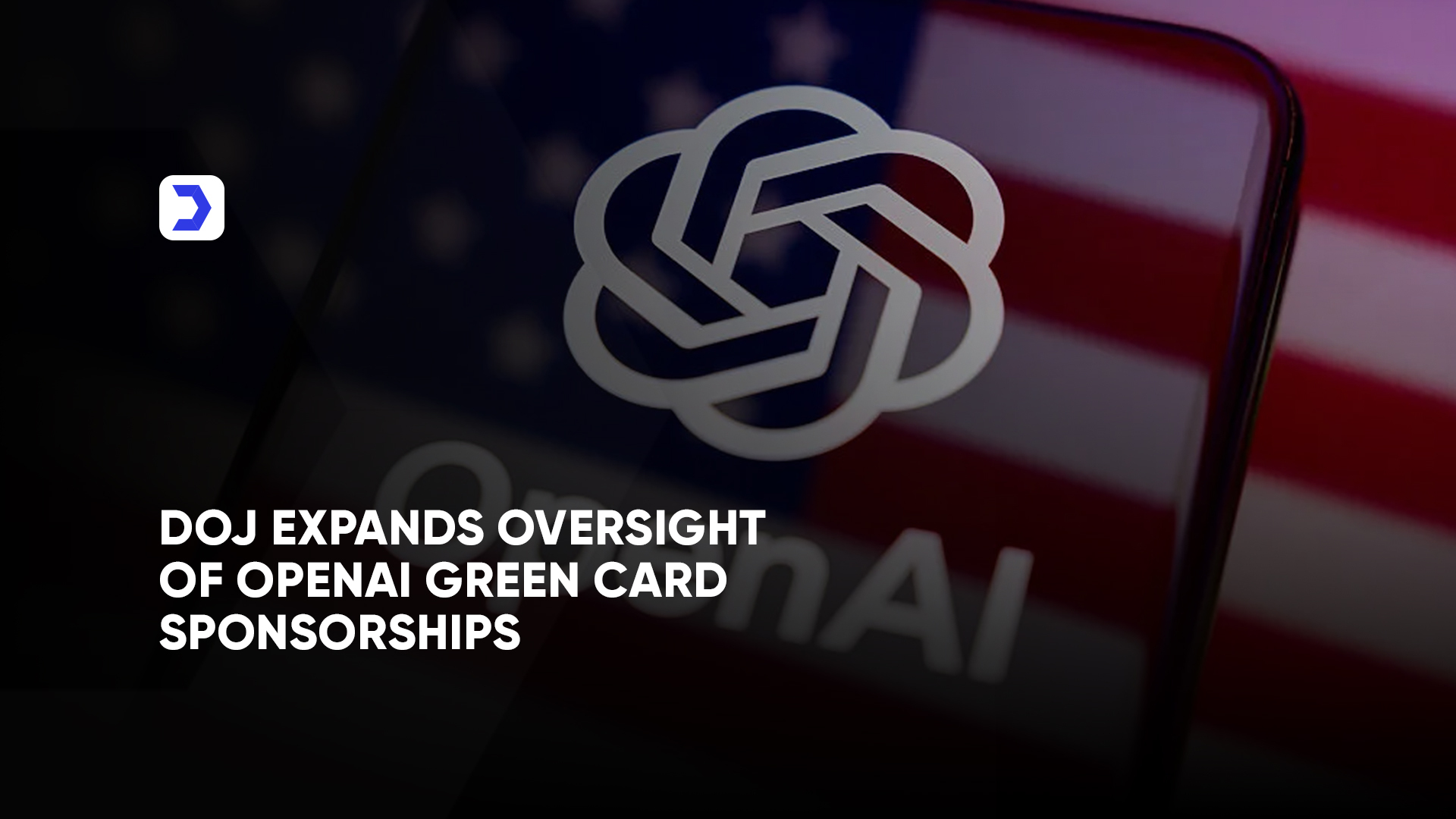
The United States Department of Justice Civil Rights Division reached a $3.2 million settlement with OpenAI OpCo LLC and subsidiary Statsig Inc. regarding allegations of discriminatory hiring tactics during foreign worker green card sponsorships. Federal investigators concluded that administrative barriers systematically disadvantaged domestic software engineers applying for technical roles subject to Permanent Labor Certification regulations. The enforcement action signals heightened regulatory pressure on enterprise AI vendors navigating federal labor law, corporate compliance standards, and specialized talent acquisition frameworks.
Federal labor regulations governing the Permanent Labor Certification process mandate that foreign worker green card sponsorship requires a transparent test of domestic employment markets. Employers must establish that qualified domestic candidates were unavailable before transitioning temporary visa holders into permanent residency tracks. The Department of Justice Civil Rights Division initiated independent inquiries after determining that specific recruitment channels deviated from standard engineering job postings.
Government findings indicated that multiple Permanent Labor Certification openings were excluded from primary public career portals. While standard software engineering requisitions accepted instantaneous digital submissions, candidates seeking permanent labor certification roles faced physical mail submission requirements. Investigators also flagged off-peak late-night radio broadcasts utilized to satisfy statutory advertising requirements. These procedural discrepancies created friction for qualified domestic software developers, ensuring temporary visa holders retained advantages during permanent residency transitions.
Corporate labor strategy shifts across emerging technical sectors remain detailed within the broader Digital Software Labs news, covering regulatory updates, enterprise software standards, and statutory compliance shifts affecting global engineering teams.