Summary
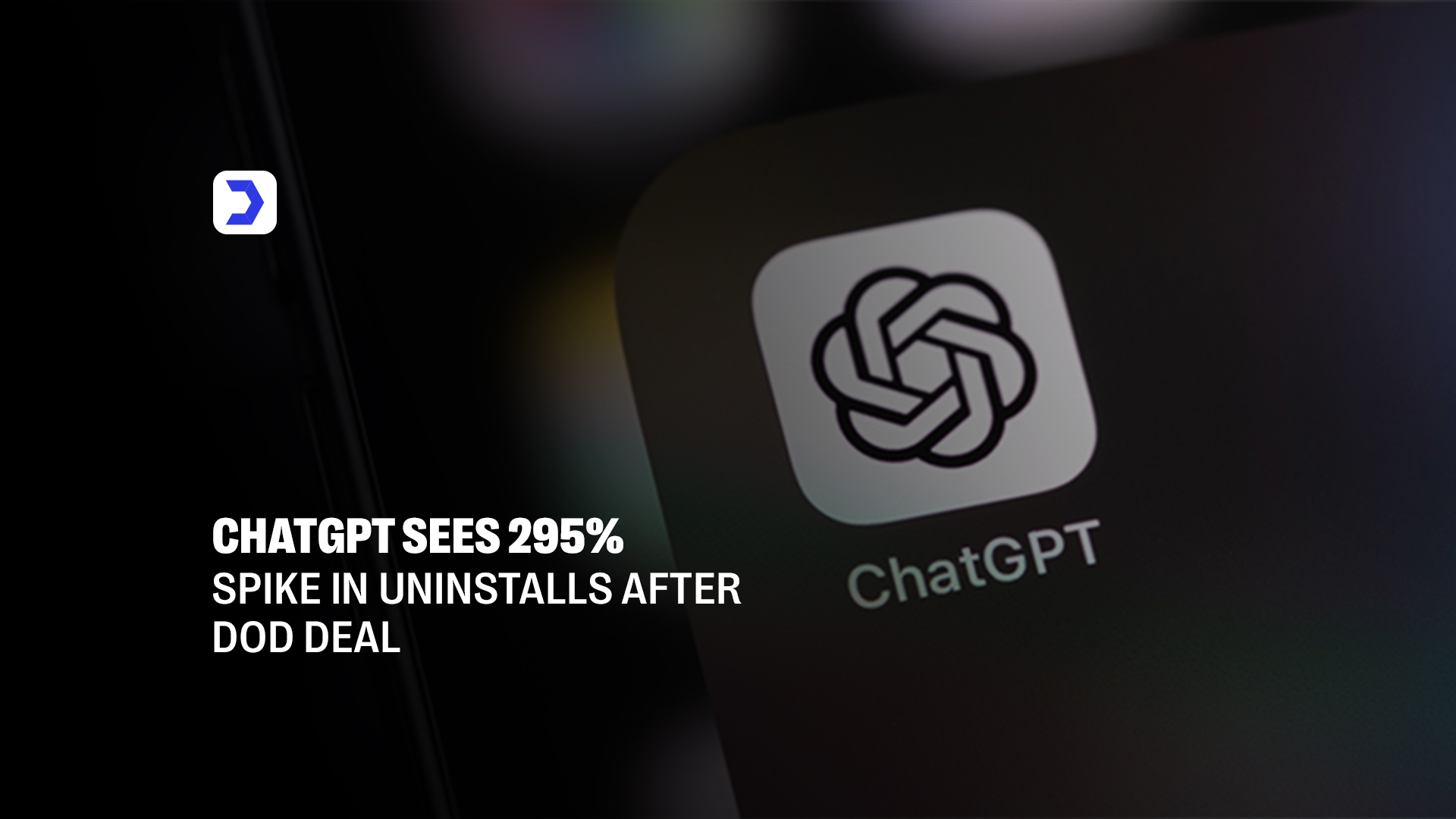
- The ChatGPT app saw a 295% increase in deletions following the Exclusive announcement of OpenAI’s partnership with the Department of Defense.
- High volumes of users are migrating to Claude due to its focus on “Constitutional AI” and perceived ethical transparency.
- Growing dissatisfaction with ChatGPT is linked to recent reports of delusional AI outputs and concerns over military data usage.
- New ChatGPT news indicates that integrated features in Android 16 and AI-powered search overviews are providing stronger alternatives to standalone apps.
- Many users are extracting their history before removing their ChatGPT download to secure intellectual property for use in competing models.
The artificial intelligence landscape is currently witnessing a historic shift in user loyalty as OpenAI faces its most significant public relations crisis since its inception. Following the high-profile announcement of a strategic partnership with the Department of Defense (DoD), the ChatGPT app has experienced a staggering 295% spike in uninstalls globally. This massive exodus reflects a deep-seated concern among the user base regarding the ethical implications of AI militarization and the perceived pivot of OpenAI from a “benefit for all humanity” mission to a government-aligned defense contractor.
For many long-term users, the decision to hit the delete button on their favorite ChatGPT download was not merely a reaction to a single headline but a culmination of growing anxieties regarding data privacy and model reliability. The industry has been under intense pressure lately as AGs warn Microsoft, OpenAI, and Google over delusional AI outputs, highlighting that these large language models often provide factually incorrect or “hallucinated” information, which can lead to legal and safety risks for consumers. This legal scrutiny, combined with the DoD deal, has created a perfect storm of distrust, leading many to believe that the platform’s focus is shifting away from safe, consumer-grade innovation toward high-stakes, opaque military applications.
In this Exclusive report by Digital Software Labs, we dive into the data showing that the ChatGPT user base is no longer willing to overlook ethical ambiguity in exchange for convenience. The trend of uninstalls is particularly high among developers, researchers, and creative professionals who originally flocked to the platform for its open-access spirit. As the ChatGPT news cycle continues to be dominated by these controversies, the company finds itself at a crossroads: adapt its transparency protocols or risk losing the very community that helped build its dominance.
Why Users Are Migrating From ChatGPT to Claude
As the “uninstall” trend gains momentum, a clear beneficiary has emerged in the form of Claude, the flagship AI model developed by Anthropic. The migration is not just a protest against OpenAI; it is a calculated move toward a platform that many perceive as being more “safety-conscious” and constitutionally grounded. Anthropic was founded by former OpenAI executives who prioritized AI safety and steerability, a value proposition that is resonating deeply with users who are currently disillusioned by the DoD contract.
The shift toward Claude is also being driven by the evolving ways we interact with mobile technology and operating systems. Users are seeking more seamless and controlled environments, a demand that is being met as Google launches Android 16 with smarter alerts, controls, and UI upgrades, giving consumers more granular power over how apps interact with their data and how notifications are managed on their devices. In this new era of hyper-control, the ethical transparency of Anthropic aligns better with the modern user’s desire for privacy. Many find that Claude offers a more nuanced, less repetitive writing style and a vastly superior context window, allowing for the analysis of massive documents without the “forgetfulness” often criticized in other models.
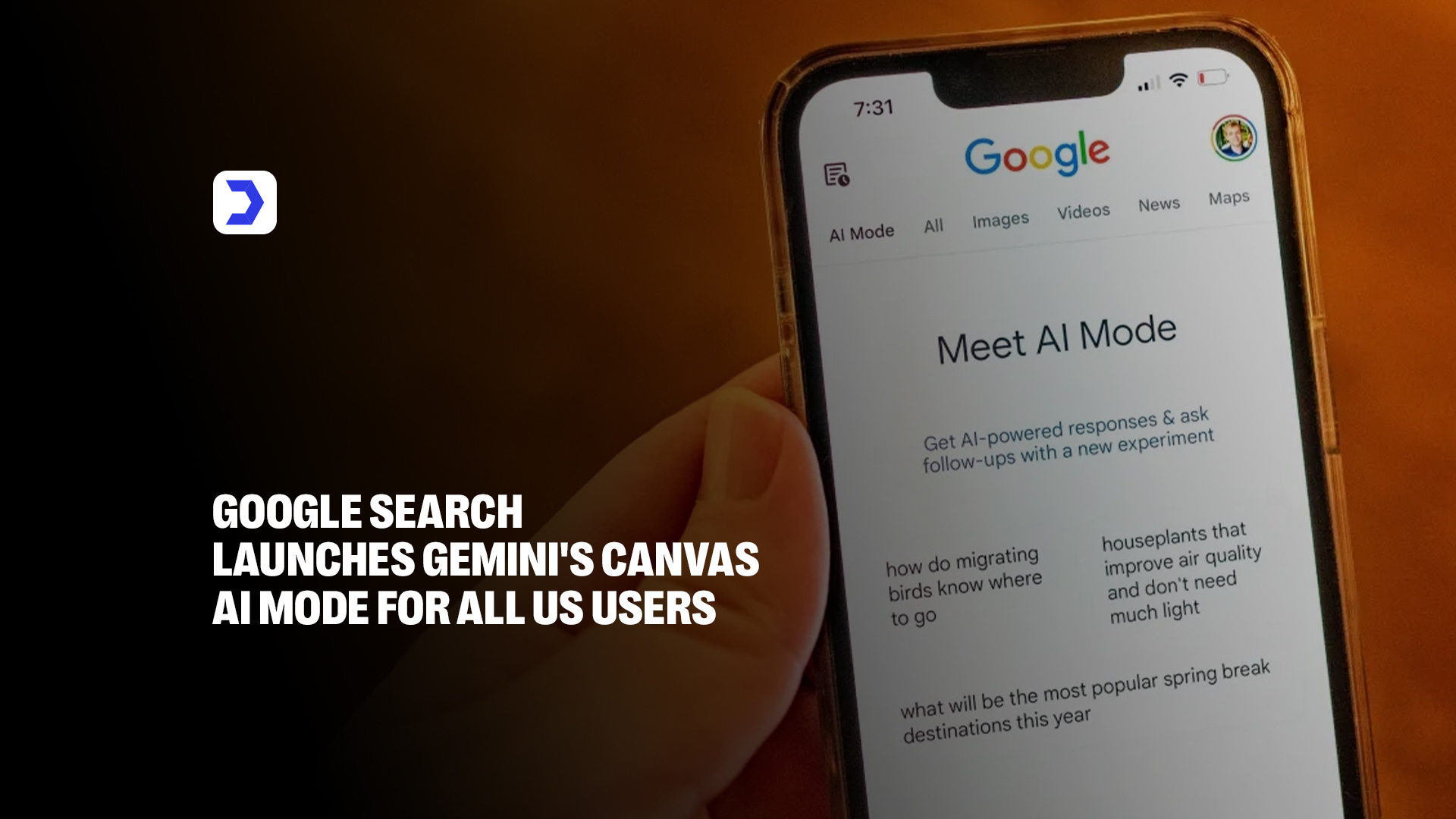
Furthermore, the competitive landscape is being reshaped by how these AI tools are integrated into our primary search habits. The migration away from a standalone ChatGPT experience is being accelerated because Google begins testing unified AI overviews and AI mode experience, which effectively streamlines the search process by merging traditional search results with generative AI summaries directly in the browser. As search becomes more “AI-native,” users find less reason to maintain a separate ChatGPT app, especially one associated with controversial defense contracts, when they can access similar, if not more grounded, information through their existing Google or Anthropic workflows.
Ultimately, the choice to move to Claude represents a flight to quality and ethics. For those who rely on AI for professional output, the stability and “Constitutional AI” framework of Anthropic provide a sense of security that OpenAI is currently struggling to maintain. As the ChatGPT news environment stays volatile, the growth of Claude serves as a reminder that in the tech world, user trust is a fragile currency that is easily spent but difficult to earn back.
How to extract data from ChatGPT?
For the millions of users participating in the mass uninstall, the first logical step before removing the ChatGPT app is securing their intellectual property and conversation history. Years of brainstorming, coding, and research are stored within these accounts, and losing that data would be a significant setback. Fortunately, OpenAI provides a standardized way for users to request a full export of their data, ensuring that your digital footprint can be moved or archived before you transition to other platforms.
To extract your data, you must navigate to the “Settings” menu within the web interface or the mobile app. Under the “Data Controls” section, you will find an option to “Export Data.” Once you confirm the request, the system will compile your entire history, including conversations, feedback, and settings, into a downloadable file. This file is typically sent to your registered email address as a link. This process is vital for anyone who plans on moving their workflows to Claude or other local LLMs, as it allows you to maintain a record of your previous prompts and successes.
Staying updated on these data rights and the latest shifts in the industry is essential for any digital professional. To ensure you never miss a beat on how these platforms are evolving, you can always visit the official Digital Software Labs news section, where we provide continuous analysis on AI privacy, technical updates, and software trends. Whether you are looking for a new ChatGPT download or exploring alternative frameworks, understanding how to manage your data is the most important skill in the modern AI era.