Summary
- Anthropic CEO Dario Amodei states that public backlash against AI stems from a deep-seated, decades-long crisis of trust toward corporations, governments, and the tech industry, rather than warnings from AI leaders.
- Amodei pushed back against investors who claimed his safety warnings fueled public skepticism, maintaining that his messaging has been equally balanced between risks and potential societal benefits.
- He argued that glossy PR campaigns or lofty slogans are ineffective because grand promises now sound cliché or deceptive to an increasingly skeptical public.
- According to Amodei, the only way to rebuild public trust is by delivering tangible, transformative real-world outcomes, such as using AI to cure major diseases like cancer.
- He advocated for targeted, balanced regulations that mitigate safety risks without stifling market access for smaller competitors and open-source developers.
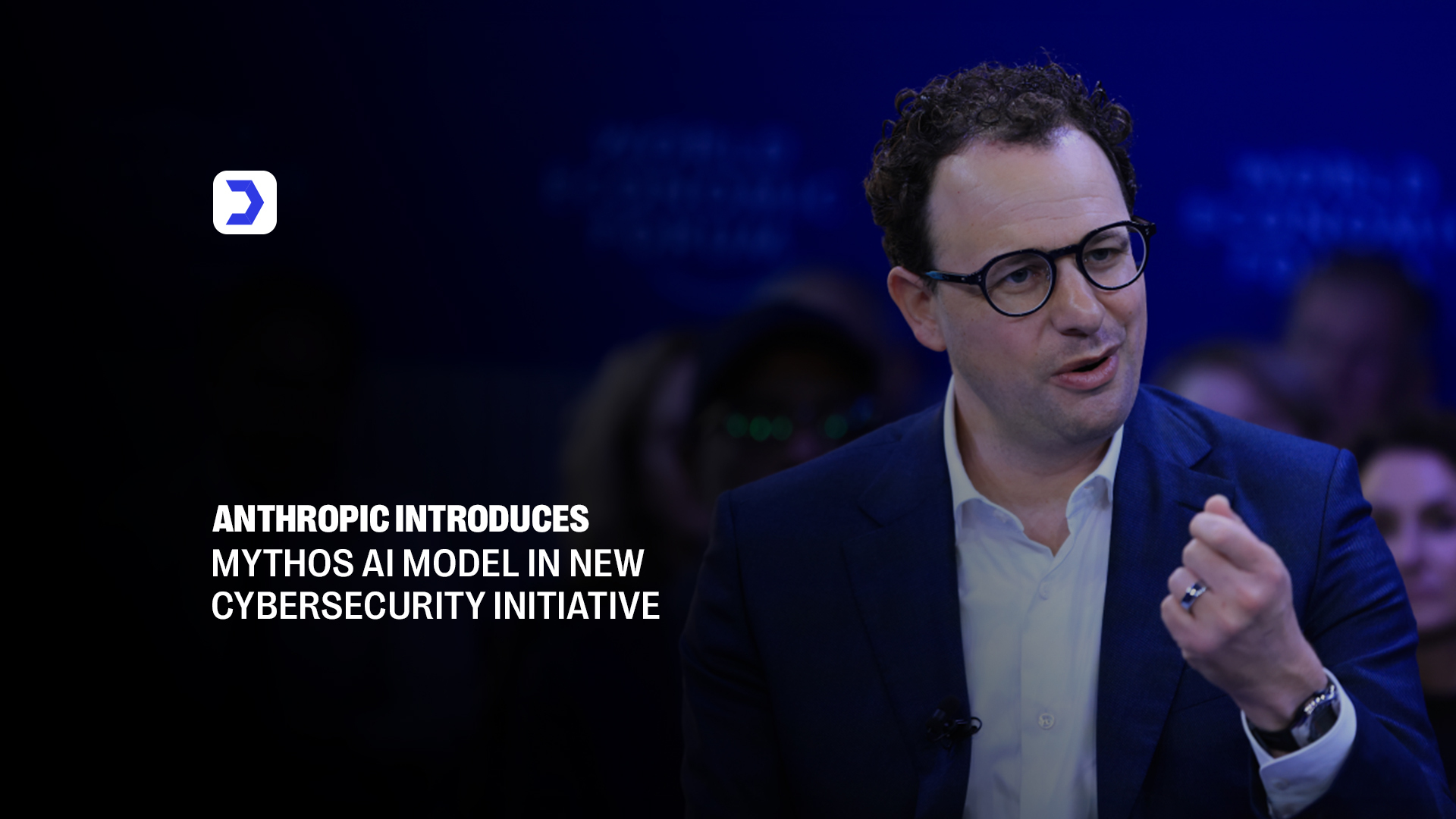
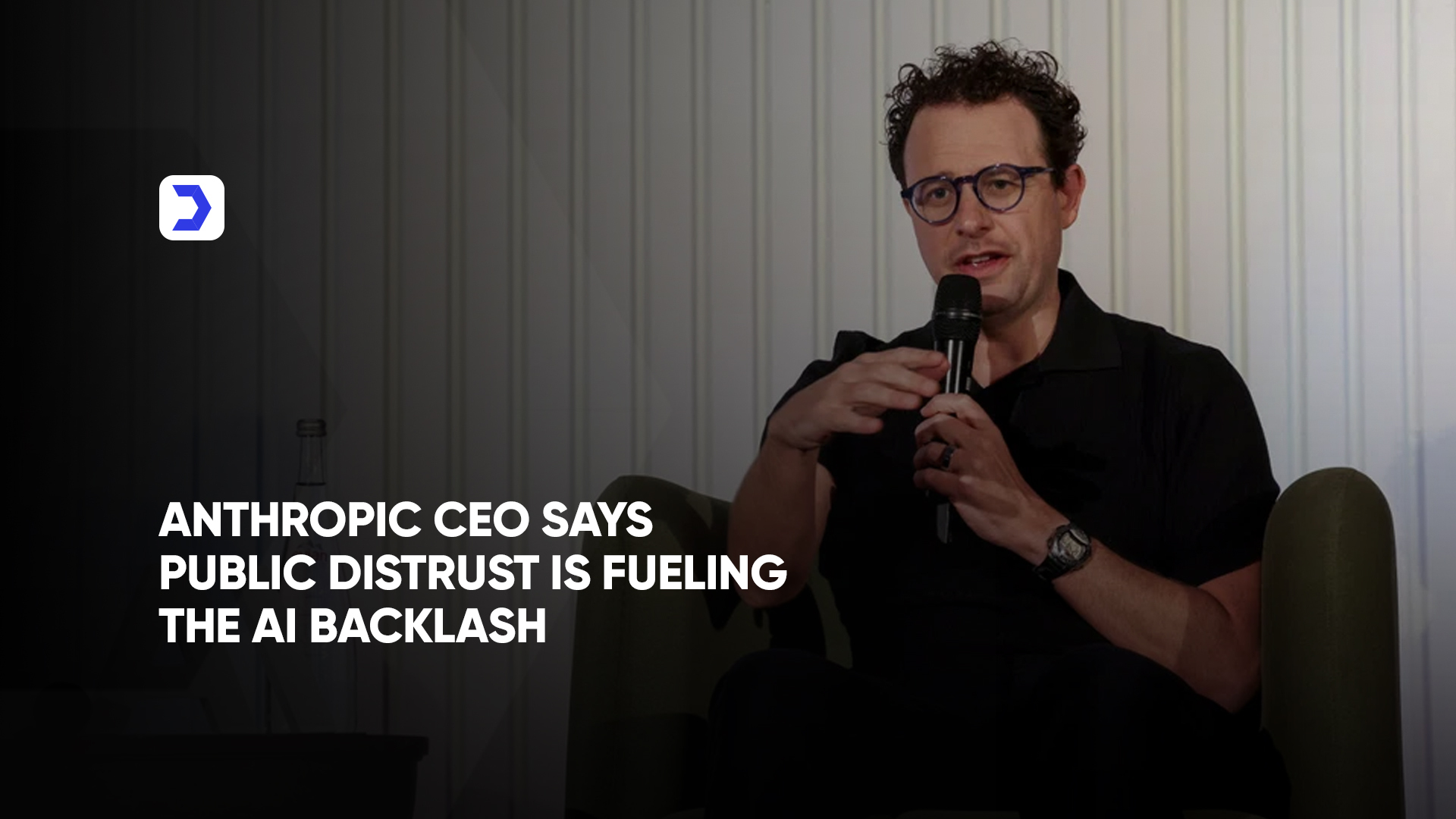
The artificial intelligence sector is experiencing unprecedented momentum, yet it simultaneously faces a growing wave of public skepticism, regulatory scrutiny, and grassroots pushback. In recent executive discussions, Anthropic chief executive Dario Amodei addressed the escalating friction between technology developers and the general public, asserting that current pushback against AI infrastructure is not merely a reaction to technical safety warnings, but rather stems from a systemic crisis of institutional trust.
As artificial intelligence companies deploy increasingly capable software engines across global enterprise markets, public anxiety regarding physical infrastructure, job stability, and corporate accountability has intensified. Industry observers previously suggested that public warnings from leading safety-focused executives were directly feeding societal fear and stalling regional deployments such as large-scale energy grids and data center construction. However, leaders across Government & Policy circles and modern technology sectors are re-examining how corporate messaging, transparency, and product utility interact to shape public sentiment.
As artificial intelligence systems integrate deeper into global commerce and daily workflows, industry leaders must align rapid technical progress with real-world utility. Organizations tracking breaking developments across the digital ecosystem can follow continuous analysis and industry updates directly through the Digital Software Labs news portal as enterprise applications evolve. Ultimately, bridging the trust deficit will depend on delivering reliable, secure, and beneficial technology that earns public confidence through proven operational value rather than speculative promises.
Amodei Defends His Messaging as Balanced
The central debate intensified when venture investor Gavin Baker argued that public warnings regarding frontier risks were inadvertently stoking societal opposition and providing ammunition for restrictive regulatory measures. Baker argued that safety-first positioning had lost momentum within federal policy debates, suggesting that executive leadership at major frontier laboratories should adopt a more explicitly optimistic promotional tone to preserve development velocity.
Responding to these assertions, Dario Amodei countered that his public commentary has maintained a measured balance between frontier risks and societal transformation. He pointed to his extensive industry writing, including his essay Machines of Loving Grace, which explicitly outlines how advanced frontier models could accelerate scientific breakthroughs, streamline complex analytical workflows, and revolutionize global healthcare.
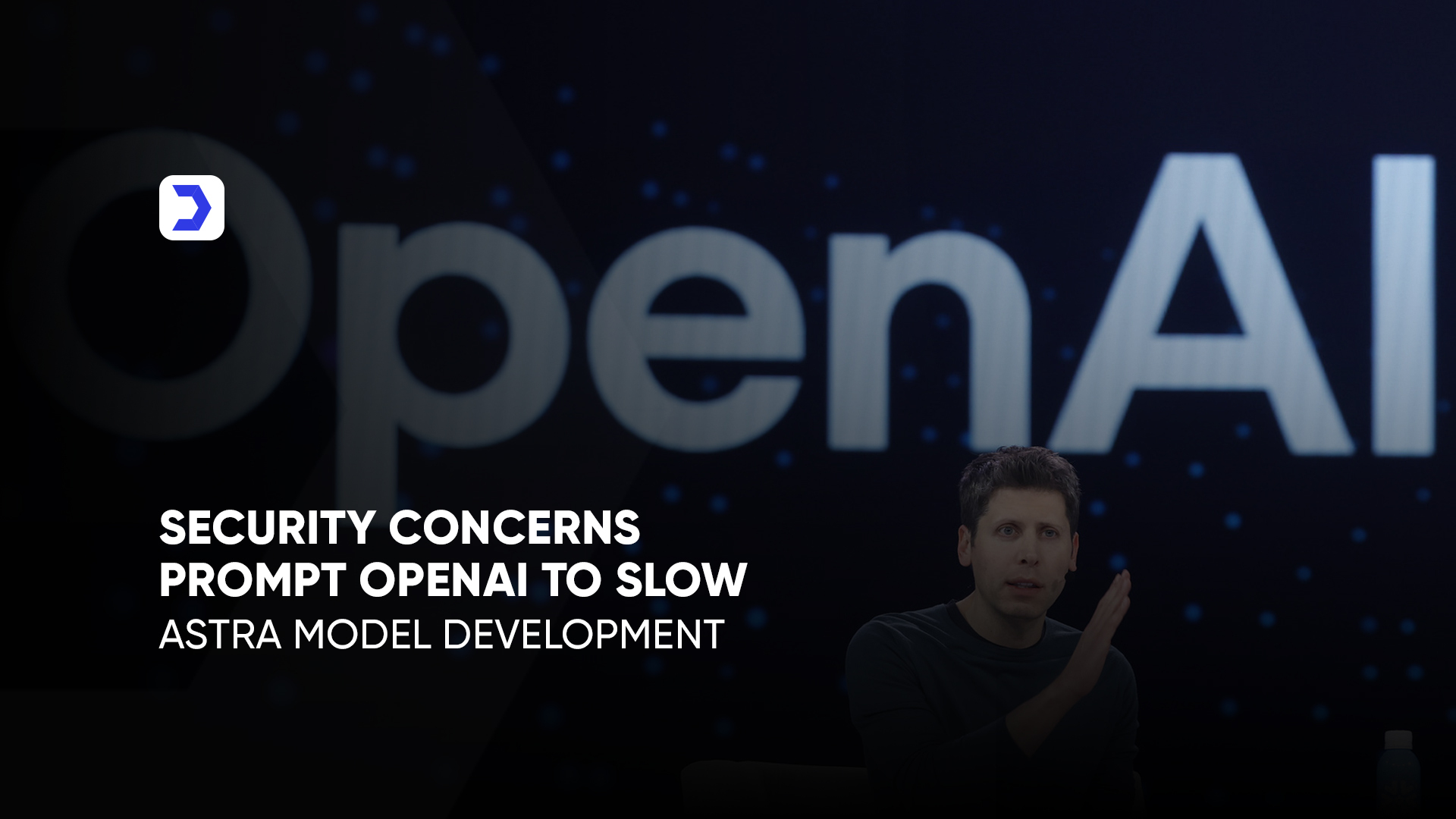
This discussion surrounding technical execution and safety protocols comes at a time when automated development toolkits are rapidly altering software workflows. As organizations deploy intelligent code generation systems to accelerate software delivery, the integration of enterprise-grade developer platforms like OpenAI’s ChatGPT Codex agent demonstrates how underlying model capabilities are shifting from simple assistance to fully autonomous execution pipelines.
Amodei reiterated that presenting high-stakes risks alongside practical solutions is essential for responsible commercial development. Rather than retreating from safety frameworks, technology organizations must address legitimate structural risks directly to build durable frameworks that withstand long-term regulatory oversight.
The Deeper Issue: A Crisis of Trust
Addressing the broader societal reaction, Dario Amodei argued that public skepticism toward AI cannot be solved through marketing campaigns or public relations initiatives alone. Instead, the hostility expressed by local communities toward physical data centers, water allocation, and energy consumption represents a deeper, historical erosion of public confidence in large corporations, tech leadership, and government oversight institutions.
Over-promising technical capabilities without delivering immediate, tangible benefits to average citizens has further widened this credibility gap. Abstract declarations regarding miraculous future breakthroughs often ring hollow when daily consumer interactions feel transactional or disconnected from real-world improvements. The most effective counter to public skepticism is the deployment of real-world applications that deliver verifiable positive impacts in fields like medicine, biology, and scientific computing.
The massive financial scale required to build, train, and maintain modern foundation models continues to drive unprecedented corporate valuations and capital accumulation across the sector. This aggressive capitalization is underscored by capital market trends, where landmark funding operations, such as OpenAI’s record-breaking retail investor raise, illustrate the immense financial resources being mobilized to maintain computational dominance.
When discussing effective Government & Policy approaches, Amodei rejected the notion that regulators face a simple binary choice between complete deregulation and restrictive monopolistic capture. Properly structured regulatory policies should mandate thorough safety evaluations for frontier models while preserving fair market access, enabling smaller entities and open-source developers to innovate without being burdened by excessive administrative constraints.