Home / Blog / What is Web 3.0?

Table of Contents

What is Web 3.0?

Web 3.0

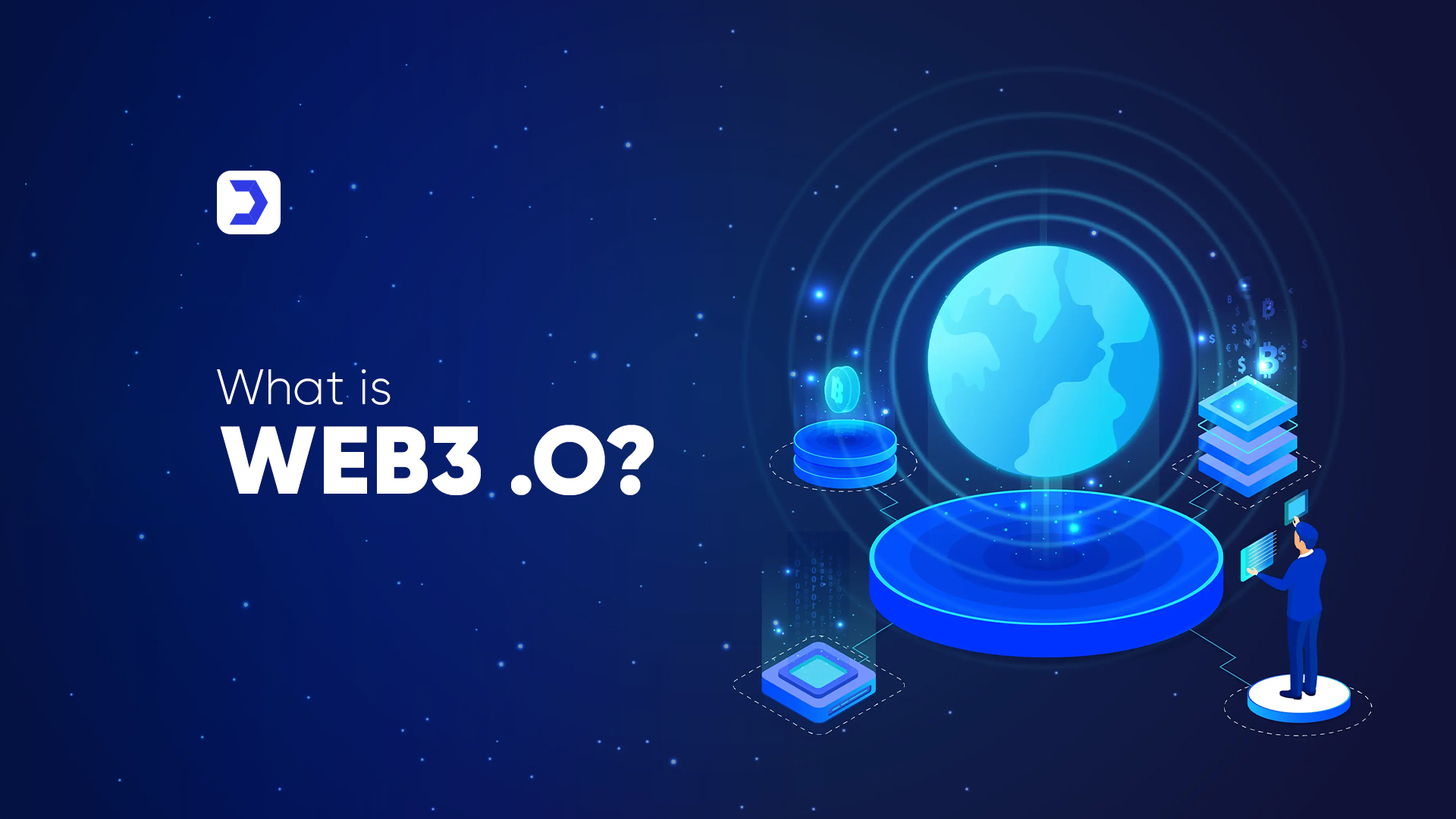
The internet has evolved several times since its inception, with the most recent creation, Web 3.0, offering a more decentralized, secure, and knowledgeable online experience. While Web 1.0 prioritized static content and Web 2.0 includes interaction and social media, Web 3.0 aims to give users more control over their data by utilizing blockchain, artificial intelligence, and decentralized networks.

As the discussion over Web2 vs. Web3 prepares, it is critical to understand how the Internet is changing and what Web 3.0 means for users and companies.

Versions of the Web

The internet has undergone significant changes over the decades, evolving through different phases. Each version introduced new capabilities and transformed how people interact with digital content.

Web 1.0

Web 1.0, sometimes known as the “Static Web,” was the initial internet generation. It started in the 1990s and comprised primarily static websites with little interactivity. Users could only read the text; no comment sections, social networking sites, or dynamic online apps existed. Websites were read-only, and communication was primarily one-way, with businesses providing information to customers without demanding direct involvement.

Web 2.0

Web 2.0, often called the “Social Web,” promoted user-generated content, engagement, and collaboration. This phase of the internet, which began in the early 2000s, saw the rise of social networking platforms, blogs, and cloud-based applications. Platforms like Facebook, YouTube, and Twitter enabled users to create and share content, resulting in a more participatory online experience. However, the Web2 vs. Web3 discussions raise worries about data privacy, as huge corporations gained control of user information, monetizing personal data for targeted advertising and business analytics.

Web 3.0

Web 3.0, or the “Decentralized Web,” represents the next phase of Internet evolution. Unlike Web 2.0, where centralized platforms control user data, Web 3.0 leverages blockchain technology to provide a more open and secure Internet experience. It aims to decentralize control by giving users ownership of their digital identity and data. In addition to blockchain, Web 3.0 integrates artificial intelligence (AI), machine learning, and semantic web technology to create a more intelligent and personalized internet.

What Technologies Support Web 3.0?

Several advanced technologies power Web 3.0, making it more secure, decentralized, and user-friendly. These technologies include:

Blockchain Technology

A decentralized ledger that ensures secure transactions, data transparency, and trustless interactions between users.

Decentralized Finance (DeFi)

Financial applications built on blockchain that eliminate the need for traditional intermediaries like banks.

Artificial Intelligence (AI) and Machine Learning

AI-driven algorithms that improve search accuracy, automate processes and offer personalized content recommendations.

Semantic Web

A system that enhances data interoperability by making web content machine-readable, improving search efficiency.

Smart Contracts

Self-executing contracts that run on a blockchain, automating agreements without intermediaries.

Edge Computing and Decentralized Storage

Distributed computing models that reduce reliance on centralized data centers, improving speed and security.

How is Web 3.0 Different from Web 2.0?

The discussion over Web2 vs Web3 centers around data control, security, and decentralization. Here’s how Web 3.0 differs from Web 2.0:

Decentralization:

Unlike Web 2.0, which relies on centralized servers and platforms, Web 3.0 runs on a decentralized network, giving consumers more control over their data.

Data Ownership:

In Web 2.0, IT giants gain and commercialize user data, whereas Web 3.0 ensures that people own and control their information using blockchain technology.

Security and Privacy:

Web 3.0 improves privacy by implementing encryption and decentralized authentication, lowering the danger of data leaks.

Trustless Transactions:

Web 3.0’s blockchain-based smart contracts enable transactions and agreements without intermediaries, lowering fraud and operational expenses.

Artificial Intelligence:

Unlike Web 2.0, which relies primarily on human inputs, Web 3.0 uses AI and machine learning to improve personalization and automate decision-making.

Conclusion

As the internet evolves, Web 3.0 offers a hopeful future where decentralization, artificial intelligence, and blockchain provide a more secure and user-centered experience. Unlike Web 2.0, which is controlled by centralized systems, Web 3.0 gives consumers more control over their data, ensuring privacy and security. As businesses and developers adjust to these changes, the move from Web2 to Web3 will reshape how users interact with digital material, transact, and participate in online communities. Companies like Digital Software Labs are at the forefront of this transformation, offering custom software development and AI solutions to help businesses navigate the complexities of digital transformation in the Web 3.0 era.
Let’s build something
great together.
By sending this form, I confirm that I have read and accepted the Privacy Policy.

Let’s build something
great together.

By sending this form, I confirm that I have read and accepted the Privacy Policy.

ClickBasket — AI-Powered Smart Retail Platform

Intelligent digital retail ecosystem —

Transforming online shopping through predictive recommendations, behavioral insights, and conversational AI assistance.

Services —

Overview —

ClickBasket was developed as a next-generation online retail platform powered by artificial intelligence.

We implemented a machine learning-driven recommendation engine capable of analyzing user preferences, browsing behavior, and purchasing history to deliver highly relevant product suggestions.

The system integrates intelligent search, automated product categorization, and a conversational shopping assistant that guides customers through discovery and checkout. Retail analytics tools provide business owners with actionable insights into purchasing trends and customer lifetime value.

Higher
Conversions

Through personalized recommendations

Improved
retention

Driven by AI personalization

Scalable
infra

Supporting peak seasonal traffic

Reduced
abandonment

Want similar results for your business?

Engaging with 1 billion
users,
across the
Google portfolio.

Overview —

AI personalization engine.
Delivered smart product recommendations in real time.

Predictive search upgrade.
Enhanced product discovery through behavioral insights.

Conversational AI integration.
Added a virtual assistant for guided shopping journeys.

Retail analytics deployment.
Enabled data-driven inventory and sales decisions.


Let’s Connect!

We specialize in developing eye tracking-based digital biomarkers, revolutionizing the way we understand and monitor cognitive processes in real-time.We specialize.

MyFitnessPal — Scalable Health & Wellness Optimization

Digital health performance enhancement —

Supporting millions of users with faster tracking, reliable integrations, and seamless wellness data synchronization.

Services —

Overview —

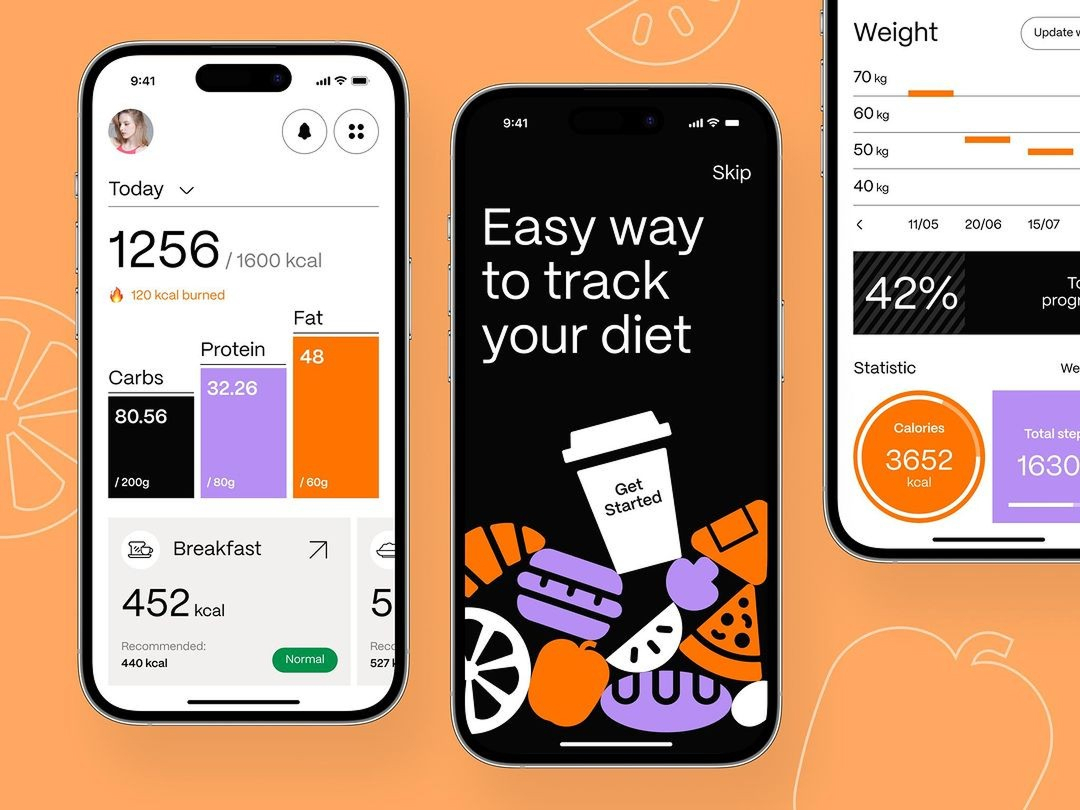
For a globally recognized health and nutrition platform, our focus was on performance scaling and ecosystem reliability.

We optimized backend systems to handle high volumes of nutritional logs, exercise tracking, and wearable device data. Enhancements improved synchronization speed between devices and the app, ensuring users received accurate, real-time health insights.

Additionally, we refined user experience flows to reduce friction in daily tracking habits, making calorie logging, macro tracking, and fitness monitoring faster and more intuitive.

35%+

Improvement in app responsiveness

Daily
Consistency

Consistent Tracking

Sync
latency

Improved route optimization efficiency

User
ratings

Across app stores

Want similar results for your business?

Engaging with 1 billion
users,
across the
Google portfolio.

Overview —

Performance enhancement initiative.
Optimized backend systems for high-volume health tracking.

Seamless device integration.
Improved real-time sync with wearables and APIs.

User experience refinement.
Simplified logging for faster daily tracking.

Infrastructure scaling.
Strengthened reliability to support global users.

Let’s Connect!

We specialize in developing eye tracking-based digital biomarkers, revolutionizing the way we understand and monitor cognitive processes in real-time.We specialize.

Marketly — Creator-Driven Digital Marketplace

Scalable creator commerce ecosystem —

Enabling creators to monetize content, connect with audiences, and scale digital businesses seamlessly.

Services —

Overview —

Marketly was built as a creator-first digital marketplace designed to simplify how independent creators sell products and digital assets to their communities.

We developed a scalable commerce infrastructure supporting digital downloads, physical goods, subscription services, and audience engagement tools. The platform includes intuitive storefront management, real-time sales analytics, and performance tracking dashboards.

The goal was to create an ecosystem where creators could operate like full-scale businesses, with automation, insights, and smooth transaction flows driving sustainable growth.

User
Adoption

Across multiple creator categories

Market
Retention

Through personalized discovery

Scalable
Pay

Infrastructure availability

40%+

Increase in creator transaction volume

Want similar results for your business?

Engaging with 1 billion
users,
across the
Google portfolio.

Overview —

Creator-first ecosystem launch.
Built a marketplace tailored to independent digital entrepreneurs.

Unified commerce integration.
Combined storefronts, payments, and analytics into one platform.

Scalable transaction framework.
Supported growing user and product volumes without friction.

Revenue growth enablement.
Equipped creators with tools to monetize sustainably.

Let’s Connect!

We specialize in developing eye tracking-based digital biomarkers, revolutionizing the way we understand and monitor cognitive processes in real-time.We specialize.

Uber — AI Infrastructure for Intelligent Mobility

Advanced mobility intelligence platform —

Powering real-time transportation decisions through scalable AI, predictive analytics, and intelligent automation.

Services —

Overview —

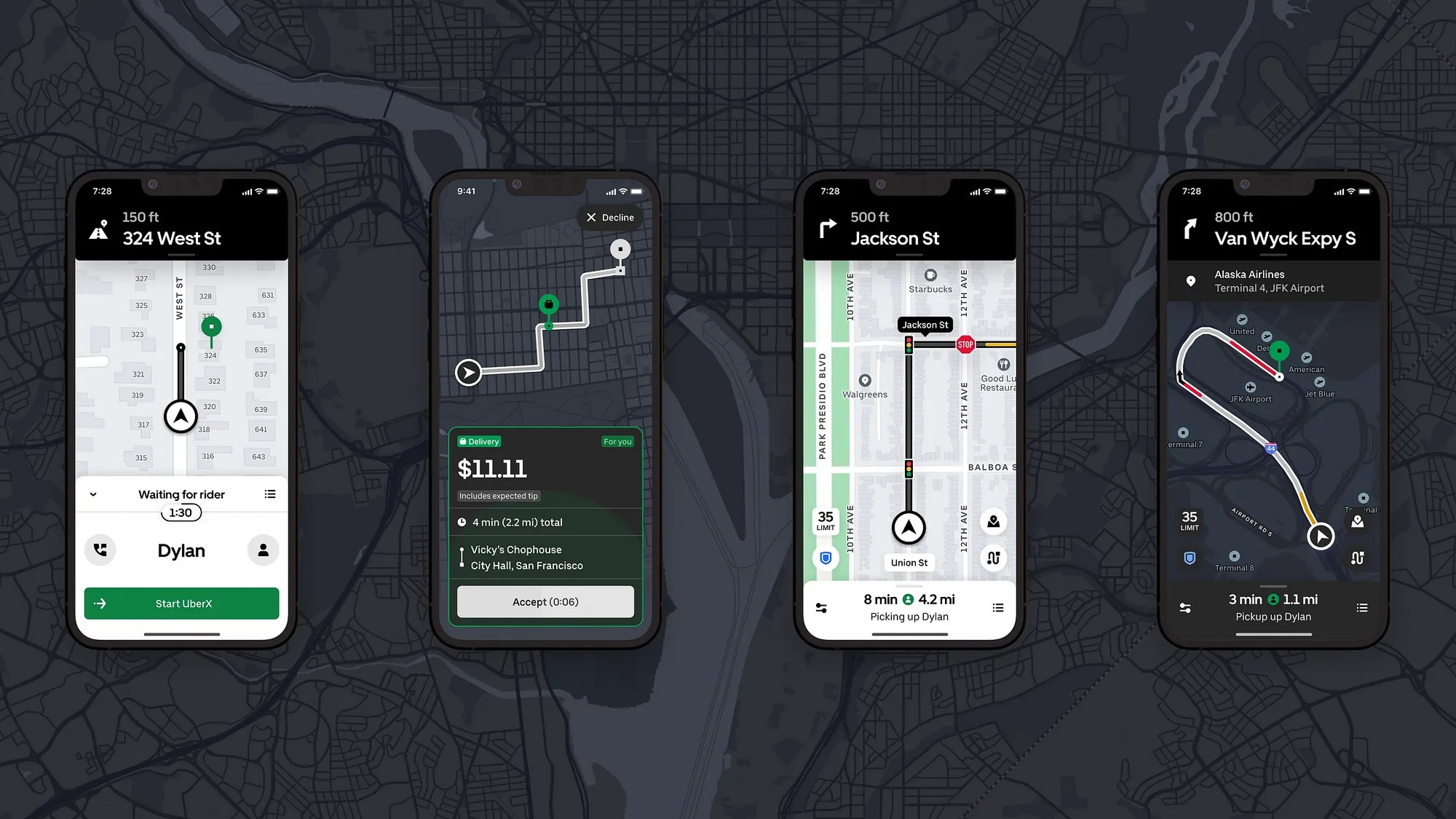
For a global mobility leader, we engineered a robust AI infrastructure designed to process large-scale transportation data and convert it into actionable intelligence.

Our solution focused on real-time ride demand prediction, traffic behavior analysis, and automated operational decision-making. By building scalable data pipelines and intelligent modeling frameworks, we enabled faster dispatch logic, improved driver allocation strategies, and optimized route efficiency.

The platform was built with elasticity in mind, capable of handling fluctuating demand volumes while maintaining speed, stability, and security across regions.

1B+

Data events processed annually

30%+

Faster operational decision cycles

25%

Improved route optimization efficiency

99.99%

Infrastructure availability

Want similar results for your business?

Engaging with 1 billion
users,
across the
Google portfolio.

Overview —

Predictive mobility intelligence.
Shifted operations from reactive dispatching to AI-powered demand forecasting.

Real-time data automation.
Enabled instant decision-making through high-speed analytics pipelines.

Global scalability upgrade.
Built cloud infrastructure capable of handling massive ride volumes seamlessly.

Operational efficiency boost.
Reduced manual processes with intelligent automation systems.

Let’s Connect!

We specialize in developing eye tracking-based digital biomarkers, revolutionizing the way we understand and monitor cognitive processes in real-time.We specialize.