In the modern corporate landscape, visual project management has transitioned from a luxury to a fundamental necessity for operational success. Building a Trello clone solution means providing teams with a spatial way to organize ideas. Digital Software Labs specializes in delivering these high-performance systems.
A professional Trello clone app development project allows businesses to own their data and customize workflows beyond the limitations of third-party SaaS options. By choosing to clone Trello, organizations create a proprietary environment containing intuitive drag-and-drop mechanics of Kanban boards while maintaining specific internal security protocols and branding.
What is a Trello Clone App?
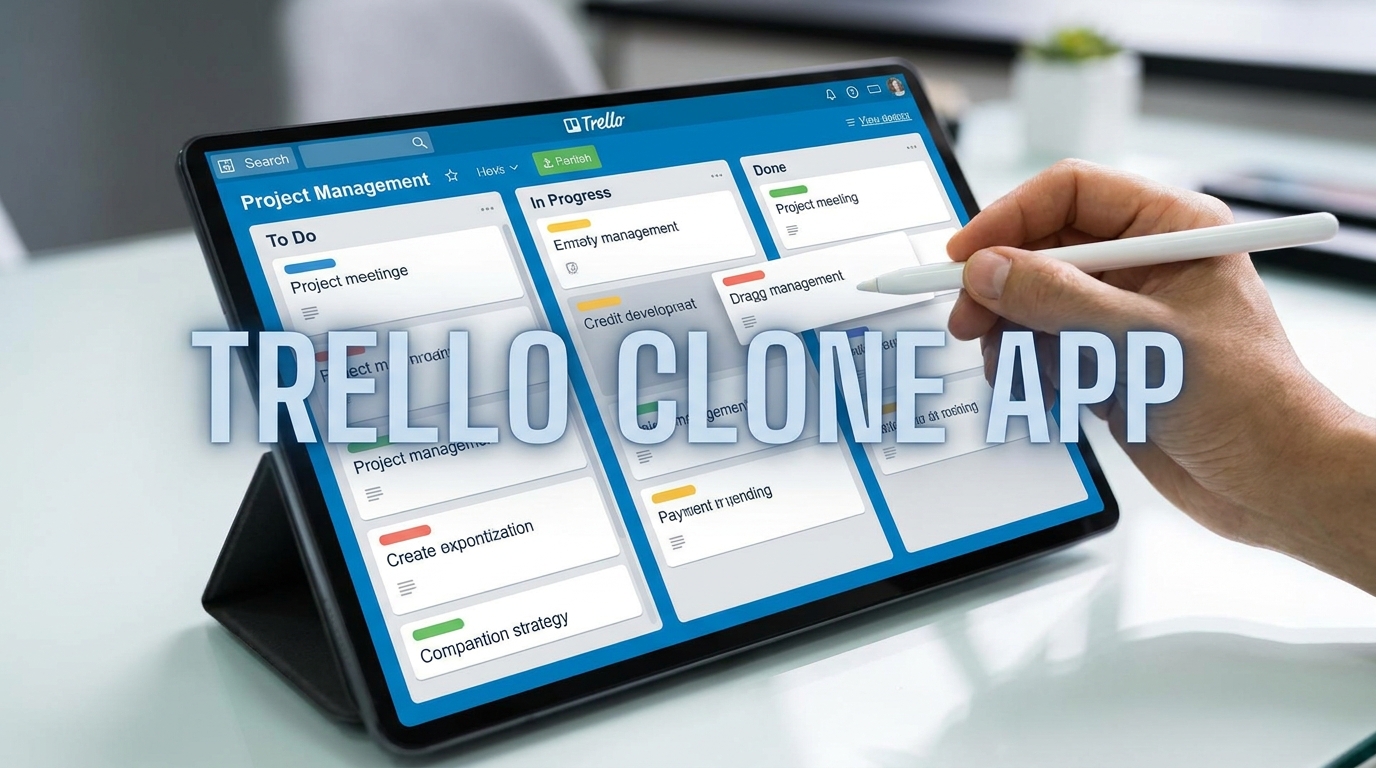
A Trello clone app is a project management software modeled after the Kanban methodology, utilizing boards, lists, and cards to represent tasks and progress. This Trello clone acts as a centralized hub where teams visualize their entire production pipeline at a single glance. Whether seeking an open-source Trello clone to modify or a custom-built Trello clone react architecture, the core goal remains the same: simplifying complex project hierarchies. A robust Trello clone board allows for a seamless transition of tasks from “To-Do” to “Done,” ensuring that no bottleneck goes unnoticed in a fast-paced work environment.
Key Features of Trello Clone App
The success of a task management tool relies on its ability to balance power with simplicity. The Trello clone web application features provide a high-tier user experience that rivals the original platform while offering granular control over specialized business functions.
Customization
Every industry has a unique workflow that requires a specialized interface. To clone Trello board systems effectively, users define their own labels, custom fields, and automated triggers. This ensures that the Trello clone app adapts to business logic rather than forcing a team to adapt to a software’s rigid structure.
Scalability
As an organization grows, management tools must handle increased data loads and user counts. A Trello clone React front-end coupled with scalable cloud back-ends ensures that the Trello clone remains fast even with thousands of active cards. This architectural foresight prevents the lag and crashes associated with under-engineered open source Trello clone alternatives.
Integration Capabilities
A project management tool should not exist in a silo; it must communicate with an existing tech stack. Achieving a high level of fluidity between different office communication channels requires a Slack clone app to ensure task updates are broadcast to relevant team channels for instant feedback. Businesses requiring a broader communication ecosystem link these boards with modern messaging frameworks for real-time alerts.
Security Measures
Data sovereignty is a primary concern for modern enterprises. A private Trello clone allows the deployment of end-to-end encryption and multi-factor authentication on private servers. Every clone Trello project adheres to strict data protection standards, giving total peace of mind regarding intellectual property and internal project discussions.
Mobile Accessibility
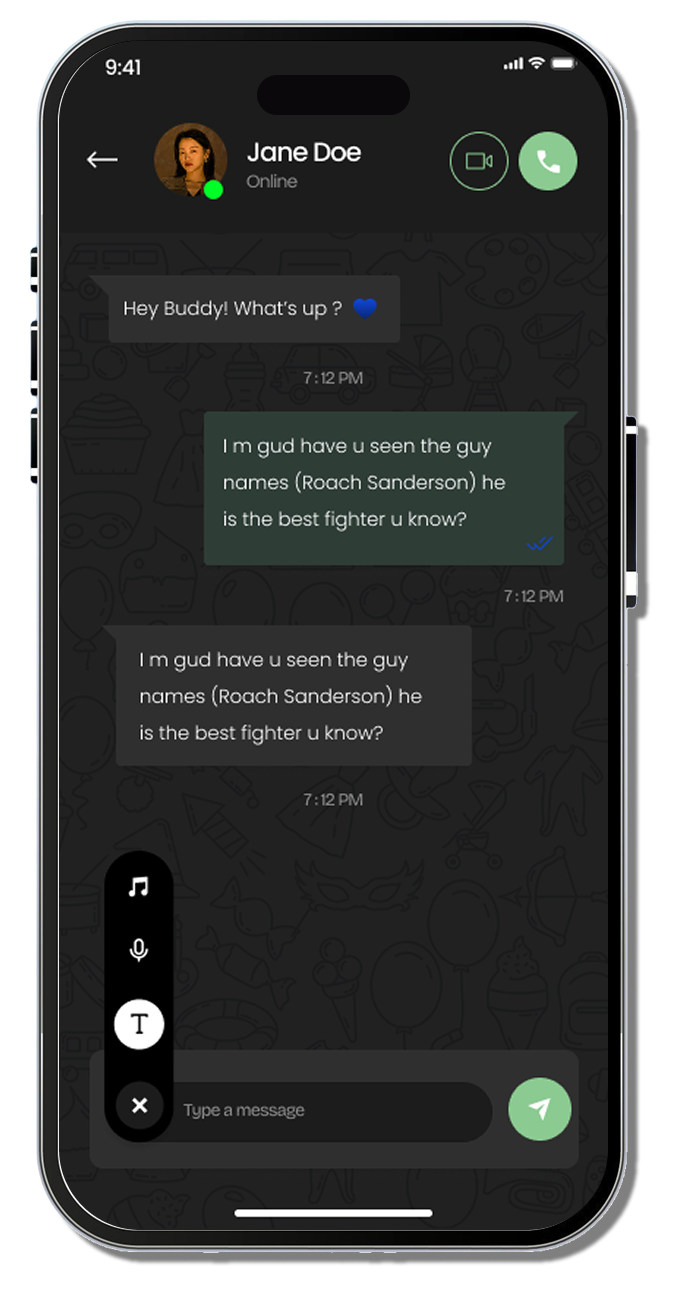
Work happens everywhere. The Trello clone app includes a mobile-first mindset, ensuring the clone Trello board experience is fluid on both iOS and Android. Real-time push notifications and offline syncing capabilities mean that a team stays productive whether they are in the office, at home, or traveling between client meetings.
How Does Our Trello Clone App Work?
The mechanics of the system are designed to be frictionless. The user journey ensures that the Trello clone web application features feel natural to both technical and non-technical staff members.
1. User Registration and Login
The process begins with a secure entry point. Users sign up via traditional email or through corporate SSO (Single Sign-On). Maintaining a secure environment for sensitive project discussions demands WhatsApp clone app for two-factor authentication codes and instant account alerts. This ensures that only authorized personnel have access to sensitive project boards.
2. Project and Board Creation
Once logged in, users create a new Trello clone board for a specific goal. These boards serve as the foundation for organization, where lists represent different stages of a project. The ability to build Trello clone environments with unlimited boards allows departments to segment work without cluttering a single workspace.
3. Task Management System
At the heart of the Trello clone app is the card system. Each card represents a task and contains descriptions, checklists, attachments, and due dates. To clone Trello effectively, a drag-and-drop interface allows cards to be moved between lists as they progress through the workflow, providing a tactile sense of accomplishment for team members.
4. Team Collaboration Features
Collaboration is facilitated through comments, mentions, and activity logs. Establishing a fast lane for team discussions during a project cycle necessitates the Discord clone app for high-speed voice and text coordination. This allows teams to jump from a board card directly into a localized discussion, ensuring that every task has the necessary context to be completed successfully.
5. Workflow Tracking and Updates
Visual indicators show the status of every card at a glance. Automated updates notify users when they are assigned a task or when a due date is approaching. Facilitating clear face-to-face communication for remote project reviews depends on the Zoom clone app to schedule automated meetings based on the status of high-priority cards within the Trello clone.
6. Analytics and Performance Monitoring
Data-driven management is built into the core of Trello clone app development. Boards provide data on “Time to Completion” and “Team Velocity”. This allows managers to identify which team members are overextended and which processes are causing delays, turning the Trello clone into a tool for continuous operational improvement.
Benefits of Our Trello Clone App
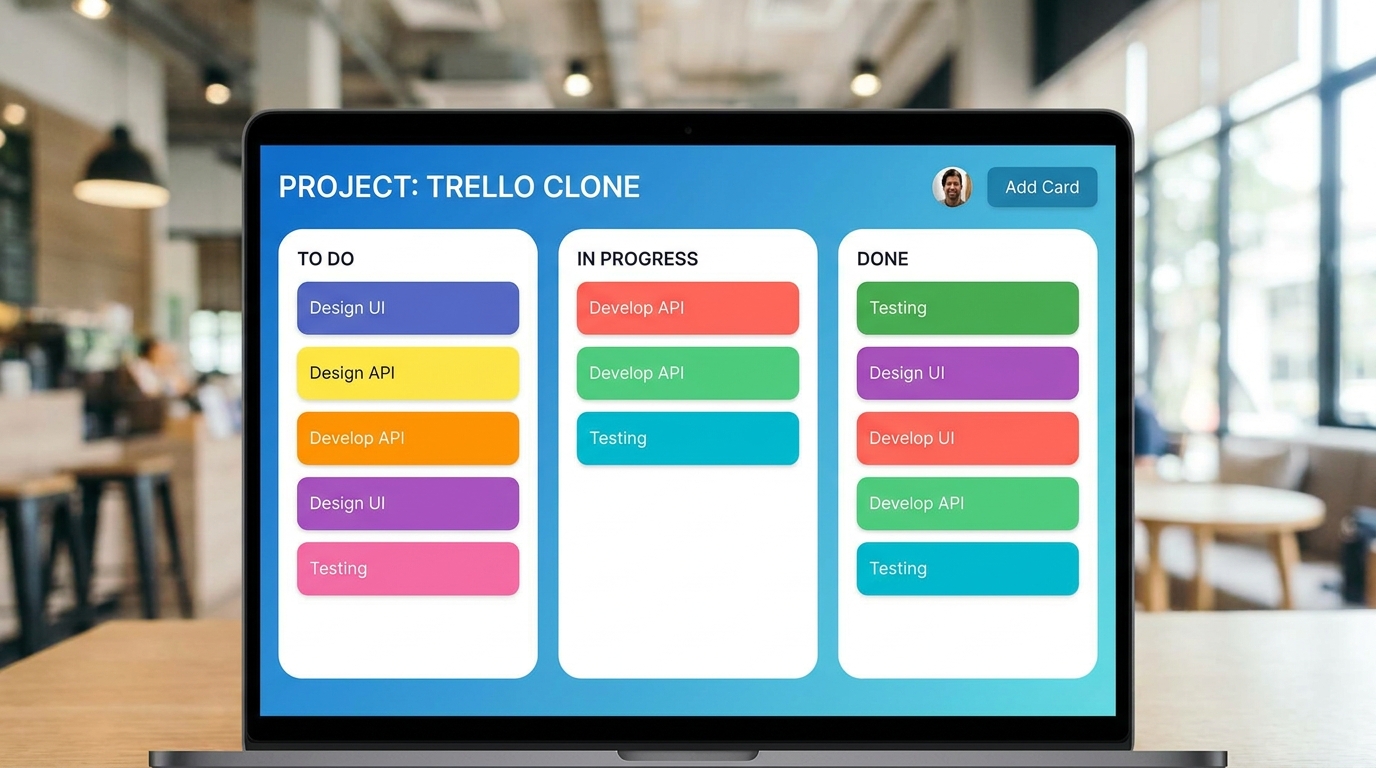
Implementing a proprietary management system offers strategic advantages that go beyond simple organization. The Trello clone solutions generate a measurable return on investment.
1. Simplified Project Management
The visual nature of a Trello clone board removes the confusion found in complex spreadsheets. Using a Trello clone React interface, users see their responsibilities without digging through nested menus. This simplicity reduces the learning curve for new hires and ensures that project managers spend less time explaining tasks and more time executing them.
2. Improved Team Collaboration
A centralized Trello clone app ensures that everyone is looking at the same version of the truth. Managing external talent and tracking freelancer milestones alongside internal staff progress utilizes the Upwork clone app to ensure a unified view. This eliminates the silos that lead to project delays and miscommunication.
3. Increased Productivity
By automating repetitive tasks within the Trello clone, a team focuses on high-value work. Locating local service providers and managing on-demand physical tasks for a project mandates the taskrabbit clone app to keep all operational data in one location. Features like automatic card moving and bulk actions mean that administrative overhead is kept to a minimum.
4. Flexible and Scalable System
The Trello clone app development is built on a modular architecture. Start with a basic Trello clone and add advanced features like time tracking or custom billing as needs evolve. Connecting with a professional network to pull in lead data directly into cards calls for the LinkedIn clone app to improve recruitment and sales tracking efficiency.
5. Better Task Visibility
Shadow work, tasks that happen but aren’t tracked, is a source of business inefficiency. Managing video production schedules and release dates through a unified visual timeline supports the YouTube clone to provide 100% visibility for creative teams. Audit logs and history tracking exist for every card to ensure transparency across all departments.
6. Cost-Effective Business Solution
Owning a Trello clone eliminates per-user monthly subscription fees that become astronomical as a team scales. Centralizing payment and management for large pools of independent talent requires the freelancer clone to reduce the high commission fees found on third-party sites. While the initial investment is required, the long-term savings are significant.
Why Choose Digital Software Labs?
Digital Software Labs builds business solutions. The approach to Trello clone app development is rooted in an understanding of organizational psychology and technical engineering.
1. Experienced Development Team
Engineers have a proven track record of building complex collaborative systems. Coordinating virtual event logistics and speaker schedules within a single project interface benefits from the Hopin clone app to manage complex timelines efficiently. Whether needing a high-performance React build or a customized solution for a specific niche, the expertise exists to deliver.
2. Custom-Built Solutions
Digital Software Labs rejects the one-size-fits-all philosophy. Every Trello clone app is built to the specific requirements of the client. Managing specialized tasks and verified service providers through a custom dashboard dictates airtasker clone development to ensure a perfect fit for the business model.
3. Scalable Development Approach
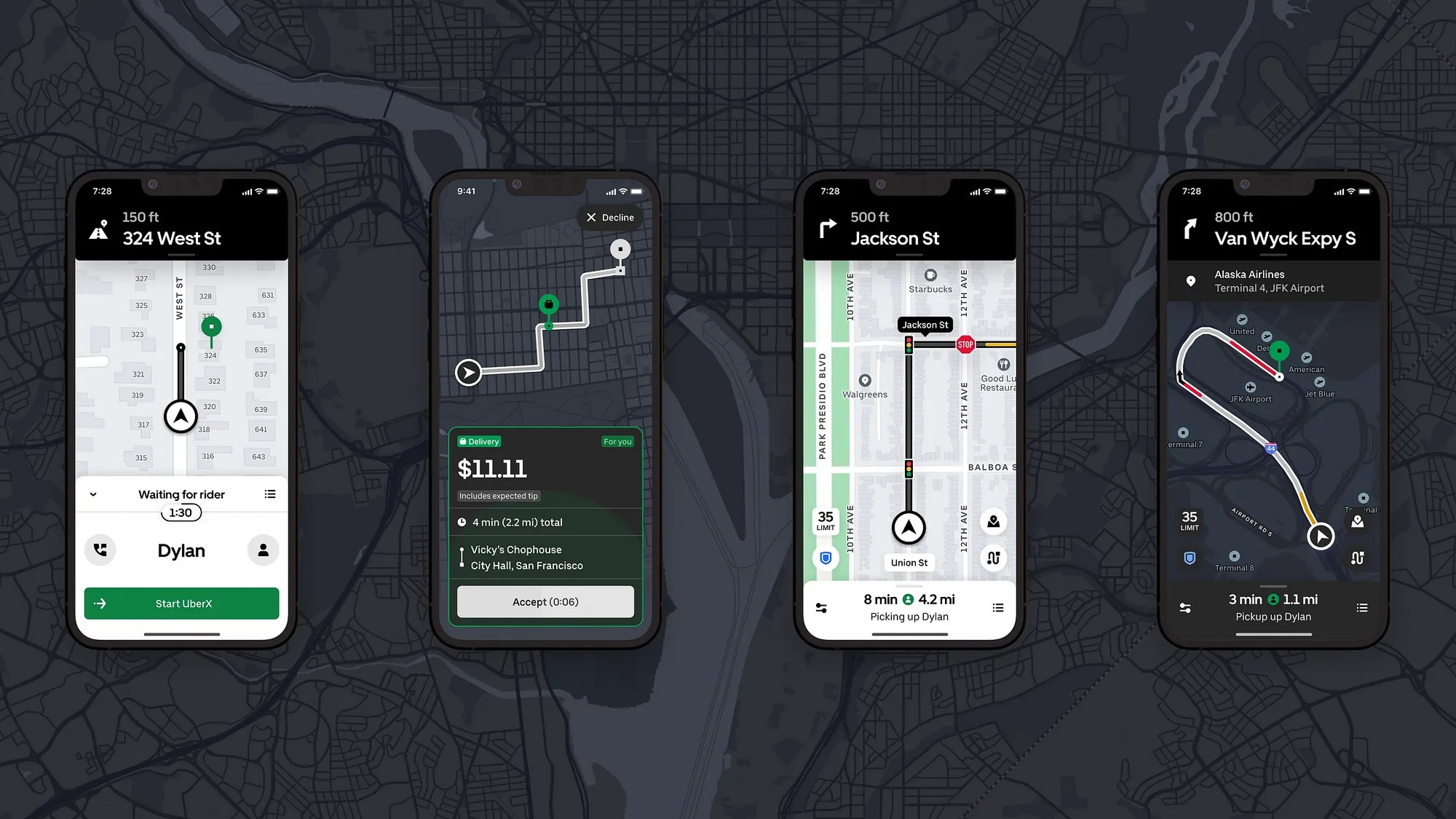
The Trello clone architecture is designed to handle sudden spikes in user activity. Architecting a system that handles logistics, delivery, and task tracking for multiple services relies on Uber for X clone app foundations. This ensures management tools scale to handle a synchronized set of Kanban boards as the business expands.
4. Modern UI/UX Design
A management tool is effective if people use it. A clean, modern aesthetic exists for every Trello clone app. Maintaining brand consistency across both management and social community platforms leverages the Facebook clone app to ensure a familiar and intuitive user experience for all members.
5. End-to-End Project Support
From initial consultation to post-launch maintenance, Digital Software Labs remains present. Managing live stream assets and guest lists directly from task cards for a broadcast supports the Streamyard clone app to keep the production team in sync. This comprehensive model ensures a single point of accountability for your software.
6. Business-Oriented Strategy
Development goals align with commercial KPIs. Managing room schedules and moderator tasks for audio-first digital communities empowers the clubhouse clone app to ensure user engagement drives operational growth. This ensures the software investment acts as a proactive partner in your long-term success.
Conclusion
The decision to build Trello clone software is a commitment to organizational clarity and data independence. By moving away from generic tools and investing in a custom Trello clone app, a team works with higher precision and lower stress. Digital Software Labs provides the technical foundation to make this transition seamless, offering a Trello clone that is secure, scalable, and aligned with business goals. In a world where the speed of execution is a primary competitive advantage, having the right visual management tool is the first step toward long-term success.