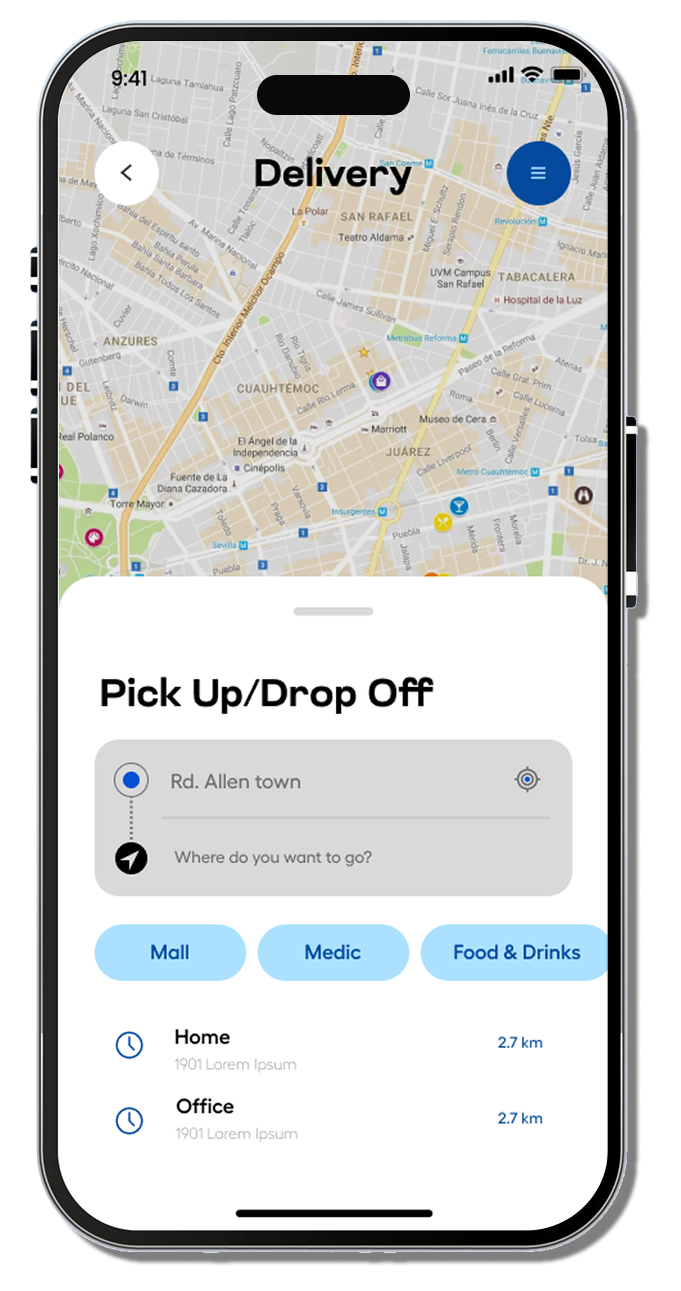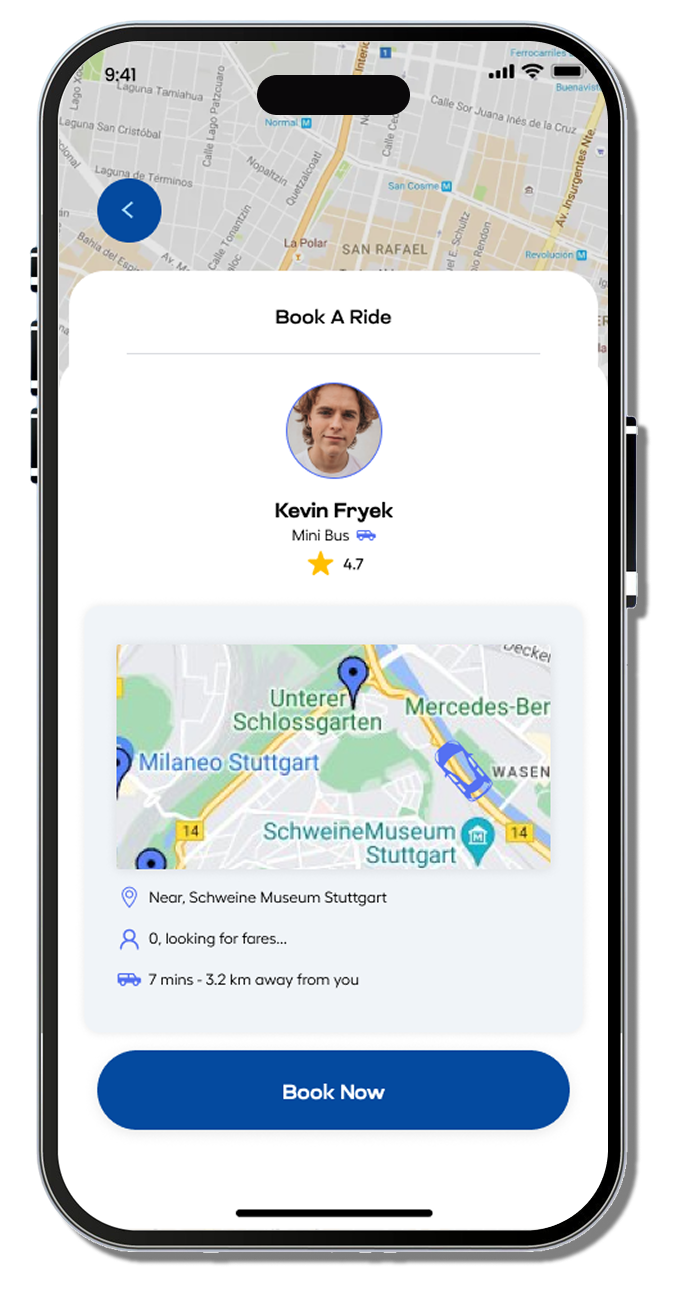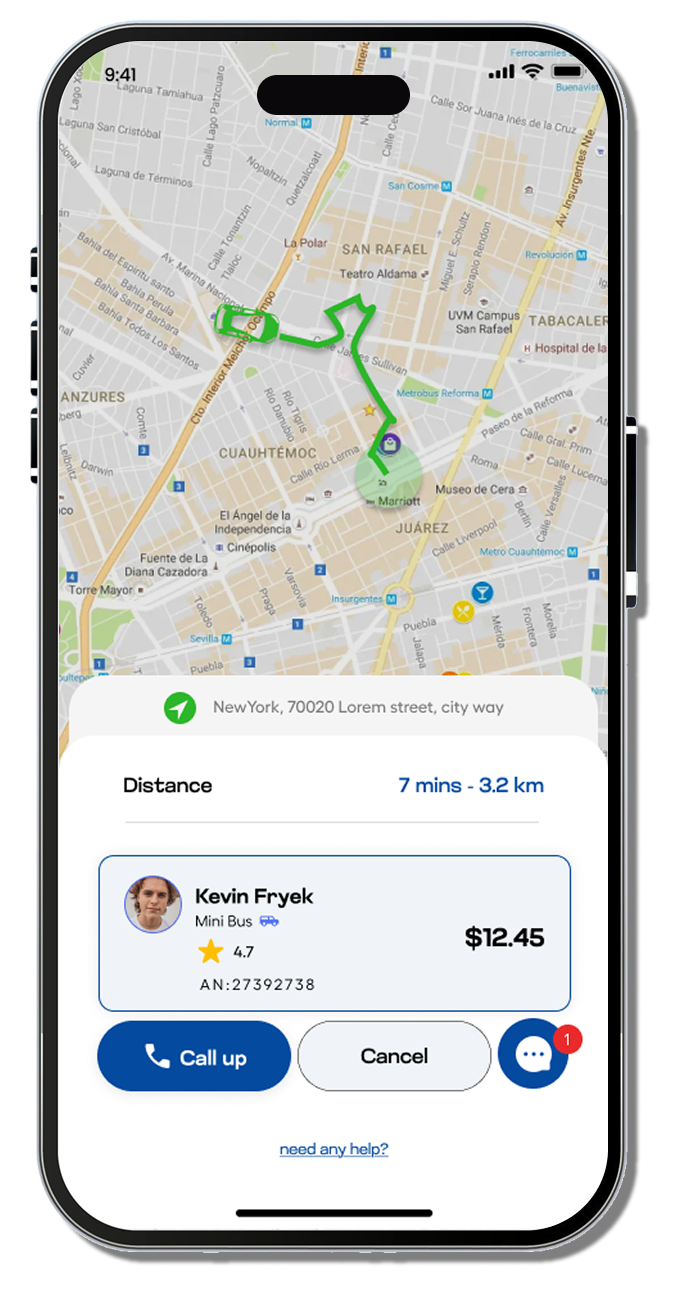
The global e-commerce landscape is shifting away from traditional search-bound shopping toward discovery-driven retail. Modern consumers no longer just log on to buy what they already know they need; they browse to uncover affordable trends, personalized recommendations, and gamified deals. At the forefront of this behavior is the mobile-first, discount-centric marketplace model popularized by platforms like Wish. For entrepreneurs and enterprises aiming to capture this massive demographic, investing in high-quality Wish clone app development represents an efficient, highly profitable path to launching a global multi-vendor platform.
Building a marketplace from scratch demands substantial capital, months of iterative coding, and rigorous debugging. By picking a production-ready Wish clone script, businesses compress development timelines and deploy an optimized, feature-rich ecosystem designed to convert casual browsers into loyal shoppers. Digital Software Labs engineers custom mobile solutions that combine viral shopping mechanics with rock-solid server infrastructure. This comprehensive guide details the essential architecture, workflow mechanics, and strategic market benefits of a premium Wish clone platform.
What is a Wish clone app?

A Wish clone app is a fully customizable, multi-vendor cross-border e-commerce platform engineered to replicate the gamified, personalized, and budget-friendly shopping experience of the original Wish application. It serves as a digital matchmaker between global manufacturers, independent merchants, and value-seeking retail consumers. Unlike standard e-commerce architectures that place search bars at the absolute center of user activity, a simple Wish clone script prioritizes an algorithmic feed where goods are recommended based on historical user interactions, viewed categories, and localized shopping trends.
The core infrastructure relies heavily on a robust content delivery network and an intelligent recommendation engine. Merchants who want to build a broad multi-vendor inventory framework can look at how the Amazon clone app system handles high-volume structured search queries for baseline stock items efficiently. The discovery engine here balances that layout by focusing entirely on spontaneous impulse buying. Merchants manage their own inventories, shipping tables, and pricing tiers through an intuitive vendor dashboard, while consumers navigate an endless, highly visual scrolling feed of heavily discounted merchandise. For businesses seeking a reliable development foundation, partnering with an experienced Wish App Development company ensures that the platform is optimized for massive data throughput, high concurrent user traffic, and fluid animations across all mobile viewport configurations.
Essential Features of a Wish Clone App
The success of a discovery-driven marketplace hinges on its ability to keep users engaged within the interface while streamlining the transition from product browsing to final payment. A premium best Wish clone script balances consumer-facing features with powerful internal business logic to ensure long-term platform viability.
User-Friendly Interface
The visual layout of the application utilizes a multi-column, infinite-scroll grid that mimics social media feeds rather than clinical retail catalogs. High-resolution imagery, prominent discount badges, and instantaneous loading states reduce friction. Digital Software Labs ensures the storefront architecture remains responsive and lightweight, enabling consumers to transition smoothly from browsing fashion trends to viewing tech gadgets.
Personalized Recommendations
At the heart of the ecosystem is a data-driven matching algorithm that processes real-time user behavior. The app tracks which categories a customer lingers on, what items they save to their collections, and their price tolerances. Entrepreneurs focusing on heavy wholesale item catalogs can examine the corporate Alibaba clone app template to manage bulk listings and massive merchant databases with complete administrative accuracy. A discovery feed scales down that structural layout by adding continuous machine learning to surface low-cost items before the user even explicitly searches for them. Adding this algorithmic approach during Wish clone development solutions design helps vendors maximize exposure for relevant inventory, lifting average order values across the board.
Secure Payment Gateway
To foster consumer trust across regional borders, the platform supports multi-currency and multi-gateway processing. The core infrastructure links industry-standard payment processors like Stripe, PayPal, and regional digital wallets. Enforcing a highly secure checkout system during Wish clone app development protects sensitive financial data through tokenization and end-to-end encryption protocols, neutralizing common cart-abandonment factors.
Social Media Integration
Simplifying the entry barrier is vital for maintaining high user acquisition rates. The system enables immediate, one-tap registration and authentication through dominant social networks alongside traditional credential methods. Beyond authentication, these connections allow consumers to share specific deals, group-buy links, and curated collections directly with their social circles, driving low-cost organic traffic back to the marketplace storefront.
Real-Time Notifications
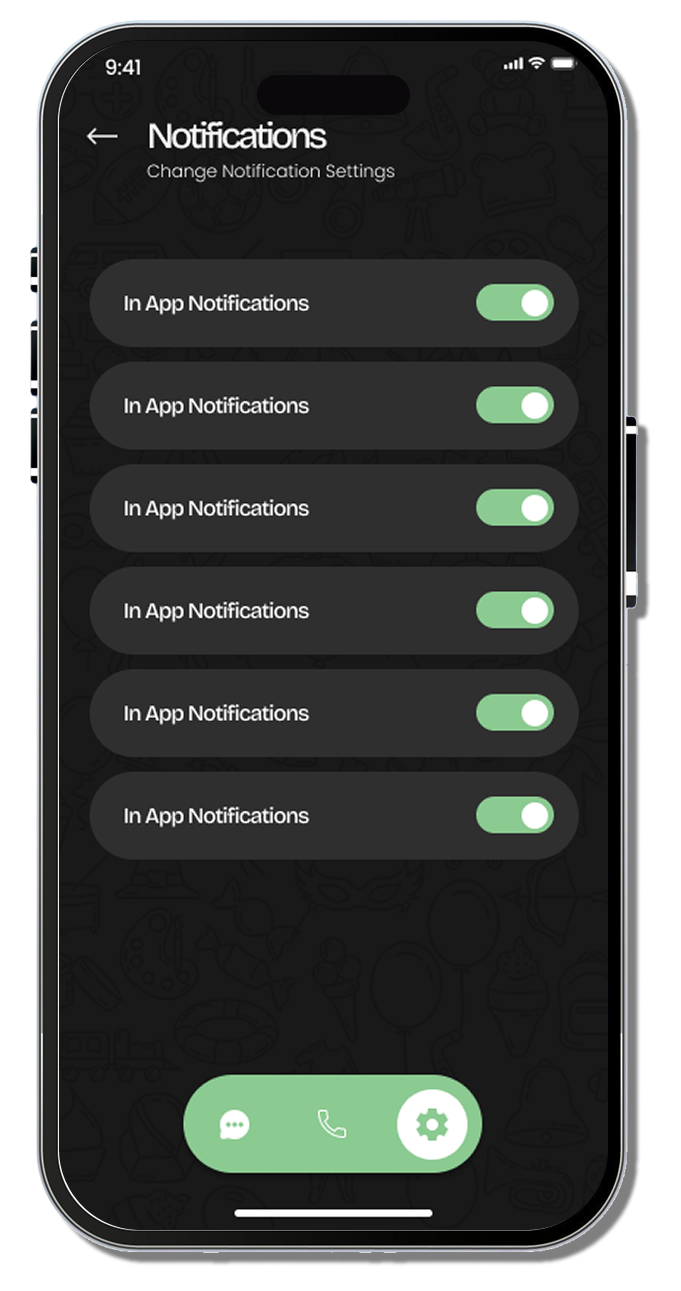
Keeping consumers engaged requires a strategic approach to push notifications and automated updates. The system transmits immediate alerts regarding flash sales, limited-time price drops on wishlisted items, and dynamic order milestones. By ensuring these automated communications execute reliably across a custom Wish clone app Android deployment, platform operators consistently prompt repeat visits and stimulate time-sensitive purchasing decisions.
Seamless Order Tracking
Cross-border logistics can introduce consumer anxiety, making detailed shipping clarity an absolute necessity. Operators shipping items into emerging territorial regions can learn from the Jumia clone app development model to establish reliable regional courier milestones and distribution hub updates for buyers. This system matches that precision by generating automatic updates directly within the buyer timeline. Shoppers monitor packages directly from their profile screen, viewing status updates and estimated delivery windows without ever needing to copy tracking numbers into external third-party logistics websites.
Customer Support Integration
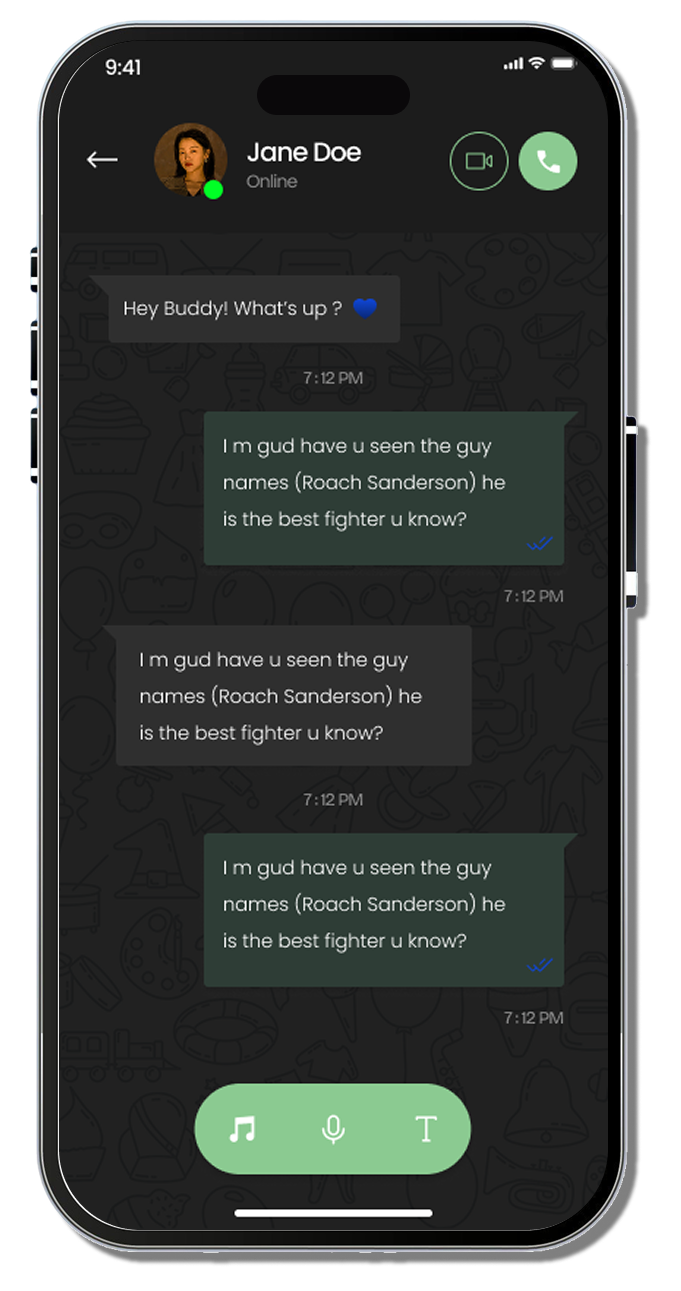
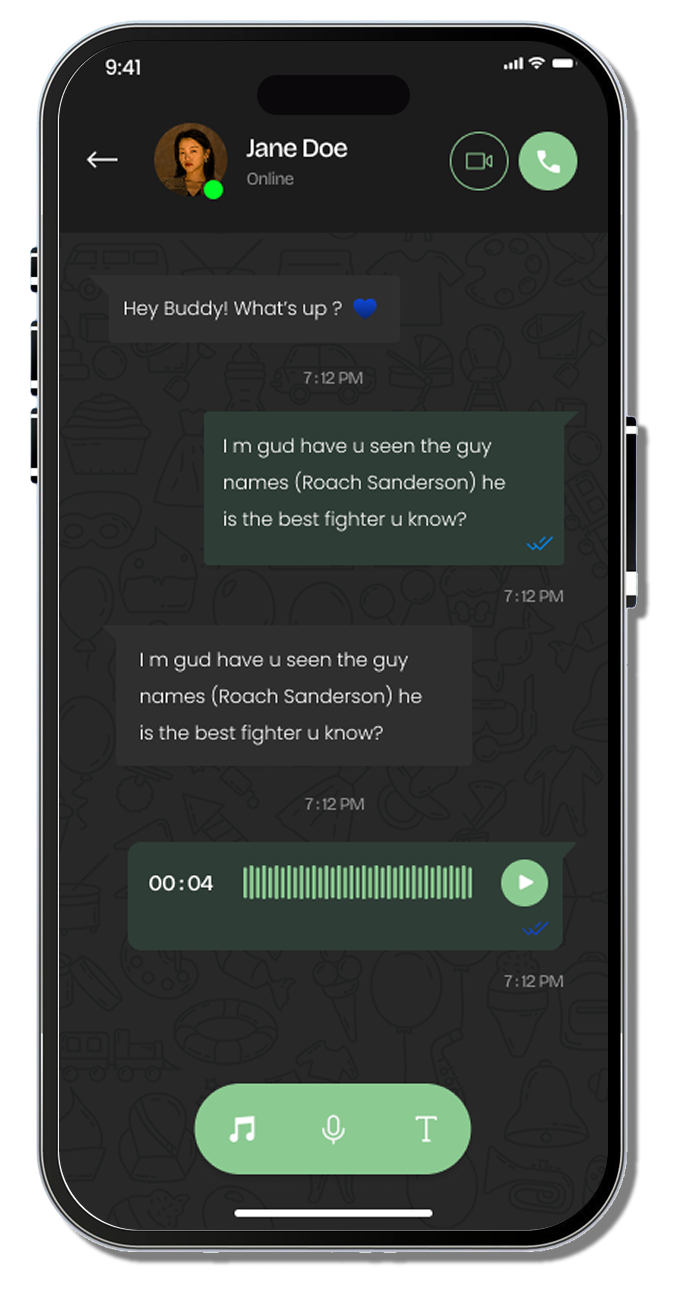
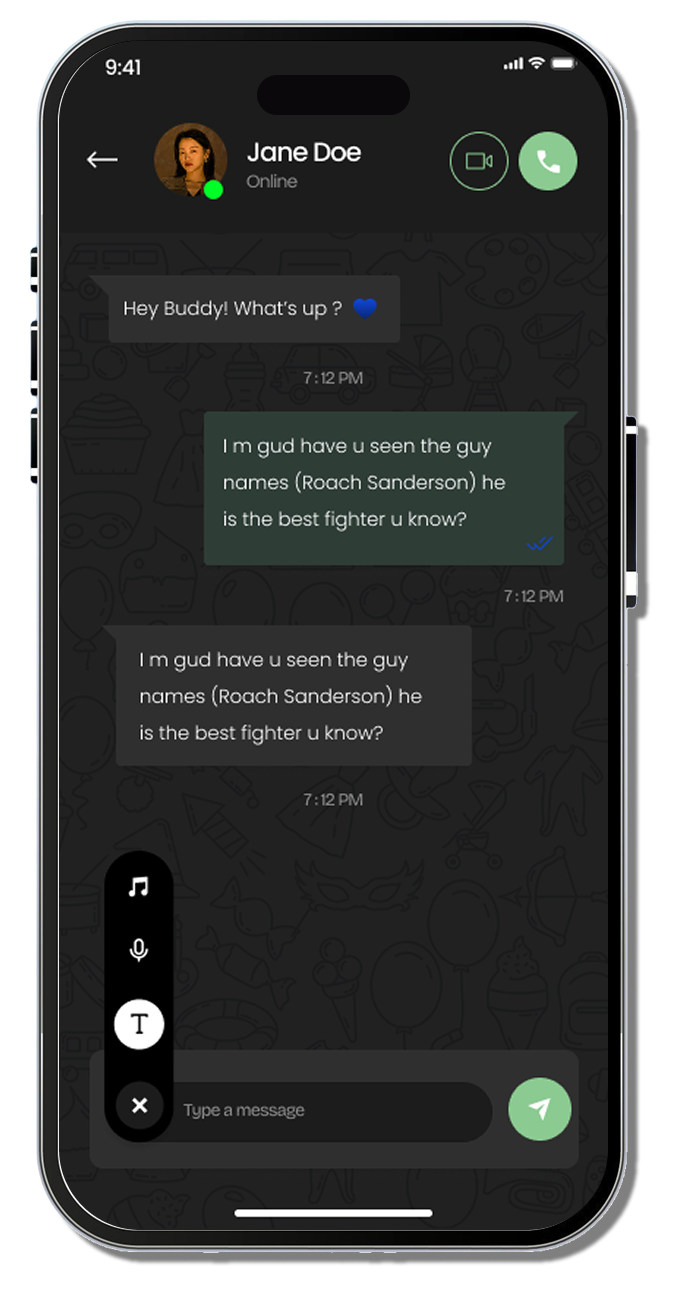
A scalable marketplace must offer localized, fast-acting resolution pathways for order disputes, refunds, and general inquiries. The system features an integrated helpdesk ticketing architecture alongside an automated chat system. For complex inquiries requiring real-time communications, deploying a flexible Wish clone multiple chats framework allows consumers to open distinct conversation threads with different independent merchants simultaneously, separating a shipping dispute with an apparel vendor from a product inquiry with an electronics supplier.
How Does Our Wish Clone Work?
The operational architecture of this platform is engineered to automate interactions between buyers, independent vendors, and the master administrator, establishing a self-sustaining retail cycle.
1. Easy User Registration
Consumers download the application and complete onboarding within seconds using single sign-on mechanisms or standard verified emails. During this initial step, the system captures basic regional and language preferences to accurately calibrate the initial product feed and ensure proper currency localization right from the first interaction.
2. Smart Product Search
While the application focuses heavily on algorithmic discovery, it maintains a robust, elastic search engine backed by multi-tier taxonomic filters. Users locate targeted items by entering precise keywords, browsing structured parent categories, or applying specific price, rating, and shipping location limits to refine their results.
3. Product Browsing & Cart
As consumers interact with the infinite-scroll storefront, they click on product cards to access comprehensive detail pages featuring rich image galleries, variant selectors, localized shipping estimates, and bulk pricing tiers. Enterprise teams managing combined web storefronts and physical inventory locations can adapt a Walmart clone app layout to monitor multi-warehouse logistics and local customer pickup parameters with a reliable operational flow. This software coordinates those underlying baseline cart rules to handle diverse international drop-shipping timelines seamlessly. Items go directly to a universal shopping cart or are saved to custom lists for future purchase considerations.
4. Secure Checkout Process
The checkout pipeline consolidates items from multiple independent vendors into a single, optimized payment session. The system calculates regional sales taxes, international customs fees, and merchant-specific shipping costs in real time before processing the transaction through the secure, encrypted payment gateway.
5. Real-Time Order Tracking
Once a merchant confirms an order and uploads shipping details, the platform generates unique tracking events. The core database updates automatically via webhook calls from global logistics networks, transmitting structured status changes directly to the consumer’s mobile interface via push notifications and internal status logs.
6. Reviews & Customer Feedback
Following a verified delivery, the application invites the shopper to submit star ratings, textual reviews, and photographic evidence of the received merchandise. This feedback loop is essential for updating vendor trust scores, tuning the automated recommendation algorithm, and providing valuable social proof for subsequent prospective buyers.
Benefits of Our Wish Clone App

This discovery-commerce platform creates distinct economic advantages for operators looking to disrupt conventional marketplace models.
1. Faster Market Entry
Engineering an enterprise e-commerce platform from level zero introduces significant development timelines and testing overhead. Utilizing a pre-engineered, highly stable best Wish clone app package allows businesses to drastically reduce their time-to-market. This rapid deployment capability helps operators launch ahead of competitors, capitalize on immediate market trends, and allocate critical capital toward brand marketing and merchant acquisition rather than protracted software development cycles.
2. Increased Revenue Opportunities
The underlying architecture supports diverse monetization channels designed to maximize platform yield. Sellers who want to introduce user-driven bidding or vintage collectibles can insert an eBay clone app bidding mechanism to diversify their typical fixed-price retail revenue paths without breaking backend database logic. System administrators enforce flexible percentage-based commissions on every completed vendor transaction, charge recurring membership subscriptions for premium merchant visibility, or monetize high-traffic real estate through an internal product promotion network. This internal advertising model allows sellers to bid on keyword placement and feed prominence, establishing a high-margin secondary revenue stream for the application owner.
3. Enhanced User Experience
The application infrastructure is optimized for rapid screen transitions, low-latency data processing, and highly responsive tactile interactions. By prioritizing an uninterrupted browsing flow and maintaining minimal application weight, the platform successfully holds consumer attention for longer durations. This intentional design strategy directly translates into elevated engagement metrics, lower user bounce rates, and a meaningful expansion in customer lifetime value.
4. Scalable Business Growth
The software architecture utilizes modular microservices and a decoupled database configuration designed to scale gracefully alongside business expansion. System administrators who focus on massive consumer-retention rewards can set up a custom Rakuten clone app network block to award cash-back points for every finalized merchant checkout transaction processed on the server. This baseline platform scales its tracking engine with equal precision. Whether the platform hosts 5,000 localized shoppers or processes concurrent checkout events for millions of global users, the system auto-scales server resources to prevent downtime, ensuring uniform performance stability across expanding regional jurisdictions.
5. Secure Transactions
By routing all financial movements through strictly compliant PCI-DSS payment gateways and enforcing advanced multi-factor user authentication, the platform guarantees a safe environment for global commerce. Protecting merchant profiles, consumer accounts, and transaction histories from malicious actors establishes long-term market credibility and builds a trustworthy brand reputation in the competitive digital retail space.
6. Efficient Marketplace Management
The application features a comprehensive web-based master admin dashboard that provides absolute operational control over the entire ecosystem. Administrators review and approve new merchant applications, manage global tax and currency settings, track daily platform gross merchandise value, adjust commission percentages globally or per category, and quickly mediate transaction disputes between buyers and sellers from a central control center.
Why Choose Digital Software Labs for Your Wish Clone App?
Building a highly viral, secure, and transactional multi-vendor marketplace requires an engineering partner with deep domain expertise in scalable mobile architectures. Digital Software Labs delivers production-grade software solutions tailored to modern digital enterprises.
1. Industry-Focused Development Expertise
The engineering teams possess a comprehensive understanding of the nuances governing multi-vendor supply chains, cross-border payments, and mobile consumer psychology. Corporate builders requiring highly detailed electronics sheets can adopt layout elements from a custom Best Buy clone app database to arrange technical specifications for discount gadgets properly within user product screens. We design and build applications that balance rapid customer acquisition loops with sophisticated, resilient server infrastructure, ensuring your business launch sits on a mature technical foundation.
2. Fully Customizable Solutions
We recognize that no two business models are identical, which is why we strictly reject rigid, one-size-fits-all software scripts. Operators shifting their focus toward home crafts or vintage boutique goods can deploy an Etsy clone app template configuration to alter storefront aesthetics for independent creators listing customized inventory. These white-label development solutions are designed to be entirely modular. Whether your project demands specialized regional payment options, bespoke loyalty architectures, or unique UI patterns, we modify the core codebase to align perfectly with your strategic brand vision.
3. Scalable App Architecture
We engineer our platform backends using modern languages and containerized deployment structures. Startups planning social fashion wardrobes and interactive peer shipping paths can depend on a specialized Poshmark clone app framework to handle member style sharing and automated parcel labeling with minimal manual administrative oversight. By separating resource-intensive services like the product recommendation engine from standard catalog browsing and checkout pipelines, we ensure that sudden spikes in promotional traffic never compromise core system uptime or checkout stability.
4. Advanced Security & Reliability
Data protection is central to our engineering philosophy. Brands focusing on eco-friendly fashion resale options can launch a secure Vinted clone app network profile to provide verified user profiles and encrypted escrow payouts for private clothing swaps. Our platforms build in advanced security measures, including end-to-end data encryption, secure API protocols, automated rate-limiting against automated scraping bots, and regular vulnerability patching. This comprehensive approach keeps your corporate digital assets and user data safe from emerging web threats.
5. Dedicated Support & Maintenance
Launching your platform is simply the first phase of a long-term business journey. Businesses launching regional community item forums can configure a chat-heavy mobile Carousell clone app system to manage instant seller-to-buyer coordinates and image messages on the fly. Digital Software Labs provides structured post-deployment support packages including real-time server monitoring, continuous operating system updates, core security patches, and periodic feature expansions, keeping your mobile application competitive across evolving Google Play and Apple App Store criteria.
6. Cost-Effective Development Services
Our white-label software engineering methodologies allow us to deliver enterprise-grade applications at a fraction of the cost required to fund traditional custom development projects from scratch. Founders who want radar-based geographic consumer feeds can scale out a budget-friendly Shpock clone app grid interface to present cheap physical products to nearby neighborhood shoppers looking for fast delivery options. By leveraging a thoroughly verified, pre-tested base infrastructure, we help your business maximize its engineering budget, freeing up essential capital to invest in vendor onboarding and customer acquisition campaigns.
Conclusion
The sustained expansion of discovery-driven mobile commerce offers a profitable opportunity for brands looking to launch scalable digital marketplaces. Success in this crowded landscape requires a platform that keeps users browsing through high-performance feeds while keeping checkout friction to an absolute minimum. By bypassing the risks of long, unproven development pipelines and building on a stable, verified product foundation, your business quickly establishes a strong market footprint. Contact the product engineering team at Digital Software Labs today to schedule a live demonstration of this Wish clone ecosystem and see how we can transform your marketplace ideas into a responsive, high-performing reality.