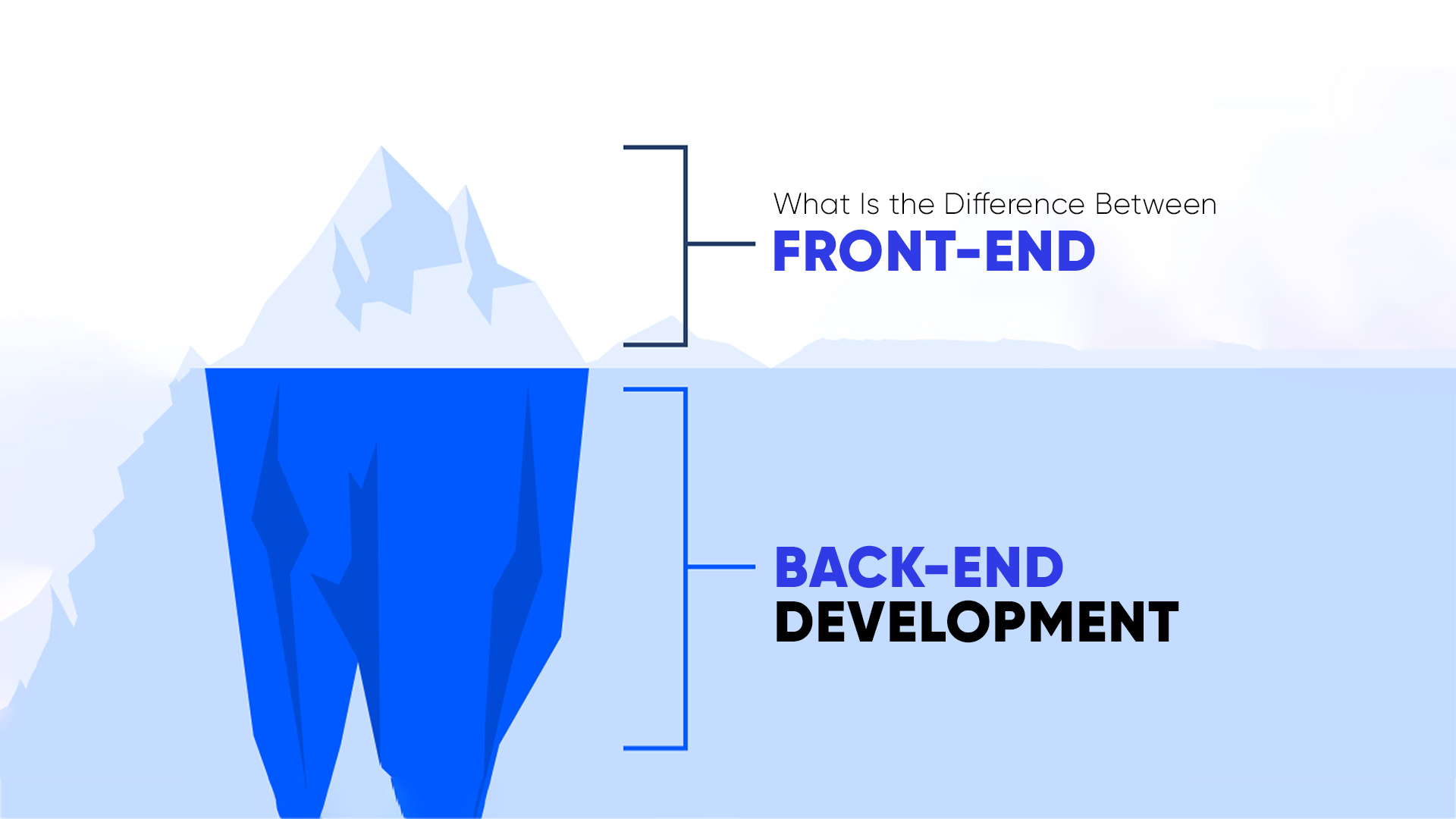
Frontend developers develop the interfaces that users interact with, and backend developers build the underlying infrastructure that runs the application or website. Both are required to create a fully functional, user-friendly web application.
The “backend vs frontend” distinction sometimes confuses businesses navigating the software development process. With an increasing number of full-stack development tools, it’s easy to believe the jobs are interchangeable. However, there are substantial distinctions between frontend and backend development because they address separate areas of the application.
Frontend development focuses on the user interface the visible portion of a website or application. On the other hand, backend development is responsible for the server, application, and database that process and provide information to the user. When users interact with a website, their input is sent to the back end, which processes the request, retrieves data from the database, and returns it to the front end for presentation. The difference between frontend and backend developers lies in their roles: frontend developers prioritize user-facing design. In contrast, backend developers handle server-side functionality and data management.
Although frontend and backend engineers work together to ensure the system operates properly, they have opposing concerns. Understanding about what is the difference between frontend and backend development is critical for developing effective, high-performance digital solutions.
Comparison Table for Frontend vs Backend Development
| Feature | Frontend Development | Backend Development |
| Definition | Focuses on the user interface and user experience. | Manages server-side operations, databases, and logic. |
| Primary Role | Enhances visual design and interactivity. | Ensures functionality, data handling, and security. |
| Languages | HTML, CSS, JavaScript, React, Angular, Vue.js | Python, Java, PHP, Ruby, Node.js |
| Core Responsibilities | Design, layout, responsiveness, animations | Database management, API integration, server logic |
| Tools/Frameworks | Bootstrap, jQuery, React, Tailwind CSS | Django, Laravel, Express.js, Spring Boot |
| Focus Area | Client-side | Server-side |
Visit Digital Software Labs to explore our customized solutions.
What is FrontEnd Development?
Frontend development is concerned with designing and creating the user-facing components of a website or application, which includes everything that users see and interact with directly. It entails designing an application’s layout, visuals, and interactivity to ensure it is visually appealing, user-friendly, and responsive. HTML, CSS, and JavaScript are the foundations of frontend development, with frameworks like React, Angular, and Vue.js improving functionality and efficiency.
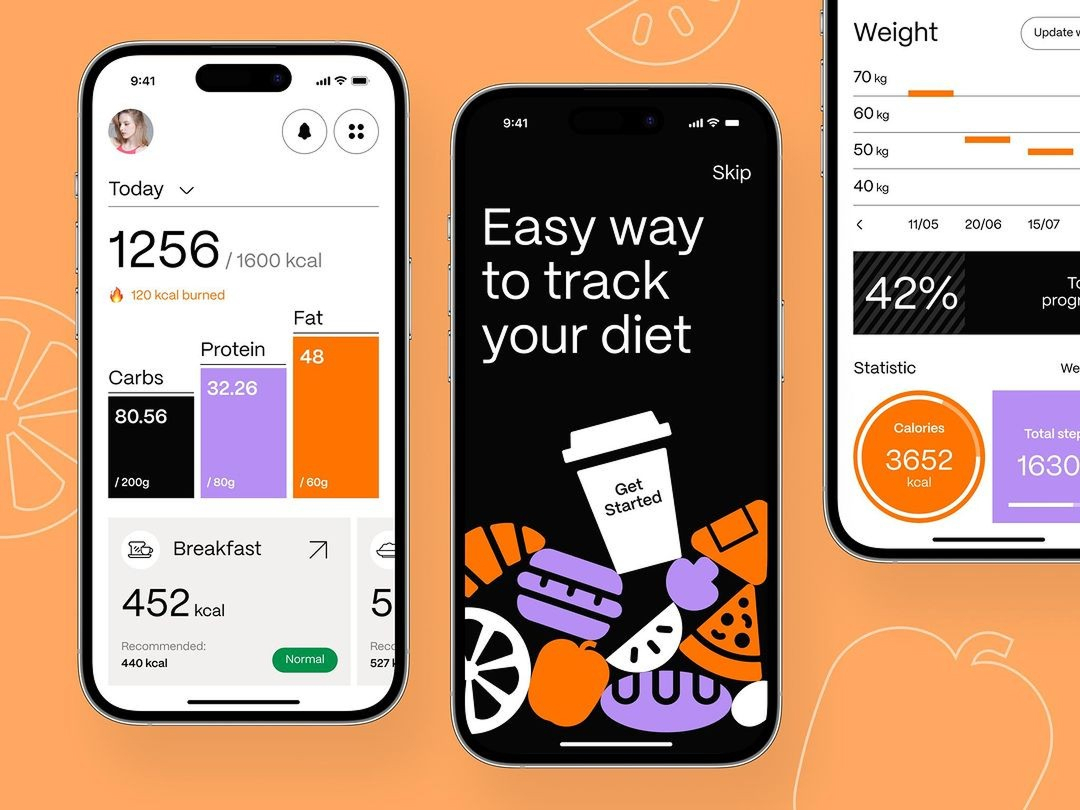
Frontend developers stress establishing a consistent user experience by incorporating interactive components such as buttons, sliders, and forms. They ensure the program is accessible from various devices and browsers while preserving consistent functionality and design. This frontend vs. backend development distinction is critical for catching user attention and increasing engagement through intuitive interfaces and easy navigation.
The role of frontend developers extends beyond design. They collaborate closely with backend engineers to link the front end with server-side activities, frequently utilizing APIs to ensure smooth data flow. Frontend developers who master tools like Sass, TypeScript, and jQuery and understand responsive design concepts can build high-quality applications that satisfy modern user expectations. Understanding backend vs. frontend development ensures their work complements the back end, resulting in seamless and efficient apps.
Languages Frontend Uses
HTML: HTML is the core of frontend development, defining the content and layout of online pages. Elements such as headings, paragraphs, and links must be determined, constituting the foundation of frontend vs. backend development.
CSS: CSS styles web pages, improving their visual appeal by controlling layouts, colors, and fonts. It ensures responsiveness and consistency in design across devices, an essential aspect of frontend development for building compelling user interfaces.
JavaScript: JavaScript makes web pages more interactive and dynamic by allowing for animations, real-time changes, and user participation. It is essential for modern frontend development and powers frameworks like React, Angular, and Vue.js.
TypeScript: A superset of JavaScript, TypeScript adds static typing, improving code reliability and readability. It is widely used in frontend vs. backend development projects to maintain scalability and reduce errors in larger applications.
Sass/Less: CSS preprocessors like Sass and Less simplify styling with advanced features like variables and nesting, making it easier for frontend developers to manage complex design requirements efficiently.
What is BackEnd Development?
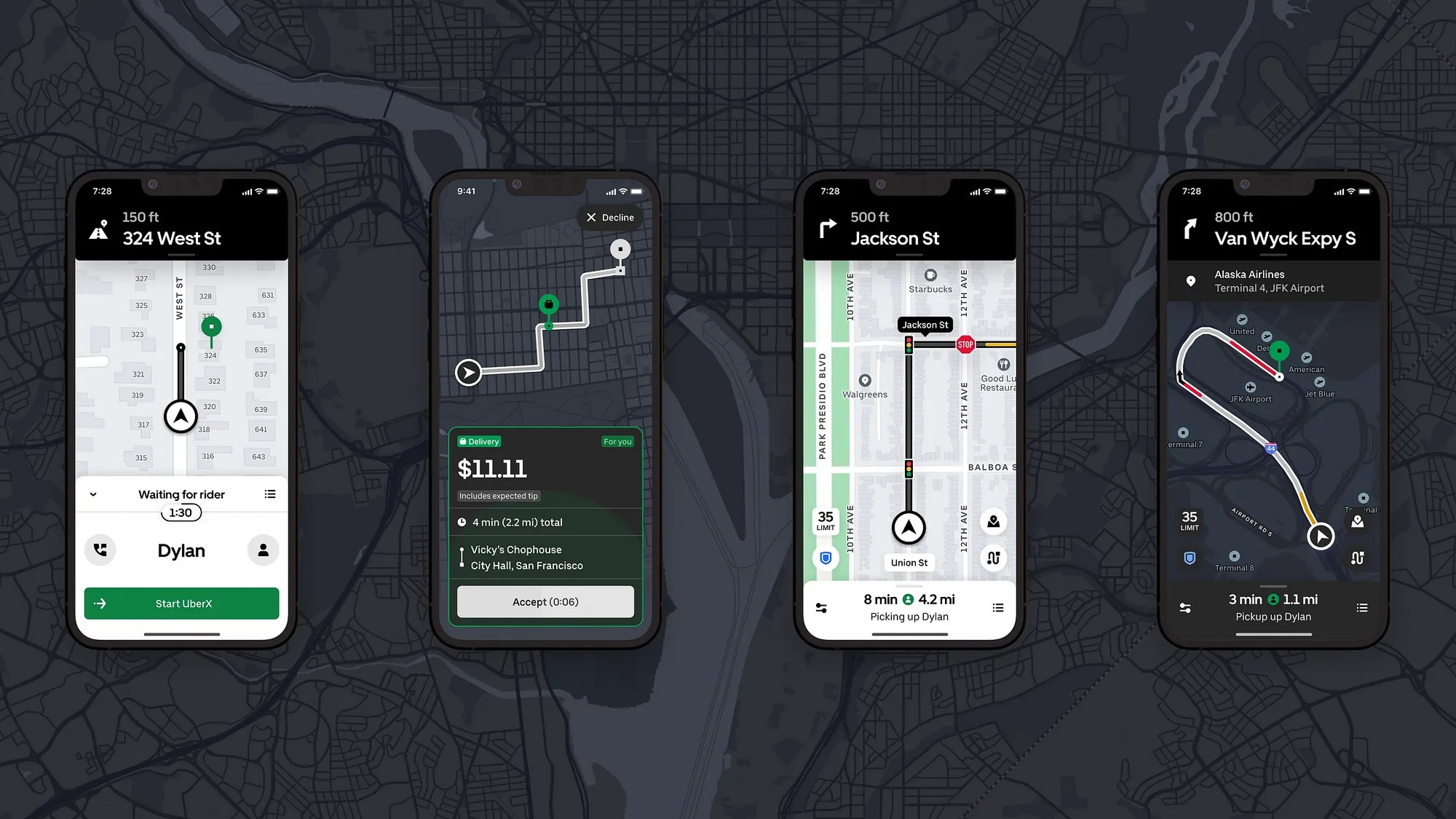
Backend development includes developing and managing the server-side logic of websites and applications everything that occurs behind what is supposed to ensure smooth operation. Backend developers manage databases, servers, application programming interfaces (APIs), and architecture to ensure the application runs smoothly and safely. They provide code that communicates between the front end and the database, allowing data to be stored, retrieved, and edited as needed. This backend vs. frontend development element focuses on the background processes that drive a website’s visible components.
Backend developers collaborate with frontend developers, product managers, and testers to create a seamless and responsive program. They optimize performance and scalability using languages like Python, Java, and Ruby, as well as frameworks like Django, Spring Boot, and Ruby on Rails. Developers bridge the gap between frontend and backend development by ensuring that the backend executes user requests fast and accurately, resulting in sturdy and user-friendly apps.
Languages Backend Uses
Python: Python is frequently used in backend development because of its simplicity, adaptability, and strong frameworks such as Django and Flask. It excels at managing server-side logic, APIs, and database interactions.
Java: Java is popular for enterprise-level backend development due to its scalability and security features. Spring Boot and other frameworks make building server-side apps and APIs easier.
Node.js: Node.js enables developers to use JavaScript for backend development, allowing seamless integration with frontend applications. Its event-driven architecture is ideal for real-time applications like chat platforms.
PHP: PHP is a server-side scripting language used to create dynamic web pages. It is commonly used in backend development with frameworks like Laravel to manage databases and server-side processes.
Ruby: Ruby is known for its elegant syntax and productivity-focused frameworks, such as Ruby on Rails. It is commonly used in backend development to create scalable and secure web applications.
Conclusion
Understanding the difference between backend and frontend developers is critical to creating effective online apps. While frontend developers design visually appealing and interactive interfaces, backend developers ensure that logic, data handling, and functionality run smoothly behind the scenes. Both disciplines are required and complement one another to provide a consistent user experience.
At Digital Software Labs, we specialize in bridging the gap between backend vs frontend developers to create innovative and user-friendly web applications. Whether you need a team for frontend design, backend functionality, or full stack development
A full-stack developer works on the client side (frontend) and server-side (backend) of web applications. They create user interfaces while managing backend logic, databases, and APIs to ensure seamless functionality. By handling the entire stack, they bridge the gap between frontend and backend development, offering comprehensive solutions to business challenges. This versatility allows them to design, build, and optimize complete applications, combining the best of both worlds.
Websites like freeCodeCamp and Frontend Masters are excellent resources for learning frontend development, while Udemy and Coursera offer comprehensive courses for backend development. Platforms like Stack Overflow cater to both providing solutions and community support.
One of the toughest challenges in frontend development is achieving consistent performance and design across various devices and browsers. Adapting to rapidly evolving frameworks and technologies adds complexity, as does ensuring a seamless user experience.