Summary
- Enterprises risk giving away their most critical corporate data secrets and specialized intellectual property simply to use the modern tech tools they purchase.
- Organizations effectively fund vendor platforms twice by paying capital upfront via invoices and sharing institutional context through daily employee usage.
- Proprietary infrastructure captures subtle operational steps, specialized prompts, and human workflow corrections, which leak core marketplace know-how imperceptibly over time.
- Closed vendor systems gain massive operational understanding from enterprise operations, while clients receive zero visibility regarding how the central machinery learns.
- Mitigating these structural vulnerabilities requires utilizing high-performance open-source AI frameworks hosted within secure corporate boundaries to retain full data ownership.
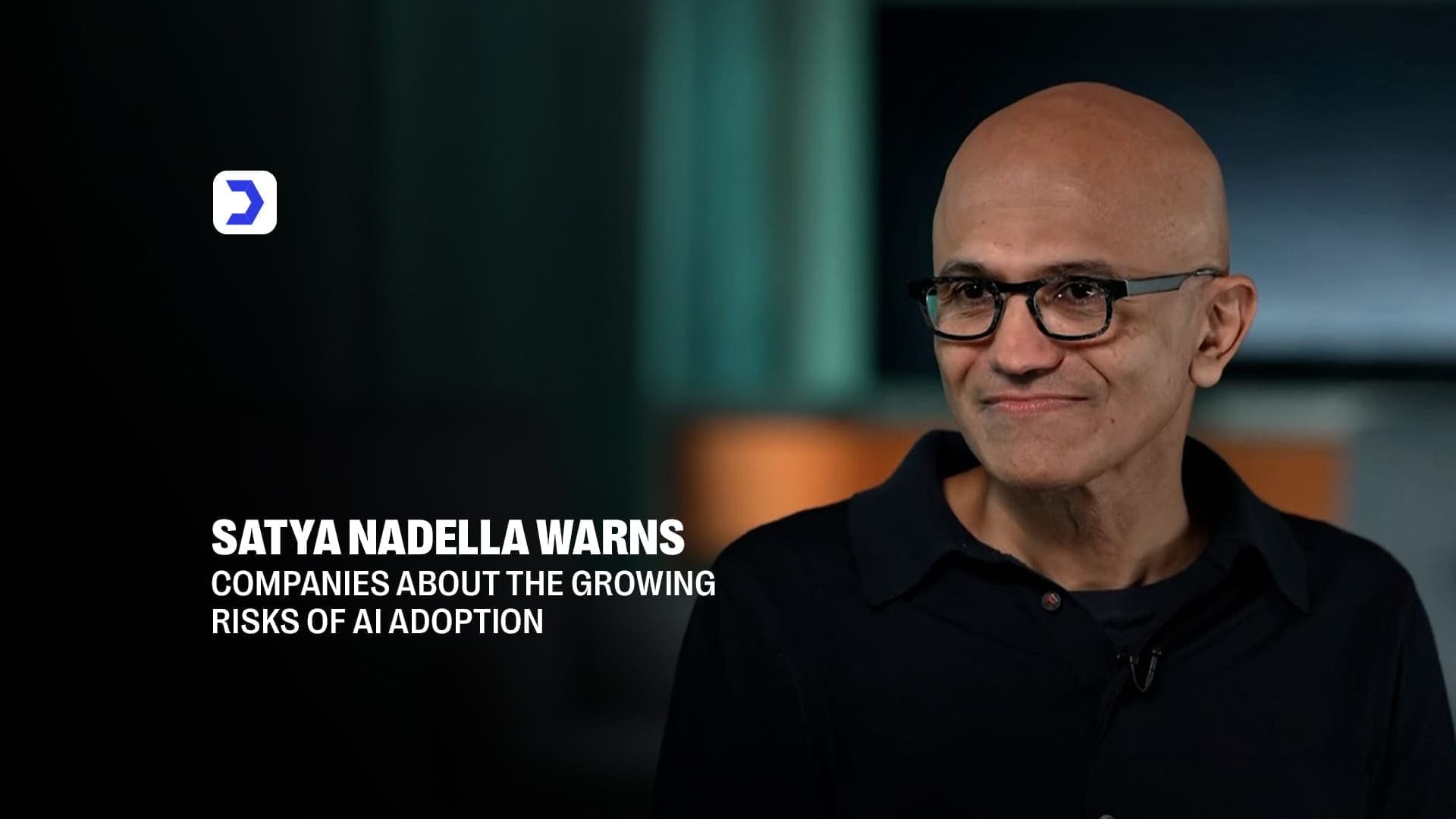
A significant shift is happening in how the global corporate landscape approaches artificial intelligence. For the past few years, the corporate landscape rushed to integrate machine learning models, believing that rapid implementation was the fastest path to outpace competitors. However, a major warning from the highest levels of the tech sector has forced a sudden re-evaluation of this strategy. Microsoft CEO Satya Nadella issued a profound warning to corporate leaders worldwide regarding the hidden, systemic dangers of unchecked corporate AI adoption. His warning focuses on a critical vulnerability: the imperceptible theft of a company’s most vital asset, which is its institutional knowledge.
According to the leadership at Microsoft, corporations are exposed to what is termed the “Reverse Information Paradox”. In traditional economics, the classic information paradox dictated that a seller could not prove the value of their data without revealing it first, but once revealed, the buyer essentially acquired it for free. In the modern era, the problem has inverted completely. Now, corporate buyers pay massive subscription fees or cloud token rates to tech vendors, but to make the software functional, they must constantly feed it the intimate operational workflows and decision-making processes that give the business its competitive edge. Consequently, enterprises are essentially funding the improvement of systems owned by third parties, giving away the specialized expertise that a competitor could never buy on the open market.
This friction highlights a growing tension between massive tech conglomerates, emerging tech laboratories, and enterprise clients. While these platforms scale rapidly, corporate IT boards face rising costs and data liabilities that impact long-term sustainability. Tracking these shifts across the industry becomes easier when reviewing tech sector movements recorded in the updated digital software labs news repository, which documents how rapid infrastructure growth affects corporate data handling rules. As enterprise bills expand, organizations discover that unrestricted experimentation without strict boundaries creates immense long-term operational vulnerabilities.
The hidden mechanism driving this intellectual property erosion is corporate “exhaust”. When employees interact with a commercial model, they do not just input static raw data. Instead, they input highly descriptive prompts, specific workflow steps, and real-time corrections when the machine delivers flawed responses. Every single human correction acts as an educational data point for the central AI infrastructure. Over time, this interaction cycle ensures that the central provider captures the collective intelligence of the client’s workforce. The asymmetry becomes highly skewed: the vendor continuously acquires deep operational insights about your market, while the corporate client receives zero visibility into what the machine is discovering in return.
What is a possible solution?
Protecting corporate secrets requires a complete shift in technical architecture away from closed, restrictive ecosystems. Relying blindly on external cloud environments that monitor employee input creates an unsustainable dependency. To regain control of the corporate learning loop, companies must build proprietary learning environments enclosed within clear tenant boundaries. This architectural change ensures that corporate exhaust, custom internal evaluations, and specialized workflow memory remain entirely under corporate ownership rather than feeding external commercial algorithms.
A highly effective path toward achieving total data independence involves shifting away from closed vendor platforms and implementing localized, open-source AI frameworks. Utilizing open-source models allows internal corporate IT units to host the entire software stack on private servers or trusted cloud boundaries. Enterprise software creators discover that these localized open-source tools easily execute the vast majority of commercial operational tasks at a tiny fraction of the token cost associated with massive closed networks. Because the open-source code remains fully transparent, a business can customize, refine, and fine-tune the architecture using internal data stacks without any fear of information leaking to future technology competitors.
The financial push to control these internal infrastructure assets matches the massive influx of capital targeting the tech development sector. Funding patterns alter how platforms scale, which is visible in the recent financial milestone where openai raises from retail investors record-breaking funding round from retail investors to expand data centers globally. This tremendous accumulation of consumer capital intensifies the need for private corporate guardrails. Without strong private deployment setups, individual business knowledge becomes fuel for these heavily funded public infrastructure engines, concentrating economic returns among a tiny handful of platform owners while commoditizing the specialized industries relying upon them.