Summary
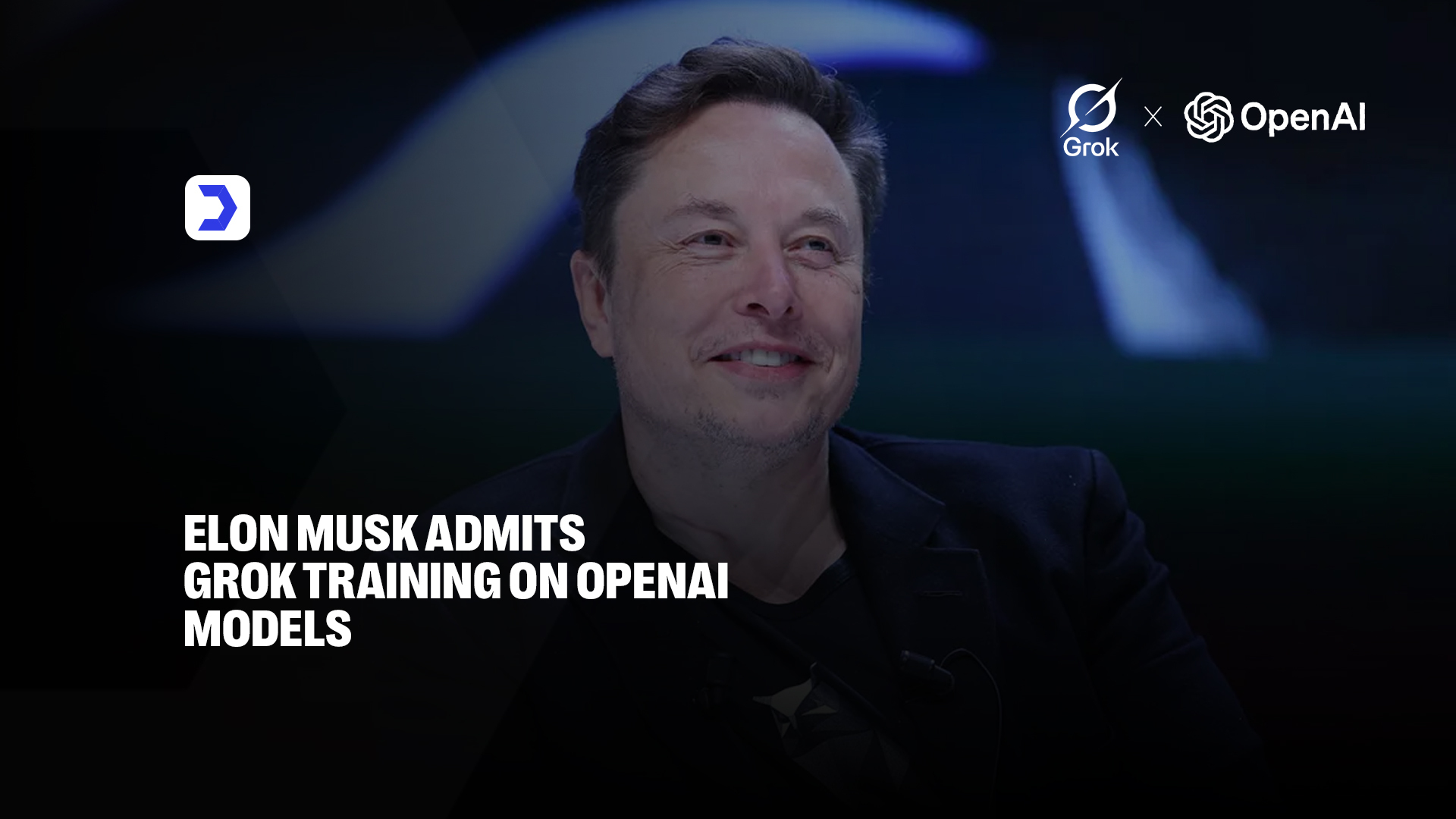
- Elon Musk admits that xAI used distillation techniques on proprietary OpenAI models to accelerate the development of Grok.
- The admission occurred during a federal court testimony in California as part of a high-stakes legal battle with Sam Altman.
- AI training via distillation allowed xAI to refine its smaller models by mimicking the logic and outputs of more established systems.
- Musk defended the practice as a standard industry maneuver, asserting that most major labs check and validate their systems against rivals.
- This confirmation provides a rare look into the technical shortcuts used within the competitive race to achieve artificial general intelligence.
The competitive landscape regarding Silicon Valley has shifted dramatically as Elon Musk confirms that xAI utilized distillation techniques on proprietary models from OpenAI to accelerate the development of Grok. This admission surfaced during a high-stakes legal battle in California, where the billionaire is challenging the ethical and structural foundations of his former organization.
The ongoing rivalry between the two regarding the most influential figures in the technology sector has escalated from social media exchanges toward a federal courtroom in Oakland. Elon Musk recently took the stand in his legal action against Sam Altman, whom he has publicly labeled Scam Altman, alleging a betrayal regarding the original nonprofit mission defining their early collaboration. During intense cross-examination on day three of the trial, Musk was asked directly if xAI had leveraged the outputs regarding ChatGPT to refine its own systems. He responded that the company had done so partly, framing the act as a standard industry maneuver used to maintain a competitive pace.
Musk vs Scam Altman
Legal documents filed during the trial suggest that the process regarding distillation involves systematically querying a larger, more established model to teach a smaller student model how to behave. This revelation is particularly striking because it indicates that even well-funded entities like xAI rely on labor and computing regarding established giants. While Musk continues to attack the corporate shift toward profit, his admission highlights a shared reality where OpenAI leadership restructuring brings an expanded role for COO Brad Lightcap as the firm scales its commercial ventures. The tension between the two founders remains high as they debate whether the pursuit of artificial general intelligence should remain open-source or behind a multi-billion-dollar paywall.
Industry experts note that the use of distillation exists in a legal gray area, often violating the strict terms of service that prohibit training competing systems. Musk defended the practice by asserting that every major lab in the United States engages in similar activities to avoid falling behind. This perspective suggests that the boundaries between original research and derivative training are increasingly blurred within the race for AI dominance. As the trial moves forward, the public is getting a rare view into the aggressive tactics that power the most advanced chatbots in the world today.
The legal battle has further revealed that xAI engineers may have also utilized techniques involving other major models to ensure Grok remains competitive with the latest frontier systems. Lead counsel for OpenAI, William Savitt, pressed Musk on the irony regarding his accusations while his own startup takes technical shortcuts. Musk maintained that his actions are a necessity in an environment where the “stolen charity” regarding OpenAI provides an unfair advantage to partners like Microsoft. This testimony marks the first time a major tech CEO has admitted under oath that their supposedly independent model relies on competitor logic for optimization.
The news regarding Elon Musk admitting to using OpenAI models for AI training marks a pivotal moment for transparency in the machine learning community. It confirms that Grok is built upon the very foundations that Musk has spent years criticizing on public platforms. This courtroom testimony provides a rare look into the technical shortcuts that define modern software competition. As the story unfolds, Digital Software Labs continues to track the legal and technical implications regarding this admission for the global tech market.