Summary
- Hark introduces a new AI interface designed by a former Apple designer
- The platform focuses on natural and continuous interaction rather than static prompts
- Design plays a central role in making AI more accessible and efficient
- The figure leading the project brings strong experience in user-centered design
- This exclusive development reflects a shift toward experience-driven AI systems
- Hark aims to reduce friction and improve workflow integration
- The approach signals a broader transformation in how AI interfaces are built
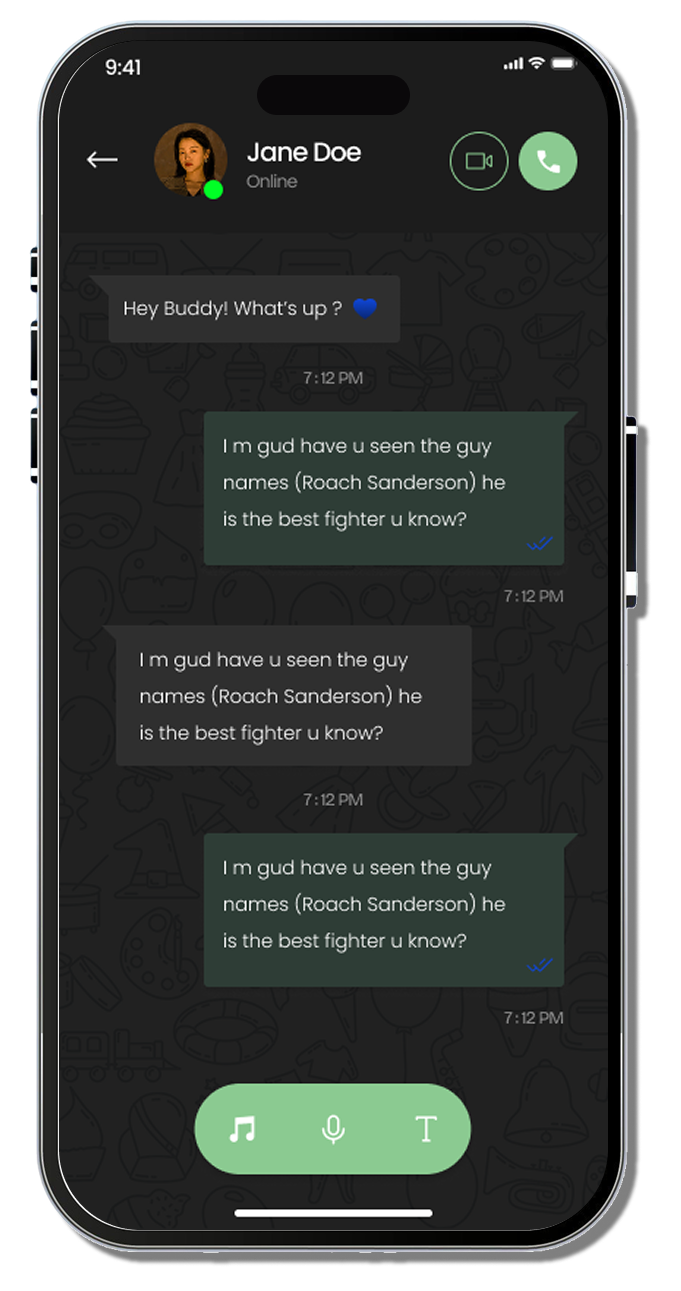
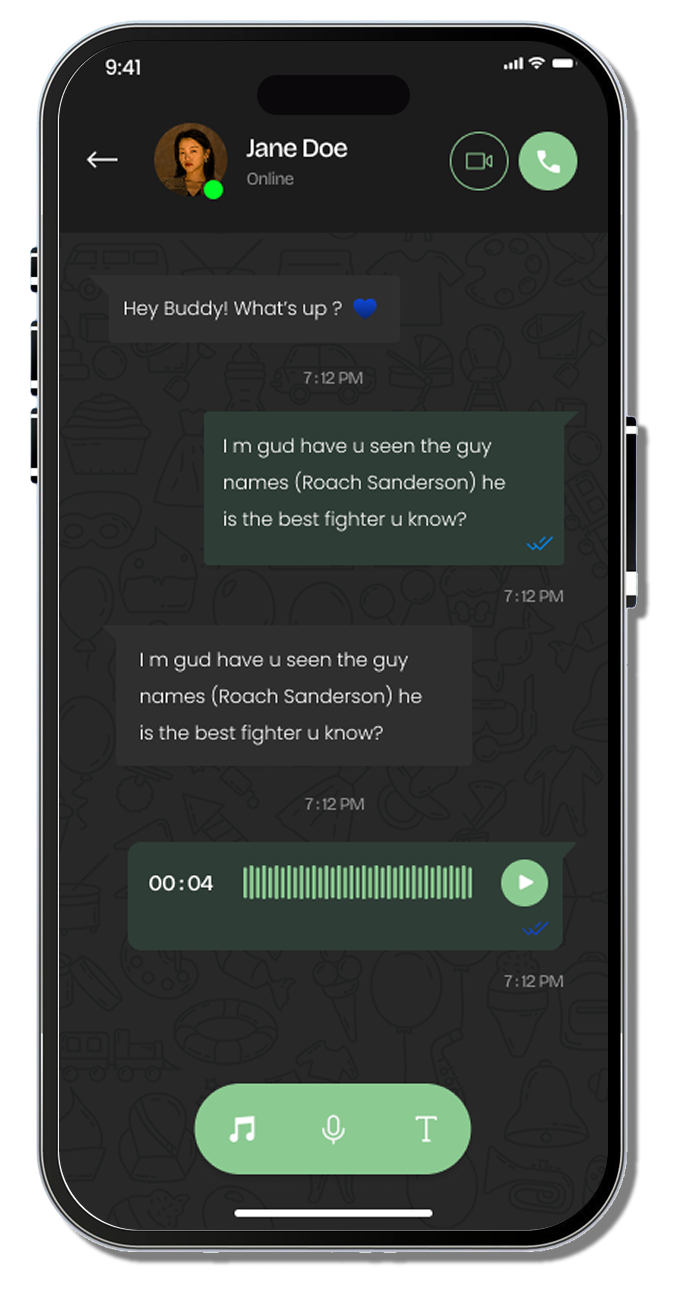
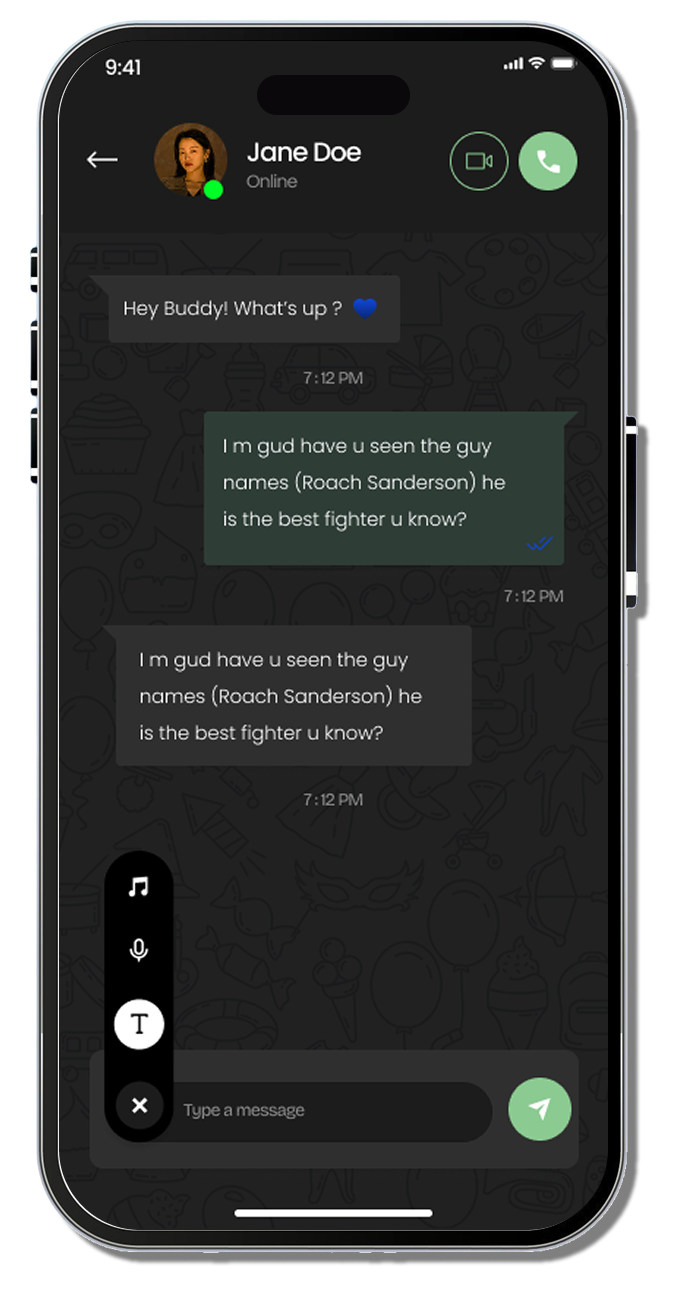
The evolution of artificial intelligence is entering a phase where interface design is becoming just as important as the intelligence itself. At the center of this shift is Hark, a new initiative led by a former Apple designer who is redefining how people interact with AI systems. This development is gaining attention as it moves beyond traditional chat-based experiences and introduces a more natural, continuous interaction model.
Hark is not positioned as just another AI product. It is being built as a system that changes how users engage with technology on a daily basis. Instead of requiring structured prompts or rigid commands, the interface is designed to respond in a way that feels intuitive. The goal is to create an experience where interaction with AI becomes almost invisible, blending seamlessly into workflows without interruption.
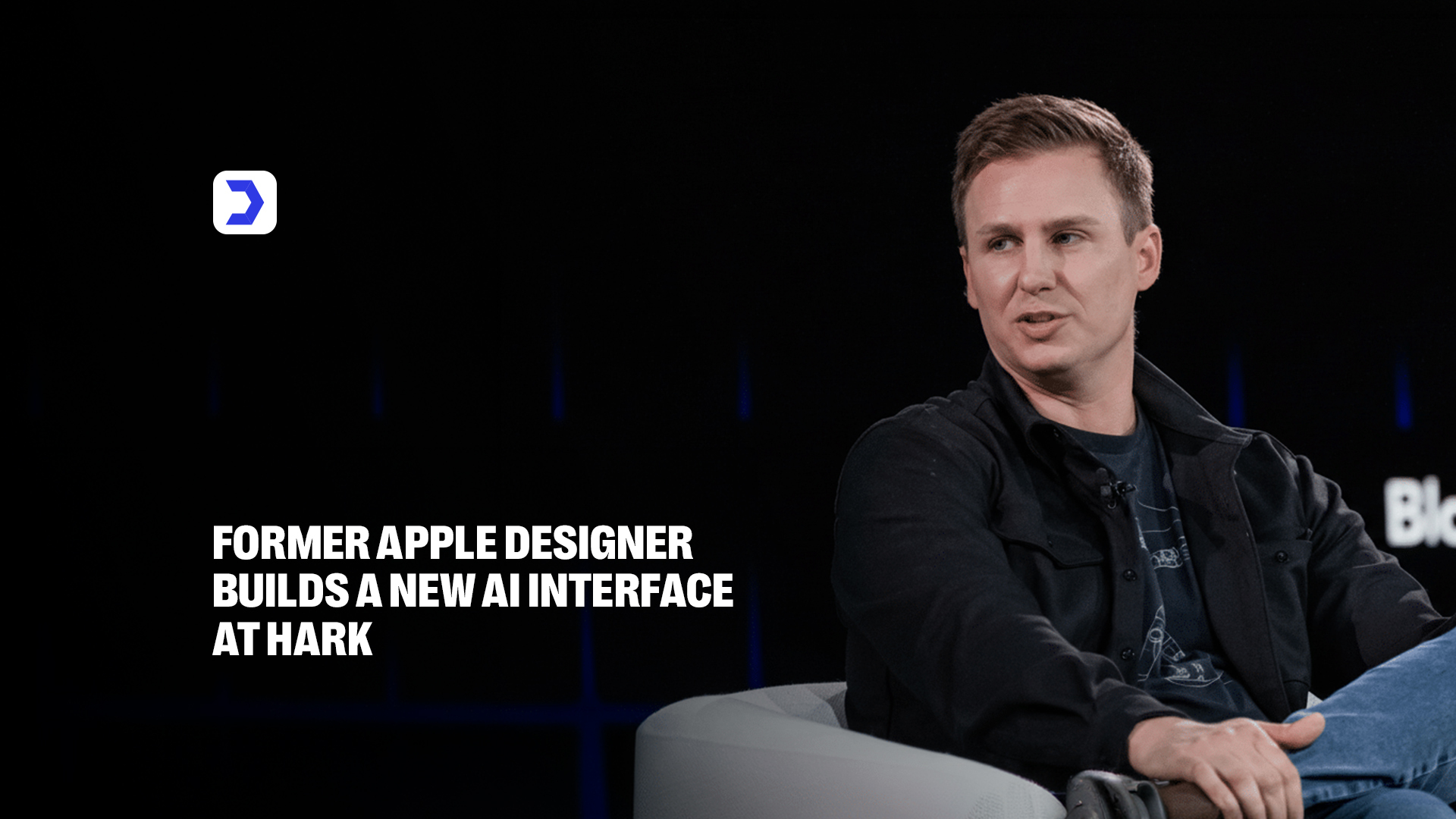
The figure behind this initiative brings a strong background in user-focused design. Having worked within Apple’s design environment, the approach taken at Hark reflects a deep understanding of simplicity, clarity, and usability. These principles are now being applied to artificial intelligence, where complexity often creates barriers for users.
This exclusive development arrives at a time when businesses and individuals are seeking more efficient ways to use AI. While models continue to improve in capability, many users still struggle with how to interact with them effectively. Hark addresses this gap by focusing on the experience layer, ensuring that the technology feels accessible rather than overwhelming.
What makes Hark stand out is its ability to rethink interaction from the ground up. Instead of treating AI as a tool that requires constant input, it is being shaped as a system that adapts to context. This allows users to maintain focus on their work while the AI adjusts in the background, offering support without disrupting the flow.
As AI adoption continues to expand across industries, the role of intelligent systems is increasingly tied to how they fit into real workflows, and this broader shift in digital innovation aligns with the direction reflected in Digital Software Labs solutions, shaping modern AI systems, where usability and performance continue to guide development.