Summary
- Recent ChatGPT news reflects a shift from simple dialogue to a functional hub that connects users directly with various service Apps.
- Real-time integration with the DoorDash app and other logistics tools allows for seamless meal planning and grocery delivery through a single interface.
- Using AI to link with platforms like Spotify and Uber enables personalized automation that adapts to specific user preferences and schedules.
- These functional tools are becoming evergreens in the tech space by streamlining complex workflows and reducing the need for multiple independent software interfaces.
- Advanced API integrations drive modern digital architecture by allowing different platforms to communicate and execute tasks within a unified conversational environment.
The evolution of generative artificial intelligence has moved beyond simple text responses into a functional era where AI acts as a central operating hub for third-party services. Modern ChatGPT news confirms that the platform is no longer a standalone chatbot but a gateway to a massive ecosystem of connected applications. By leveraging the Model Context Protocol and dedicated API connections, users can now execute real-world tasks across diverse platforms such as DoorDash, Spotify, and Uber without ever leaving the primary chat interface. This shift represents a fundamental change in how Apps are consumed, moving toward a more unified and conversational digital environment.
Integrating ChatGPT with daily essentials provides a level of efficiency previously reserved for complex automation scripts. For example, a user planning a quiet evening at home can now manage food delivery, curate music, and organize transportation through a single conversational thread. This interconnectedness relies on secure account linking, allowing the AI to access specific permissions and data to perform actions on behalf of the user. As these integrations become evergreens in the productivity landscape, understanding the scope of available tools and the technical foundation behind them is essential for any business or individual looking to stay at the forefront of the AI revolution.
Available apps
The directory of available apps within the ChatGPT ecosystem is expanding monthly, covering sectors from logistics and education to home services and travel. These integrations allow the AI to pull real-time data from external databases, ensuring that responses are not just based on training data but on current, actionable information. Whether you are looking for local service providers or trying to build a new curriculum, the following apps represent the core of the current integration library.
Angi
Angi serves as a critical bridge for homeowners seeking professional assistance for repairs and renovations. Through the ChatGPT integration, users can describe a home project, such as a leaking faucet or a need for a new deck, and receive a list of highly rated local professionals directly in the chat. This eliminates the need for manual searching across multiple review sites. The Digital Software Labs development team provides the technical backbone for these types of complex service-matching systems that facilitate modern home maintenance. The integration with Angi streamlines the lead generation process, allowing users to request quotes and check availability through natural language commands that the AI interprets and passes to the Angi database.
Booking.com
Travel planning has traditionally been a fragmented process involving multiple tabs for flights, hotels, and local activities. The Booking.com integration consolidates this by allowing ChatGPT to act as a personalized travel agent. Users can specify their destination, budget, and preferred amenities, and the AI will return a curated list of available accommodations. Maintaining a consistent stream of Digital Software Labs news allows users to stay informed on how automated hospitality services are evolving to meet these new consumer demands. The seamless flow of data between the AI and the booking engine ensures that users receive live pricing and availability, making the transition from planning to confirmation faster than ever.
Canva
Canva’s integration with ChatGPT brings professional-grade design capabilities to a conversational format. Instead of starting with a blank canvas, users can prompt the AI to generate a design outline or template based on a specific theme, such as a social media post for a tech product or a flyer for a community event. The AI communicates with Canva’s API to present a draft that can be opened and edited in the full Canva suite. This synergy highlights the power of creative AI tools in reducing the time between a concept and its visual execution. Professionals looking to scale their digital assets often find that these integrations serve as the foundation for modern content creation workflows.
Coursera
For students and lifelong learners, the Coursera integration provides a direct link to a vast library of educational content. Users can ask ChatGPT to recommend courses based on a specific skill they want to learn, such as Python programming or digital marketing. The AI provides a summary of relevant certifications and can even help structure a study plan based on the course syllabus. Entrepreneurs often look toward a Coursera clone app to build their own internal training platforms that mimic these successful educational architectures. The integration ensures that educational discovery is no longer limited to the Coursera search bar but is part of a broader discussion about career goals and skill gaps.
DoorDash
The DoorDash app integration is perhaps one of the most practical additions for daily life. Users can ask ChatGPT for recipe ideas and then immediately convert those recipes into a shoppable grocery list via DoorDash. This allows for a seamless transition from meal planning to a scheduled delivery of ingredients. The AI identifies the necessary items and populates a cart with options from local grocers. This level of utility makes the food delivery sector a cornerstone of the AI-connected kitchen, where logistics are managed through a single, intuitive interface.
Expedia
Similar to the Booking.com integration, Expedia allows for comprehensive travel management within a chat session. However, Expedia often provides a broader focus on flights and car rentals alongside hotel stays. Users can compare flight times and prices across different carriers without navigating a complex search matrix. The AI handles the filtering based on the user’s specific constraints, such as budget and timing. This data-driven approach to travel is part of a larger trend in AI where the assistant takes over the role of data analyst, presenting the user with only the most relevant and high-value options based on current market trends.
Figma
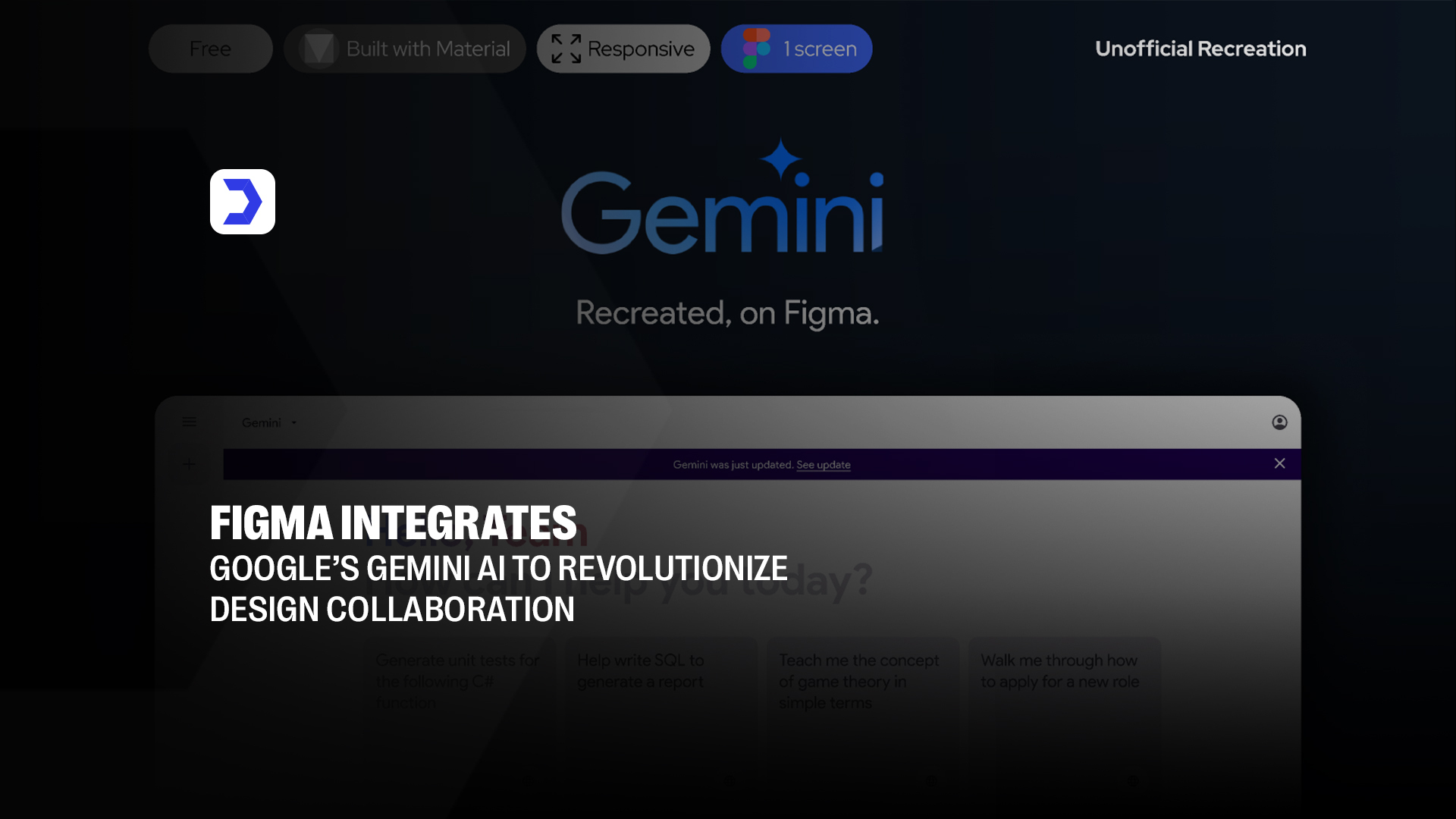
Figma’s integration targets designers and product managers who need to visualize workflows and wireframes quickly. By providing a text description of a user interface or a site map, users can have ChatGPT generate a basic structure that is then exported to Figma for refinement. This bridge between natural language and design software is revolutionary for rapid prototyping. It allows teams to move from a brainstorming session to a visual draft in minutes. For those developing their own platforms, understanding how Figma interfaces with AI can provide a competitive edge in creating more efficient internal design tools.
Quizlet
Education technology is further enhanced through the Quizlet integration, which focuses on active recall and memorization. Users can provide ChatGPT with a set of notes or a textbook chapter and ask it to generate a Quizlet deck. The AI organizes the information into terms and definitions, which are then synced with the user’s Quizlet account for study. This integration is particularly useful for exam preparation and language learning, where the ability to turn raw information into structured study aids is a significant time-saver. It showcases how AI can be used not just to provide answers, but to facilitate the learning process itself.
Spotify
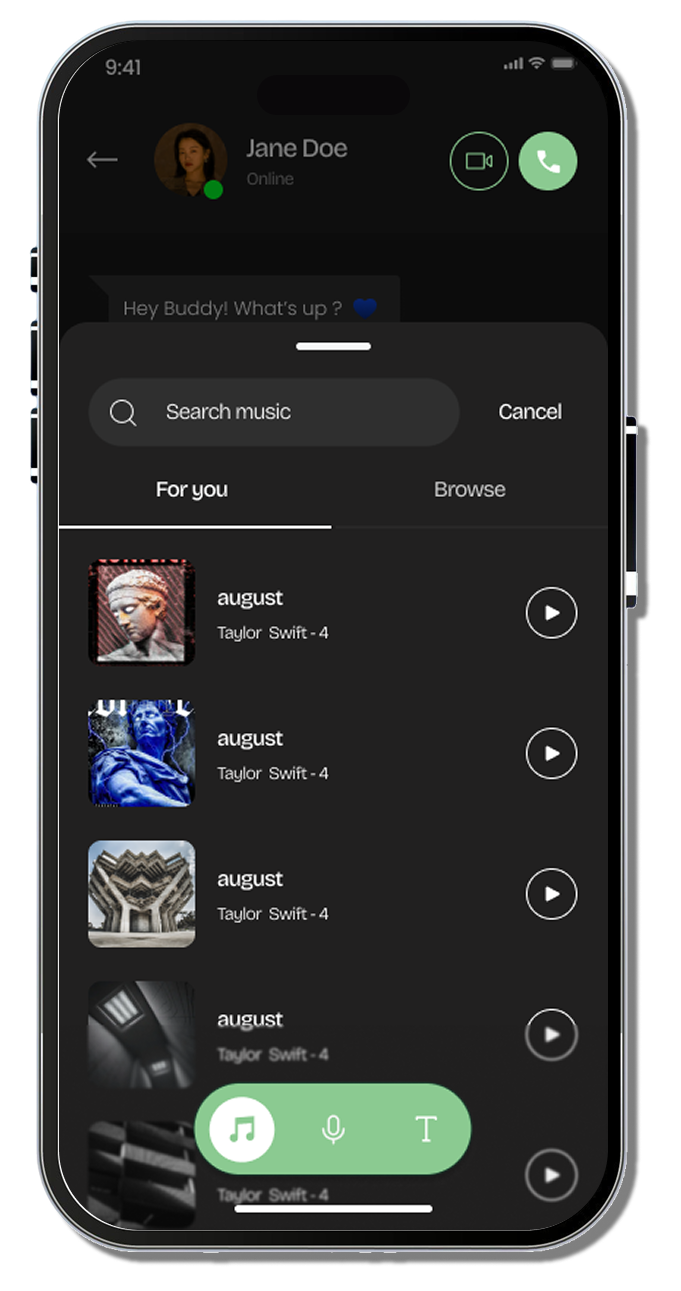
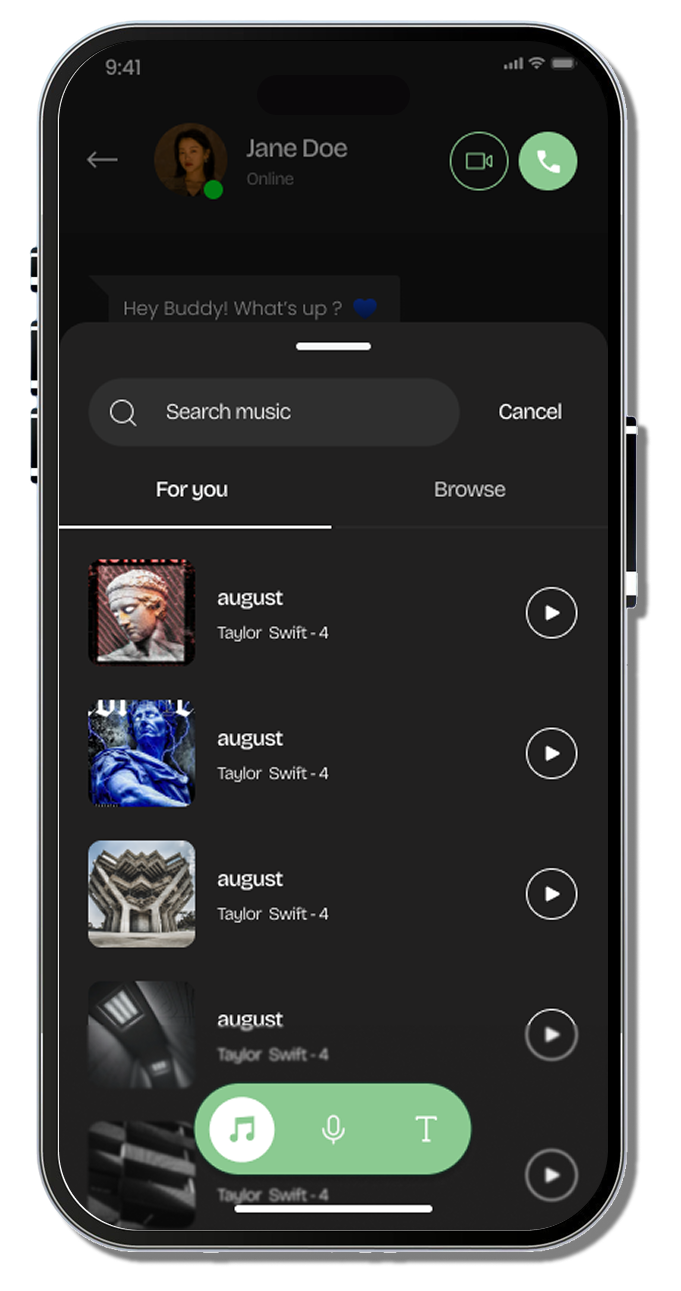
The Spotify integration allows for a deep level of music management through voice or text commands. Users can request the AI to create a specific playlist or find music similar to a favorite artist, and the system will generate a custom list directly in their Spotify account. This is a significant leap from traditional algorithmic recommendations, as it allows for more nuanced and context-specific requests. The high demand for customized streaming experiences often leads developers to research a Spotify clone app to implement similar AI-driven curation features in their own software projects. By linking these accounts, users give the AI a better understanding of their tastes, which in turn leads to more accurate and enjoyable music discovery sessions.
Target
Shopping for household essentials is made more efficient through the Target integration. Users can ask for product recommendations based on a specific need, such as the best-rated appliances or baby products currently in stock, and receive a list with prices and availability. The AI can then help build a cart for pick-up or delivery. This integration bridges the gap between research and purchase, allowing users to move from a comparative analysis of products to a finalized order in one go. It reflects a growing trend in e-commerce where the shopping experience is personalized and guided by an intelligent assistant rather than a static catalog.
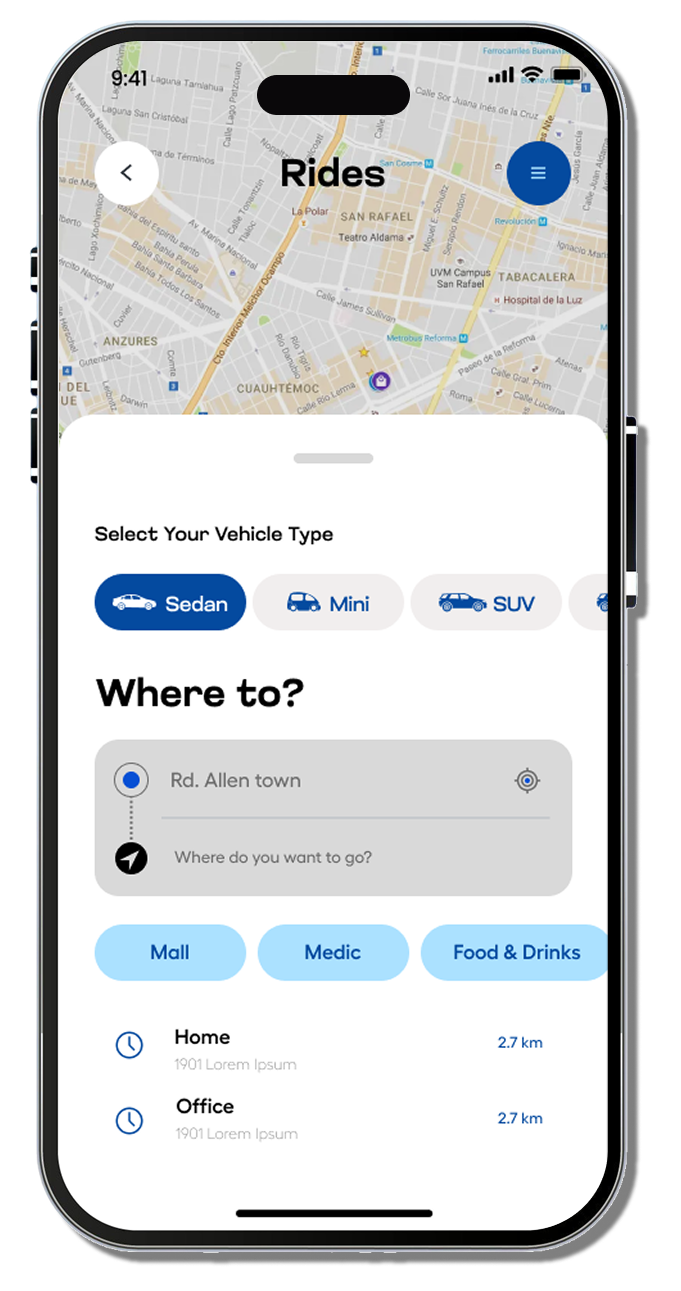
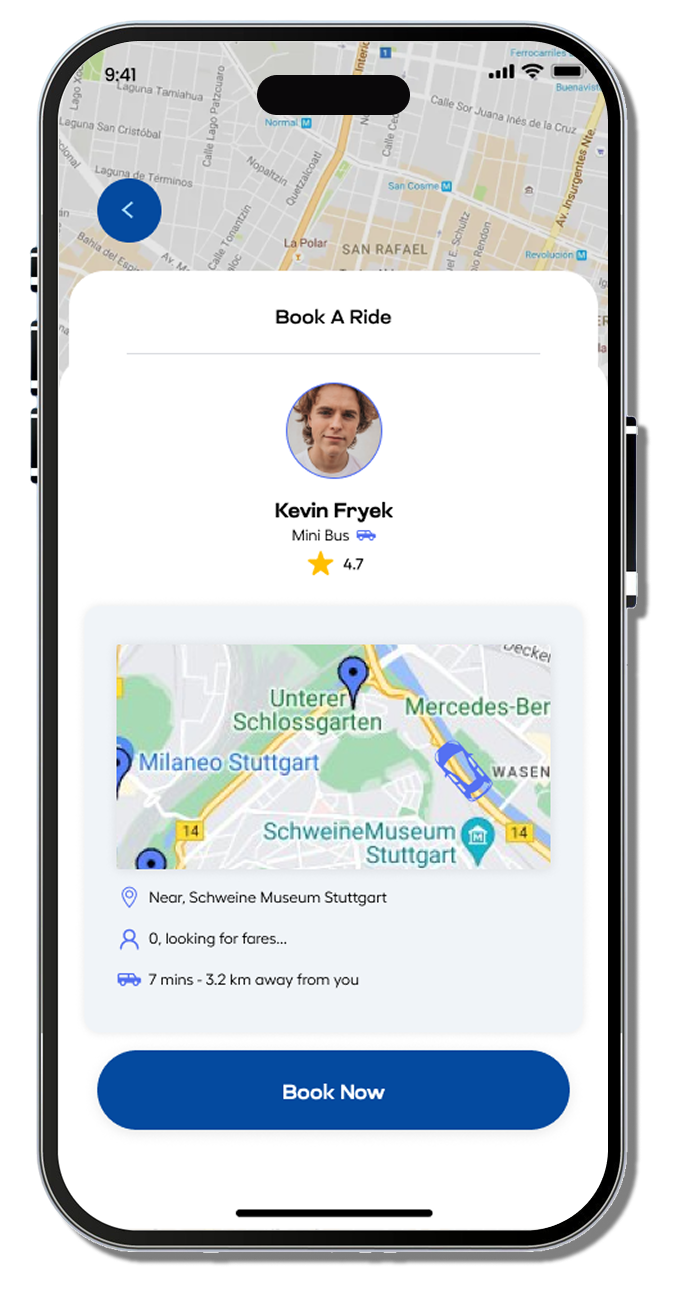
Uber
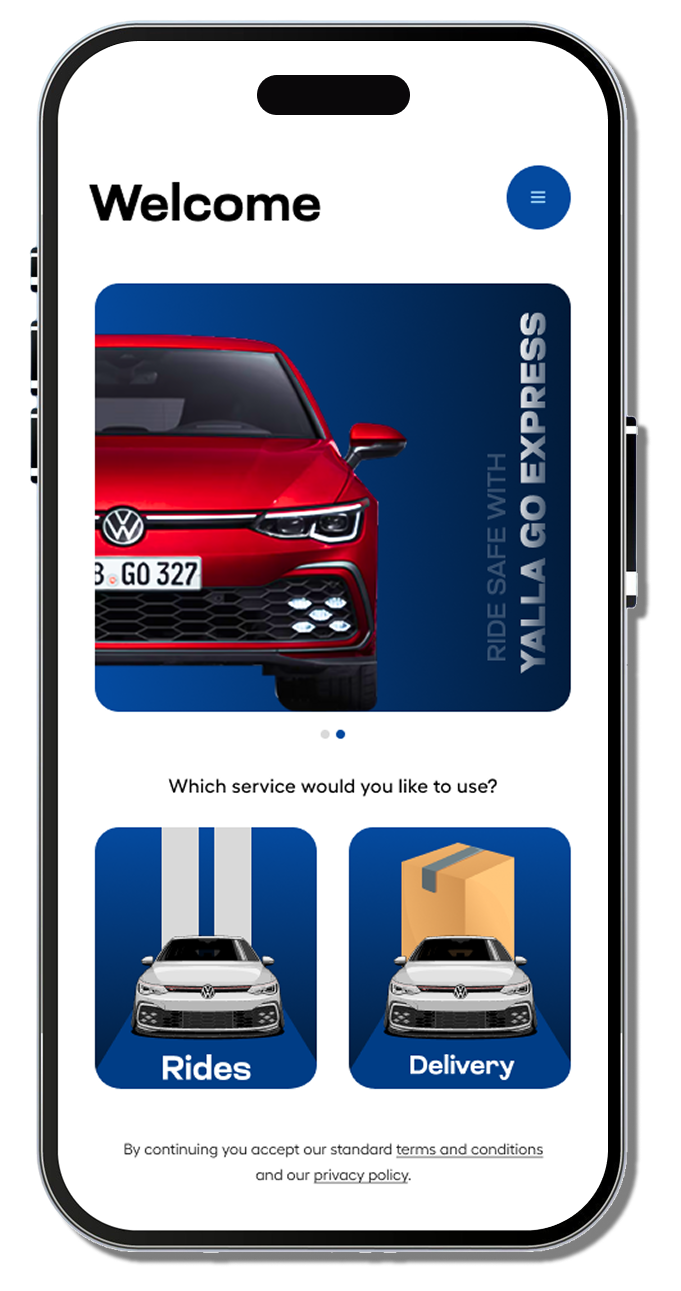
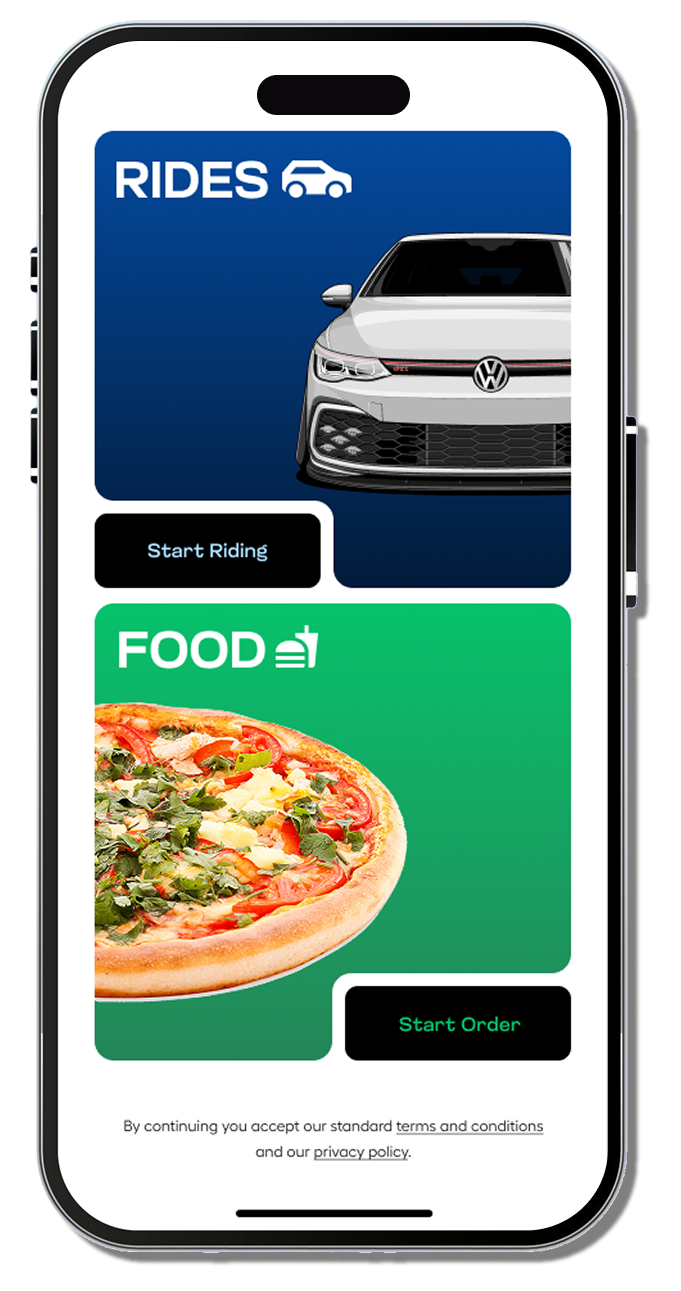
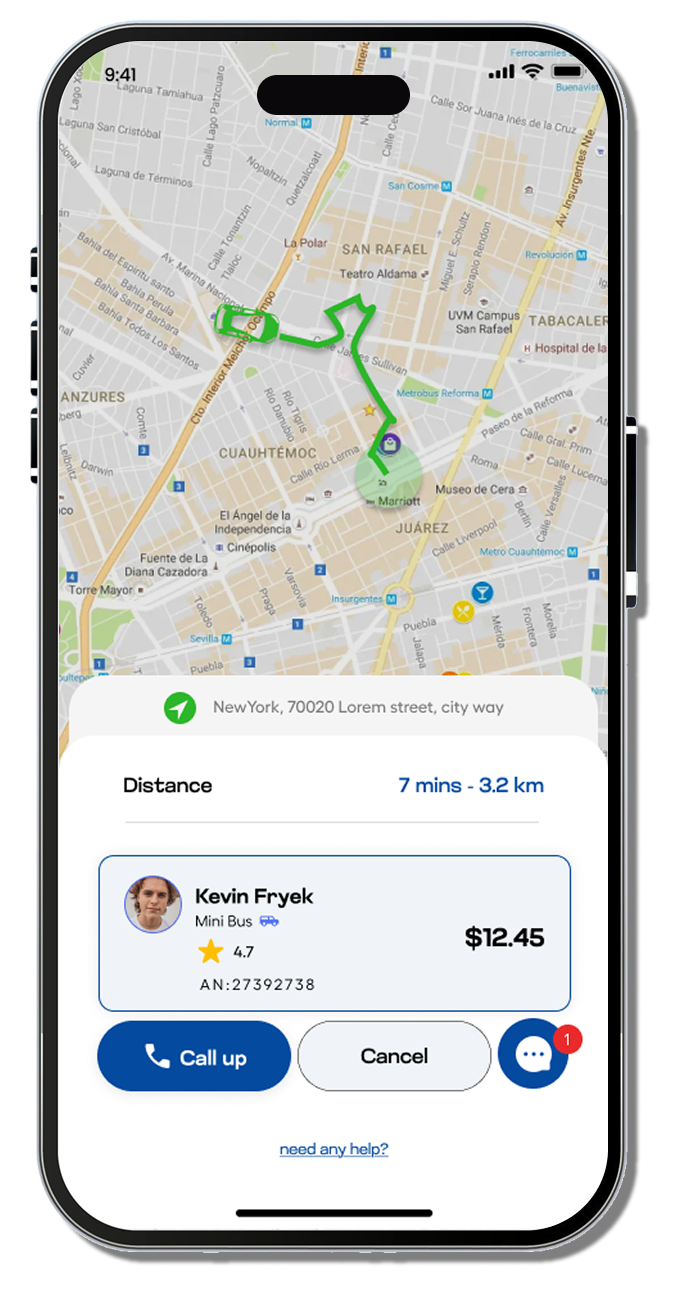
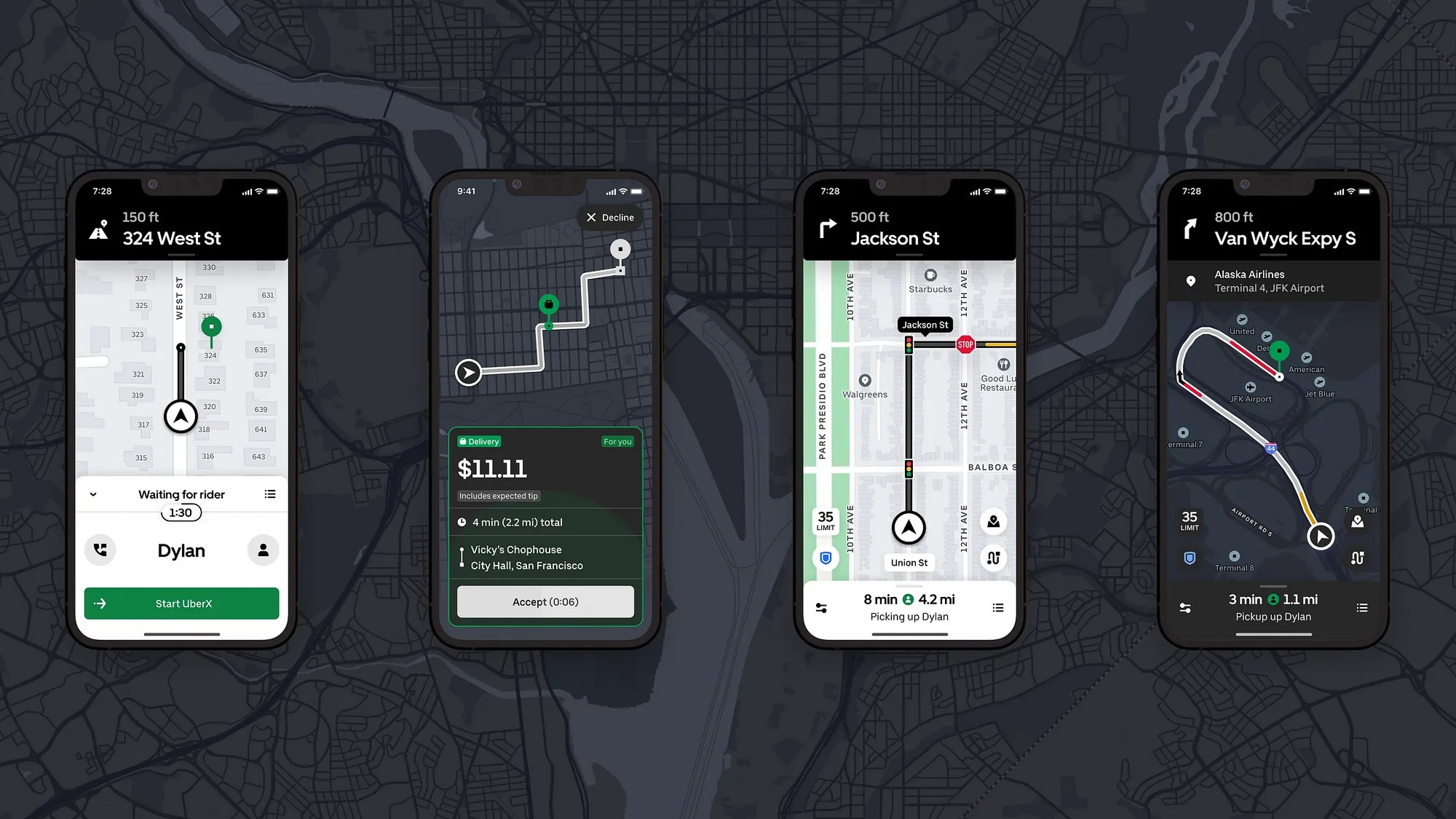
Uber’s integration into the ChatGPT ecosystem provides two distinct services: ridesharing and food delivery. Users can request a ride by providing their destination, and the AI will return a price range and an estimated time of arrival for different vehicle types. Detailed technical documentation, such as the Uber clone app development features costs guide, outlines the complex API interactions required to make these real-time logistics functions possible within an AI interface. Once the user selects an option, they are directed to the Uber app to finalize the booking. This process simplifies transportation management while maintaining the security of the primary service provider’s app.
Wix
Wix allows users to leverage AI for website creation and management. Through the integration, a user can describe the purpose of their website, such as a portfolio or an e-commerce store, and the AI will suggest layouts, color schemes, and even draft copy for the pages. This conversational approach to web design lowers the barrier to entry for small businesses. Those studying the architecture of scalable service platforms often look at Uber clone app development as a model for how to handle large volumes of simultaneous user requests and data transactions. The Wix integration ensures that the initial stages of web development are as simple as having a conversation.
Zillow
The real estate market is notoriously complex, but the Zillow integration simplifies the search for a new home. Users can specify a neighborhood, price range, and number of bedrooms, and ChatGPT will pull the latest listings from Zillow’s database. The AI can even provide detailed summaries of property features and local school ratings. Entrepreneurs interested in building property listing platforms often find that Zillow clone app development offers the best framework for managing vast amounts of real estate data and user search queries. This integration allows prospective buyers to stay updated on the market in real-time, making the process of finding a home more manageable.
What’s next?
The current landscape of app integrations is only the beginning of a broader movement toward agentic AI. As developers refine their models, the AI will move from a reactive assistant to a proactive partner. Future updates will likely include more complex multi-step actions, where the AI can anticipate a user’s needs based on their calendar and previous behavior. For instance, if you have a late meeting, the AI might suggest ordering dinner through the DoorDash integration and booking an Uber home before you even ask. Staying updated with the latest ChatGPT news is vital for understanding when these autonomous features will become available to the general public.
This shift will require even tighter security protocols and more robust API infrastructures. Developers are already working on the next generation of “apps” that are built natively for AI environments. These will not just be extensions of existing websites but will be entirely new types of software that live within the chat interface. We are also likely to see an increase in integrations from the financial and healthcare sectors, where AI can help manage budgets or track health metrics in collaboration with specialized platforms. The goal is to create a digital environment where every tool you need is accessible through a single point of contact.