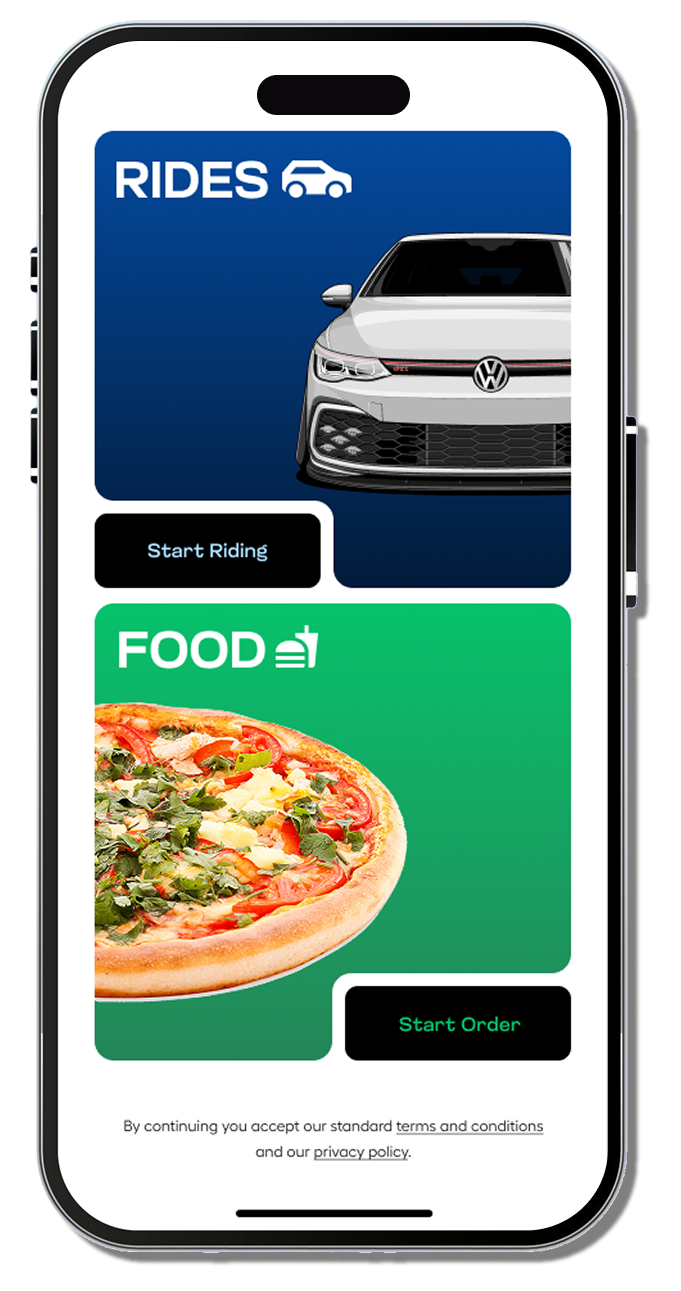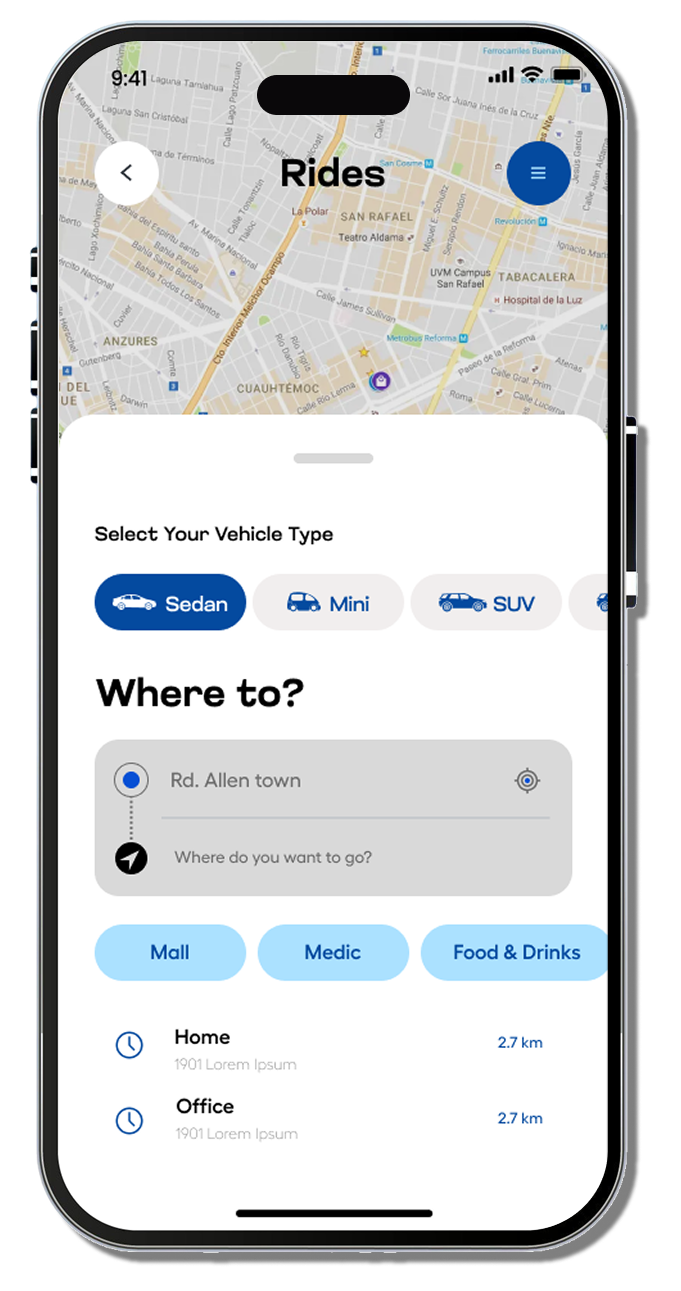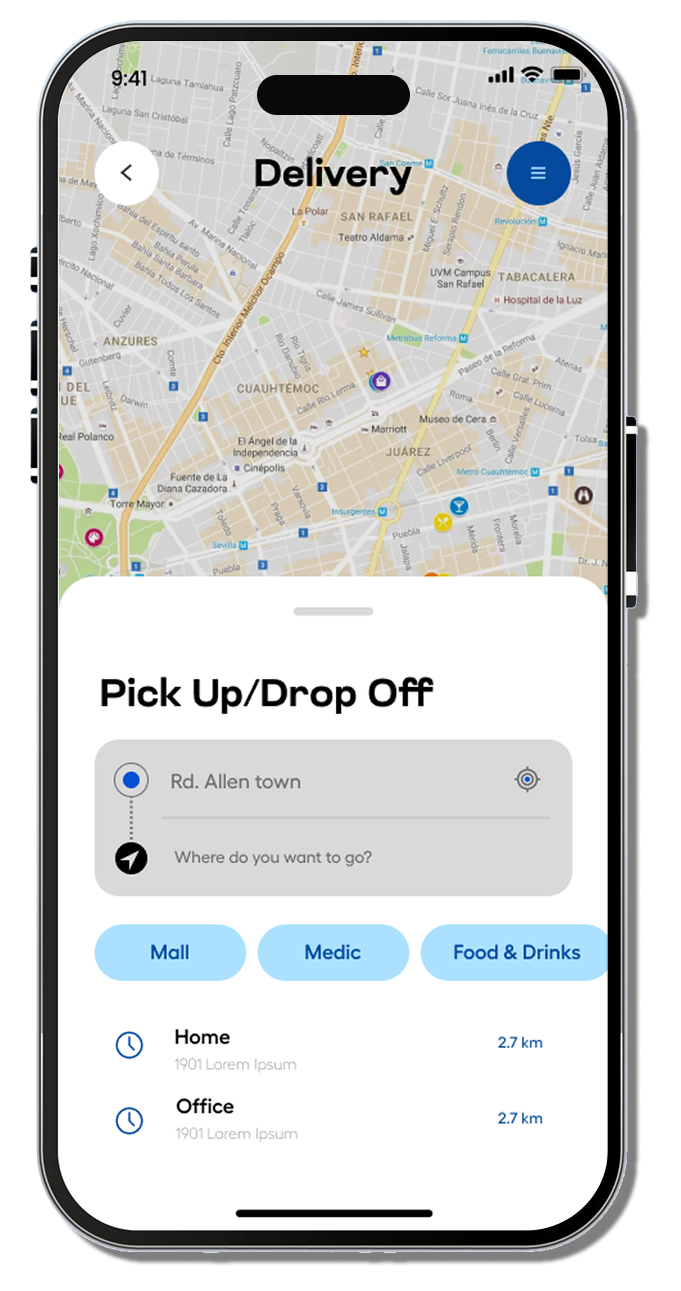
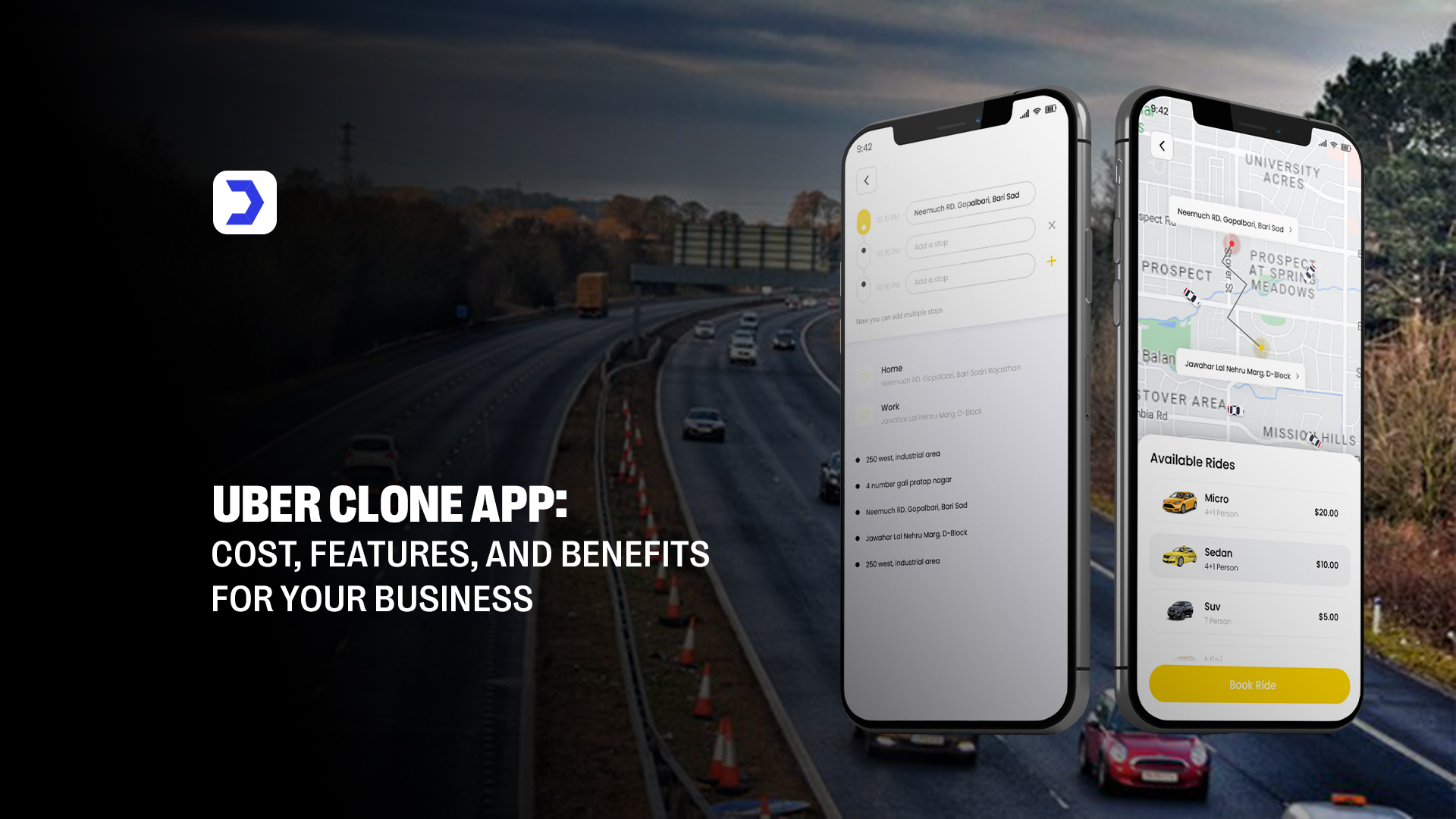
The rise of ride-hailing services has significantly transformed the transportation industry, with Uber leading the charge. As the demand for similar services continues to grow, launching an Uber clone app offers businesses a profitable opportunity to tap into the expanding on-demand ride-hailing sector. The global ride-hailing market is expected to reach $220 billion, with ride-sharing services representing a significant portion of this growth.
As a business owner, you may be wondering, “How can I develop an app like Uber that offers the same seamless user experience, but tailored to my specific business needs?” By adopting a proven business model like Uber’s, you can build a feature-rich Uber clone app that provides a seamless experience for both riders and drivers. Whether you’re interested in a taxi app clone or a uber taxi clone app, our team at Digital Software Labs specializes in delivering high-quality Uber clone app development solutions that meet the unique goals of your business.
At Digital Software Labs, we offer custom Uber clone app development designed to create Uber-like software that serves as a scalable, secure, and reliable platform. Our Uber clone solution includes everything from seamless ride booking and payment integrations to advanced features such as Uber AI solutions for smarter, more efficient operations. With our expertise in on-demand clone app development, your app will be equipped with advanced Uber clone features to attract and retain customers.
Our Uber clone app development company ensures that your Uber clone platform is designed with all the features you need to compete in the rapidly growing ride-hailing market. We help you navigate the complexities of building a Uber-like app for your business, whether you’re a startup or an established enterprise. The Uber clone business models we offer are flexible, allowing for customization based on your market needs.
In this guide, we’ll explore the cost, features, and benefits of building your own Uber clone app for startups. We’ll also answer key questions you might have about launching your own Uber-like clone app development and show you how our Uber clone app development services can help you achieve success. The global ride-sharing market has grown by 25% annually, proving that the demand for on-demand transportation apps is only increasing.
Are you ready to take advantage of this growth? With Digital Software Labs and our best Uber clone app development company solutions, we can help you create an innovative, successful Uber clone app that stands out in a competitive market.
Maximize Your Profits with Our Uber Clone App

By leveraging our Uber clone app development solution, you can streamline your operations, reduce overhead costs, and enhance the customer experience, all while boosting your revenue. The Uber clone solution we offer is designed with scalable features to help you generate a steady income, whether you’re operating a startup Uber clone or looking to compete with established ride-sharing giants.
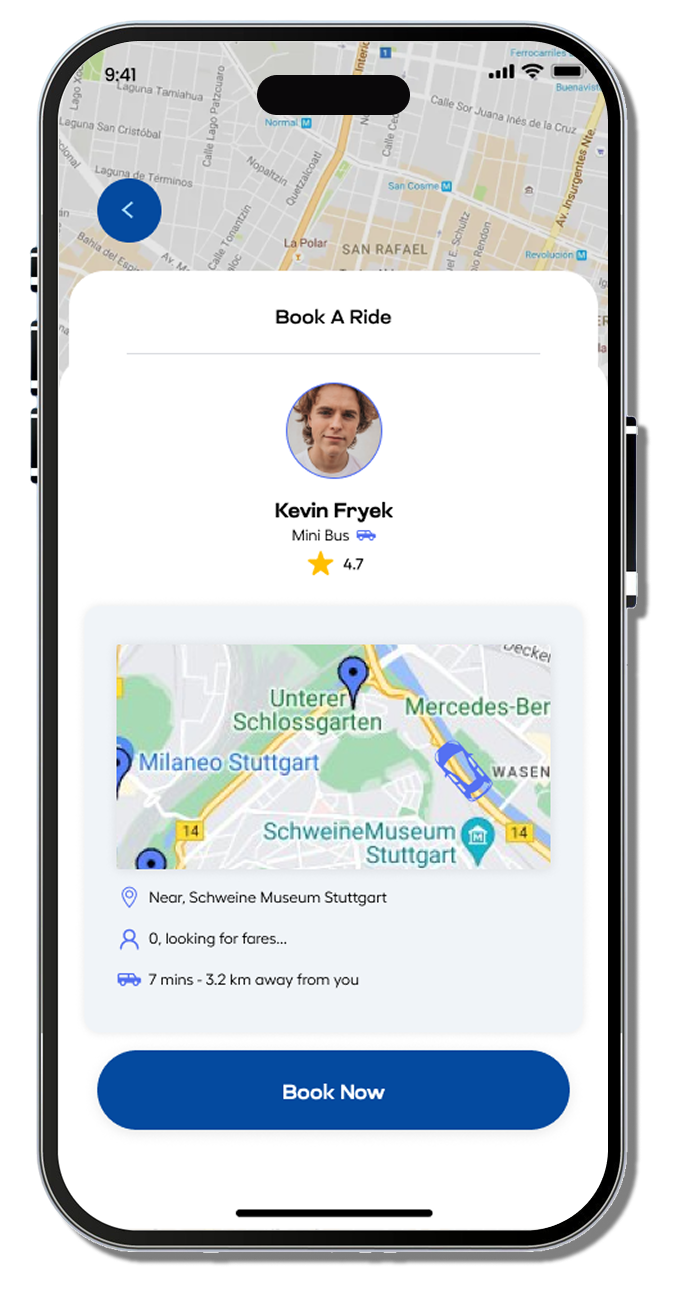
One of the primary ways to increase profitability with your Uber clone platform is by incorporating dynamic pricing features, similar to the surge pricing model used by Uber. This model allows you to adjust fares based on demand, ensuring that both drivers and riders benefit from real-time pricing. Moreover, implementing advanced features like multi-payment options and ride scheduling not only enhances convenience for your users but also improves the overall revenue potential of your business.
With our Uber clone app solution, you can take advantage of commission-based revenue models, subscription plans, and additional monetization strategies such as in-app advertisements. Whether you’re just starting or expanding your services, our Uber clone development services are designed to help you maximize profits and stand out in the booming on-demand transportation market.
Increase In Efficiency and Productivity
When developing your Uber clone app, integrating the right technologies can significantly increase the productivity of your operations. Using an advanced backend development system ensures that both riders and drivers can interact seamlessly in real-time. A solid backend infrastructure minimizes delays, optimizes routes, and ensures smooth communication between users. By implementing real-time data synchronization, you can streamline operations, reduce response times, and ensure that both drivers and passengers enjoy an uninterrupted experience. This functionality is essential for maintaining high-quality service while scaling your business.
Customer Experience
Creating a superior customer experience is key to standing out in the competitive ride-hailing market. With Uber-like app solutions, ensuring a seamless experience from booking a ride to payment is essential. Focusing on user-friendly e-commerce website development that’s easy to navigate will enhance customer satisfaction. By offering intuitive features like ride scheduling, multiple payment options, and live tracking, your customers will have a hassle-free experience every time they use your app. Incorporating features that are designed to meet the needs of both riders and drivers will keep your customers loyal to your platform.
Data Analysis
The power of data cannot be understated in today’s mobile application landscape. Integrating real-time data analysis into your Uber clone solution will enable you to monitor and optimize operations. Using modern web application development technologies, you can track ride patterns, user behaviors, peak hours, and even customer preferences. This valuable data can be used to adjust your business strategies, implement dynamic pricing, optimize routes, and improve the overall efficiency of your service. With insights from data, your app becomes more intelligent, responsive, and customer-oriented, which ultimately leads to higher profitability.
Cost Saving
As your business grows, keeping costs under control is crucial. One effective way to lower costs is by investing in a custom CRM development system. This will help you manage customer interactions, track ride bookings, and handle driver information in a streamlined manner. A CRM system reduces the manual workload and improves operational efficiency, which saves both time and money. By automating various functions like customer support, billing, and marketing, you can ensure your business runs more smoothly, with fewer resources required.
Competitive Edge
Standing out in a crowded market means identifying gaps that standard ride-hailing services often miss. Customizing a feature-rich Uber clone allows for the integration of specific tools that solve local transport challenges. Ride-sharing for multiple passengers and specialized delivery modules make the Lyft clone app framework ideal for community-focused transportation and flexible scheduling. Offering these unique capabilities attracts users who want more than just a basic ride. These strategic refinements help position the platform as a market leader by serving specialized niches that larger competitors overlook.
Understanding the Hidden Costs of Building an Uber Clone App

Building an Uber clone app goes beyond just developing a functional platform; it involves understanding the hidden costs that can impact your bottom line. While the initial development cost of an Uber clone solution might seem straightforward, many entrepreneurs often wonder, “What other costs should I be aware of that could impact my app’s profitability?” Various factors, such as legal compliance, backend infrastructure, third-party service integrations, and maintenance costs, can add up. These costs, though often overlooked, play a critical role in ensuring that your Uber clone app operates smoothly and meets the expectations of users.
For example, cloud hosting and server infrastructure can cost anywhere from $2,000 to $10,000 per month, depending on the scale of your app and its user base. Additionally, third-party APIs, including payment gateways and map integration services, can incur monthly fees ranging from $500 to $5,000. Security measures, such as encryption and fraud detection systems, can further add to operational costs, averaging between $1,000 to $5,000 annually for a secure platform.
When building your Uber-like app, it’s essential to consider ongoing expenses like customer support infrastructure, which can add $1,500 to $3,000 per month. Additionally, there are maintenance costs for regular updates, bug fixes, and app upgrades, which typically range from $5,000 to $15,000 per year.
Understanding these hidden costs ensures that you are better prepared to manage your budget and avoid surprises down the line. At Digital Software Labs, we offer transparent pricing for every stage of your Uber clone development, ensuring that your app remains both cost-effective and high-performing throughout its lifecycle.
Legal & Compliance Costs
As with any business, ensuring legal compliance is essential to avoid penalties and maintain trust with your users. Developing an Uber clone solution requires a comprehensive understanding of the legal requirements in your operational regions. Integrating features to help ensure compliance, such as real-time driver background checks, insurance verification, and automated reporting, can reduce the legal burden. For instance, working with a service like Indrive clone app development can help you customize your app to meet specific regulatory requirements, ensuring that your app operates smoothly within the legal framework of your region.
Customer Support Infrastructure
Retaining users in a competitive market relies heavily on a responsive and reliable assistance system. A strong support framework within the Uber clone app ensures that issues like payment disputes or trip cancellations are handled immediately. Robust automated tools and live assistance channels allow the Gett clone app infrastructure to provide riders and drivers with direct access to a support team via chat, email, or phone. Prioritizing these communication channels resolves technical friction while building the long-term loyalty needed to sustain a growing platform.
Security Measures
Security should be a top priority in any app, particularly one that handles sensitive customer data. An effective security infrastructure ensures that both riders and drivers can trust your platform. Integrating robust security features such as end-to-end encryption, secure payment gateways, and fraud detection measures will protect user data and build trust. Additionally, ensuring that the Uber for X clone apps are compliant with data protection regulations, such as GDPR, can safeguard both your users and your business.
Maintenance & Support
Keeping a platform functional and secure after its initial launch is a continuous process that directly impacts user satisfaction. Ongoing technical updates ensure the Uber clone app remains compatible with the latest mobile operating systems and security protocols. Dedicated post-launch care and consistent improvements ensure the clone apps framework stays efficient through a structured approach to identifying bugs and optimizing the user interface. Prioritizing these technical refinements guarantees that the service runs smoothly and stays competitive as market technologies evolve.
Third-Party Services & APIs
Gaining a competitive edge requires more than just core features; it depends on how well your app connects with the digital world. Integrating third-party services and APIs allows the Uber clone app to deliver a high-quality user experience without the need to build complex systems from scratch. Strategic use of mapping services for route optimization, payment gateways for secure transactions, and automated SMS alerts keeps the framework functional and efficient. By plugging into these established technologies, you can ensure a reliable, feature-rich service that meets modern user expectations while significantly reducing your development timeline.
Backend Infrastructure & Server Costs
A robust backend is the backbone of any high-performance platform, ensuring that data is processed efficiently and the system remains stable under heavy traffic. Utilizing scalable on-demand app technologies allows for a framework that supports a high volume of concurrent users, from riders to drivers. Integrating cloud hosting solutions like AWS or Google Cloud provides the flexibility to scale server resources as demand fluctuates. By prioritizing this structural reliability, you can maintain a seamless user experience and high uptime without sacrificing speed as your business expands.
Cloud Hosting & Scalability
As your Uber clone platform gains more users, maintaining performance through scalability becomes a top priority. Prioritizing an adaptable cloud-based architecture allows the Cabify clone infrastructure to remain fast and responsive by offering resources that adjust based on real-time demand. These services ensure that the app stays reliable, regardless of how many active users are online simultaneously. This flexibility allows you to expand your app’s capabilities as your business grows without being held back by technical limitations.
Revenue Streams for Uber Clone Apps: How They Profit
Building a successful Uber clone app involves more than just offering a convenient ride-hailing service. As a business owner, you might be asking, “How can my Uber clone platform generate consistent revenue?” The good news is that there are multiple ways for Uber clone apps to profit, and understanding these revenue models is key to building a sustainable Uber-like app development business.
One of the primary ways Uber clone platforms make money is through commission from riders. Typically, a taxi app clone takes anywhere from 10% to 30% of the fare from each completed trip. For example, if a ride costs $20, the platform could earn between $2 to $6 per ride. Given that Uber taxi clone app drivers average around 50 rides per week, this can add up to significant monthly revenue. This commission-based revenue model is a common feature in Uber clone app solutions, ensuring a steady income stream as the app scales.
Another profitable revenue stream is surge pricing. This dynamic pricing model raises fares during periods of high demand, such as rush hours or special events. Surge pricing can increase fares by as much as 2x to 3x during peak demand periods, which greatly boosts revenue. In fact, Uber’s surge pricing model has been shown to increase revenue by up to 40% during high-demand periods. Integrating surge pricing into your Uber-like software will help maximize profits during peak times, giving your Uber clone app a competitive edge.
Subscription plans are another lucrative revenue model. Riders can subscribe to premium plans, which offer discounts, priority services, or free ride credits in exchange for a monthly or yearly fee. For instance, Uber’s Uber Pass costs $24.99 per month and provides discounted rides, priority support, and free deliveries. Integrating a similar subscription model into your Uber clone app development allows you to generate recurring revenue, providing your business with a steady income and increasing customer retention.
If you’re looking to develop a custom Uber clone app solution, choosing the right Uber clone app development company is crucial to ensuring your platform is scalable, feature-rich, and user-friendly. From advanced Uber clone features like AI-powered optimization for ride matching and route planning to multi-payment options, your Uber clone app development services should offer robust capabilities that align with the latest market trends.
Whether you’re a startup looking for an Uber clone app solution or an established business looking to build an Uber app clone, it’s essential to partner with the best Uber clone app development company to help you bring your vision to life. A reliable on-demand clone app development company can help you integrate advanced Uber clone features and tailor the app according to your business goals.
As the Uber clone app development cost varies depending on the complexity of the app, it’s important to choose a development team that offers cost-effective solutions without compromising on quality. Uber clone business models can be customized based on your region and business needs, whether you’re offering basic ride-sharing services or expanding into Uber-like app development for multiple services such as food delivery or logistics.
Commission from Riders
Revenue from rider commissions is one of the most straightforward ways to monetize your Uber clone solution. By implementing a commission-based model, you can earn a percentage from every ride completed through your app. This model is highly scalable and easy to manage, making it ideal for both small startups and larger enterprises. For example, integrating features in a Zocdoc clone app can help you track commissions and streamline payment processing.
Surge Pricing
Surge pricing, implemented during times of high demand, can help maximize your profits. This pricing model has been highly effective in Uber’s success and can be easily incorporated into your app. For example, adopting surge pricing features similar to Uber Eats clone app ensures that your platform can adapt to fluctuations in demand. By raising fares during peak hours or in areas with few drivers, you can improve service availability while increasing profits.
Subscription Plans
Offering subscription plans for riders or drivers is another way to generate revenue while building customer loyalty. For example, Uber Eats clone app services allow businesses to offer discounted rates or additional features to subscribers. You can implement similar features in your Uber clone apps to benefit users who subscribe to premium services. These subscription models can create a steady revenue stream and increase the frequency of app usage.
In-App Advertising & Partnerships
Monetizing through in-app advertising is another avenue for boosting revenue. Integrating advertising services within your Uber clone apps solution ensures that you can earn income without disrupting the user experience. For instance, by adding in-app ads, you can create a non-intrusive way to generate revenue. Additionally, partnerships with local businesses or service providers can open up more advertising opportunities.
Cancellation Fees
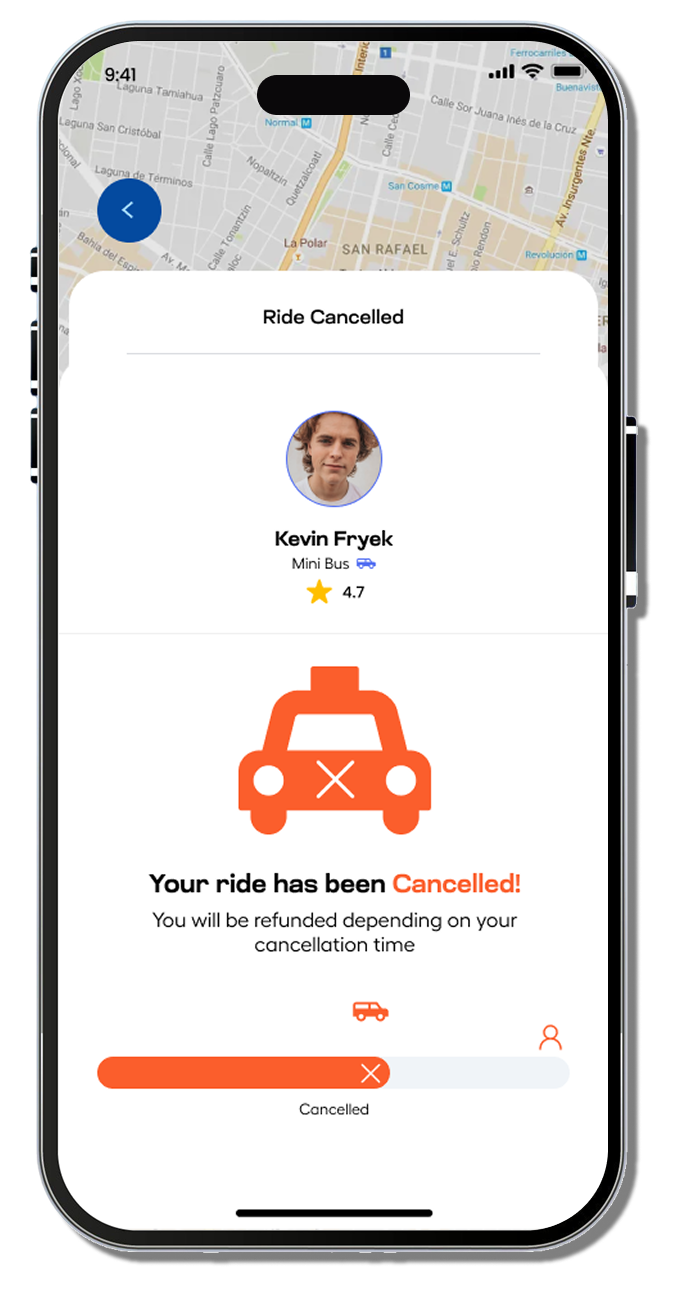
Cancellation fees are another potential revenue stream. When users cancel rides or deliveries, you can charge a small fee to offset lost time and resources. Integrating this feature into your Uber clone apps is a great way to minimize losses while still providing flexibility for riders.
Key Features of an Uber Clone App
When building your Uber clone app, it’s essential to include the right features that provide a seamless user experience. As a business owner, you might be asking, “What key features do I need to ensure my Uber clone platform stands out?” The answer lies in integrating features that both mimic Uber’s success and offer unique enhancements.
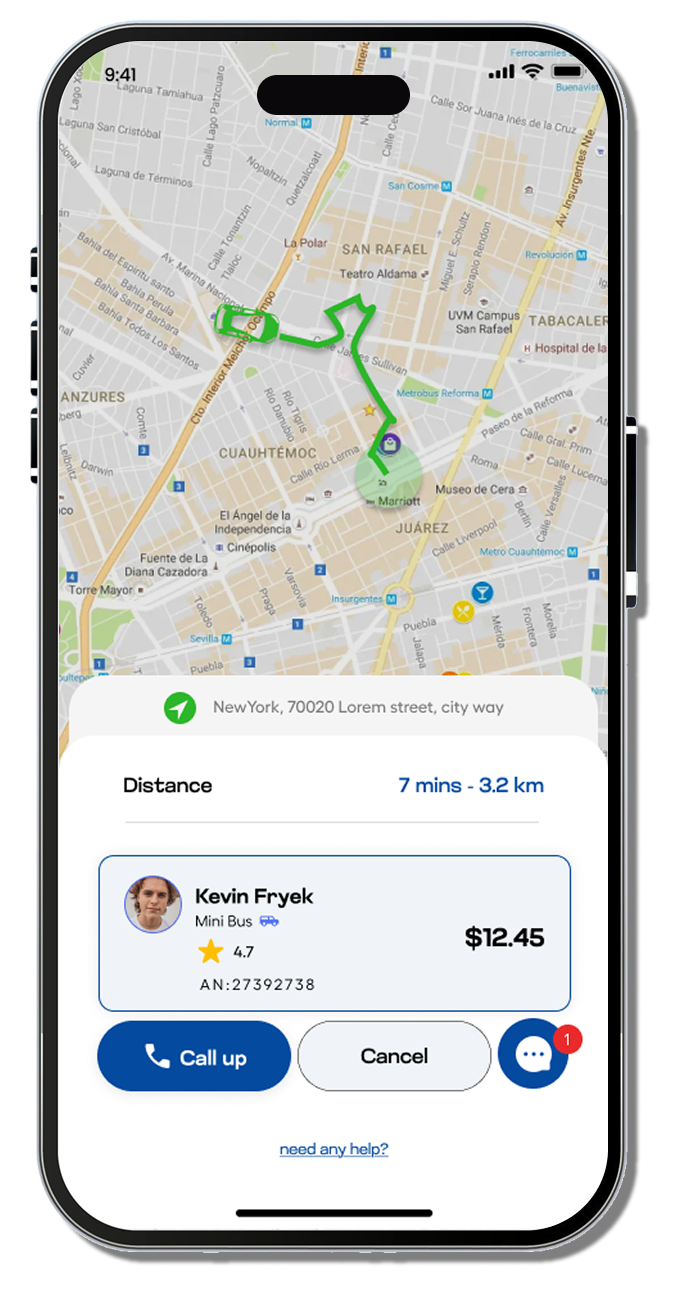
Advanced geo-location integration is crucial for real-time tracking of rides, improving efficiency, and reducing wait times. Uber reports that geo-location technology cuts rider wait times by up to 20%. Similarly, multi-payment options allow users to choose their preferred payment method, increasing trust and satisfaction. 78% of users prefer apps with multiple payment methods.
Ride scheduling allows users to plan, boosting retention by providing convenience. In-app chat and call functionality ensures secure communication between riders and drivers, enhancing user comfort. A fare estimator helps increase transparency by giving riders upfront cost estimates, and 64% of users prefer knowing the fare before booking.
An admin dashboard allows businesses to monitor operations, manage bookings, track earnings, and generate performance reports in real-time, ensuring smooth app management.
By including these key features in your Uber clone apps, you’ll provide a robust, user-friendly solution. At Digital Software Labs, we ensure your Uber clone development includes all the essential tools to meet your business needs.
Advanced Geo-Location Integration
Advanced geo-location integration is crucial for any Uber clone apps. It ensures that both riders and drivers can track each other in real-time, optimizing routes and reducing wait times. By implementing geo-location technology, you can improve operational efficiency and offer a smooth experience for users. Leveraging a BlaBlaCar clone app, for example, helps you provide accurate ride tracking and routing, which enhances the overall user experience on your Uber clone platform.
Multi-Payment Options
To make your Uber clone app more accessible, offering multiple payment options is essential. Users prefer flexibility when it comes to payment methods, whether they use credit cards, debit cards, or mobile wallets. Integrating secure payment systems in a DiDi clone app ensures secure and smooth transactions. This functionality enhances the user experience, allowing your Uber clone solution to cater to a larger audience with ease.
Ride Scheduling
Ride scheduling enhances the convenience of your Uber clone apps, allowing users to book rides in advance. This feature is particularly useful for regular commuters, business travelers, or anyone who needs to plan. Providing a scheduled ride option, similar to the system used in an Easy Taxi clone, ensures that users can set their rides in advance, making the service even more appealing and improving retention by offering greater flexibility.
In-App Chat and Call
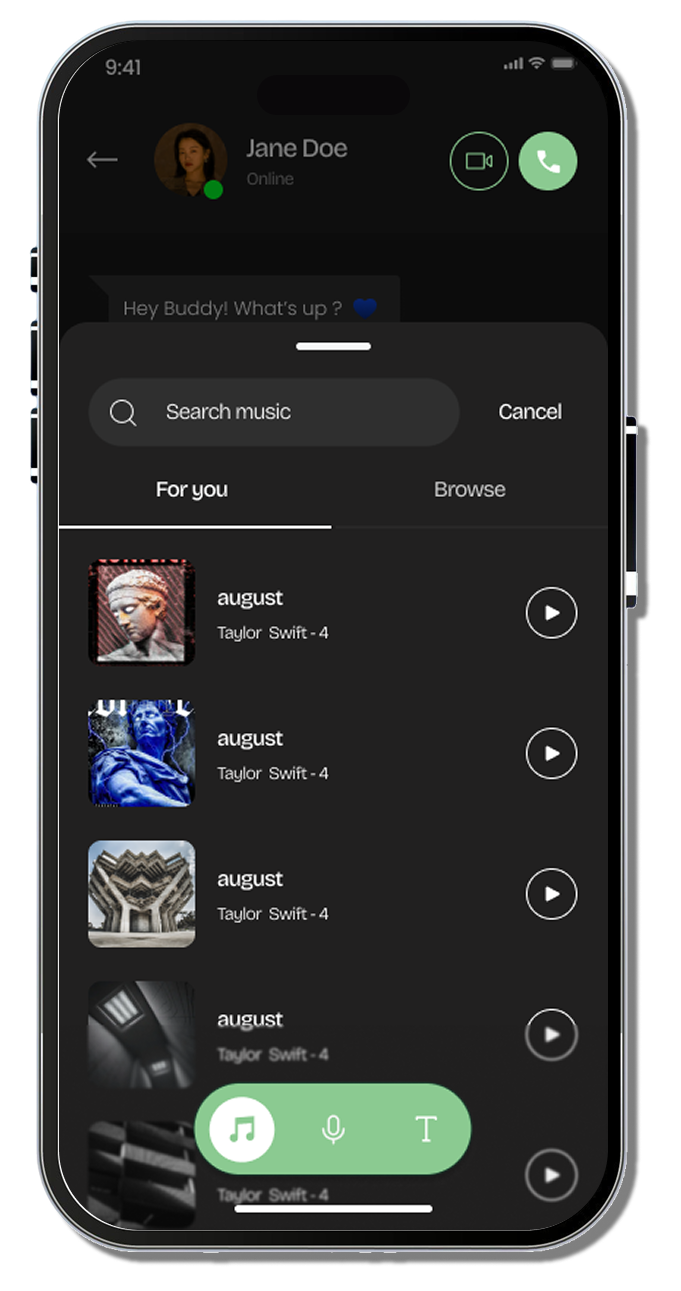
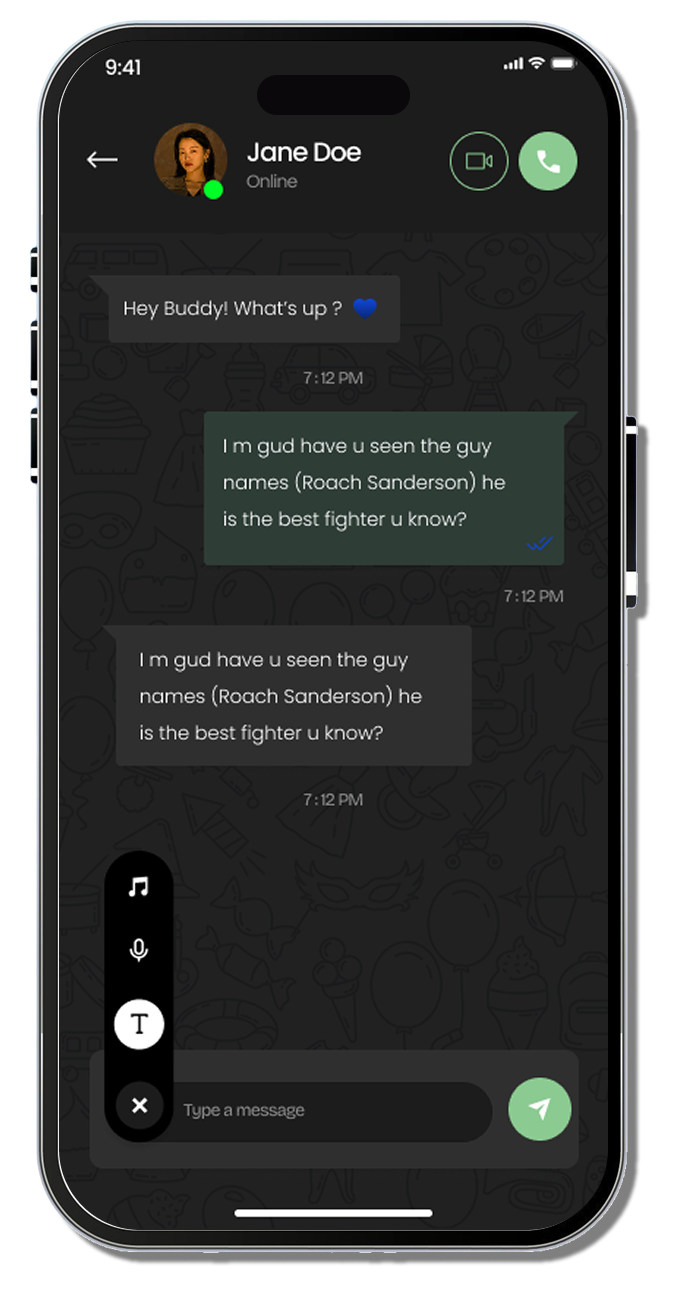
In-app chat and call functionality enables riders and drivers to communicate directly without sharing personal contact information. This feature ensures that both parties can coordinate rides, resolve issues, or ask for directions during the trip. Integrating this feature into your Uber clone app, similar to the system used in a myTaxi clone app, facilitates communication between riders and drivers, improving the overall experience and providing an added layer of convenience.
Fare Estimator
A fare estimator is a vital feature for building transparency and trust with your customers. By providing an accurate fare estimate before users book a ride, you help them understand the costs upfront. This is a feature commonly found in Postmates clone apps, and incorporating it into your Uber clone solution will improve the overall user experience by reducing surprise charges.
Admin Dashboard
An admin dashboard provides full control and visibility over your Uber clone platform. This feature allows you to monitor ride requests, track driver performance, and generate reports on the platform’s overall activity. A robust admin dashboard in a Turo clone app helps you manage your app’s operations efficiently, offering insights that assist in decision-making and optimizing overall performance.
Why Choose an Expert Uber App Developer?
Developing a successful Uber clone app requires more than just technical skills; it demands expertise in creating a seamless user experience, integrating advanced features, and ensuring scalability. As the on-demand ride-hailing market continues to grow, the need for a reliable Uber clone solution becomes increasingly important. Partnering with an experienced Uber app development company ensures that your app is built with the latest technologies, optimized for performance, and compliant with all relevant regulations.
By choosing an expert team, you gain access to a development process that is efficient, cost-effective, and aligned with the specific goals of your Uber clone platform. Whether you need a taxi app clone, Uber-like clone app development, or a custom Uber clone app solution, an experienced team ensures your Uber clone app development is executed seamlessly. From advanced Uber clone features to the best Uber clone app development company, working with professionals ensures that your app meets the latest market standards. This also applies to the integration of Uber AI solutions and Uber-like software, which helps optimize both user and driver experience.
Technical Proficiency
Building a successful Uber clone app requires deep technical proficiency to ensure that your platform runs efficiently, handles large-scale traffic, and provides a seamless user experience. Our developers specialize in Android app development and cross-platform development, which means we can build your Uber clone solution for both Android and iOS, providing full coverage for your target audience. With years of experience in developing Uber-like apps, we guarantee that your app will be built on a robust foundation, ensuring scalability and smooth performance even as your user base grows.
Custom Development
Every business has unique needs, and your Uber clone app should reflect that. Our custom development services allow us to tailor your Uber-like platform to your specific business model, whether you’re focusing on ridesharing, delivery services, or both. By using the latest cross-platform development frameworks, we ensure that your app offers a consistent experience across multiple platforms. We work closely with you to integrate your desired features, from advanced geo-location to in-app payments, ensuring that your app stands out in the competitive ride-hailing market.
Post-Launch Support
The development of your Uber clone solution doesn’t end with launch; it’s just the beginning. Our post-launch support ensures that your app continues to function smoothly and stays up to date with the latest features and regulations. Whether it’s bug fixes, updates, or customer support integrations, we provide continuous assistance to ensure the long-term success of your Uber clone app.
Integration Capabilities
Your Uber clone app needs to work seamlessly with multiple third-party services, whether for payment gateways, SMS notifications, or mapping systems. Our integration capabilities allow us to connect your Uber clone platform with the best third-party services to enhance functionality and user experience. The proven solutions in enterprise web app development, we ensure your app can scale as your business grows. Whether integrating with payment providers or GPS services, we make sure that all features work flawlessly together for a smooth, efficient ride-hailing experience.
Compliance and Security
Security and compliance are critical when developing an Uber clone app. Ensuring that your platform adheres to legal regulations and keeps user data secure is essential for gaining trust and avoiding legal issues. Our team ensures that your Uber clone app solution meets the highest compliance and security standards, from data encryption to regulatory compliance. We specialize in integrating the latest security protocols and blockchain development services for advanced data protection. This guarantees that your users’ personal information and transaction details remain safe while meeting industry standards.
Conclusion
In conclusion, developing an Uber clone app presents a valuable opportunity for businesses to tap into the growing on-demand ride-hailing market. By integrating essential features like advanced geo-location, multi-payment options, and ride scheduling, you can deliver a seamless experience that meets user expectations. Ensuring custom development, post-launch support, and scalable integration capabilities will help your Uber clone platform grow effectively, allowing you to stay competitive in an evolving market. Digital Software Labs specializes in creating Uber clone app solutions tailored to your unique business needs. With our experience in Uber-like app development and enterprise web app solutions, we focus on delivering high-quality products that are secure, scalable, and built to stand the test of time. Whether you’re just starting or looking to scale, we provide the expertise you need to succeed in the ride-hailing industry.