
Home / News / ChatGPT Introduces Ads: What This Means for Users and Developers

Table of Contents

ChatGPT Introduces Ads: What This Means for Users and Developers

Summary

  • OpenAI introduced ads to ChatGPT to support long-term operational costs while keeping the free tier accessible for general users.
  • Paid plans remain ad-free, preserving a cleaner workspace for professionals, developers, and enterprise teams relying on stable AI performance.
  • OpenAI’s financial model evolves, influenced by infrastructure growth, rising compute needs, and leadership direction under Sam Altman.
  • Developers benefit from stability, as ads do not interfere with API responses or app integrations built on OpenAI’s ecosystem.
  • Competition from Anthropic and major AI firms accelerates OpenAI’s shift toward sustainable revenue strategies while maintaining innovation momentum.

OpenAI surprised the tech world once again with a major update: ChatGPT is officially introducing ads inside the platform. What started as an early experiment has now shifted into a strategic revenue path, one that could reshape the AI landscape for consumers, developers, and the broader competitive environment involving firms like Anthropic.

In the midst of rapid innovation cycles, this move marks a turning point. For years, users enjoyed an ad-free conversational AI experience, but the economics of large-scale AI systems hinted that this moment would eventually arrive. The question now is not why ads exist, but what this change practically means for everyday users and the developers who rely on ChatGPT-powered tools and workflows.

OpenAI’s Ad Initiative

OpenAI’s introduction of ads within ChatGPT represents a shift toward sustainable monetization. Large-scale AI models demand extraordinary computational resources, and even with premium subscriptions, the long-term economics require additional pathways. This ad initiative offers that balance, without disrupting the core conversational experience.

OpenAI confirmed that ads will appear only for free-tier users, beginning with small, carefully monitored placements. The company also emphasized that the ads will prioritize relevance and avoid invasive tracking practices. This approach signals a preference for subtle monetization rather than overwhelming commercialization.

The direction becomes even clearer when looking at how the AI industry adapts to accelerating competition. One recent report on Digital Software Labs analyzes how OpenAI responded to Google’s internal concerns about competitive pressure following a leaked internal memo. That narrative surfaces mid-analysis in the GPT-5.2 response breakdown, where OpenAI’s tactical adjustments offer context for why ads appear now: faster model updates and infrastructure scaling require consistent revenue channels.

The move also reflects a broader trend: AI models are no longer experimental tools. They’re becoming daily utilities. Monetizing them sustainably ensures that innovation does not slow down as demand increases globally.

No Ads for Higher-Tier Plans

OpenAI clarified that paid plans will remain ad-free. Users subscribed to ChatGPT Plus, Team, Enterprise, or EDU will continue receiving a clean interface without sponsored responses or embedded suggestions. This preserves the premium value proposition while protecting professional and academic workflows from distractions.

For developers, this distinction matters. Apps and services built on top of OpenAI’s API need stable, uninterrupted outputs. By keeping ads outside these paid experiences, OpenAI reassures engineers, product teams, and enterprise clients that their integrations will remain predictable.

This tier-based separation also aligns with broader discussions around safety expectations, quality control, and reliability in professional AI environments. Digital Software Labs previously covered a story detailing how regulatory attention is rising around AI output quality and potential distortions. That sentiment surfaces mid-context in the Attorney General’s AI warning, where regulators address concerns about misinformation and accuracy in generative AI systems. Keeping ads away from paid tiers may be a preemptive measure to avoid complicating these conversations.

Additionally, OpenAI continues rolling out new features that reinforce the value of premium plans. A recent update added group chat functionality for global collaboration, strengthening communal use cases. This improvement appears mid-discussion in the group chat expansion report, showing how OpenAI strategically reserves advanced experiences for paid subscribers.

For now, free users carry the monetization load through ads, while premium users retain a professional-grade environment.

OpenAI’s Financial Plans

To understand why ads were inevitable, it’s important to look at OpenAI’s financial strategy. The company’s operational scale has expanded dramatically. Training and running large AI models costs hundreds of millions annually, and global usage continues to grow across personal, enterprise, and developer ecosystems. Ads provide a recurring revenue stream that supplements API income and subscription fees.

Sam Altman, CEO of OpenAI and a prominent figure in AI advancement, has repeatedly emphasized the need for sustainable financial models. Yet he remains notably private about OpenAI’s exact revenue numbers. That tone surfaced mid-analysis in a recent Digital Software Labs article covering Altman’s comments, found in the OpenAI revenue discretion report, which reinforces how the company balances transparency with strategic silence.

As competitive pressure rises, particularly from Anthropic and Google DeepMind, OpenAI is sharpening its approach. Ads represent not a shift in philosophy but an evolution in financial maturity.

OpenAI must:

  • Maintain affordable access for new users
  • Generate revenue to support ongoing model improvements
  • Scale infrastructure to meet global demand
  • Keep API costs stable for developers building AI apps

Without new capital sources, the strain on computational budgets would increase. Ads offer a middle path, allowing OpenAI to keep entry points open rather than limiting features behind paywalls.

Developers benefit from this stability as well. AI-powered apps rely on predictable API pricing and consistent model performance. Ads help stabilize the ecosystem without shifting the financial weight entirely onto developers or enterprise clients.

A broader industry view also shows why diversification matters. Digital Software Labs’ coverage of AI-driven growth across the tech space, accessible mid-narrative in the main news section, paints a picture of how fast the market is evolving. Ads give OpenAI the breathing room required to maintain pace without constraining innovation.

Let’s build something
great together.
By sending this form, I confirm that I have read and accepted the Privacy Policy.

Contact Us

ClickBasket — AI-Powered Smart Retail Platform

Intelligent digital retail ecosystem —

Transforming online shopping through predictive recommendations, behavioral insights, and conversational AI assistance.

Services —

Overview —

ClickBasket was developed as a next-generation online retail platform powered by artificial intelligence.

We implemented a machine learning-driven recommendation engine capable of analyzing user preferences, browsing behavior, and purchasing history to deliver highly relevant product suggestions.

The system integrates intelligent search, automated product categorization, and a conversational shopping assistant that guides customers through discovery and checkout. Retail analytics tools provide business owners with actionable insights into purchasing trends and customer lifetime value.

Higher
Conversions

Through personalized recommendations

Improved
retention

Driven by AI personalization

Scalable
infra

Supporting peak seasonal traffic

Reduced
abandonment

Want similar results for your business?

Engaging with 1 billion
users,
across the
Google portfolio.

Overview —

AI personalization engine.
Delivered smart product recommendations in real time.

Predictive search upgrade.
Enhanced product discovery through behavioral insights.

Conversational AI integration.
Added a virtual assistant for guided shopping journeys.

Retail analytics deployment.
Enabled data-driven inventory and sales decisions.


Let’s Connect!

We specialize in developing eye tracking-based digital biomarkers, revolutionizing the way we understand and monitor cognitive processes in real-time.We specialize.

MyFitnessPal — Scalable Health & Wellness Optimization

Digital health performance enhancement —

Supporting millions of users with faster tracking, reliable integrations, and seamless wellness data synchronization.

Services —

Overview —

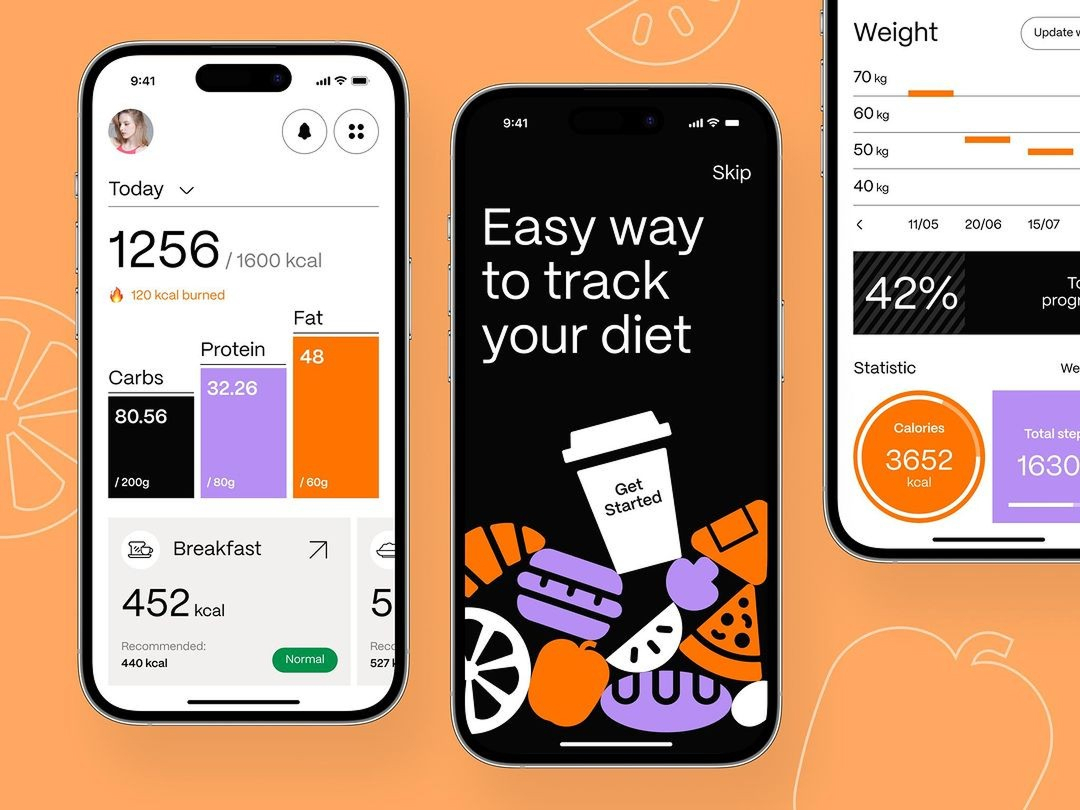
For a globally recognized health and nutrition platform, our focus was on performance scaling and ecosystem reliability.

We optimized backend systems to handle high volumes of nutritional logs, exercise tracking, and wearable device data. Enhancements improved synchronization speed between devices and the app, ensuring users received accurate, real-time health insights.

Additionally, we refined user experience flows to reduce friction in daily tracking habits, making calorie logging, macro tracking, and fitness monitoring faster and more intuitive.

35%+

Improvement in app responsiveness

Daily
Consistency

Consistent Tracking

Sync
latency

Improved route optimization efficiency

User
ratings

Across app stores

Want similar results for your business?

Engaging with 1 billion
users,
across the
Google portfolio.

Overview —

Performance enhancement initiative.
Optimized backend systems for high-volume health tracking.

Seamless device integration.
Improved real-time sync with wearables and APIs.

User experience refinement.
Simplified logging for faster daily tracking.

Infrastructure scaling.
Strengthened reliability to support global users.

Let’s Connect!

We specialize in developing eye tracking-based digital biomarkers, revolutionizing the way we understand and monitor cognitive processes in real-time.We specialize.

Marketly — Creator-Driven Digital Marketplace

Scalable creator commerce ecosystem —

Enabling creators to monetize content, connect with audiences, and scale digital businesses seamlessly.

Services —

Overview —

Marketly was built as a creator-first digital marketplace designed to simplify how independent creators sell products and digital assets to their communities.

We developed a scalable commerce infrastructure supporting digital downloads, physical goods, subscription services, and audience engagement tools. The platform includes intuitive storefront management, real-time sales analytics, and performance tracking dashboards.

The goal was to create an ecosystem where creators could operate like full-scale businesses, with automation, insights, and smooth transaction flows driving sustainable growth.

User
Adoption

Across multiple creator categories

Market
Retention

Through personalized discovery

Scalable
Pay

Infrastructure availability

40%+

Increase in creator transaction volume

Want similar results for your business?

Engaging with 1 billion
users,
across the
Google portfolio.

Overview —

Creator-first ecosystem launch.
Built a marketplace tailored to independent digital entrepreneurs.

Unified commerce integration.
Combined storefronts, payments, and analytics into one platform.

Scalable transaction framework.
Supported growing user and product volumes without friction.

Revenue growth enablement.
Equipped creators with tools to monetize sustainably.

Let’s Connect!

We specialize in developing eye tracking-based digital biomarkers, revolutionizing the way we understand and monitor cognitive processes in real-time.We specialize.

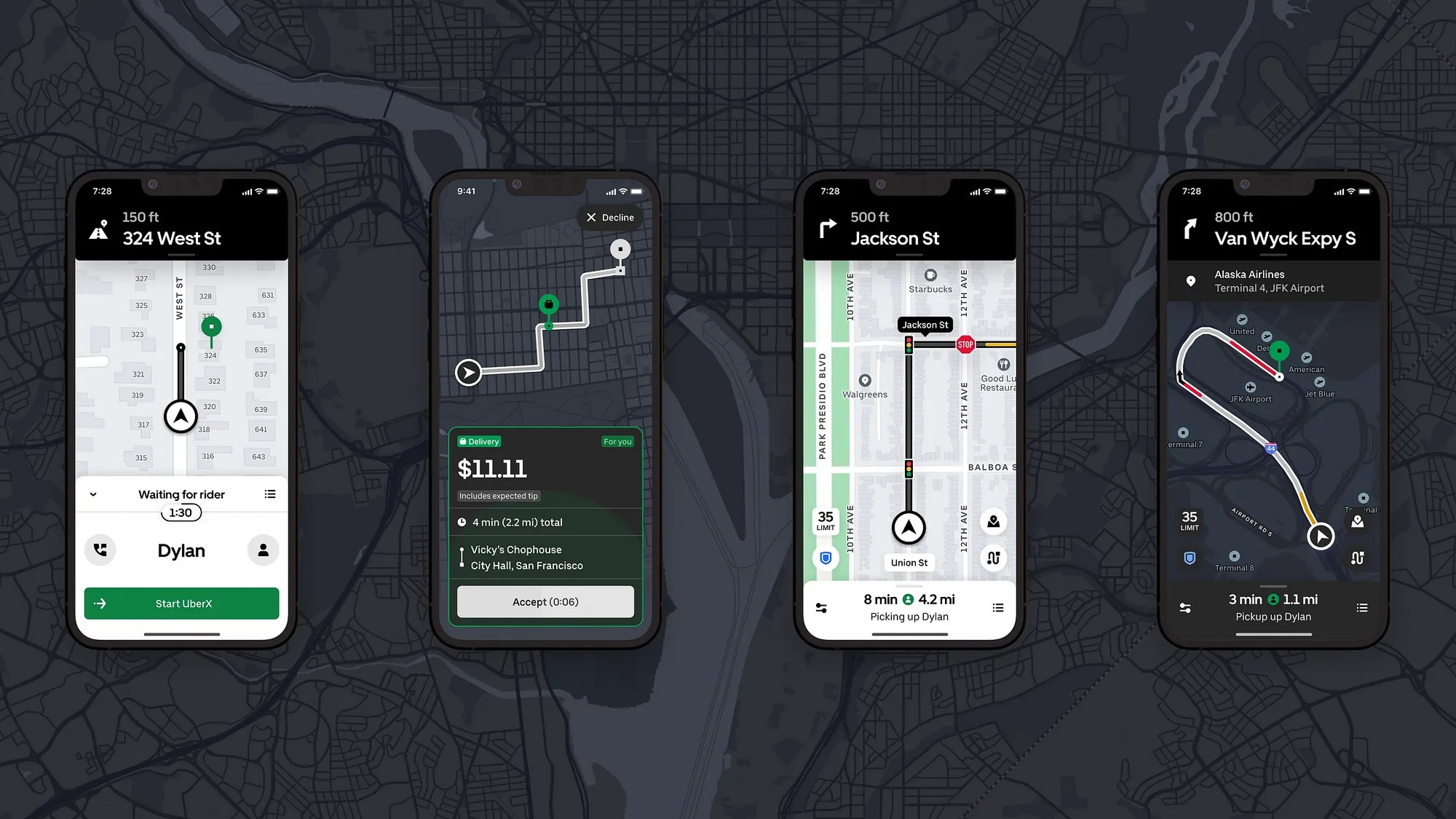
Uber — AI Infrastructure for Intelligent Mobility

Advanced mobility intelligence platform —

Powering real-time transportation decisions through scalable AI, predictive analytics, and intelligent automation.

Services —

Overview —

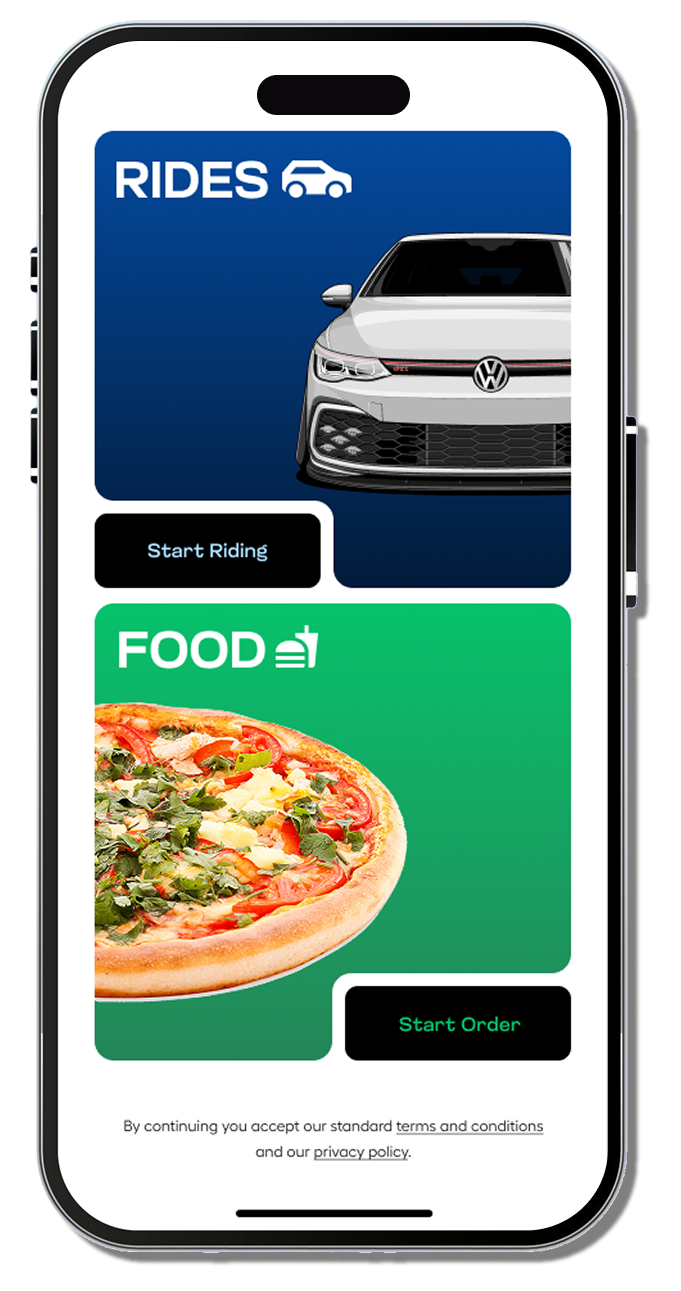
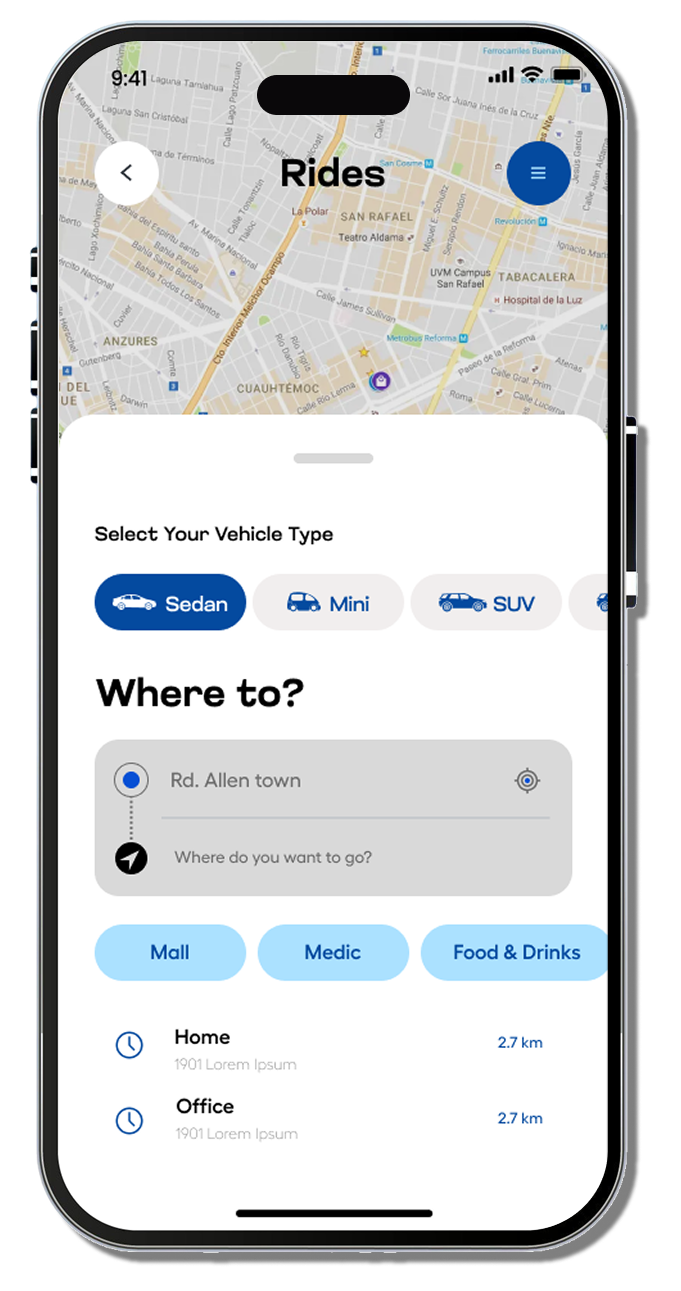
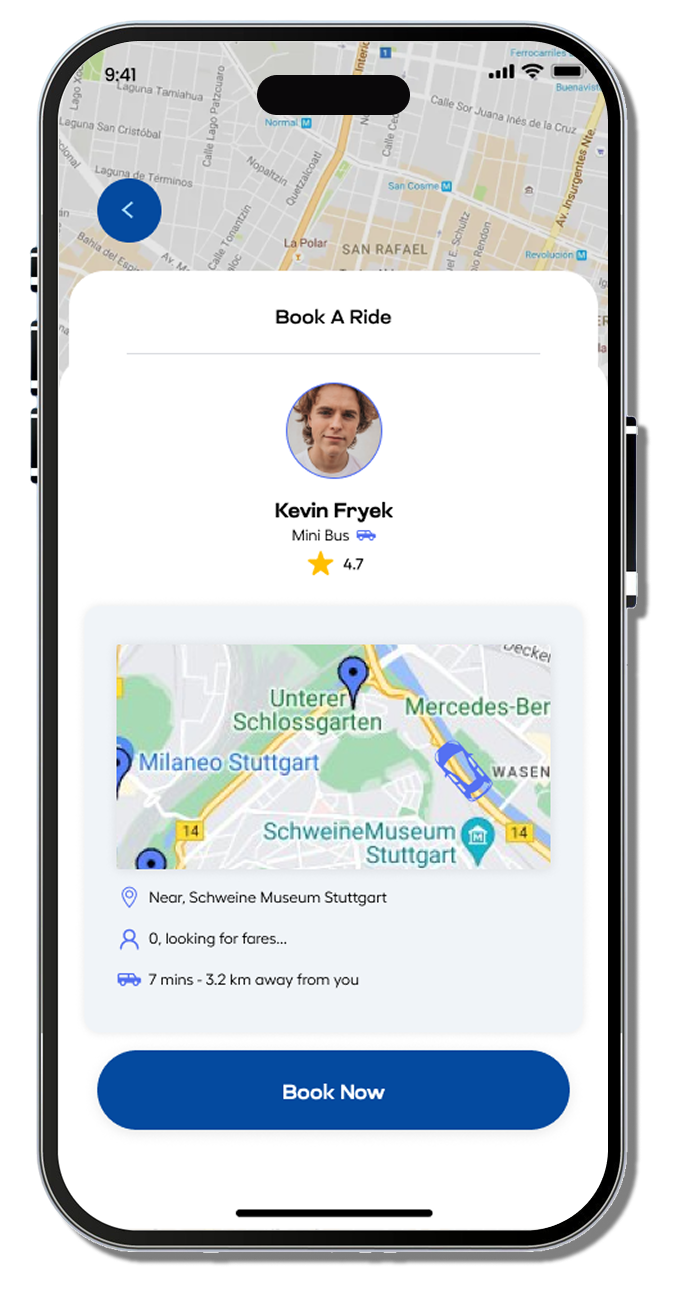
For a global mobility leader, we engineered a robust AI infrastructure designed to process large-scale transportation data and convert it into actionable intelligence.

Our solution focused on real-time ride demand prediction, traffic behavior analysis, and automated operational decision-making. By building scalable data pipelines and intelligent modeling frameworks, we enabled faster dispatch logic, improved driver allocation strategies, and optimized route efficiency.

The platform was built with elasticity in mind, capable of handling fluctuating demand volumes while maintaining speed, stability, and security across regions.

1B+

Data events processed annually

30%+

Faster operational decision cycles

25%

Improved route optimization efficiency

99.99%

Infrastructure availability

Want similar results for your business?

Engaging with 1 billion
users,
across the
Google portfolio.

Overview —

Predictive mobility intelligence.
Shifted operations from reactive dispatching to AI-powered demand forecasting.

Real-time data automation.
Enabled instant decision-making through high-speed analytics pipelines.

Global scalability upgrade.
Built cloud infrastructure capable of handling massive ride volumes seamlessly.

Operational efficiency boost.
Reduced manual processes with intelligent automation systems.

Let’s Connect!

We specialize in developing eye tracking-based digital biomarkers, revolutionizing the way we understand and monitor cognitive processes in real-time.We specialize.