Summary
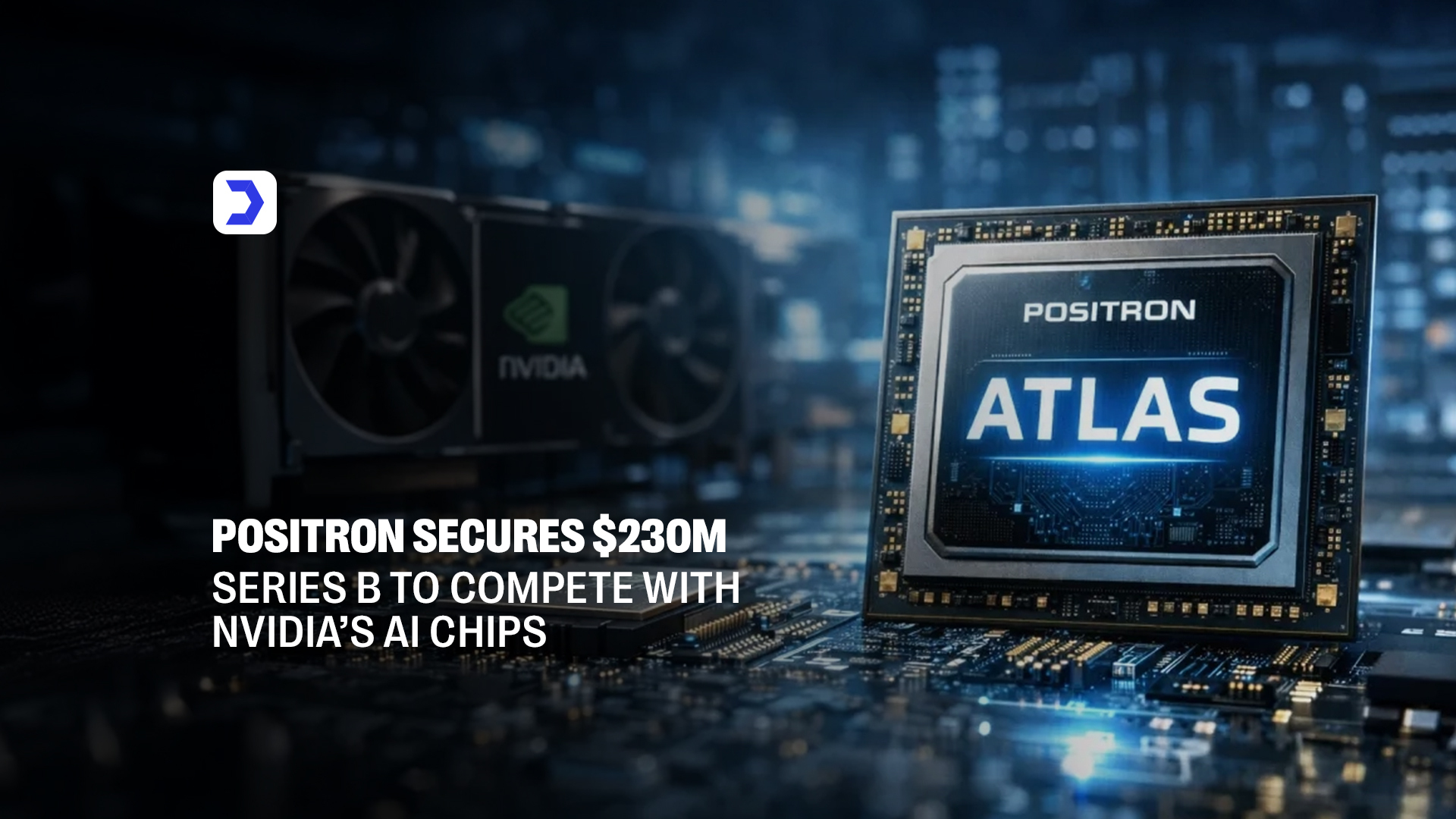
- Positron has secured $230 million in Series B funding to compete with Nvidia in the rapidly growing AI chip market.
- Despite Positron’s rise, Nvidia remains the dominant player in AI chips, known for its powerful GPUs driving AI advancements across industries.
- The approval of Nvidia’s H200 chip exports to China highlights the complex global dynamics surrounding AI chip production, creating opportunities for companies like Positron.
- Countries worldwide, including the US, Europe, and Asia, are investing in domestic AI chip manufacturing to reduce reliance on foreign technology and protect intellectual property.
- As governments push for sovereign AI, Positron’s entry into the market represents a significant move to challenge Nvidia and reshape the AI chip ecosystem.
In an impressive move within the semiconductor industry, Positron, a promising player in the AI chip market, has secured a substantial $230 million in Series B funding. This strategic investment sets the stage for Positron to compete head-to-head with the industry’s dominant force, Nvidia, known for its leading-edge AI chips. As artificial intelligence continues to revolutionize industries across the globe, the battle for supremacy in AI hardware is heating up, with Nvidia holding a significant advantage. However, with this fresh infusion of capital, Positron is positioning itself as a fierce competitor.
The rise of AI chips is pivotal in accelerating the capabilities of AI technologies, especially in areas such as machine learning, data processing, and autonomous systems. While Nvidia has long been at the forefront with its GPUs, Positron’s ambition to carve out a niche in the market comes with the support of leading investors who believe in the company’s potential to disrupt the industry. This funding will likely enable Positron to not only enhance its research and development but also position itself as a major player in the competition for the next generation of AI chips.
As Nvidia maintains a dominant market share in AI hardware, Positron’s fresh capital will be crucial in propelling the company into the spotlight. The competition between Nvidia and emerging players like Positron will undoubtedly accelerate innovation, pushing the boundaries of what AI technologies can achieve. With advancements in AI chip design, the landscape of AI applications, ranging from deep learning to edge computing, could soon see exciting new contenders making waves in the industry.
This funding also highlights the growing importance of specialized AI hardware in enabling the next era of AI-driven innovations. Companies like Positron, with their ability to produce cutting-edge AI chips, could be the key to meeting the escalating demand for processing power in AI applications. With an infusion of capital, Positron is well-positioned to challenge Nvidia’s dominance, driving competition that benefits not just the companies involved but also the rapidly expanding field of artificial intelligence.
Moreover, developments like OpenAI’s recent partnership with Broadcom to create custom AI hardware are reshaping the landscape of AI technology. This collaboration aims to redefine the future of AI chip development, much like Positron’s efforts to create a competitive edge in this space. As these partnerships and investments unfold, the competition in AI chip production will continue to intensify, benefiting the wider AI ecosystem and accelerating the development of new and improved technologies.
Global Context and Regional Steps for Sovereign AI
The rise of artificial intelligence has led to an unprecedented demand for AI chips, driving technological advancements and reshaping global markets. As countries become more dependent on AI-driven solutions, the role of AI chips in powering these innovations has never been more crucial. NVIDIA, a leader in this space, has long dominated with its powerful GPUs, setting a high bar for performance and capabilities. However, the geopolitical landscape is evolving, and with it, the strategic importance of sovereignty in AI technology is becoming more pronounced.
One key factor that is accelerating the push for sovereign AI is the increasing pressure for countries to secure their own semiconductor production capabilities. While Nvidia remains a dominant force, recent developments, such as the Department of Commerce’s approval of Nvidia’s H200 chip exports to China, reflect the growing complexities of global trade in AI hardware. These shifts in policy are opening up opportunities for other companies, like Positron, to step in and compete by developing AI chips that reduce dependence on foreign technology. This is not just a business move; it’s a matter of national security, as countries strive to develop AI systems that can function independently without relying on outside forces that may control access to essential technologies.
Furthermore, the push for sovereign AI is not limited to just the United States and China. Countries across Europe and Asia are increasing their investments in domestic AI chip manufacturing to protect their data and intellectual property, while also ensuring that critical technological advancements remain under their control. As governments ramp up their support for local chip developers, Positron’s entry into the market could provide a viable alternative to Nvidia, benefiting not just consumers but also fostering a more balanced and resilient global AI ecosystem.
This shift toward sovereignty in AI and semiconductor production is reshaping the entire industry, and as such, it’s an area that companies must pay close attention to. The race to secure the future of AI-driven technologies means that players like Positron, along with industry leaders, must innovate rapidly to stay ahead. For more on how these developments are influencing global markets and shifting the power dynamics in AI technology, the latest updates from our news by Digital Software Labs, where we dive deep into the evolving landscape of AI hardware, policy changes, and the competitive forces that are driving the next wave of technological advancements.