Summary
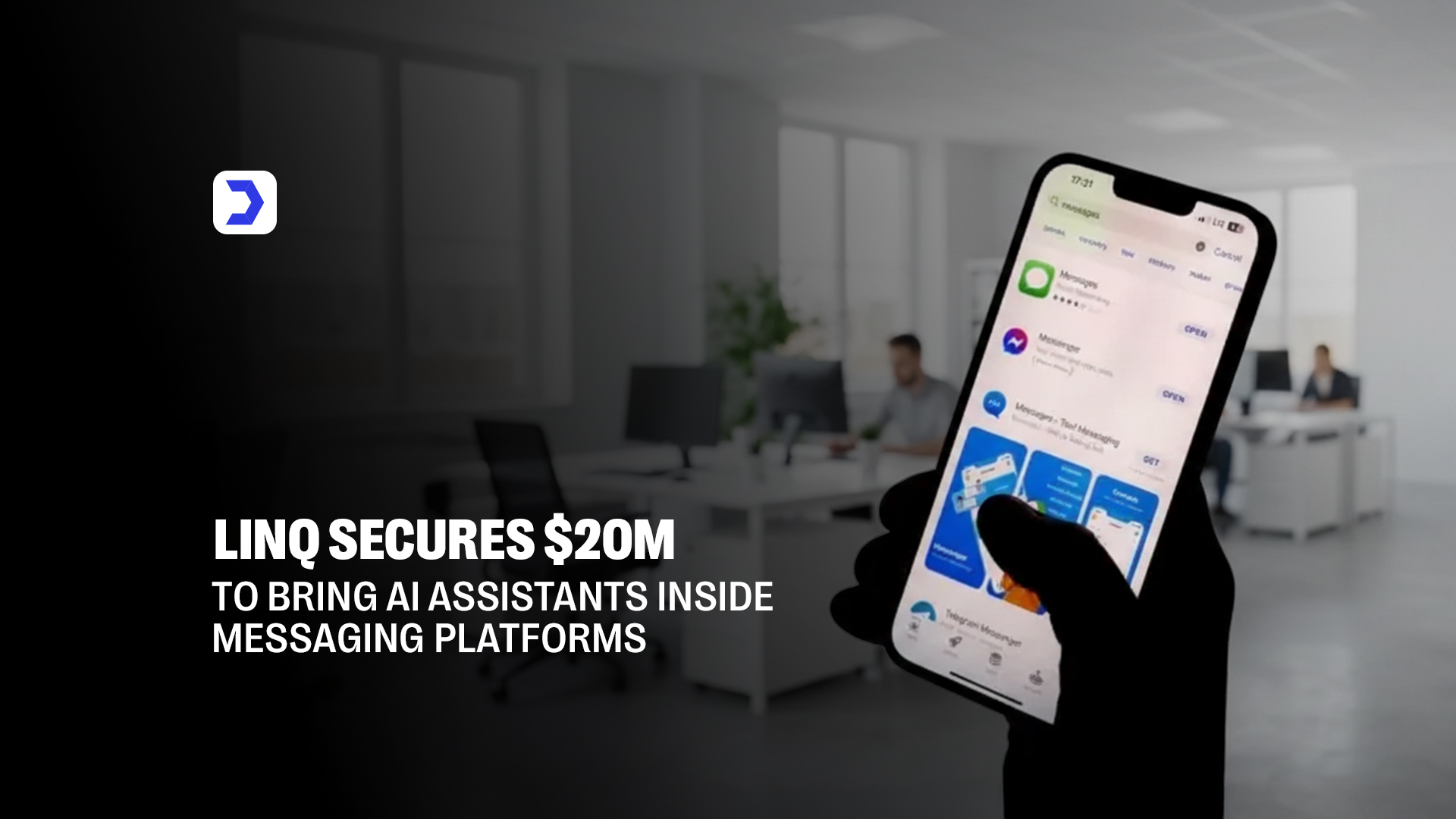
- Linq, an AI startup, has raised $20 million to integrate AI assistants within messaging platforms, enhancing communication for enterprises.
- The funding will allow Linq to expand its AI capabilities, improving task automation and customer engagement on platforms like Slack, Teams, and WhatsApp.
- The investment positions Linq to scale quickly, capitalizing on the growing demand for intelligent communication solutions in the enterprise sector.
- The success of AI advancements, like Meta’s AI glasses, highlights the increasing importance of AI in real-world interactions and communication tools.
- With this funding, Linq is set to drive innovation in enterprise messaging, contributing to a smarter, more efficient communication future.
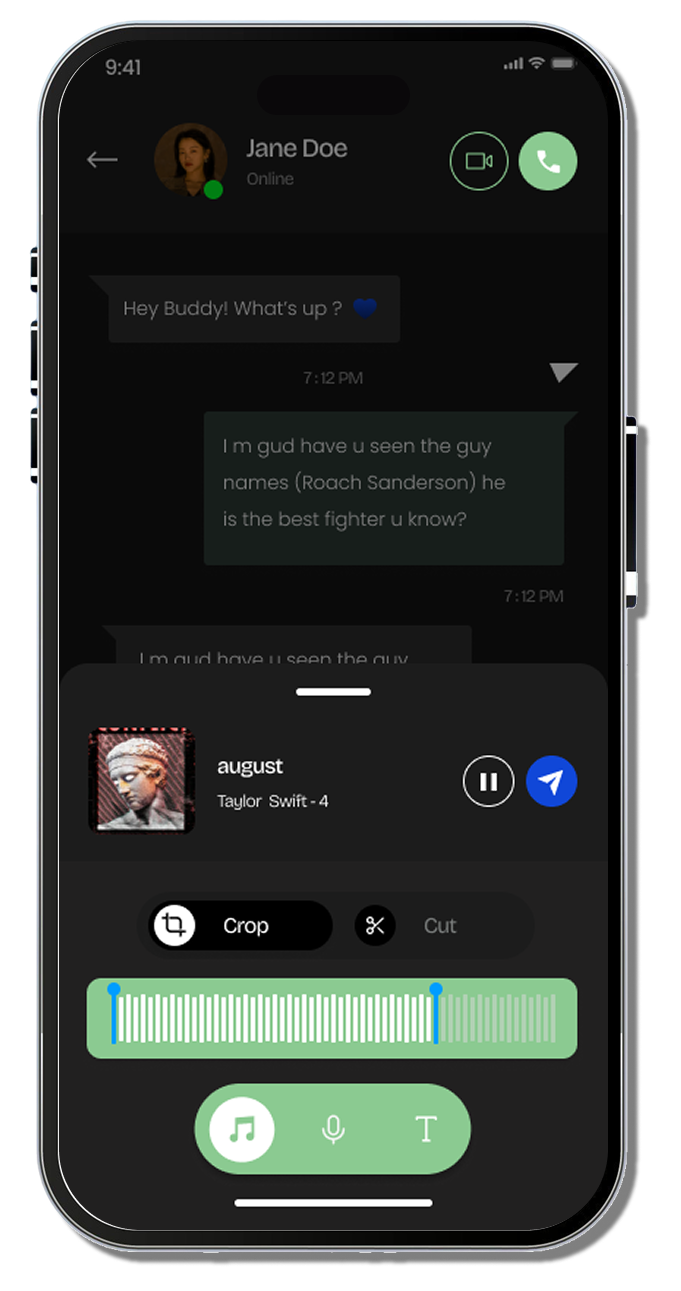
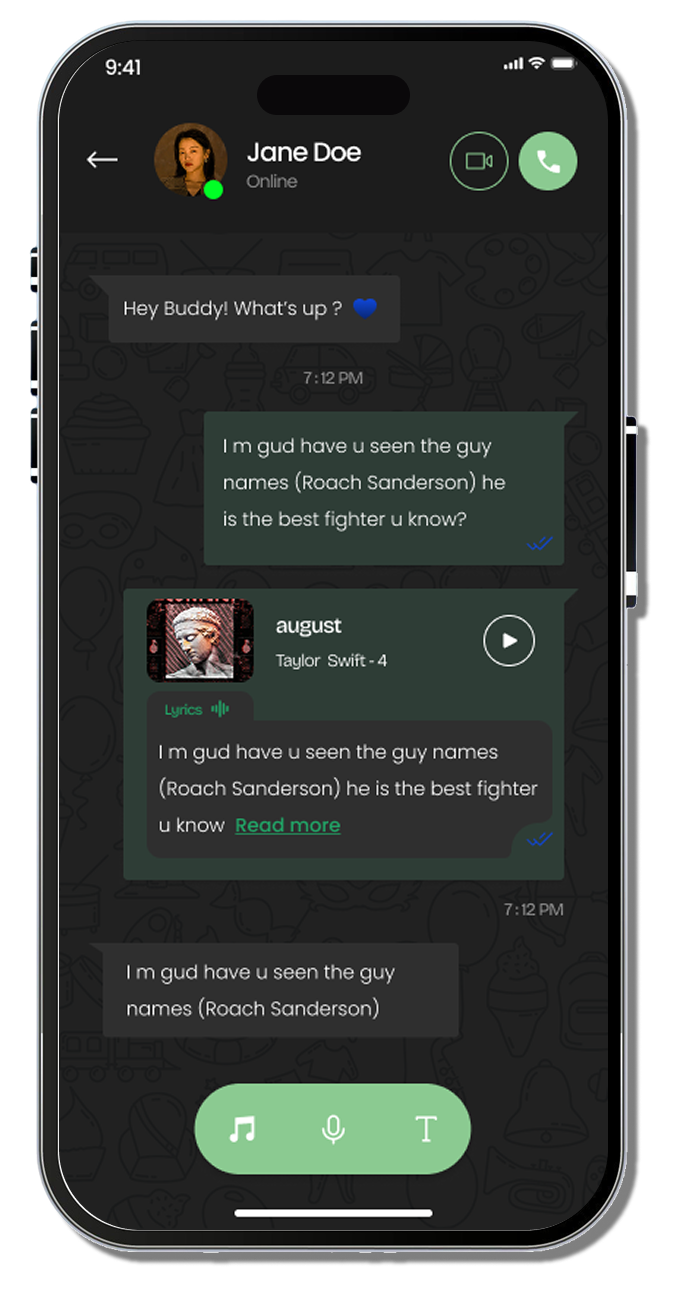
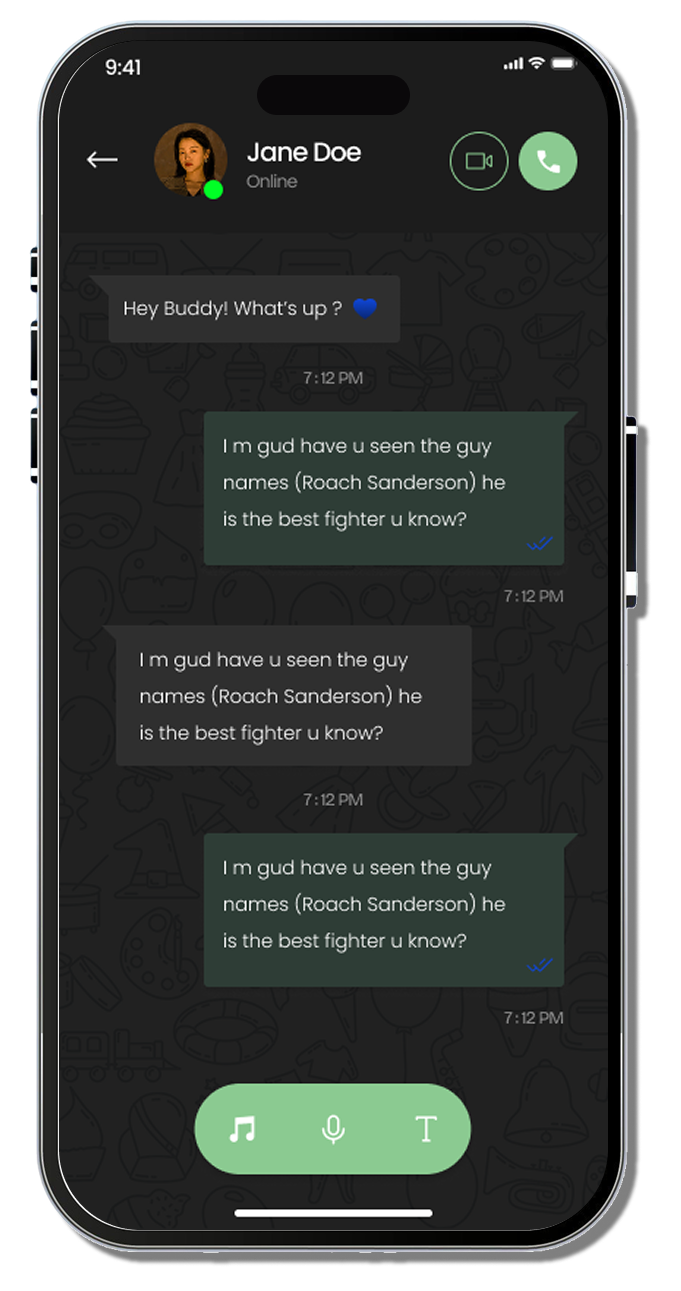
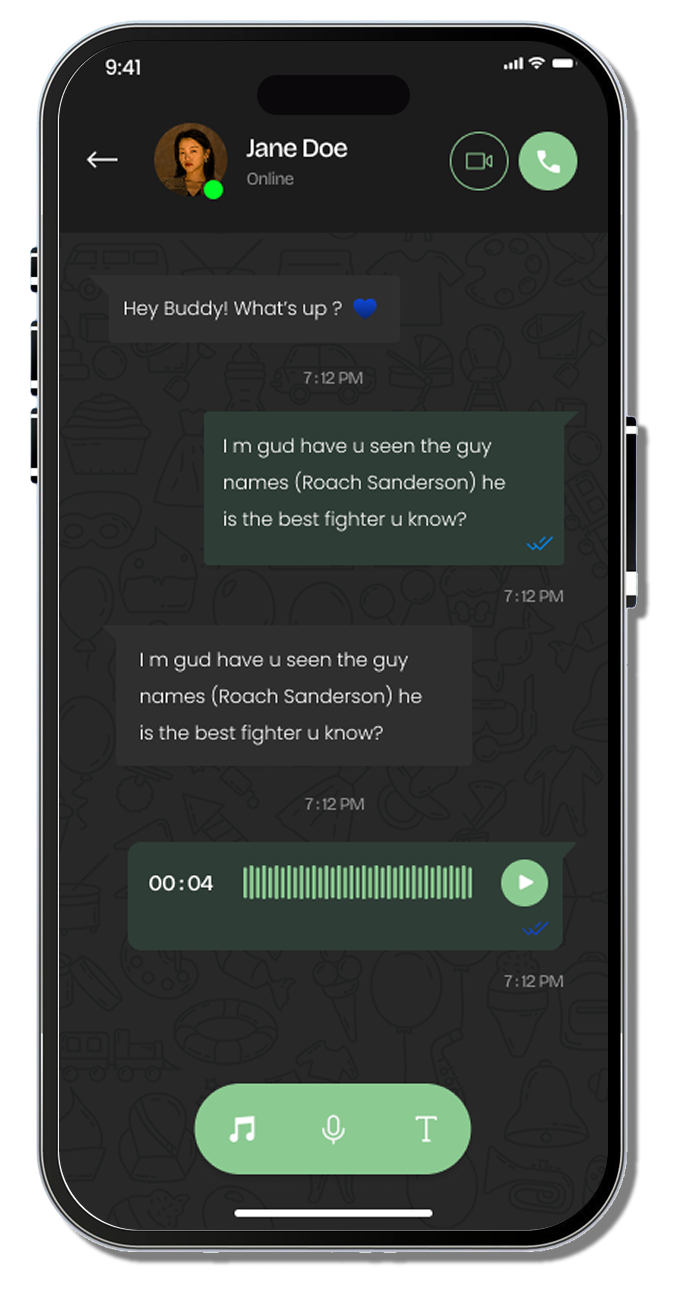
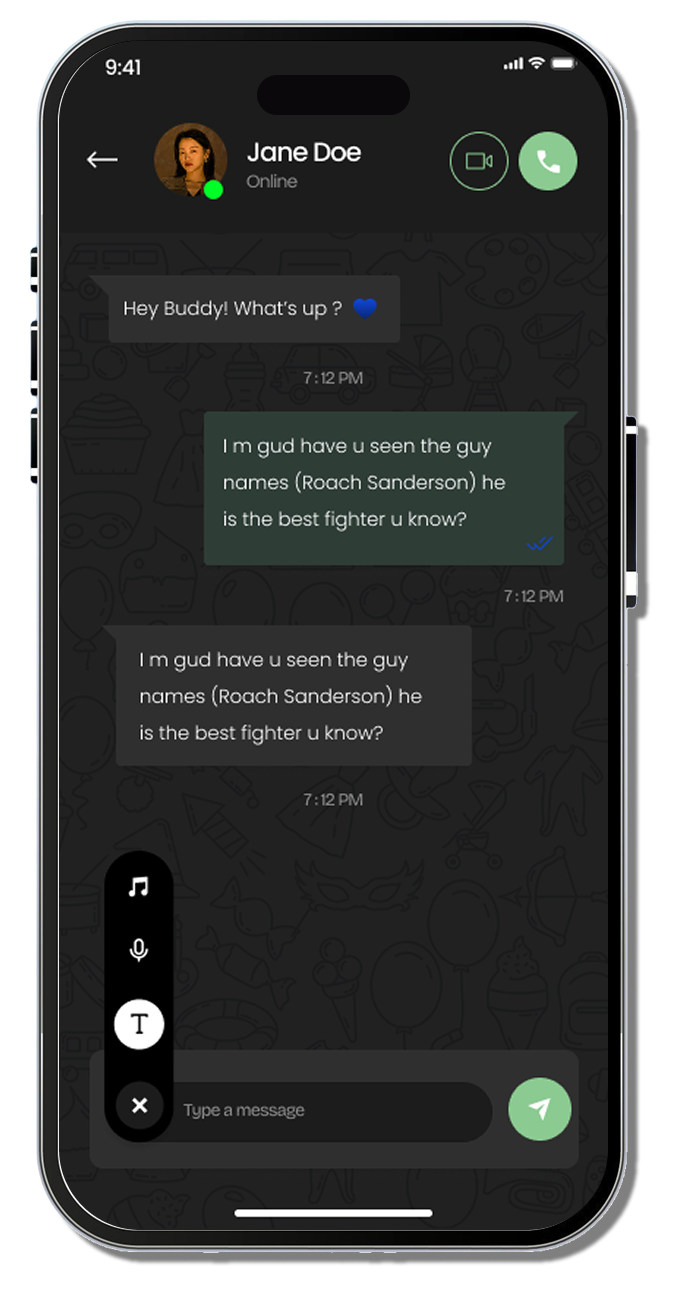
Linq, a promising AI startup, has recently secured $20 million in funding to accelerate its mission of integrating AI assistants within messaging platforms. This substantial funding round is a significant step forward in Linq’s ambitious vision to revolutionize the way enterprises communicate with their customers and employees by harnessing the power of AI technology. The company aims to embed intelligent assistants directly into messaging platforms like Slack, Teams, and WhatsApp, allowing businesses to enhance communication efficiency, automate tasks, and improve customer engagement.
With this new investment, Linq is well-positioned to rapidly scale its operations and expand its influence in the ever-growing AI and enterprise communication sectors. As AI-powered tools continue to reshape industries, Linq’s strategy of integrating AI assistants into messaging platforms aligns with the increasing demand for smart, seamless communication solutions in the corporate world. This funding will enable the company to strengthen its AI capabilities and refine its offerings, ensuring that businesses can fully leverage the power of AI in their day-to-day communications.
The progress of AI technology, especially in messaging platforms, is not just a fleeting trend but a long-term transformation. Companies are looking to streamline internal communication and enhance customer interactions using smarter, context-aware tools. This growth has already been evident in other sectors, like the advancements in AI glasses by Meta, designed to enhance hearing capabilities, showing how companies are using AI to improve real-world interactions. The shift towards more intelligent communication systems demonstrates a broader movement toward AI integration across various industries.
Linq’s Funding Round and Rapid Growth Figures
Linq’s funding round, which raised $20 million, was led by prominent investors keen on backing innovative solutions within the AI and communication space. The startup’s vision of bringing AI assistants directly inside messaging ecosystems aligns with the growing demand for more efficient, automated communication solutions.
As AI continues to infiltrate various industries, the need for streamlined communication platforms has never been greater. Messaging platforms like WhatsApp, Slack, and Microsoft Teams have become ubiquitous in enterprise communication. Linq’s innovation lies in its ability to seamlessly integrate AI assistants within these messaging ecosystems, transforming the way organizations interact with their clients and manage internal workflows.
The company’s growth trajectory mirrors the expanding role of AI in enterprise settings. AI-powered tools are enhancing communication, automating repetitive tasks, and improving overall business productivity. Linq’s ability to secure significant funding at this stage reflects the growing confidence in its approach to AI-driven messaging solutions.
For example, the success of other AI-powered platforms, such as the integration of AI assistants in Tavus, has seen tremendous user engagement. As more businesses look to integrate these solutions, Linq’s own growth is expected to accelerate rapidly, aided by its strategic innovations.
Why Messaging-Native AI Is Important
The importance of integrating AI directly within messaging platforms cannot be overstated. Messaging is one of the most natural and efficient forms of communication, both in personal and professional settings. By embedding AI assistants into these platforms, Linq is facilitating a seamless interaction experience that can handle everything from customer service to task automation.
AI assistants are poised to play a pivotal role in streamlining communication and driving business efficiency. As demonstrated in recent trends, such as the increasing use of AI assistants in platforms like Slack, the rise of AI in messaging is about more than just automation. It’s about providing more intelligent, context-aware interactions that can scale with enterprise needs.
Platforms that integrate AI assistants enable organizations to tackle the growing complexity of business communications. Whether it’s automating routine responses, scheduling meetings, or assisting with data retrieval, AI assistants can offer real-time, personalized help within the context of ongoing conversations. This feature has already proven successful in other areas, as seen with Google’s efforts to enhance AI-driven communication tools for enterprises, making these systems more integrated and responsive to user needs.
Furthermore, enterprises are increasingly looking for messaging solutions that can serve multiple functions. With AI assistants embedded directly into these platforms, businesses can streamline their communication processes, increase customer engagement, and enhance internal collaboration, goals that are central to the success of Linq’s platform.
Platform Risk in Global Messaging
While the potential for AI assistants within messaging platforms is immense, there are inherent risks involved in scaling these solutions across global markets. As AI becomes more integral to communication tools, enterprises must carefully consider the risks posed by the reliance on messaging platforms. One significant concern is the platform’s ability to maintain data privacy and security, especially as enterprises scale operations globally.
Linq’s focus on integrating AI into messaging platforms comes at a time when concerns around platform risks are intensifying. With the accelerated pace of AI development, there is a growing urgency for clear regulatory frameworks to address privacy, data handling, and ethical concerns surrounding AI’s role in business operations. These risks are being actively discussed in the context of AI regulation, as the discussion intensifies between federal and state governments over how best to regulate AI technologies.
Moreover, AI’s potential to process and interpret sensitive data means that businesses must ensure these technologies comply with stringent data protection laws. Linq’s upcoming developments will likely need to address these concerns head-on, as they aim to offer a scalable and secure solution for global enterprises. By focusing on platform risk management, Linq will need to ensure that AI assistants operate within established privacy frameworks while continuing to provide high value to businesses.
Key Developments Ahead for Messaging AI
Looking ahead, the future of messaging-native AI assistants is bright, with several key developments on the horizon. For Linq, the focus will be on enhancing its platform’s capabilities to offer deeper integrations with major enterprise messaging platforms, including Slack, Teams, and WhatsApp. This means more sophisticated AI assistants that understand context, learn from conversations, and predict user needs.
Additionally, as AI technology evolves, so too will the tools used by businesses to manage their communications. Companies like Linq are continuously refining their AI assistants to offer advanced features such as natural language processing (NLP), sentiment analysis, and predictive analytics. These features allow AI assistants to engage in more meaningful, human-like interactions, improving both customer and employee experiences.
The competition in the messaging AI space is heating up, with other players, including Google and its recent strides in AI-powered communication tools, setting a high bar for innovation. As discussed in the Digital Software Labs news, businesses are increasingly looking for solutions that can adapt to their changing needs. This shift towards smarter AI assistants inside messaging platforms will continue to shape the future of enterprise communication.
In the coming years, we expect messaging platforms to become even more integrated with AI, offering businesses a suite of tools to enhance productivity, automate tasks, and drive customer satisfaction. Linq’s funding and vision put it in a strong position to lead the charge in this space.