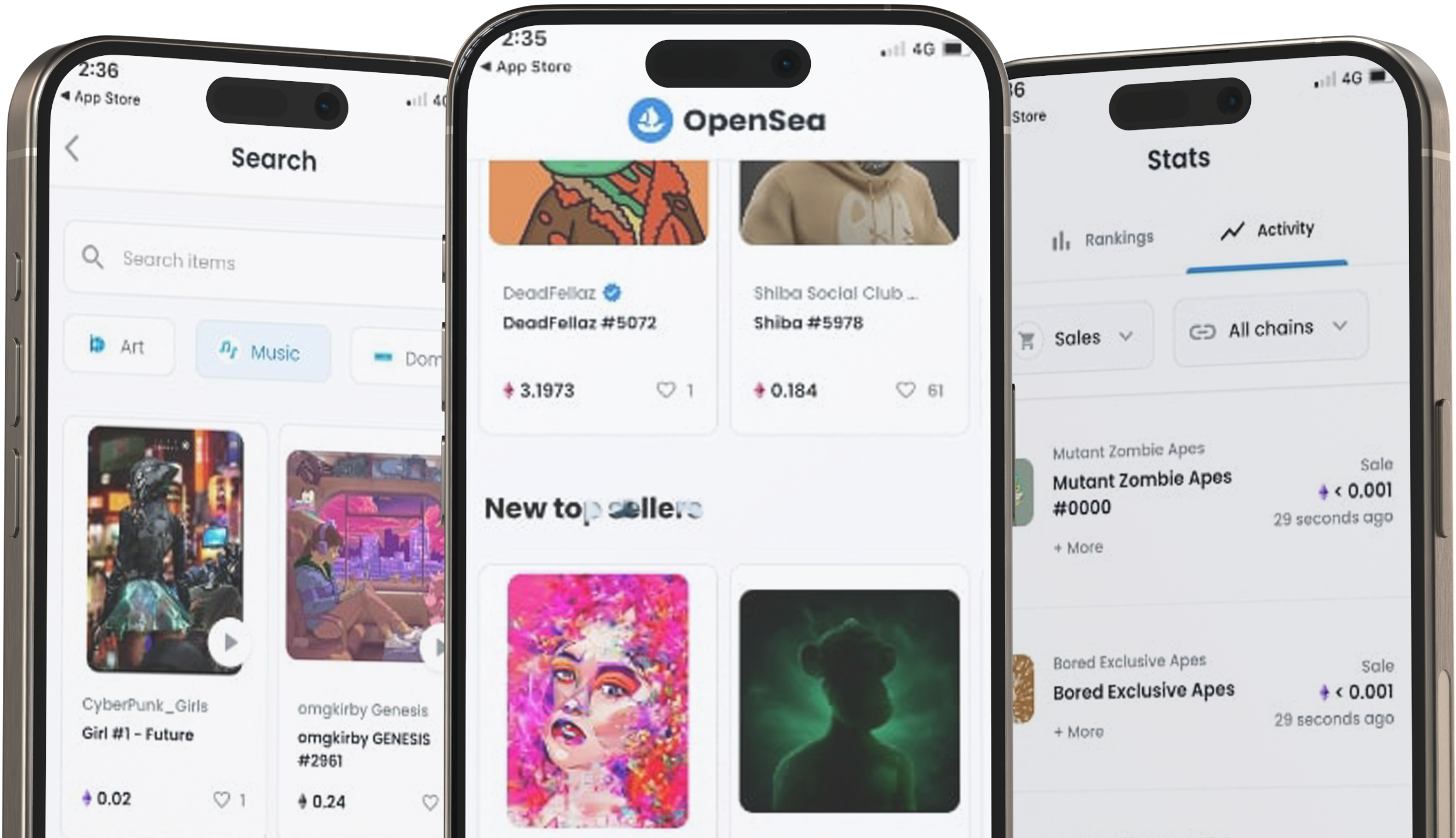
Over $60 billion represents the current valuation of the NFT market, which continues to expand at a massive 41% CAGR. By choosing our OpenSea clone, you leverage an architecture that has facilitated over $23 billion in trading volume to date. This solution provides a 75% reduction in costs, saving you up to $250,000 in development fees. With over 11 million active users globally, our NFT marketplace clone app allows you to capture recurring revenue through automated transaction fees while bypassing long development delays.






Modern enterprises are deploying the OpenSea clone script to architect high-performance, niche-specific decentralized environments. This technical foundation enables the creation of specialized peer-to-peer systems that replicate the robust transactional logic of the original OpenSea marketplace.
Digital galleries require immutable verification, and by utilizing an nft marketplace clone app engine to govern cryptographic provenance, the OpenSea Clone For Art model ensures every pixel maintains the strict ownership standards established by the OpenSea ecosystem.
Audio assets demand complex royalty structures, and through a system framework that automates split-payment logic, the OpenSea Clone For Music functions as a decentralized distribution system mirrored after the core OpenSea smart contract protocols.
Athletic collectibles thrive on high-velocity exchange, and employing a Sorare clone app blueprint to synchronize player statistics allows the OpenSea Clone For Sports to operate as a dynamic trading ledger for verified digital moments seen on OpenSea.
Virtual economies require seamless asset interoperability, and an integration of cross-chain inventory management empowers an OpenSea Clone For Games to serve as a functional bridge for in-game items pioneered by OpenSea.
Tokenizing physical property involves complex liquidity needs, as a Pancakeswap clone app architecture for fractionalized asset pooling enables the OpenSea Clone For Real Estate to function as a transparent digital deed registry modeled after OpenSea.
Historical artifacts require deep metadata transparency, and a protocol for tracking immutable history ensures that an OpenSea Clone For Antique provides the same level of global auction accessibility and trust as OpenSea.
We follow a systematic engineering approach to ensure your OpenSea-inspired platform is secure and market-ready. Our process focuses on replicating the efficiency of the OpenSea architecture while adding unique value to your brand.
Strategic roadmapping is vital for an OpenSea clone, and by integrating the robust logic of a SushiSwap clone, app architects can establish a high liquidity pool functionality, which establishes the core Planning & Conceptualization model required for a professional OpenSea-style trading environment.
Selecting the correct network is essential for an OpenSea clone to thrive, as we prioritize security and speed. By selecting the best layer-1 or layer-2 protocols, we ensure your OpenSea-style platform balances transaction speed with low gas fees for every user, just like OpenSea.
Visual appeal defines a successful OpenSea clone, and our UI/UX team focuses on a clean, modern aesthetic. We build an OpenSea-style interface that simplifies complex blockchain interactions, making digital trading accessible to everyone on your platform, much like the original OpenSea.
Reliability is the core of an OpenSea clone, and we develop audited, self-executing contracts. These protocols automate all OpenSea-style transactions, ensuring that ownership and royalty distributions remain transparent and immutable across the entire marketplace, mirroring the security of OpenSea.
Seamless connectivity is crucial for an OpenSea clone, and by utilizing the peer-to-peer security in a Forsage clone app, the decentralized p2p network is secured, ensuring the Wallet Integration blueprint maintains the high standard of encryption found on the main OpenSea site.
Every OpenSea clone must undergo rigorous stress testing to prevent vulnerabilities. We perform deep security audits on your OpenSea-style marketplace, ensuring a flawless mainnet launch that protects your reputation and your users' digital assets, matching the stability of OpenSea.
The technical architecture of an OpenSea-inspired platform relies on a sophisticated suite of integrated modules designed for high performance. Each feature acts as a functional pillar within the system, ensuring the blueprint aligns with decentralized operational standards.

The front-end functional model prioritizes an intuitive navigation flow to simplify complex blockchain interactions. By streamlining the user journey, this interface ensures that asset discovery on your OpenSea clone app development remains as accessible and fluid as OpenSea.

Architectural flexibility allows for a complete white-label transformation of the marketplace’s visual identity. This technical modularity ensures your OpenSea clone app development company projects a unique brand presence while utilizing the core system logic that defines OpenSea.

Secure cryptographic connectivity is established with multi-standard wallet protocols that govern peer-to-peer asset transfers. This integration ensures that every transaction within your OpenSea clone script maintains the same rigorous encryption and security found on OpenSea.

On-chain transparency is maintained with a CoinMarketCap clone data tracking engine for real-time asset valuation, which allows the Metadata Management module to provide granular historical records just like the professional OpenSea clone software used by OpenSea.

The smart contract engine supports diverse price-discovery models, including English and Dutch auction formats. These automated bidding protocols enable dynamic market activity on your OpenSea clone script development platform, replicating the competitive trading environment popularized by OpenSea.

The minting workflow is optimized with a Wazirx clone app high-frequency order book matching system, ensuring that Create Listings functions as a high-speed gateway for creators to publish work onto the OpenSea clone platform like OpenSea.

A data-driven monitoring layer tracks floor prices, trade volume, and market trends across the entire platform. This technical dashboard provides users with the critical market intelligence required to creat opensea clone success, mirroring analytical depth on OpenSea.

The back-end infrastructure is engineered for horizontal growth to manage surging traffic and high transaction volumes. This technical blueprint follows a 360 approach with a clone force OpenSea strategy, ensuring your marketplace remains stable and responsive.
Modern enterprises deploy the OpenSea clone app development framework to architect niche-specific decentralized environments. This systematic blueprint ensures the functional model remains robust across various industries while maintaining the core efficiency of OpenSea.
Digital galleries require immutable verification through the OpenSea clone app development company specialized security layer. By streamlining the core system logic, this use case ensures that digital art maintains strict provenance standards found on OpenSea.
Virtual economies require asset interoperability using a polkacity clone app blueprint to synchronize in-game item values, which allows the OpenSea clone script to function as a dynamic trading ledger for players like OpenSea.
Intellectual property management is optimized with opensea clone software to govern ownership rights. A 360 approach to licensing ensures the OpenSea clone script development phase automates contract execution for every media asset traded on OpenSea.
Audio assets demand complex royalty structures within an OpenSea clone platform to secure artist earnings. The clone force OpenSea strategy enables creators to creat opensea clone environments that prioritize direct fan-to-artist transactions and transparency.
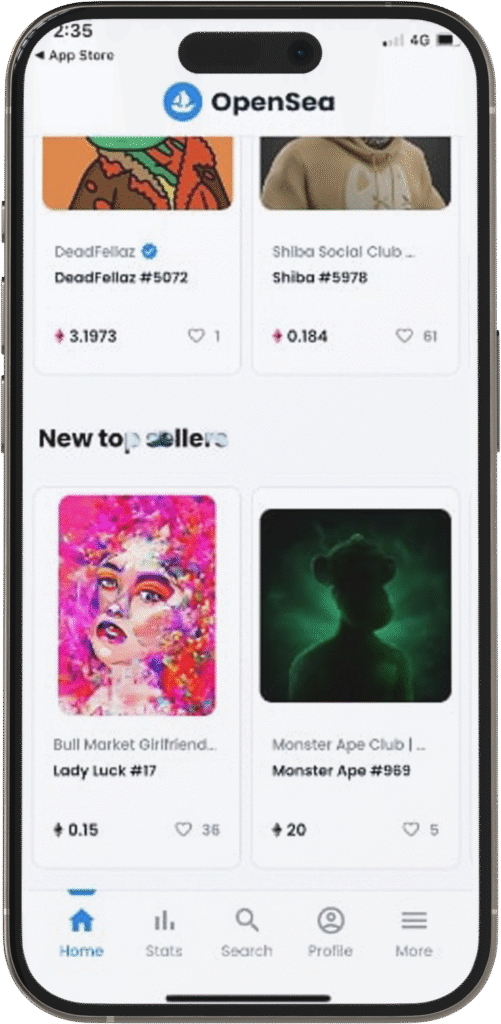
The economic architecture of opensea clone app development focuses on sustainable monetization through automated smart contract logic. This functional model ensures that the core system captures value at every stage of the lifecycle.

The platform generates primary revenue by charging creators to showcase digital assets within the marketplace ecosystem. This phase of the OpenSea clone app development company strategy ensures that the OpenSea clone script maintains quality.

Revenue is secured using a specific settlement engine based on a localbitcoins clone app custodial settlement system for every trade, which allows the OpenSea clone software to deduct a percentage from peer-to-peer sales, mirroring the profitable fee structures popularized by OpenSea.

Enterprises utilize a specific technical foundation built with a bitstamp clon script architectural framework to manage exchange integration during the OpenSea clone script development phase. This ensures the OpenSea clone platform generates upfront capital during the initial deployment of the ecosystem.

The clone force OpenSea strategy includes specialized modules for exclusive, password-protected auctions or restricted asset drops. This allows operators to creat opensea clone environments that charge premium access fees for high-value private collection releases.
A 360 approach to monetization includes charging users for the computational effort of writing assets to the blockchain. This technical layer ensures the OpenSea clone platform remains profitable by processing high-volume minting requests like OpenSea.
The latest release introduces next-generation blockchain scalability and multi-wallet compatibility, ensuring smooth NFT trading across multiple networks. Enhanced analytics tools now give administrators real-time insight into marketplace performance and trading trends, while updated smart contracts deliver even faster transaction speeds and reduced gas costs.
This version focused on expanding user interaction and marketplace engagement. It added NFT fractional ownership, royalty customization, and improved API connections for third-party integrations. The user dashboard was redesigned for a more intuitive experience, supporting quicker navigation and faster NFT listings.
Version 3.0 delivered core architectural upgrades and introduced stronger backend control for admins. The update enhanced blockchain interoperability and included advanced anti-fraud systems to secure digital assets. It also refined the NFT metadata process, ensuring all ownership records remain tamper-proof and transparent.
This early version laid the foundation for NFT marketplace scalability and performance. The OpenSea clone platform received its first major UI overhaul with a user-focused design and improved onboarding flow. Decentralized storage was implemented for long-term asset protection, creating the foundation for future growth and stability.

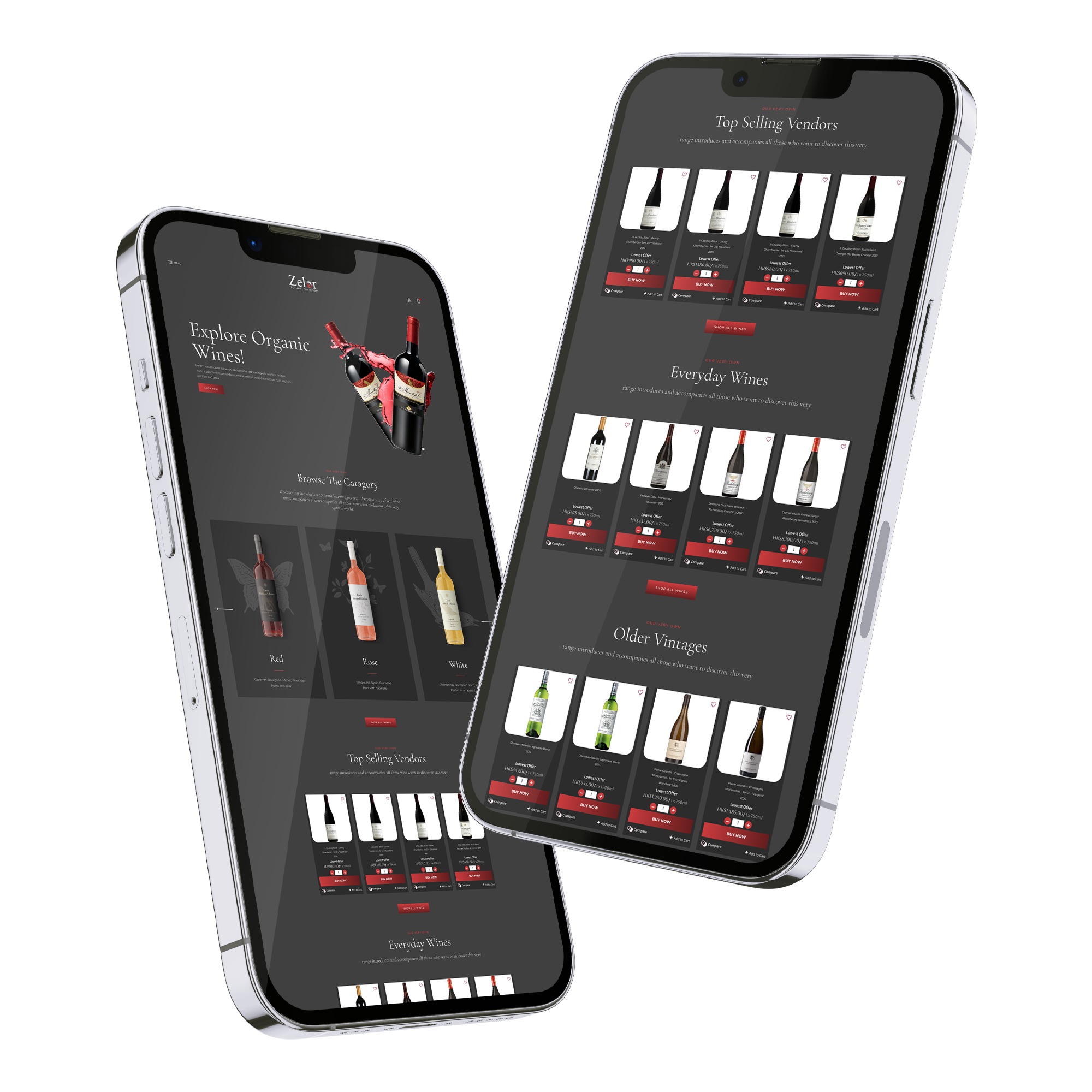
Digital Software Labs provided the expertise we needed to bring our wine marketplace to life. Their team was proactive, responsive, and ensured our vision was executed flawlessly.”

Crystal
Founder/Owner - Zelor Wines

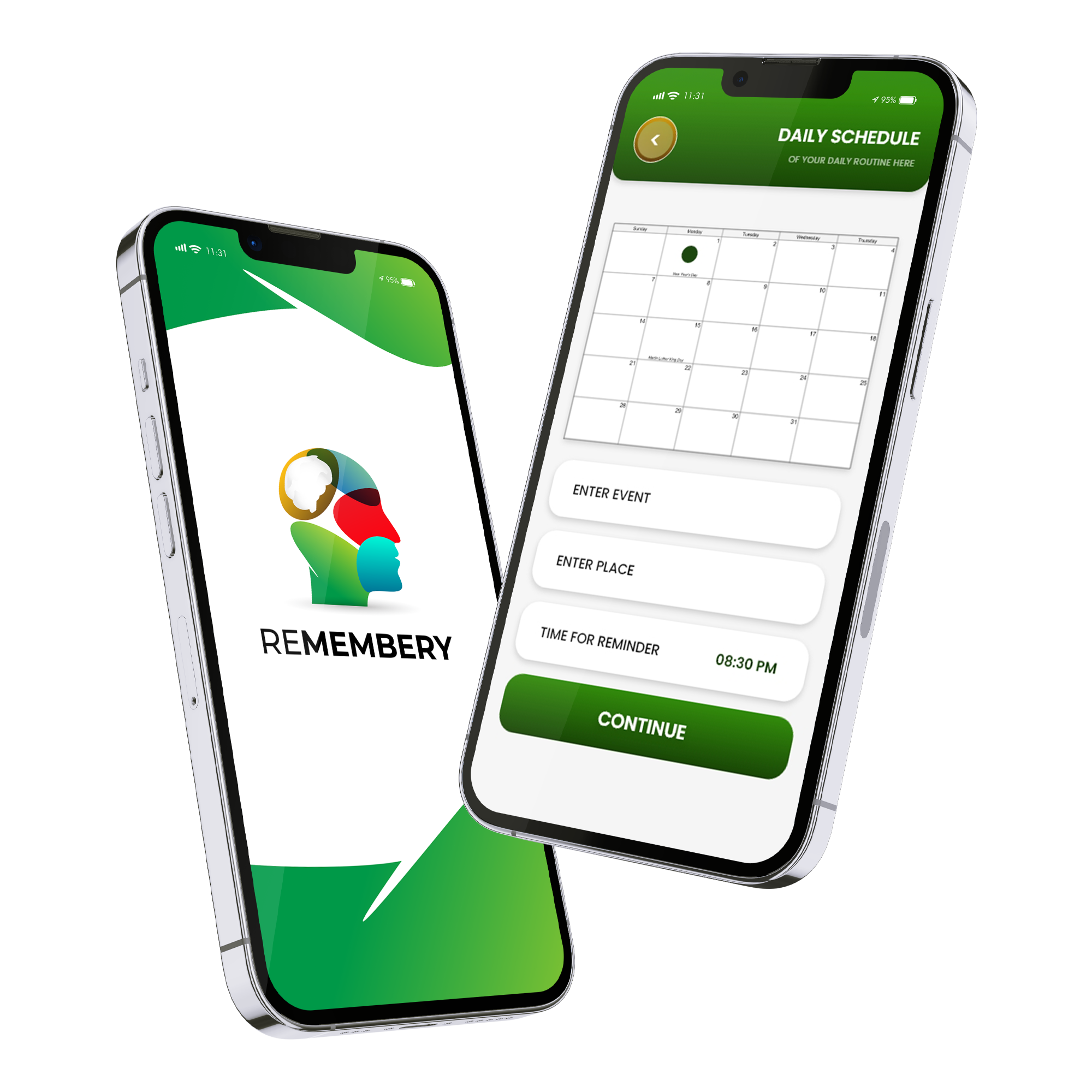
Digital Software Labs provided the expertise we needed to turn our vision into reality. Their team was proactive, responsive, and fully committed to our success.

Louis J. Bonito
CEO - Kilooly Brands

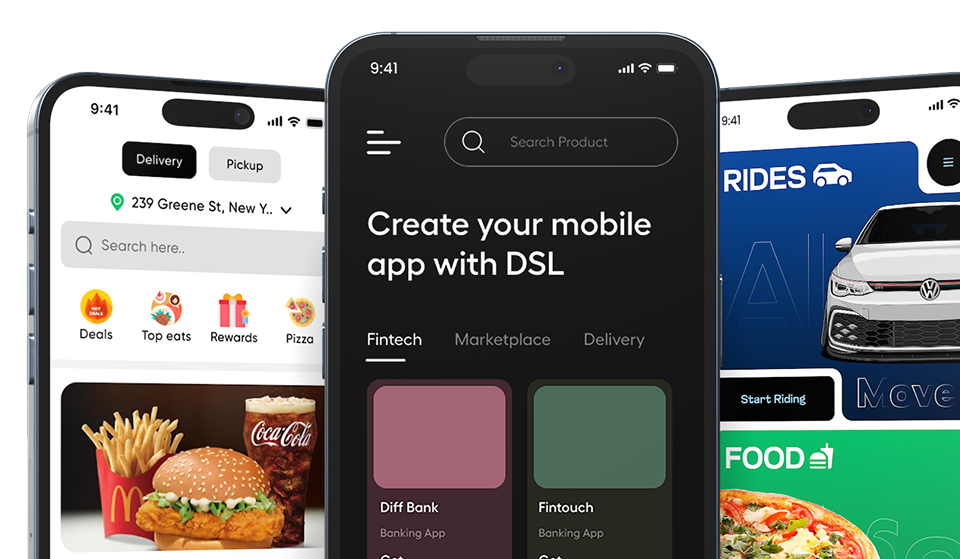
Digital Software Labs provided the skilled engineers we needed to bring our food delivery app to life. Their team was responsive and attentive, ensuring our goals were met.

Yasir
Owner - Alger Move

An OpenSea clone script is a ready-to-deploy NFT marketplace solution that replicates the core functionalities of OpenSea. It allows users to mint, buy, sell, and trade NFTs securely using blockchain technology. Designed with scalability and flexibility in mind, the clone script can be customized to support different industries such as art, gaming, real estate, and collectibles.
The cost of OpenSea clone app development depends on the complexity, feature set, and blockchain integrations required. On average, a standard NFT marketplace costs between $25,000 and $100,000, including smart contract development, wallet integration, and testing. For advanced customizations or multi-chain functionality, pricing may vary based on scope and deployment needs.
OpenSea clones are popular because they provide a fast, cost-effective way to launch a full-featured NFT marketplace without building from scratch. The OpenSea clone platform gives startups and enterprises the flexibility to customize branding, add new modules, and integrate multiple cryptocurrencies. It accelerates go-to-market timelines while maintaining the same security and user experience as leading NFT platforms.
The development timeline for an OpenSea clone app typically ranges from 8 to 14 weeks, depending on project size, integrations, and specific features. A simple marketplace with standard functionality can be completed within two months, while larger, enterprise-grade projects with advanced customization or multi-blockchain support may require additional time for testing and optimization.
At Digital Software Labs, we help businesses turn groundbreaking ideas into digital experiences that last. From mobile apps and NFT marketplaces to full-scale web ecosystems, our team delivers innovation with precision.
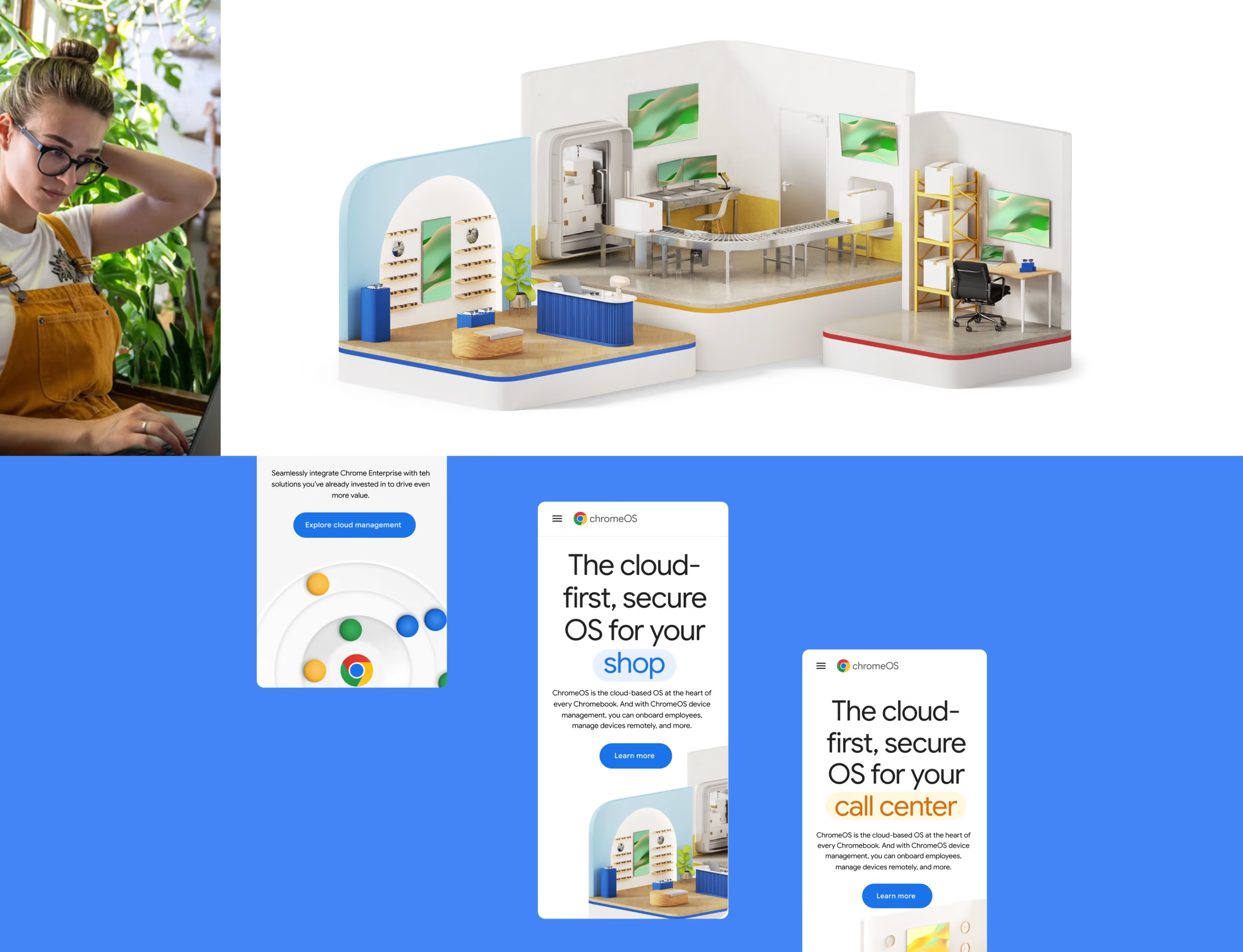
ClickBasket was developed as a next-generation online retail platform powered by artificial intelligence.
We implemented a machine learning-driven recommendation engine capable of analyzing user preferences, browsing behavior, and purchasing history to deliver highly relevant product suggestions.
The system integrates intelligent search, automated product categorization, and a conversational shopping assistant that guides customers through discovery and checkout. Retail analytics tools provide business owners with actionable insights into purchasing trends and customer lifetime value.
Want similar results for your business?

AI personalization engine.
Delivered smart product recommendations in real time.
Predictive search upgrade.
Enhanced product discovery through behavioral insights.
Conversational AI integration.
Added a virtual assistant for guided shopping journeys.
Retail analytics deployment.
Enabled data-driven inventory and sales decisions.
We specialize in developing eye tracking-based digital biomarkers, revolutionizing the way we understand and monitor cognitive processes in real-time.We specialize.
Marketly was built as a creator-first digital marketplace designed to simplify how independent creators sell products and digital assets to their communities.
We developed a scalable commerce infrastructure supporting digital downloads, physical goods, subscription services, and audience engagement tools. The platform includes intuitive storefront management, real-time sales analytics, and performance tracking dashboards.
The goal was to create an ecosystem where creators could operate like full-scale businesses, with automation, insights, and smooth transaction flows driving sustainable growth.
Infrastructure availability
Increase in creator transaction volume
Want similar results for your business?
Creator-first ecosystem launch.
Built a marketplace tailored to independent digital entrepreneurs.
Unified commerce integration.
Combined storefronts, payments, and analytics into one platform.
Scalable transaction framework.
Supported growing user and product volumes without friction.
Revenue growth enablement.
Equipped creators with tools to monetize sustainably.
We specialize in developing eye tracking-based digital biomarkers, revolutionizing the way we understand and monitor cognitive processes in real-time.We specialize.
For a global mobility leader, we engineered a robust AI infrastructure designed to process large-scale transportation data and convert it into actionable intelligence.
Our solution focused on real-time ride demand prediction, traffic behavior analysis, and automated operational decision-making. By building scalable data pipelines and intelligent modeling frameworks, we enabled faster dispatch logic, improved driver allocation strategies, and optimized route efficiency.
The platform was built with elasticity in mind, capable of handling fluctuating demand volumes while maintaining speed, stability, and security across regions.
Data events processed annually
Faster operational decision cycles
Improved route optimization efficiency
Infrastructure availability
Want similar results for your business?
Predictive mobility intelligence.
Shifted operations from reactive dispatching to AI-powered demand forecasting.
Real-time data automation.
Enabled instant decision-making through high-speed analytics pipelines.
Global scalability upgrade.
Built cloud infrastructure capable of handling massive ride volumes seamlessly.
Operational efficiency boost.
Reduced manual processes with intelligent automation systems.
We specialize in developing eye tracking-based digital biomarkers, revolutionizing the way we understand and monitor cognitive processes in real-time.We specialize.