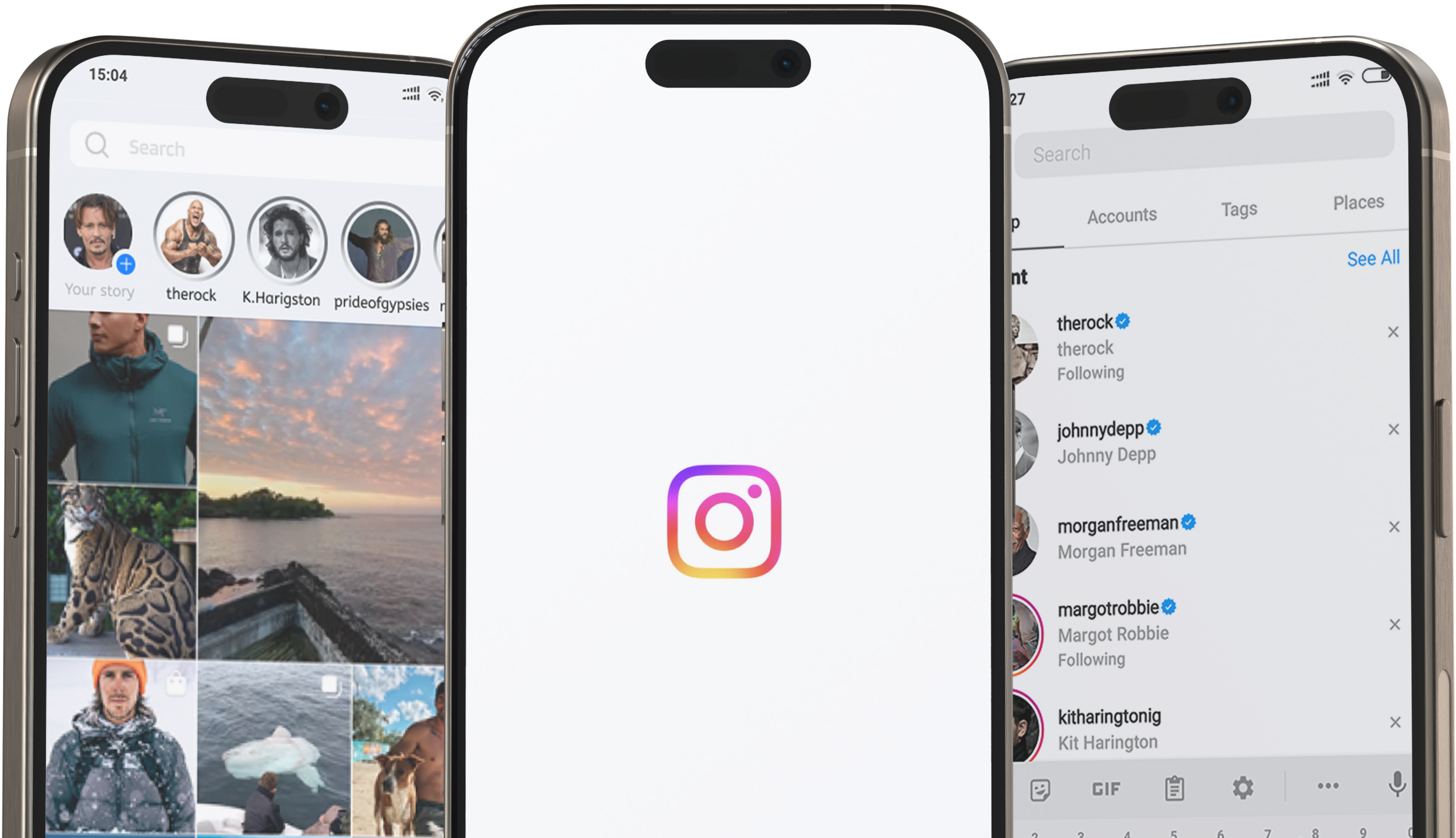
Building a modern social platform requires more than stunning visuals; it demands consistent performance, smart engagement systems, and scalable functionalities. As users shift toward immersive digital communities, many businesses now ask mid-strategy, “How can we launch a dynamic content-sharing platform without the years of engineering behind Instagram?” This is where a refined Instagram clone app becomes valuable, serving as the core of our in-house brand, Clip Cast. By leveraging this foundation, Clip Cast enables founders to deploy feature-rich experiences rapidly while maintaining full creative control, superior media handling, and the operational excellence required for a high-performing social ecosystem.
The Instagram clone app solution offered by Digital Software Labs enhances growth in the social media app market. Major benefits include:






A well-built Instagram-like platform blends discovery, expression, engagement, and trust. Each module is engineered to sustain high-volume content interactions, algorithmic feeds, creator-led monetization, and multi-format messaging. This advanced foundation powers our in-house brand Clip Cast, providing the answer to what makes an Instagram clone app consistent and reliable under heavy user load. By choosing the Instagram Clone, you ensure these components interact efficiently behind the scenes, allowing users to navigate, create, and communicate without interruption while maintaining the high-performance standards of a modern media ecosystem.
Content discovery fuels user retention by presenting relevant visuals at the right time. Feed-ranking logic adapts based on behavior patterns, creating an environment where engagement feels natural. Discovery models applied within the DreamGF clone app reveal how personalized browsing experiences increase session length without overwhelming users. This dynamic flow helps new creators build visibility faster while giving audiences smoother access to trending and niche posts.
Sharing photo and video content must feel immediate and seamless. Upload pathways handle compression, rendering, and publishing in milliseconds to maintain real-time activity. As businesses evaluate infrastructure decisions, frameworks shaped by high-frequency activity environments demonstrate how global traffic can be stabilized. This ensures creators can publish spontaneously without delays or quality drops. The Snapchat clone app also utilizes similar mechanisms to ensure fast and efficient content sharing.
Profiles sit at the heart of social identity. Creator tools organize insights, engagement metrics, and audience data into clear dashboards. Many teams ask mid-project, “How do we help creators manage communities without overwhelming them?” Modular systems similar to those used in the SpicyChat AI clone ecosystem show how thoughtful UI structuring simplifies complex workflows for influencers and brands.
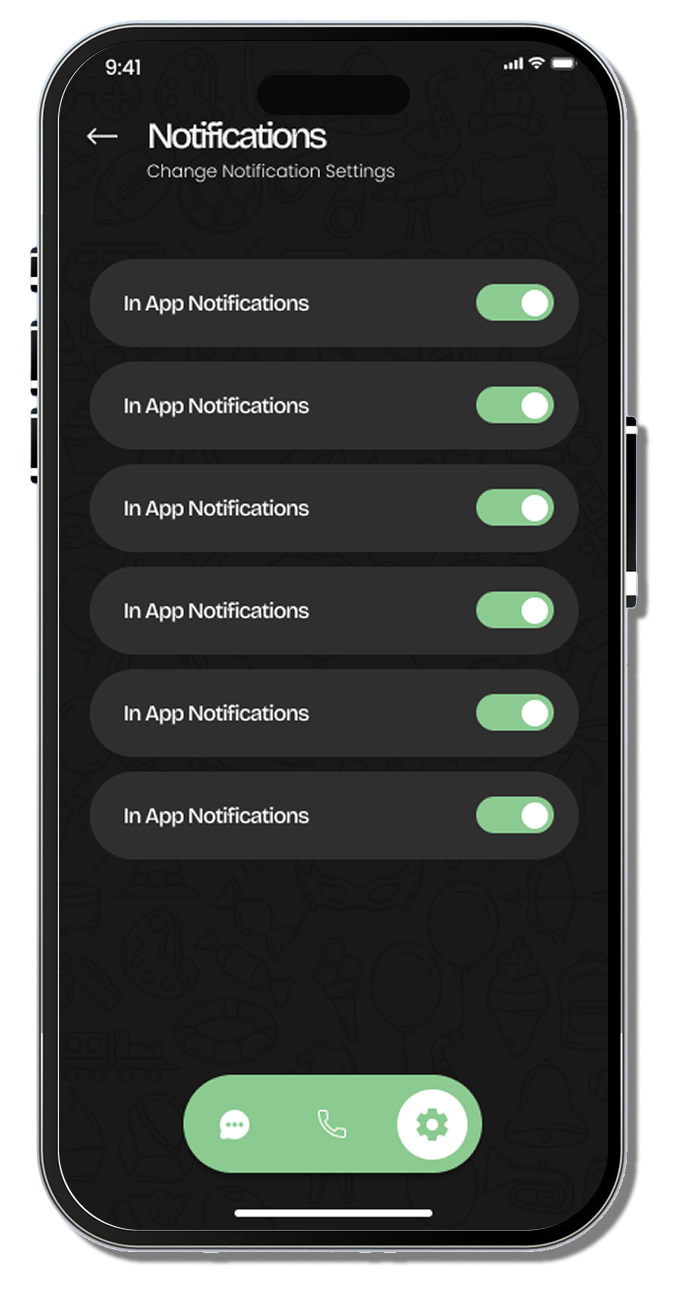
Push notifications, alerts, live interactions, and activity feeds ensure users never miss important updates. These systems must balance urgency with relevance. Engagement tuning methods, shaped within the StepN clone app structure, support stable notification delivery even as concurrent usage scales into the thousands. Real-time responsiveness results in deeper user connection and repeat interactions.
Messaging demands encryption, fast delivery, and media safety. High-volume chat environments require consistent routing, storage protection, and message retention logic. Influenced by media safeguards proven inside the Vinted clone app workflow, our messaging engine maintains reliability across private chats, group discussions, and creator communication.
Safe digital environments depend on transparent feedback channels. Structured reporting tools, rating modules, and backend review systems help platforms maintain quality. Trust-building principles refined in the Gumtree clone app ecosystem demonstrate how community moderation becomes predictable without restricting user freedom.
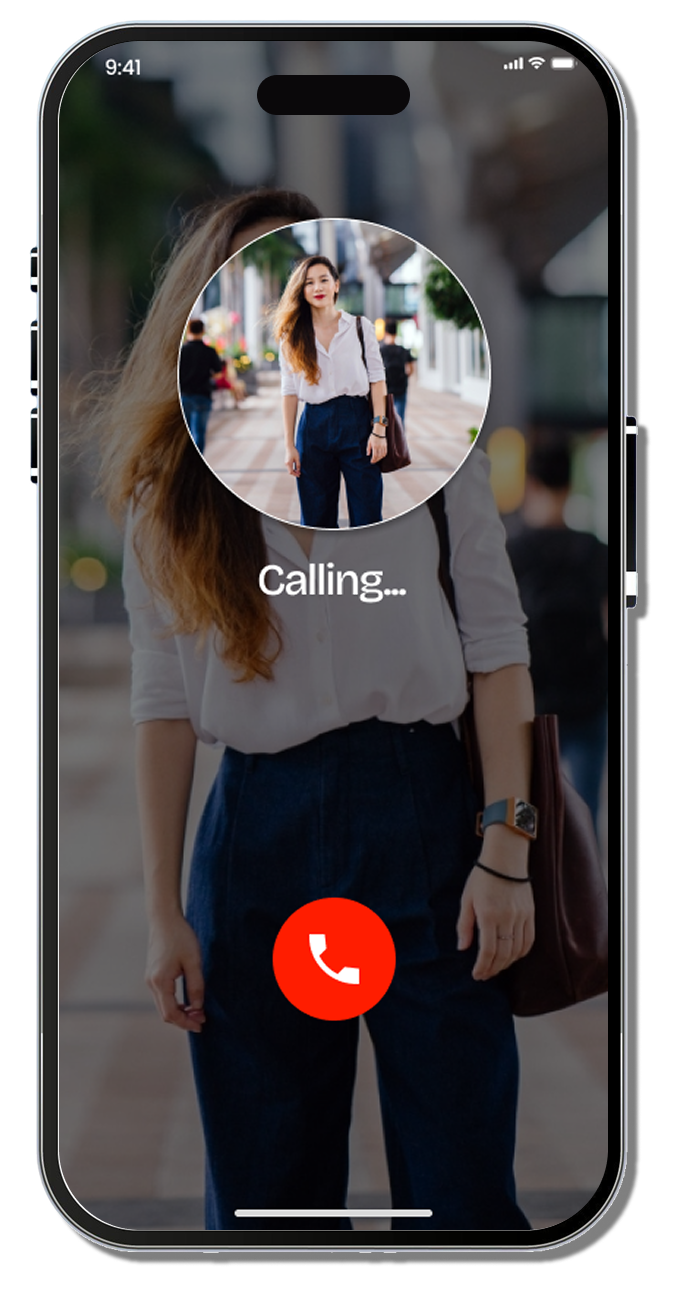
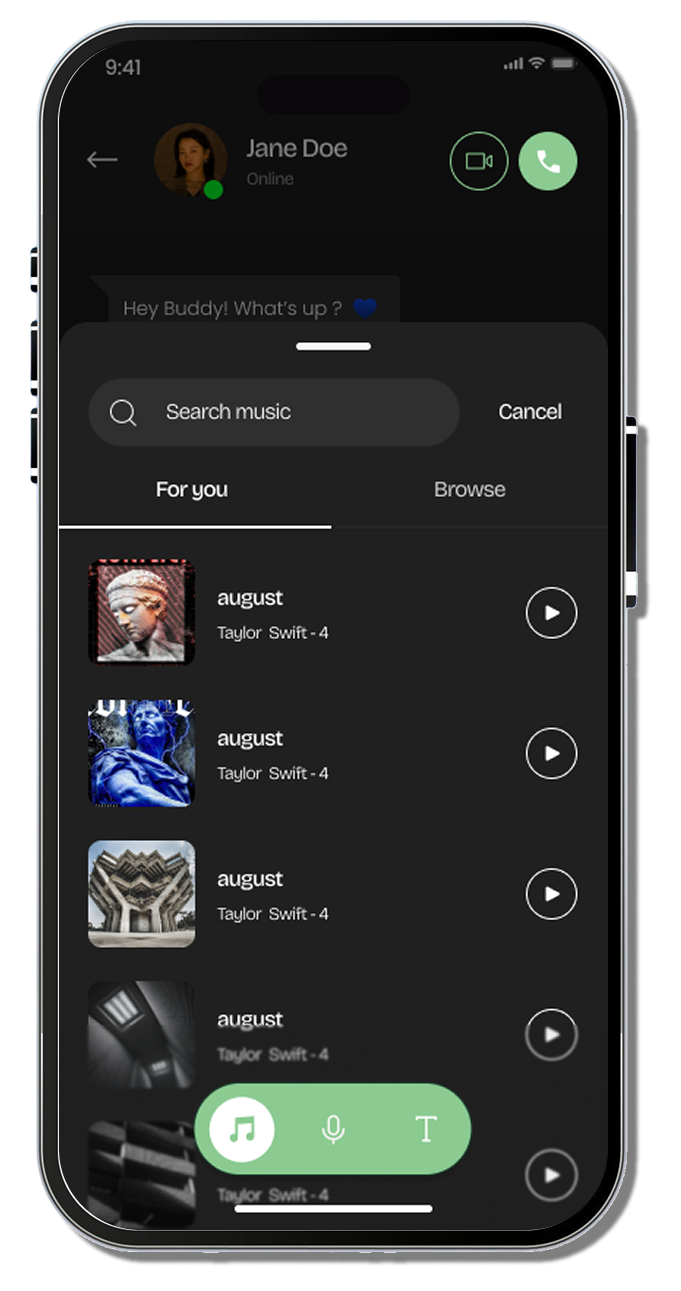
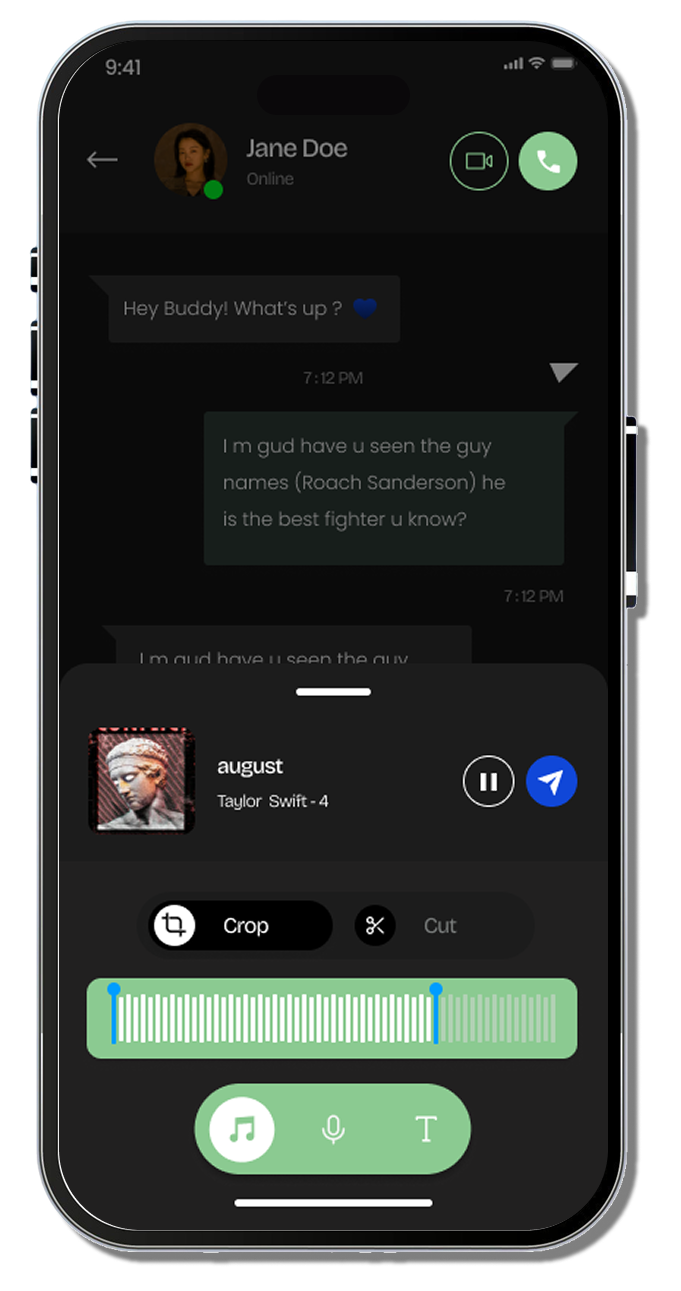
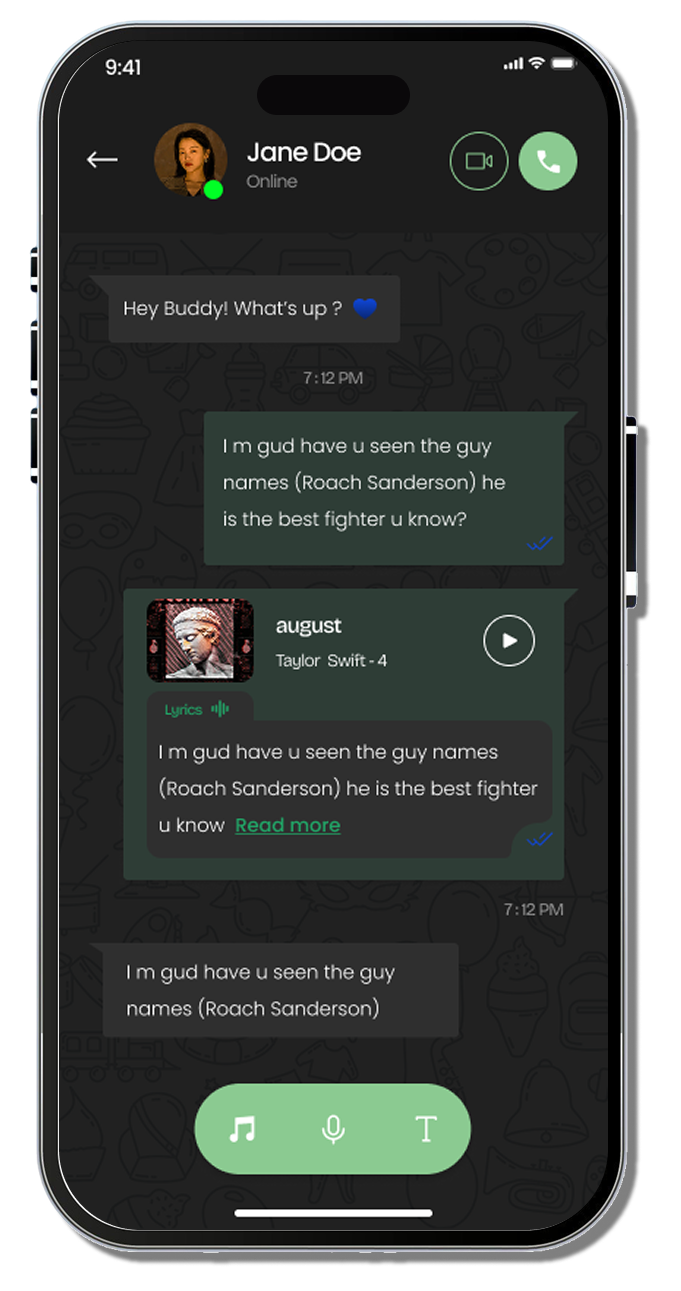
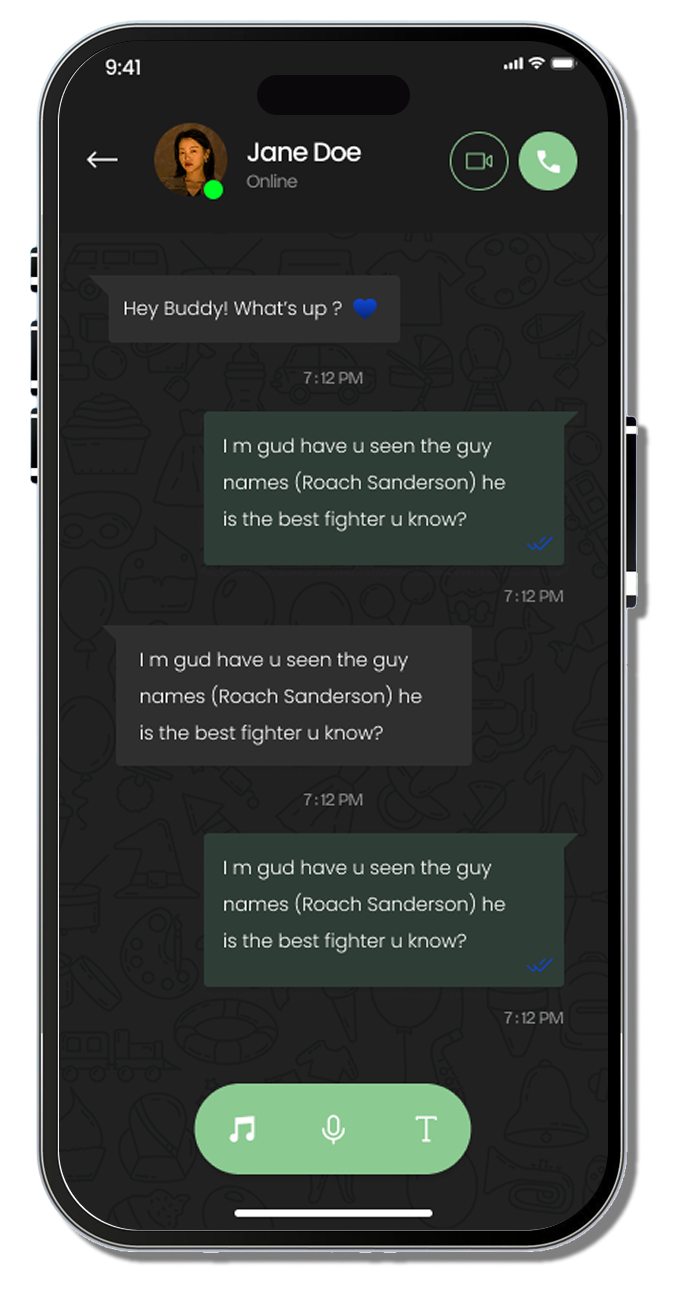
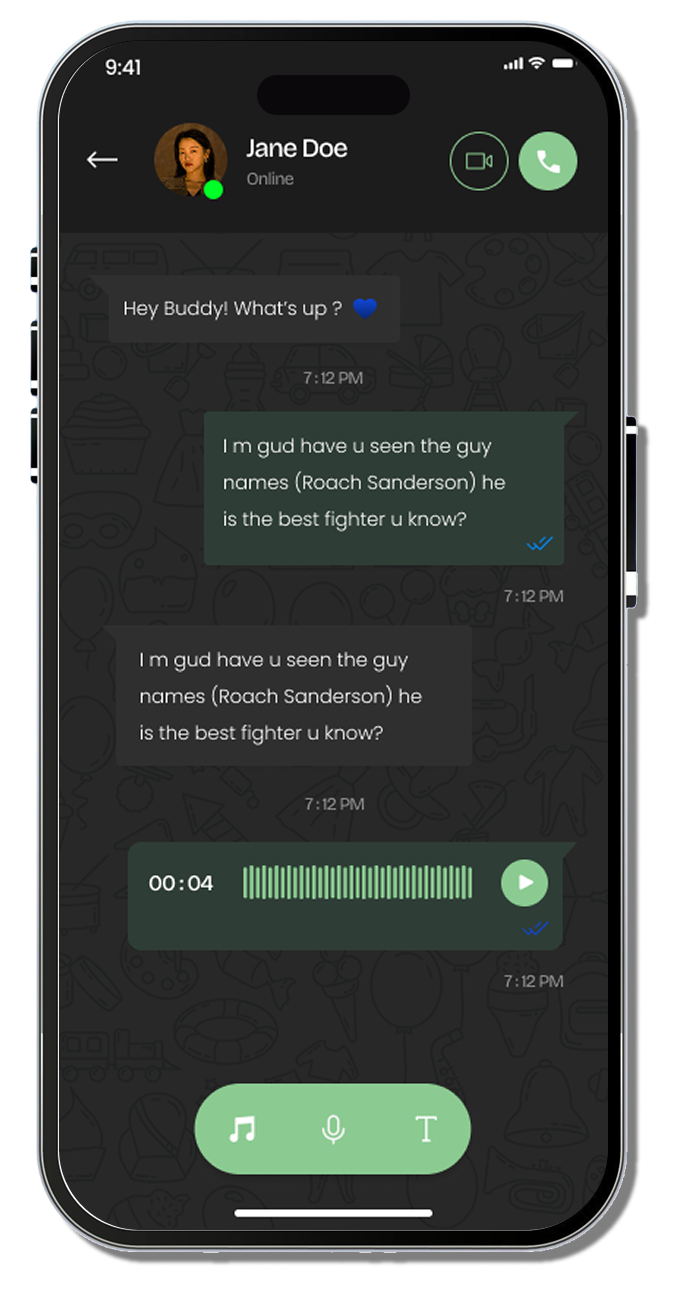
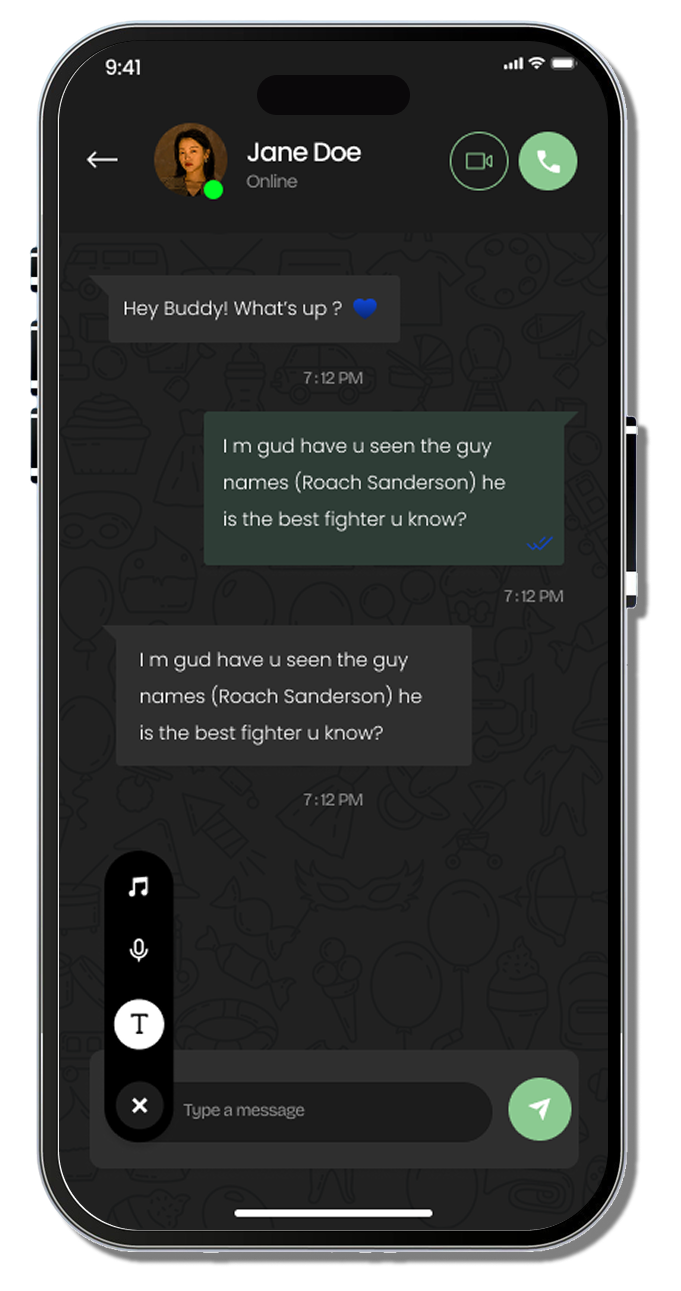
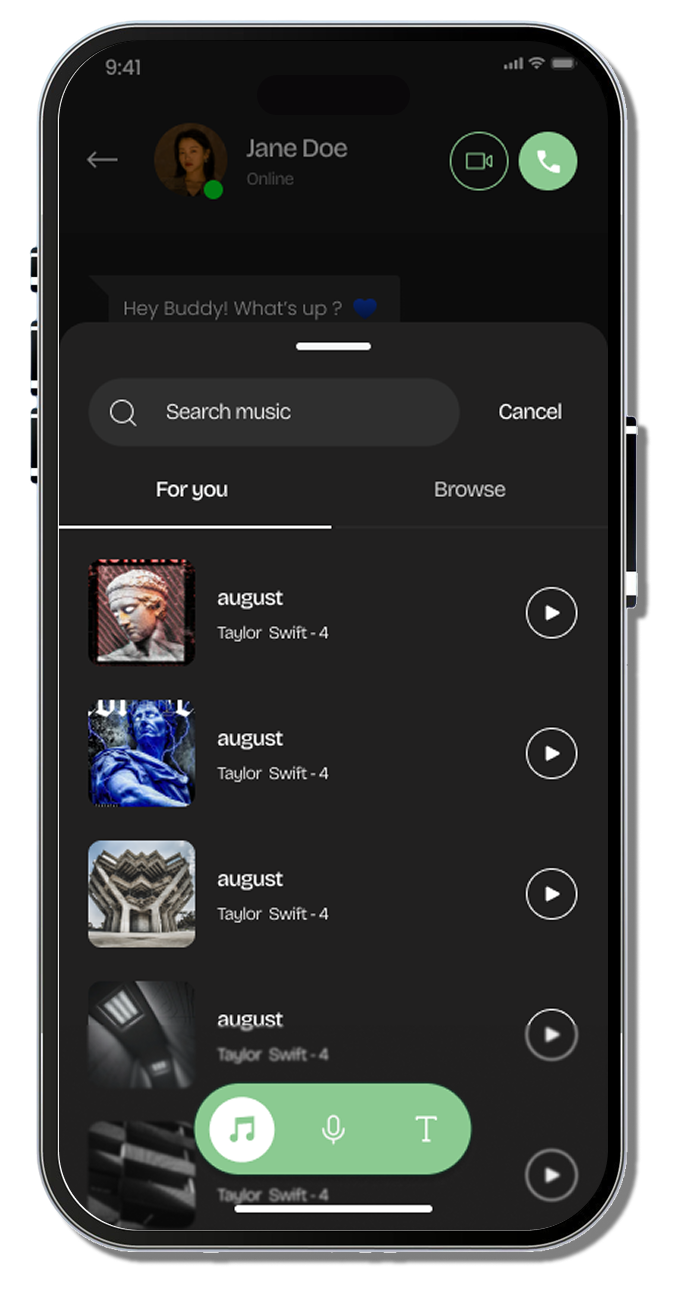
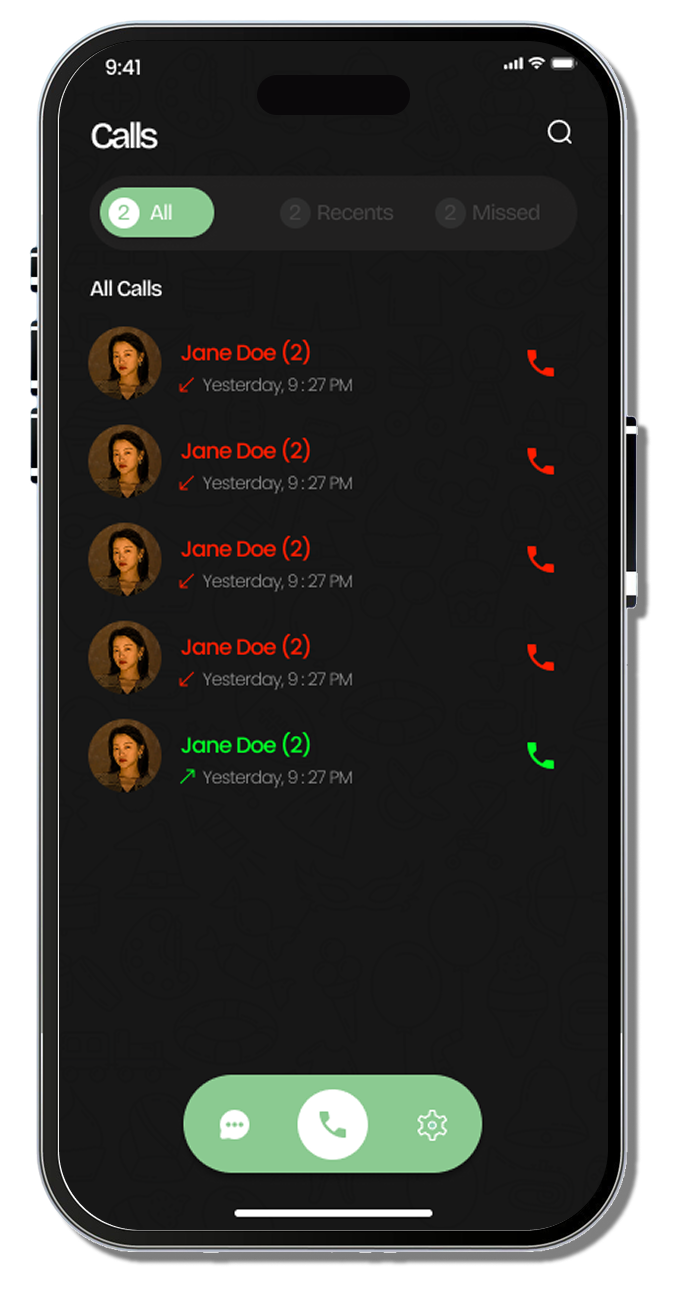
Discover how ClipCast brings real-time chat, media sharing, and social interaction into one smooth and engaging communication experience.
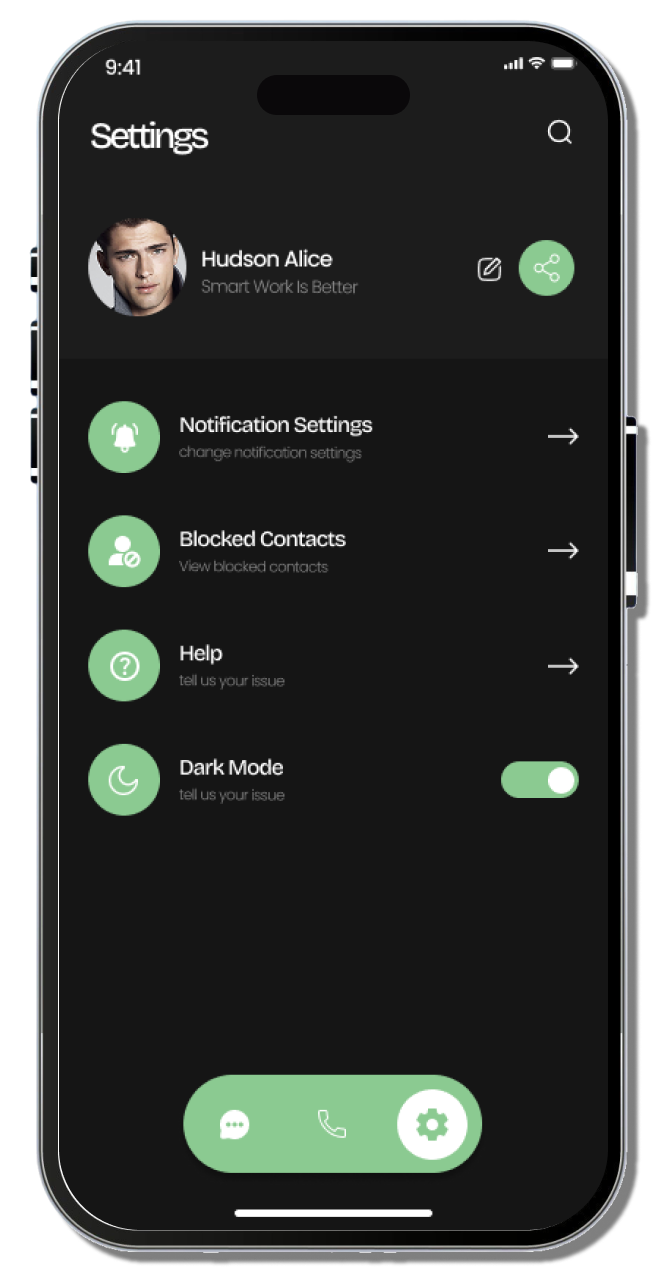
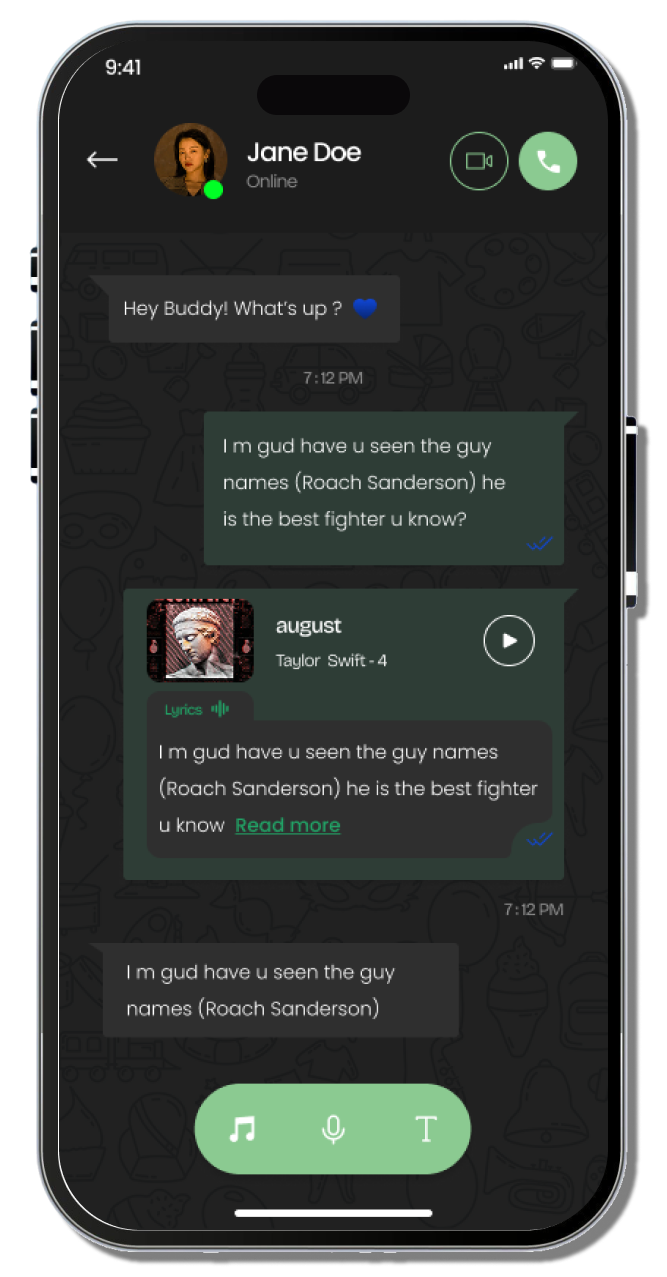
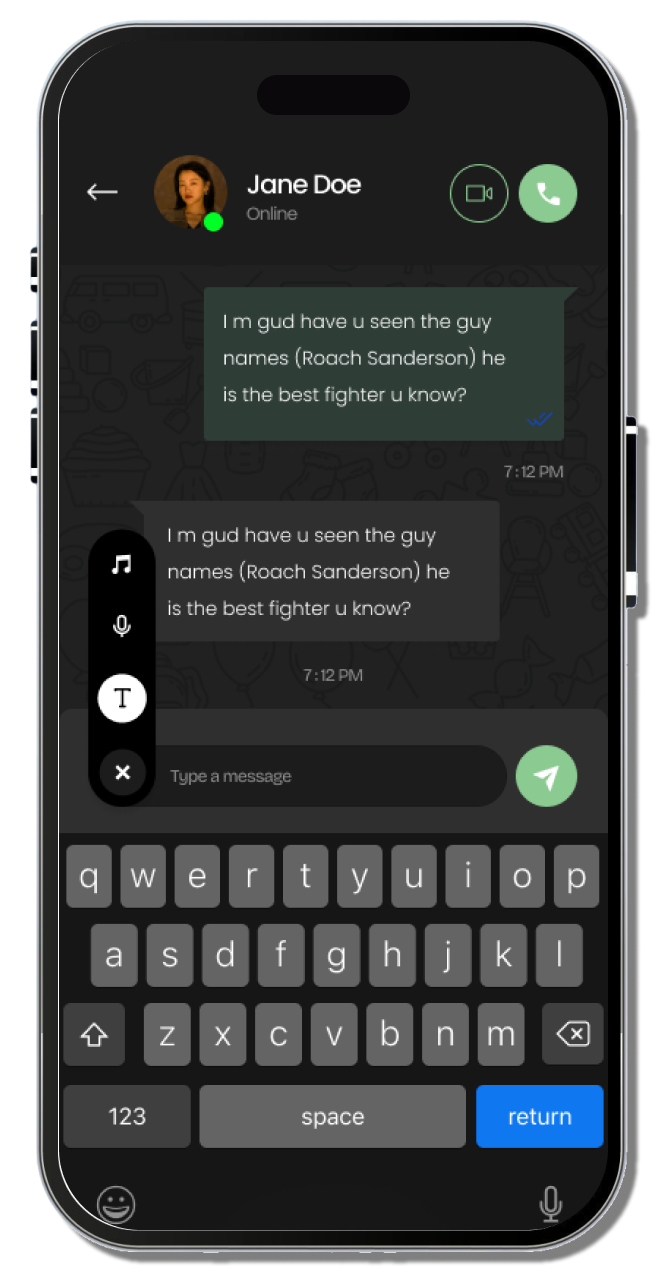
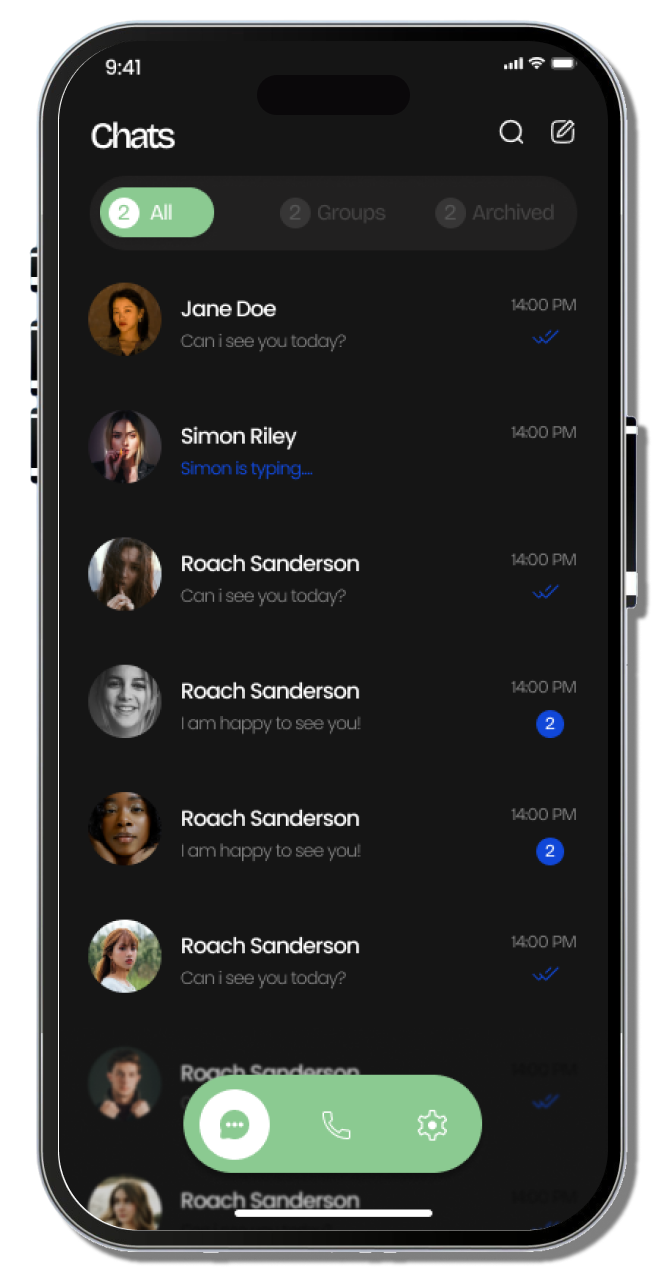
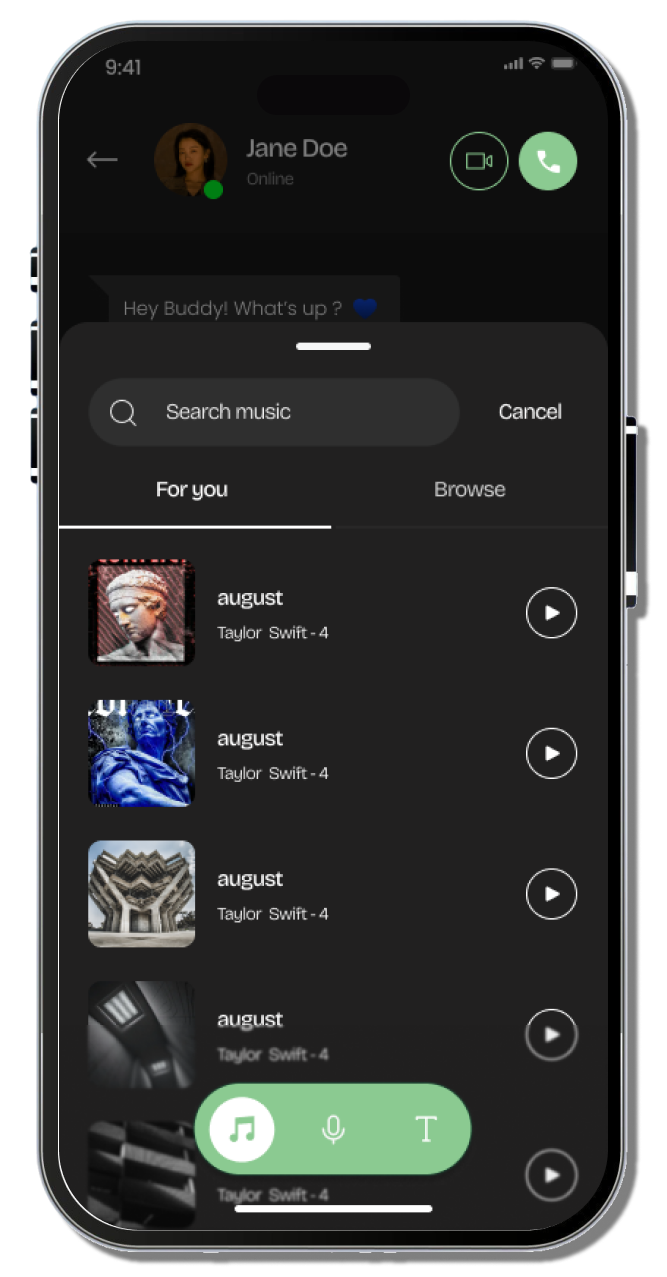
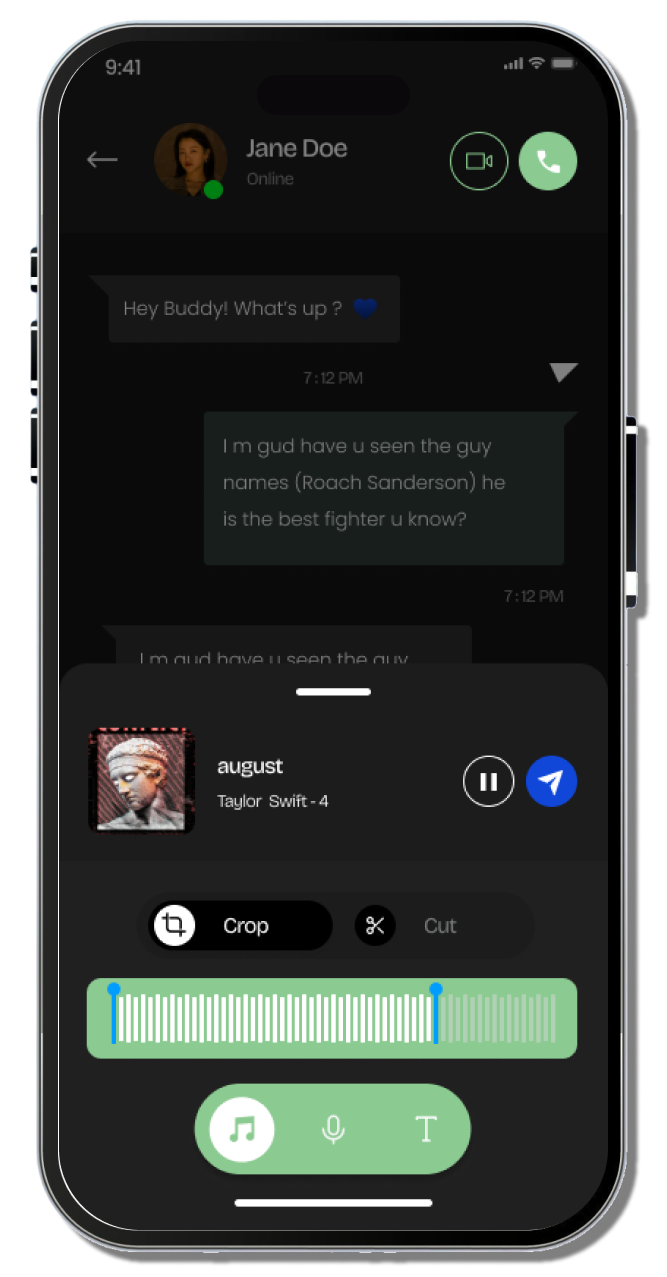
Discover ClipCast – Watch our live product demo and see how real-time chat, media sharing, and social interactions come together in one seamless experience.
Scaling a social platform requires structured planning, technical sequencing, and precise execution. Each step ensures systems remain aligned with performance expectations and user behavior. When founders evaluate multiple Instagram App Development company options, a well-documented process becomes essential for achieving predictable outcomes.
Understanding audience motivations shapes the platform’s design language, interaction pathways, and engagement features. By examining content habits, demographic patterns, and creator dynamics, companies refine their targeting strategy. Audience segmentation models occasionally align with behavioral tracking methods seen in the Letgo clone app to enhance decision-making.
Revenue frameworks must adapt as the platform grows. Subscription layers, promotional boosts, paid placements, and creator programs operate best when structured early. Balanced monetization principles applied within the PancakeSwap clone app environment offer guidance for stable economic models inside large user communities.
Cost clarity depends on feature scope, infrastructure depth, design complexity, and planned scalability. Early technical mapping allows businesses to set grounded expectations, reducing risk and improving decision-making. Similar evaluation methods used in the Talabat clone app planning phase support accurate forecasting.
An MVP focuses on essential components, feeds, creator tools, messaging, notifications, and profiles. Testing core mechanics early ensures the final build aligns with real user behavior. Iterative development methods used in the SushiSwap clone app ecosystem strengthen this validation process.
Deployment requires synchronized workflows, automated testing, and continuous iteration to maintain stability. Release cycles inspired by efficient pipelines found in the Rover clone app ecosystem ensure performance remains consistent as features expand and user numbers grow.
Features define how users create, interact, and grow within the ecosystem. This advanced technical feature of our in-house brand, Clip Cast provides the specialized tools needed to elevate a standard Instagram clone into a high-performance media hub

Login flows must feel natural while maintaining strong security standards. Multifactor options, social authentication, and secure tokens streamline onboarding. Authentication principles found in the Bolt clone app workflows support reliability during high-volume access periods.

Profiles integrate identity details, visual themes, audience metrics, and engagement data to support creators and everyday users alike. Structural flexibility inspired by the BlaBlaCar clone app model ensures profiles remain adaptable as creators scale their influence.

Notifications must deliver relevance without overwhelming users. Prioritization routes essential information smoothly and reduces noise. Signal refinement observed in the Didi clone app performance layer supports accurate and timely delivery across devices.

Engagement mechanics capture reactions, shares, comments, and discovery patterns. Tracking accuracy ensures users experience seamless updates as activity evolves. Real-time tuning derived from the PetFinder clone app system reinforces stability even during peak interaction cycles.

Promotion tools allow creators to boost visibility, analyze reach, and refine audience targeting. Monetization logic structured inside the ProFlowers clone app workflow demonstrates how platforms support scalable creator economies with minimal operational friction.

Community features help maintain a positive digital environment. Reporting channels, rating tools, and moderation dashboards work together to protect platform integrity. Supportive structures found within the Deliveroo clone app system illustrate how transparent feedback improves trust.
The digital landscape demands more than just a presence; it requires a unified experience across every screen. By ensuring smooth transitions between web, iOS, and Android, we eliminate the friction that often stalls community growth. This high-velocity framework is the pulse of our in-house brand, Clip Cast, which redefines the standard Instagram clone app into a hyper-accessible media hub. With Clip Cast features, your platform moves beyond simple multi-platform deployment, offering a synchronized social ecosystem where creators and audiences connect through a polished, reliable interface that feels premium on every device.
A browser-based interface expands workspace visibility and simplifies content coordination across teams. Its structured layout improves decision-making and navigation for editors, agencies, and brand managers. Framework behavior aligned with the Trivago clone app supports organized workflows, faster adjustments, and stable performance when large media libraries or multi-user environments require dependable architecture.
The iOS build delivers smooth animations, precise gestures, and secure local storage optimized for Apple hardware. This version focuses on polished transitions and consistent responsiveness. Interface refinement guided by the TripAdvisor clone app architecture strengthens usability, helping creators manage content, analytics, and interactions with accuracy across all supported Apple devices.
Android deployment widens reach by supporting diverse devices, screen sizes, and processing capabilities. Its adaptable structure ensures consistent performance even when handling heavy media activity. Optimization strategies shaped by the WeChat clone app environment reinforce stability across fragmented hardware conditions, enabling smooth interactions regardless of user location or handset variation.
Administrative oversight becomes the backbone of any successful Instagram clone app. Structured systems improve monitoring, streamline creator management, and maintain platform integrity at scale. Each component supports operational stability while ensuring users and creators experience a secure, predictable, and high-performance environment.
Dashboards consolidate platform-wide signals, including creator metrics, community behavior, reporting queues, and performance charts. Data-mapping logic inspired by the Venmo clone app enables rapid pattern recognition, ensuring decisions are made with accuracy even as activity levels rise across diverse user segments.
Content pathways streamline approvals, removals, scheduling, and categorization. Teams managing large media queues rely on straightforward navigation structures, where operational clarity follows the same organizational balance found in the Stripe clone app ecosystem. This keeps workflows predictable and stable during high-volume publishing cycles.
Monetization governance shapes how creators earn, how subscriptions function, and how ad pricing adjusts over time. Revenue controls borrow logical consistency from the Cameo clone app, ensuring predictable payout structures, transparent adjustments, and smooth revenue scaling for expanding creator communities.
User governance maintains account authenticity, tracks behavioral trends, and manages permissions across evolving communities. Accuracy improves when supported by verification logic similar to the Drizly clone app, enabling stable oversight even when user numbers and interaction volumes rise significantly.
Ad delivery, payment synchronization, and content routing operate under a structured system where automation reduces manual oversight. Stability aligns with operational patterns established in the Rappi clone app, ensuring consistent pacing even during periods of elevated engagement and transactional flow.
Support channels manage user concerns, creator inquiries, and conflict resolution flows with precision. This stability mirrors the assistance logic refined in the Revolut clone app, allowing disputes to be processed quickly while maintaining transparency across all communication threads.
This update strengthens platform speed, improves media rendering, and enhances creator management controls. Messaging latency has been reduced, while profile systems receive updated logic for faster edits and cleaner categorization. Additional support tools were introduced to help admins oversee content transitions during peak engagement times, ensuring smooth operations and predictable workflow behavior across all user segments.
This release optimized the notification engine, refined recommendation pathways, and polished the onboarding experience. Visual refinement across the interface improved clarity, while backend restructuring reduced load on frequently accessed modules. The update also introduced improved transitions within feed interactions, giving users smoother movement between content formats and more predictable performance during high-traffic activity cycles.
Version 4.0 focused on strengthening security, refining search accuracy, and stabilizing real-time actions. The update introduced more efficient storage allocation and recalibrated caching to support large audiences. Algorithmic improvements resulted in smoother feeds, while adjustments to messaging delivery allowed quicker exchanges even during heavy server load. This version created a more predictable environment for everyday interactions.
This upgrade improved profile management, expanded media compatibility, and refined data handling across user activities. Feed behavior became more consistent, and timelines loaded with improved accuracy. Backend organization reduced redundancies across multiple modules, while new analytics snapshots gave admins better clarity into usage patterns and content movement throughout the platform. Version 3.0 strengthened structural balance across core functions.
Version 2.0 introduced foundational improvements, including stable login flows, reliable content uploads, and faster system communication. Updates strengthened the relationship between the interface and backend, reducing delays and improving action recognition. This version also created a consistent baseline for creator tools, enabling structured content behavior and predictable user navigation across major sections of the platform.

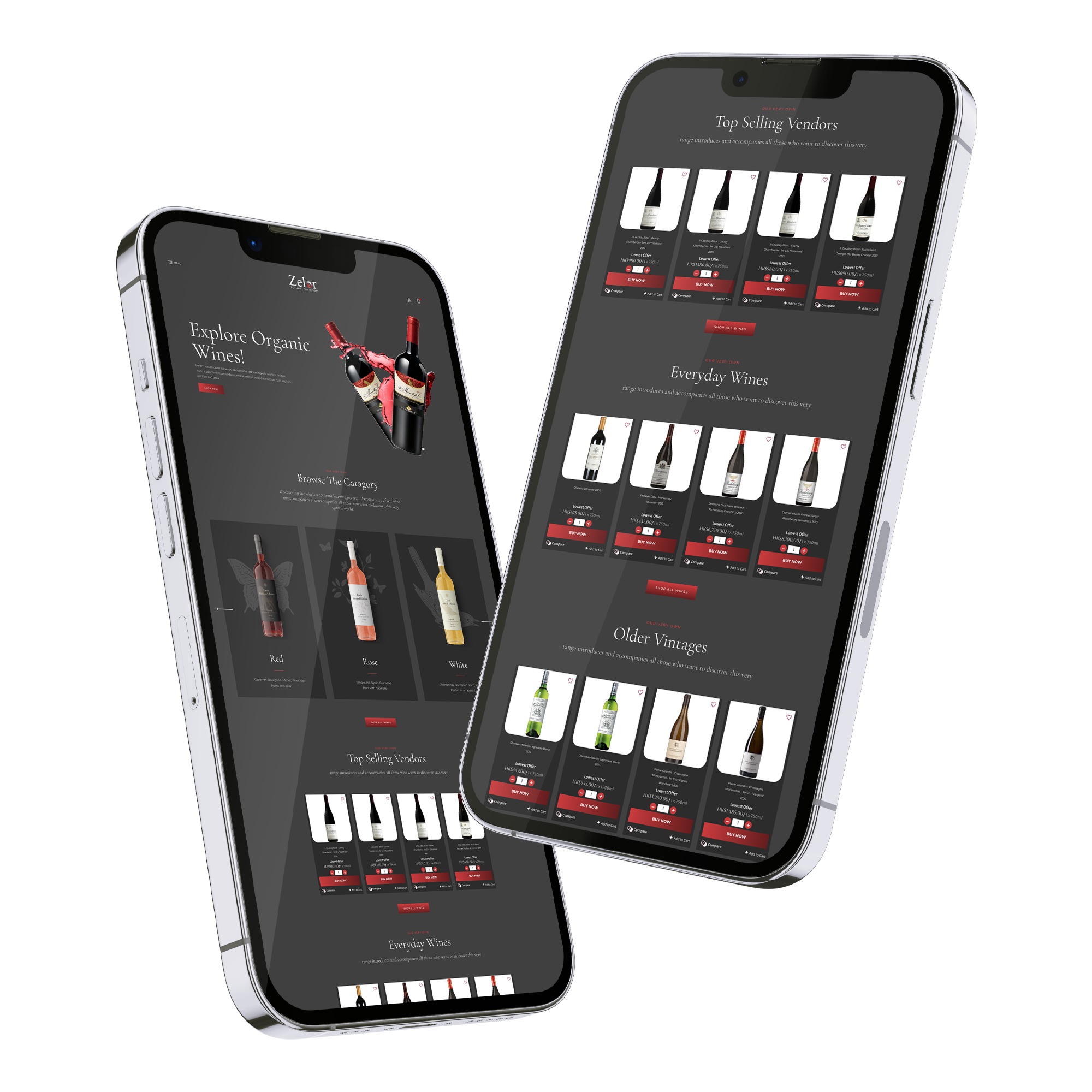
Digital Software Labs provided the expertise we needed to bring our wine marketplace to life. Their team was proactive, responsive, and ensured our vision was executed flawlessly.”

Crystal
Founder/Owner - Zelor Wines
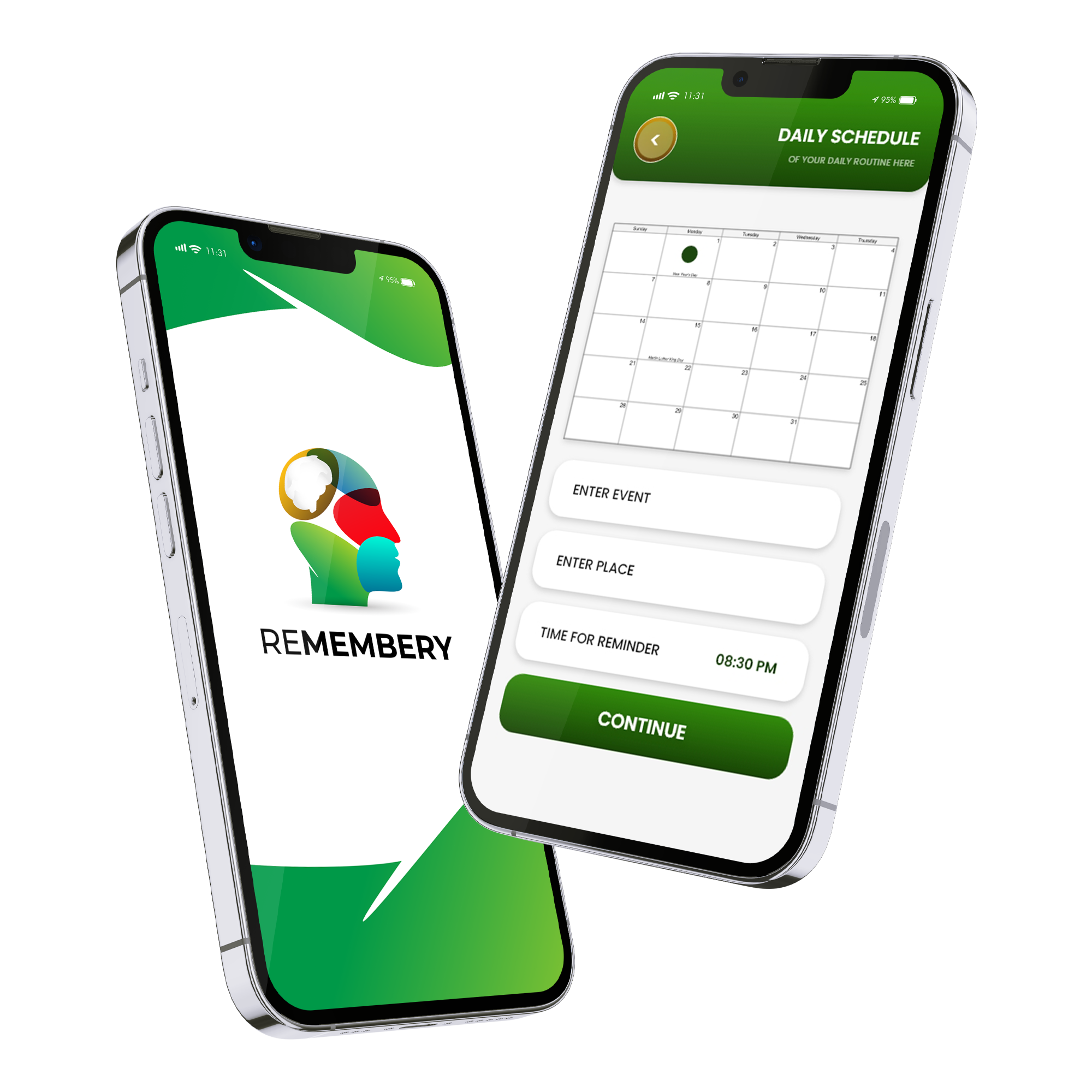
Digital Software Labs provided the expertise we needed to turn our vision into reality. Their team was proactive, responsive, and fully committed to our success.

Louis J. Bonito
CEO - Kilooly Brands

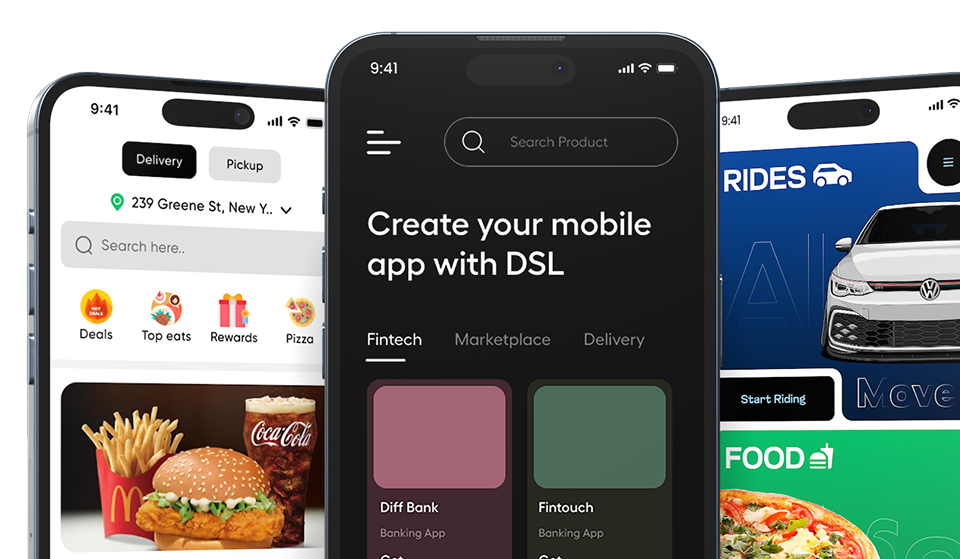
Digital Software Labs provided the skilled engineers we needed to bring our food delivery app to life. Their team was responsive and attentive, ensuring our goals were met.

Yasir
Owner - Alger Move

A scalable social platform requires structure, clarity, and dependable interaction systems. Our approach to Instagram clone app development ensures every component, from media handling to creator workflows, operates with consistency.
An Instagram clone app replicates the core functions of the original platform while giving full control over branding, logic, and feature expansion. Businesses use Instagram clone development to launch feed-based communities, creator ecosystems, or niche social networks with timelines, stories, messaging, and content promotion tools that operate under their own identity.
The timeline depends on features such as real-time messaging, creator tools, adaptive feeds, and admin panel complexity. A standard Instagram clone app can move from planning to deployment within a structured cycle that includes design, architecture setup, testing, and optimization, ensuring a stable release for growing user environments.
Yes. A professionally structured Instagram clone app is built to expand as activity increases. Modular systems allow additional storage, extended creator tools, stronger notification engines, and improved engagement pathways without disrupting existing performance. This scalability supports both emerging communities and large audience growth patterns.
Full customization is possible, including UI design, interaction behavior, creator tools, feed logic, and monetization structures. Instagram clone development services allow businesses to shape the platform according to their identity, enabling distinct visuals, unique user flows, and specialized features that align with long-term brand strategy.
Cost depends on required features such as stories, reels, recommendations, real-time chat, and advanced analytics. The complexity of admin tools, platform selection, and integration needs also influences pricing. A streamlined version of an Instagram clone app is more affordable, while multi-platform systems require additional development cycles.
Ongoing support ensures the Instagram clone app continues to operate smoothly as user activity grows. Post-launch assistance covers system monitoring, performance stabilization, content moderation tools, messaging accuracy, and update cycles that keep the platform aligned with modern interaction standards.
Monetization can include creator subscriptions, promoted posts, advertising modules, exclusive content access, and transaction-based revenue. Instagram clone script frameworks allow flexible earning systems that expand as community engagement increases, enabling sustainable financial models for both creators and platform owners.
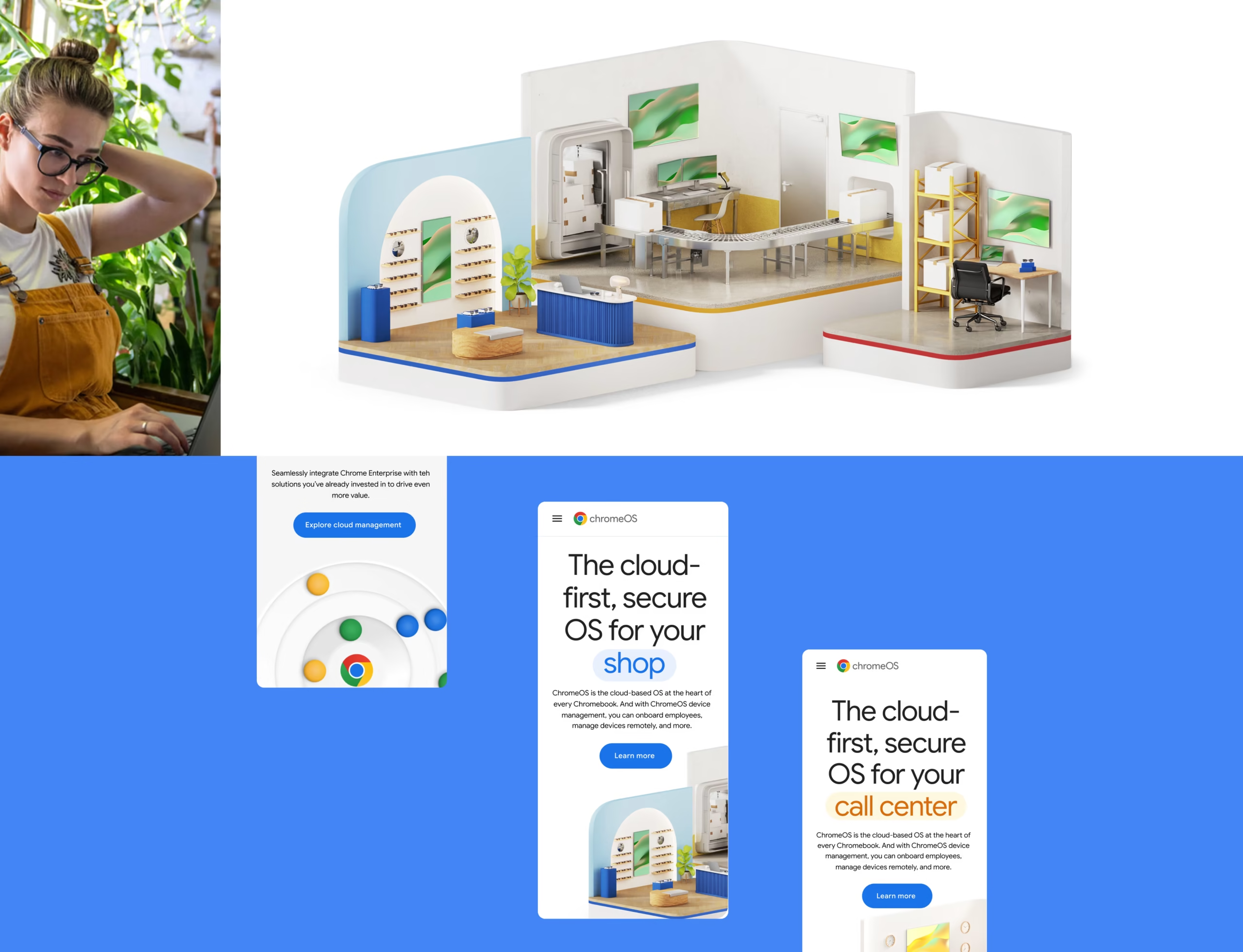
ClickBasket was developed as a next-generation online retail platform powered by artificial intelligence.
We implemented a machine learning-driven recommendation engine capable of analyzing user preferences, browsing behavior, and purchasing history to deliver highly relevant product suggestions.
The system integrates intelligent search, automated product categorization, and a conversational shopping assistant that guides customers through discovery and checkout. Retail analytics tools provide business owners with actionable insights into purchasing trends and customer lifetime value.
Want similar results for your business?
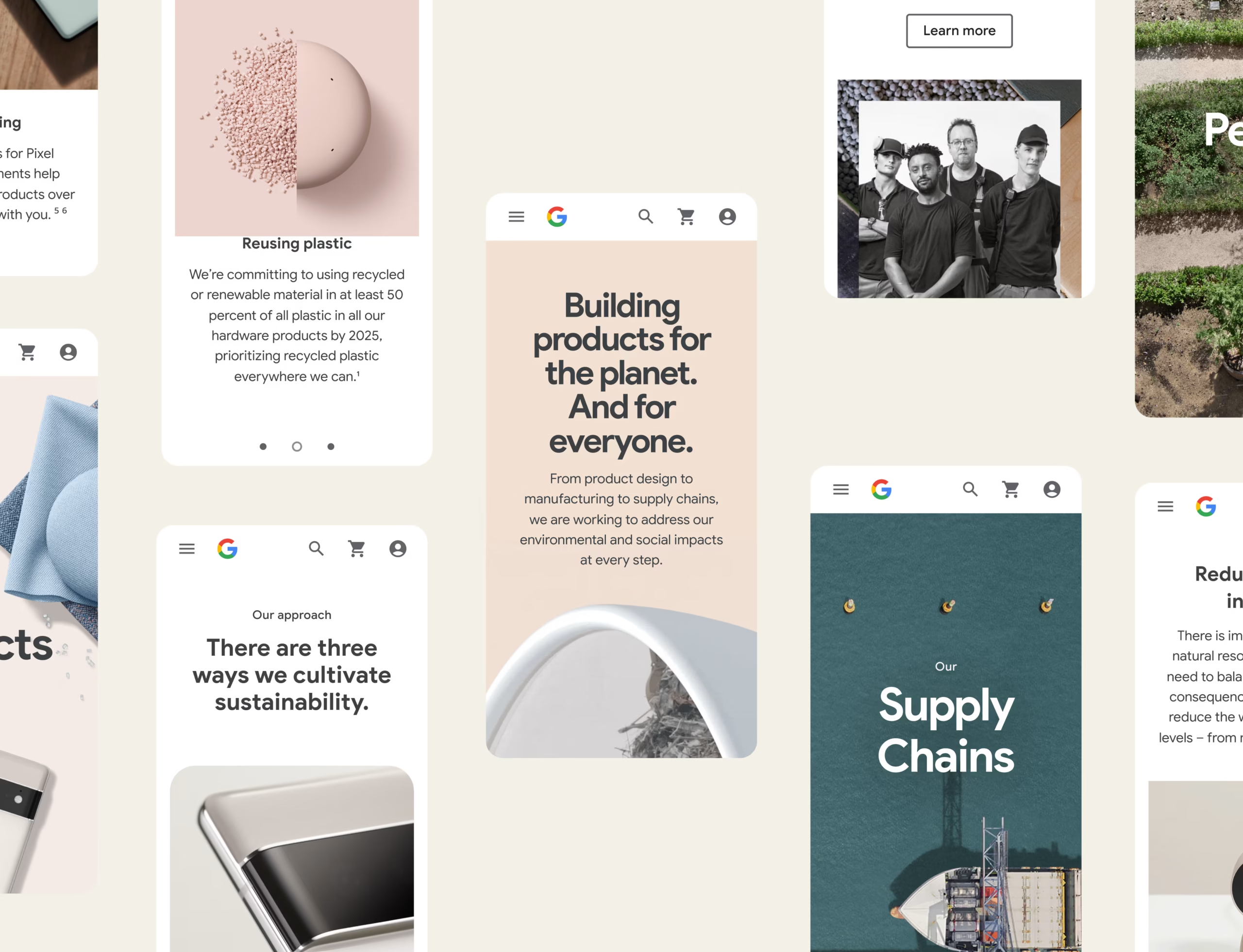
AI personalization engine.
Delivered smart product recommendations in real time.
Predictive search upgrade.
Enhanced product discovery through behavioral insights.
Conversational AI integration.
Added a virtual assistant for guided shopping journeys.
Retail analytics deployment.
Enabled data-driven inventory and sales decisions.
We specialize in developing eye tracking-based digital biomarkers, revolutionizing the way we understand and monitor cognitive processes in real-time.We specialize.
Marketly was built as a creator-first digital marketplace designed to simplify how independent creators sell products and digital assets to their communities.
We developed a scalable commerce infrastructure supporting digital downloads, physical goods, subscription services, and audience engagement tools. The platform includes intuitive storefront management, real-time sales analytics, and performance tracking dashboards.
The goal was to create an ecosystem where creators could operate like full-scale businesses, with automation, insights, and smooth transaction flows driving sustainable growth.
Infrastructure availability
Increase in creator transaction volume
Want similar results for your business?
Creator-first ecosystem launch.
Built a marketplace tailored to independent digital entrepreneurs.
Unified commerce integration.
Combined storefronts, payments, and analytics into one platform.
Scalable transaction framework.
Supported growing user and product volumes without friction.
Revenue growth enablement.
Equipped creators with tools to monetize sustainably.
We specialize in developing eye tracking-based digital biomarkers, revolutionizing the way we understand and monitor cognitive processes in real-time.We specialize.
For a global mobility leader, we engineered a robust AI infrastructure designed to process large-scale transportation data and convert it into actionable intelligence.
Our solution focused on real-time ride demand prediction, traffic behavior analysis, and automated operational decision-making. By building scalable data pipelines and intelligent modeling frameworks, we enabled faster dispatch logic, improved driver allocation strategies, and optimized route efficiency.
The platform was built with elasticity in mind, capable of handling fluctuating demand volumes while maintaining speed, stability, and security across regions.
Data events processed annually
Faster operational decision cycles
Improved route optimization efficiency
Infrastructure availability
Want similar results for your business?
Predictive mobility intelligence.
Shifted operations from reactive dispatching to AI-powered demand forecasting.
Real-time data automation.
Enabled instant decision-making through high-speed analytics pipelines.
Global scalability upgrade.
Built cloud infrastructure capable of handling massive ride volumes seamlessly.
Operational efficiency boost.
Reduced manual processes with intelligent automation systems.
We specialize in developing eye tracking-based digital biomarkers, revolutionizing the way we understand and monitor cognitive processes in real-time.We specialize.