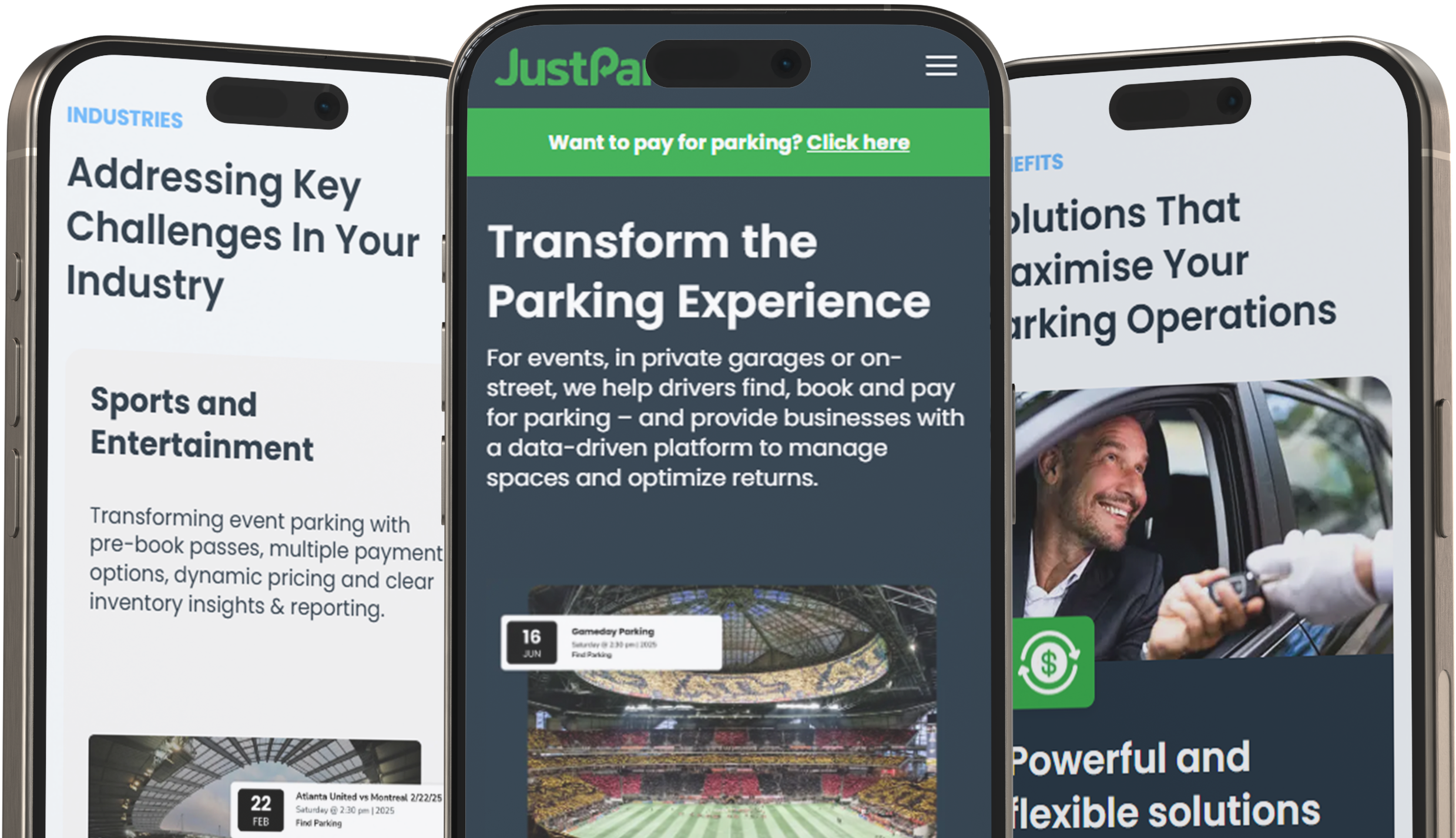
The global smart parking market was valued at over $6 billion in 2025 and is projected to grow at a double‑digit CAGR through the early 2030s, driven by rising urbanization, increased vehicle ownership, and demand for automated mobility solutions. At Digital Software Labs, our JustPark clone development approach combines smart parking technology with secure payment workflows and scalable architecture, allowing businesses to deliver reliable on-demand parking services across urban and commercial environments. Our JustPark Clone Development process focuses on real-time availability, seamless navigation, and automation-driven efficiency.






The JustPark clone service is built using advanced technologies that enhance parking availability accuracy, transaction safety, and operational efficiency. These integrations ensure smooth coordination between users, parking space owners, and administrators while supporting scalable growth across urban and commercial parking environments.
IoT-enabled sensors track parking space occupancy continuously, allowing the system to reflect live availability with high accuracy. This real-time data handling improves traffic flow and reduces idle searching, a capability often required in large-scale location-based systems similar to those supported in the HomeAway Clone, where dynamic asset availability is essential.
Blockchain integration ensures every parking reservation and payment record remains tamper-resistant and transparent. This strengthens trust between users and parking providers by maintaining verifiable transaction histories, an approach aligned with secure exchange workflows.
AI-driven analytics evaluate historical booking trends, peak demand hours, and location-based usage patterns. These insights help optimize pricing strategies and space allocation, supporting revenue forecasting models commonly applied in data-intensive commerce systems.
RPA bots automate administrative processes including booking confirmations, cancellations, refunds, and user notifications. By reducing manual intervention, the system maintains consistency and speed, reflecting automation standards used in structured workflow.
Crypto wallet integration allows users to complete parking reservations using digital assets alongside traditional payment methods. This flexibility supports evolving payment preferences and introduces an additional layer of transactional convenience for modern users operating in decentralized financial ecosystems.
A JustPark clone script supports flexible monetization methods that allow parking operators to earn consistently while maintaining transparent pricing for users. Revenue streams are structured around real booking behavior, usage frequency, and location demand, helping the system grow alongside daily parking activity.
Each completed reservation generates revenue through a fixed or percentage-based commission. This structure aligns earnings directly with booking volume and encourages higher space utilization across residential, commercial, and event-based parking locations.
Subscription plans provide recurring income by offering regular users benefits such as reduced rates, early access, or extended booking durations. Membership-based billing logic is commonly applied across service-driven ecosystems, including long-term engagement models.
Dynamic pricing automatically adjusts parking rates based on demand patterns, duration, and peak hours. This method ensures fair pricing during off-peak periods while protecting revenue during high-demand windows, a financial mechanism often associated with transaction-sensitive systems..
Parking space owners can enhance visibility through promoted listings, allowing premium placement in high-demand areas. This exposure-based revenue option supports fair competition while enabling hosts to increase booking frequency, reflecting structured listing promotion logic found in curated environments.
Location-relevant advertisements from nearby businesses create an additional income stream without disrupting the booking process. Ads are displayed contextually, maintaining usability while opening monetization opportunities aligned with service-based consumption patterns.
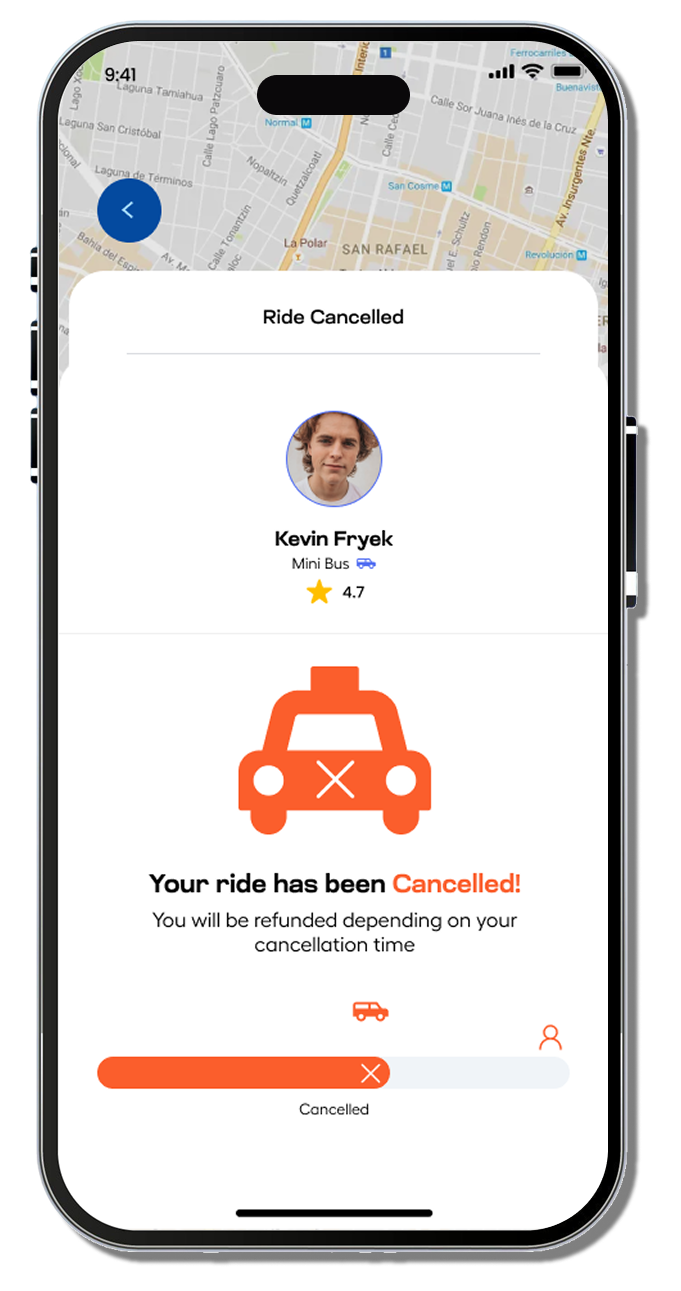
Automated cancellation and no-show charges protect hosts from lost revenue and discourage last-minute misuse. These safeguards ensure operational fairness while maintaining trust between users and parking space providers.
The JustPark clone features are structured to reduce parking friction for users while giving operators full visibility and operational confidence. Each capability focuses on accuracy, reliability, and ease of use across daily parking scenarios.

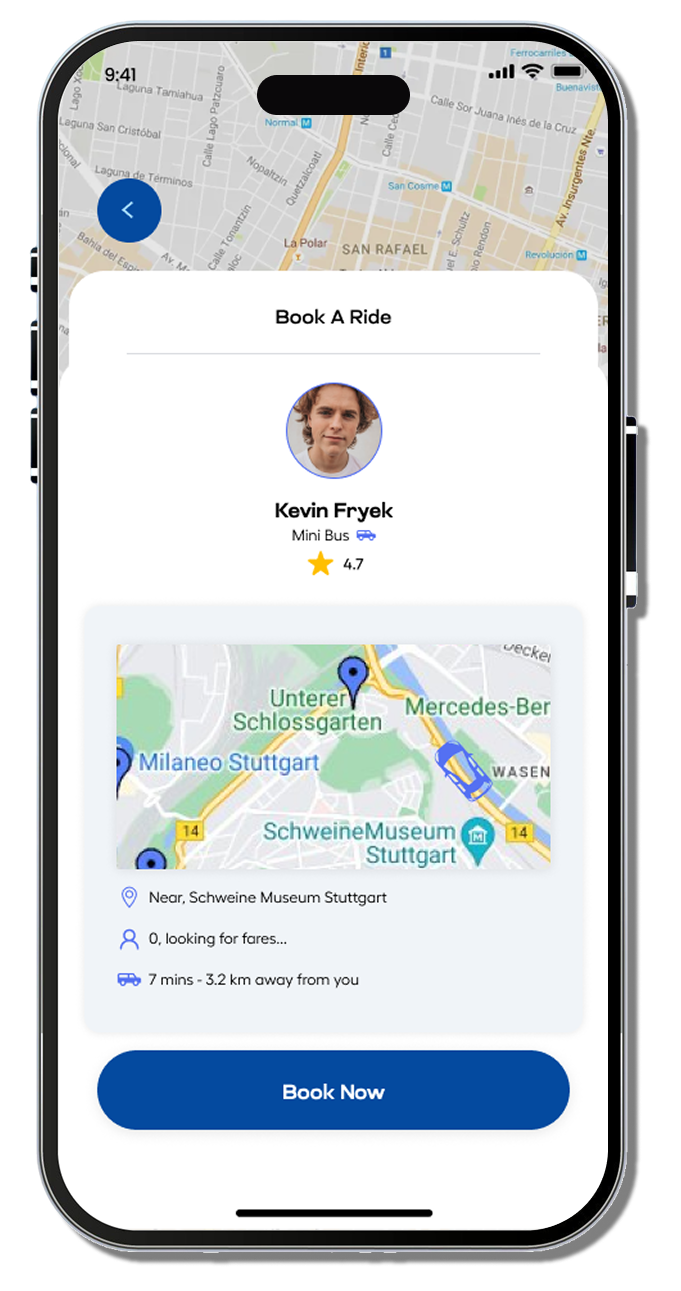
Live parking availability updates ensure users always see accurate space status before making a reservation. Continuous occupancy tracking minimizes unnecessary searching, reduces congestion, and supports smoother traffic movement. This level of real-time coordination follows mobility-focused location intelligence patterns implemented across ride-centric ecosystems, where timing accuracy directly impacts user satisfaction.

Secure online payments support cards, digital wallets, and optional crypto-based transactions, allowing users to complete bookings without friction. Encrypted payment handling protects financial data while ensuring fast confirmations. This trust-first transaction structure reflects payment reliability models used in community-driven booking environments, where secure exchanges are essential to user confidence.

Multi-vehicle management allows users to store and manage several vehicles under a single account. This feature supports households, rental operators, and fleet users who require flexibility without repeated setup. Account-level organization ensures quick selection during booking while maintaining accurate vehicle-to-space mapping.

Advanced booking management gives users control over scheduled reservations, time extensions, and cancellations through a clean, centralized interface. Operators benefit from predictable space utilization and reduced idle time. Booking logic of this nature supports long-stay and short-term coordination workflows commonly handled within accommodation-focused systems.

Dynamic pricing adjusts parking rates automatically based on demand intensity, duration, and location conditions. This adaptive model ensures fair pricing during low-traffic periods while optimizing returns during peak hours. Rate intelligence remains transparent to users, maintaining trust while improving overall occupancy efficiency.

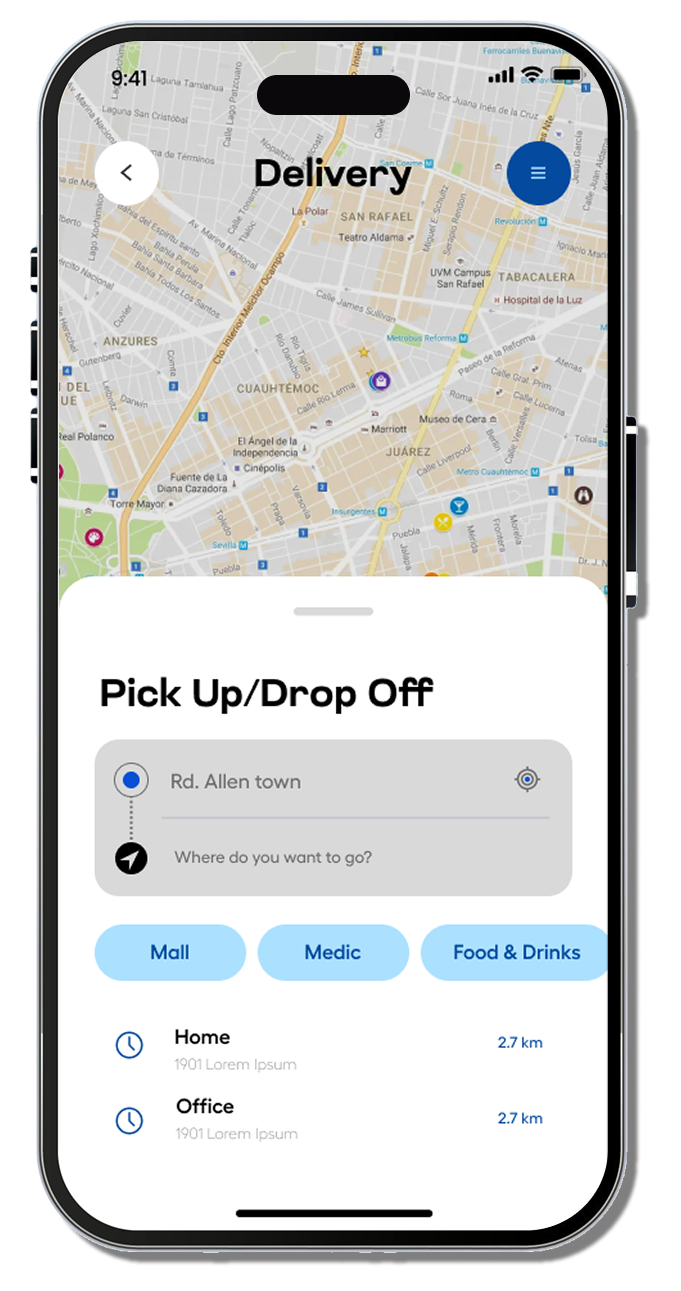
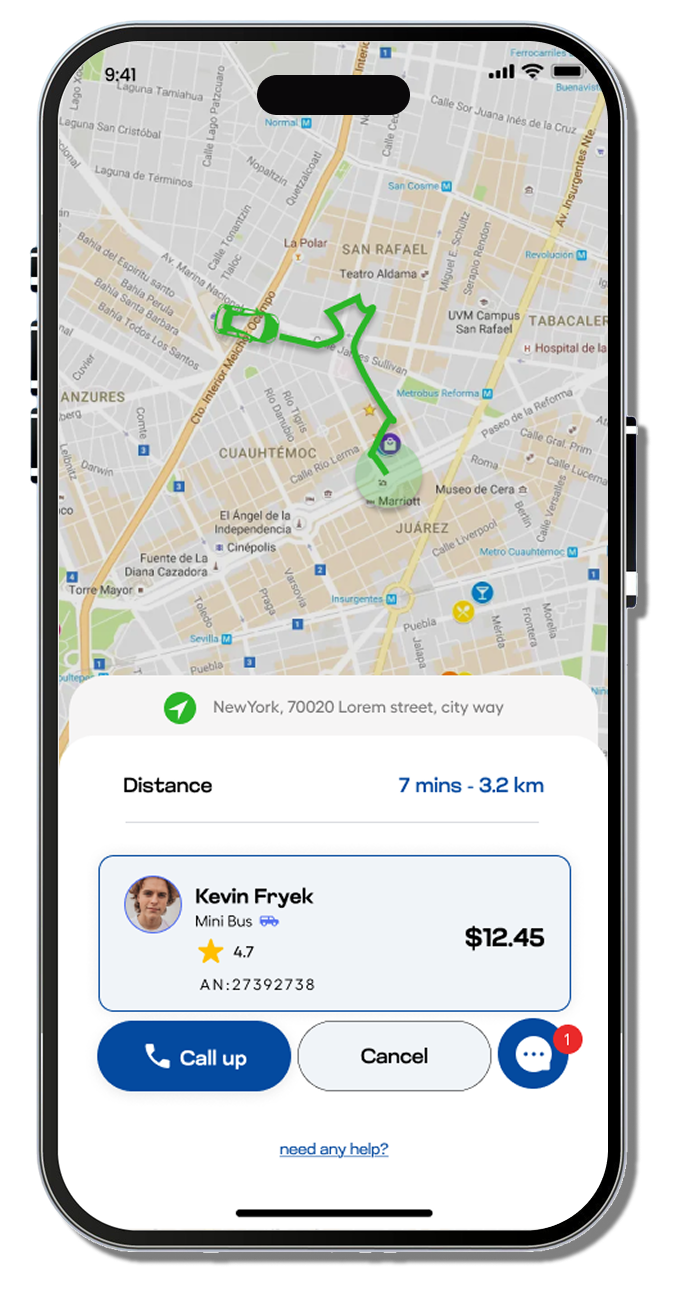
Built-in navigation support provides direct routing to reserved parking spaces, minimizing delays and confusion upon arrival. Turn-by-turn guidance improves on-site efficiency and reduces last-minute searching, especially in dense urban zones or multi-level parking structures.
Digital Software Labs provides a complete parking ecosystem that balances user convenience with administrative control. Each component is built to support daily operations, real-time coordination, and scalable management without adding complexity to the experience.
Native Android development ensures consistent performance across diverse device ranges and operating system versions. The build focuses on responsive interactions, efficient background processing, and accurate location handling. This approach supports high user concurrency and mirrors structured listing and interaction flows commonly managed within large classified ecosystems such as Craigslist Clone App, where reliability across devices is essential.
The iOS version is designed in alignment with Apple’s performance, security, and usability standards. Attention is given to smooth navigation, secure authentication, and optimized battery usage. The experience remains stable under frequent booking actions, ensuring dependable usage for daily commuters and long-term parking users alike.
The web panel enables users to manage reservations, vehicles, and payment history from desktop and tablet environments. A responsive layout ensures accessibility across screen sizes while maintaining clarity.
The admin web panel delivers full oversight of users, parking spaces, transactions, pricing rules, and activity insights. Administrators can monitor usage patterns, resolve disputes, and adjust operational parameters from a centralized interface. This control layer supports informed decision-making and long-term scalability without operational bottlenecks.
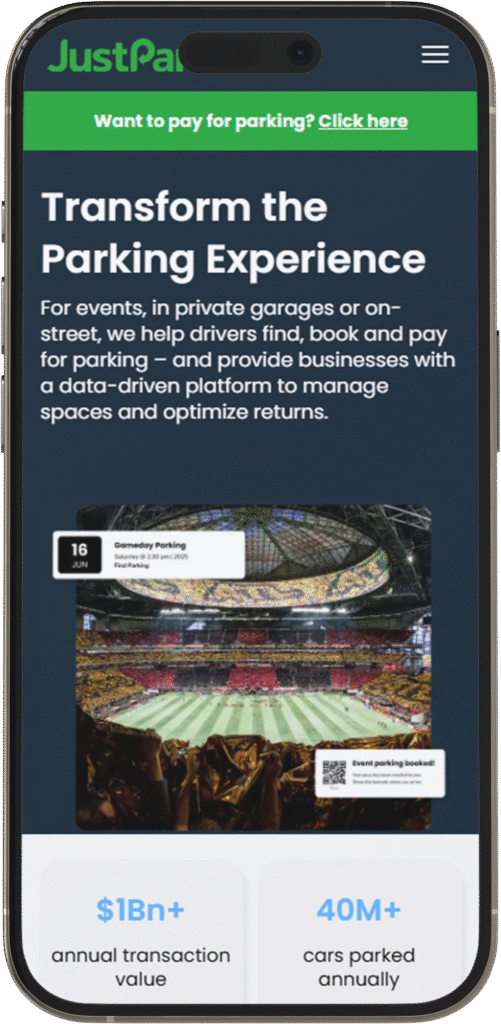
Digital Software Labs combines domain knowledge, delivery discipline, and operational clarity to support JustPark clone development with long-term reliability. Each engagement is structured to reduce risk, maintain compliance, and ensure the product remains stable as usage scales.
Timely technical assistance is built into every delivery phase, from deployment to live operations. Support workflows are structured to resolve issues quickly without disrupting active bookings or user access. This approach reflects the reliability standards required in service-driven mobility ecosystems like Turo Clone App, where availability and responsiveness directly impact user trust.
Clients receive complete ownership of the source code, along with clear technical documentation and architectural transparency. This ensures long-term independence, easier enhancements, and internal control over future updates. Code delivery practices align with structured content and media systems similar to Twitch Clone App, where clarity and scalability are essential.
Fully native builds are delivered for both iOS and Android, ensuring smooth performance, OS-level compatibility, and long-term maintainability. Native development supports better device integration and consistent updates, following stability principles commonly required in real-time communication environments like Telegram Clone App.
If an app submission faces store-level feedback or rejection, compliance-focused guidance is provided to address policy requirements and technical adjustments. This structured remediation process minimizes delays and supports faster approval cycles, helping maintain launch momentum.
Post-launch technical guidance remains available to ensure stability, monitor performance, and assist with routine updates. Ongoing support reduces operational overhead and helps teams adapt confidently as user activity grows.
Brand customization is included as part of the core delivery, allowing complete alignment with business identity and market positioning. White-label readiness supports flexible branding strategies, a practice often expected in customizable commerce experiences similar to Fancy Clone App, where presentation plays a critical role.
This release focuses on intelligence-driven enhancements that improve pricing accuracy, sensor responsiveness, and administrative visibility. Predictive logic and analytics upgrades help operators respond more effectively to real-time parking demand while maintaining system stability.
Version 5.0 introduced structured monetization layers and optimized financial workflows. Subscription-based access and refined payment handling improve revenue consistency while reducing transaction friction for users and parking owners.
This update emphasized usability and navigation precision. Interface refinements and routing enhancements improved the overall booking experience while giving hosts clearer control over listings and schedules.
Version 3.0 expanded revenue opportunities and automation depth. Workflow automation and promotional features allowed operators to scale operations with reduced manual intervention.
The foundational release established the core structure of the parking ecosystem. Essential booking, user, and payment features were implemented to support reliable daily operations.

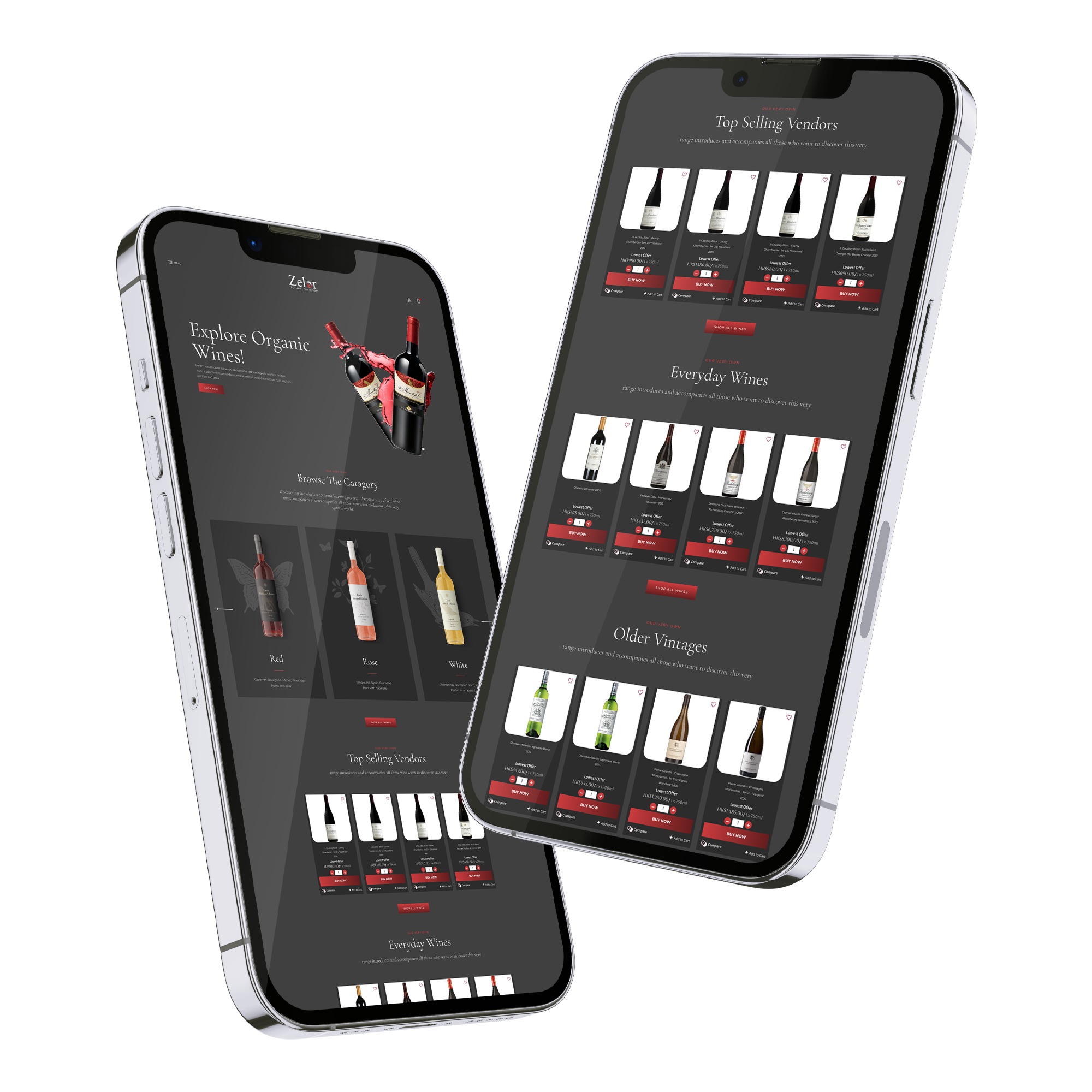
Digital Software Labs provided the expertise we needed to bring our wine marketplace to life. Their team was proactive, responsive, and ensured our vision was executed flawlessly.”

Crystal
Founder/Owner - Zelor Wines

Digital Software Labs provided the expertise we needed to turn our vision into reality. Their team was proactive, responsive, and fully committed to our success.

Louis J. Bonito
CEO - Kilooly Brands

Digital Software Labs provided the skilled engineers we needed to bring our food delivery app to life. Their team was responsive and attentive, ensuring our goals were met.

Yasir
Owner - Alger Move

Digital Software Labs delivers end-to-end JustPark clone app development focused on reliability, scalability, and long-term business value. From intelligent parking discovery to secure transactions and admin control, every component is engineered for real-world parking operations. Whether launching locally or scaling across cities, the solution is built to support growth without operational friction.
A JustPark clone is a ready-to-launch parking app solution that allows users to search, reserve, and pay for parking spaces through mobile and web-based interfaces. It supports real-time availability, secure transactions, and administrative controls for managing parking assets efficiently.
Yes, the JustPark clone script is fully customizable. Branding elements, pricing logic, booking rules, payment options, and feature sets can be tailored to match specific business models and regional parking regulations without affecting core system stability.
Support includes deployment assistance, initial configuration, bug resolution, performance optimization, and ongoing technical guidance. Long-term maintenance support is also available to ensure system stability, updates, and scalability as usage grows.
The cost depends on feature complexity, third-party integrations, hosting needs, and scalability requirements. Pricing is structured to accommodate early-stage startups as well as large-scale parking networks with multi-city operations.
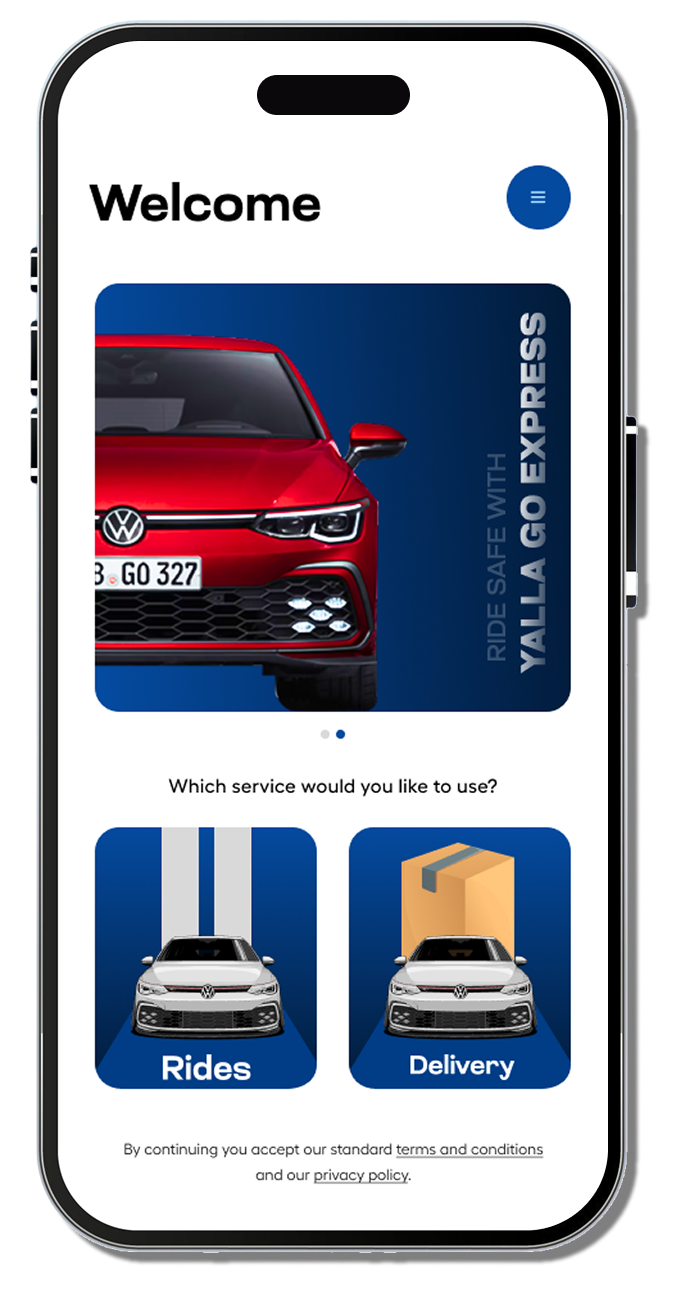
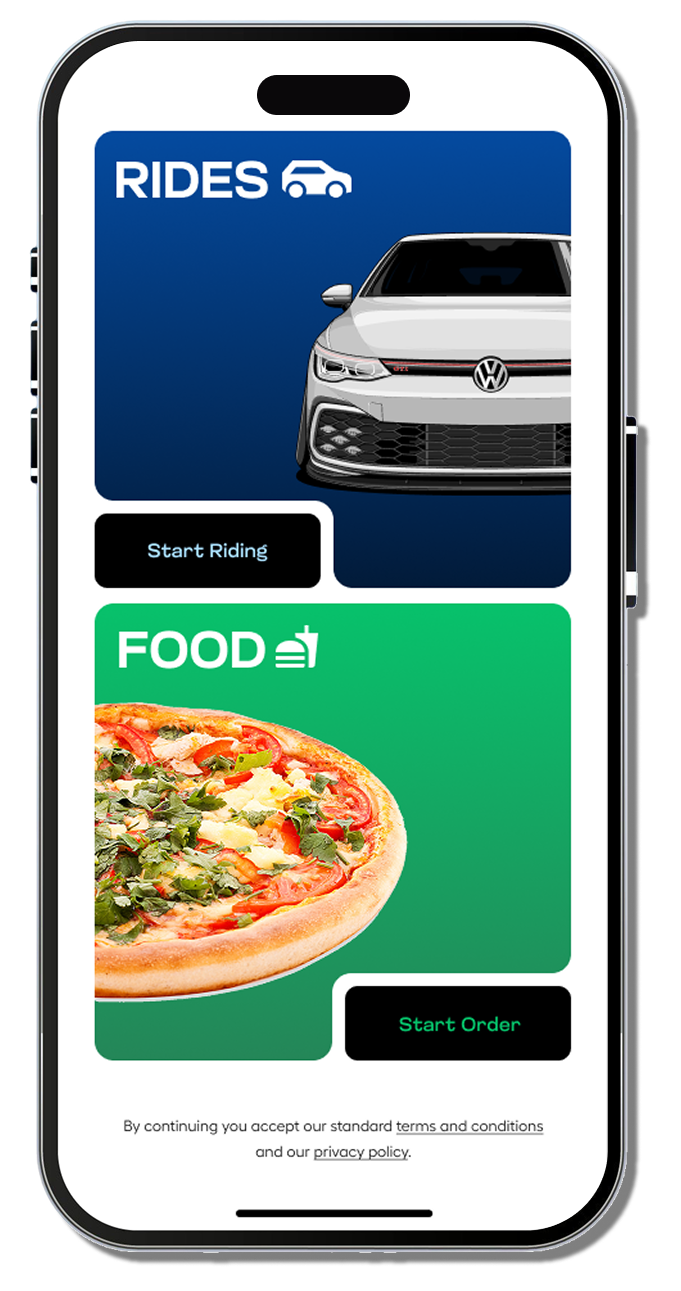
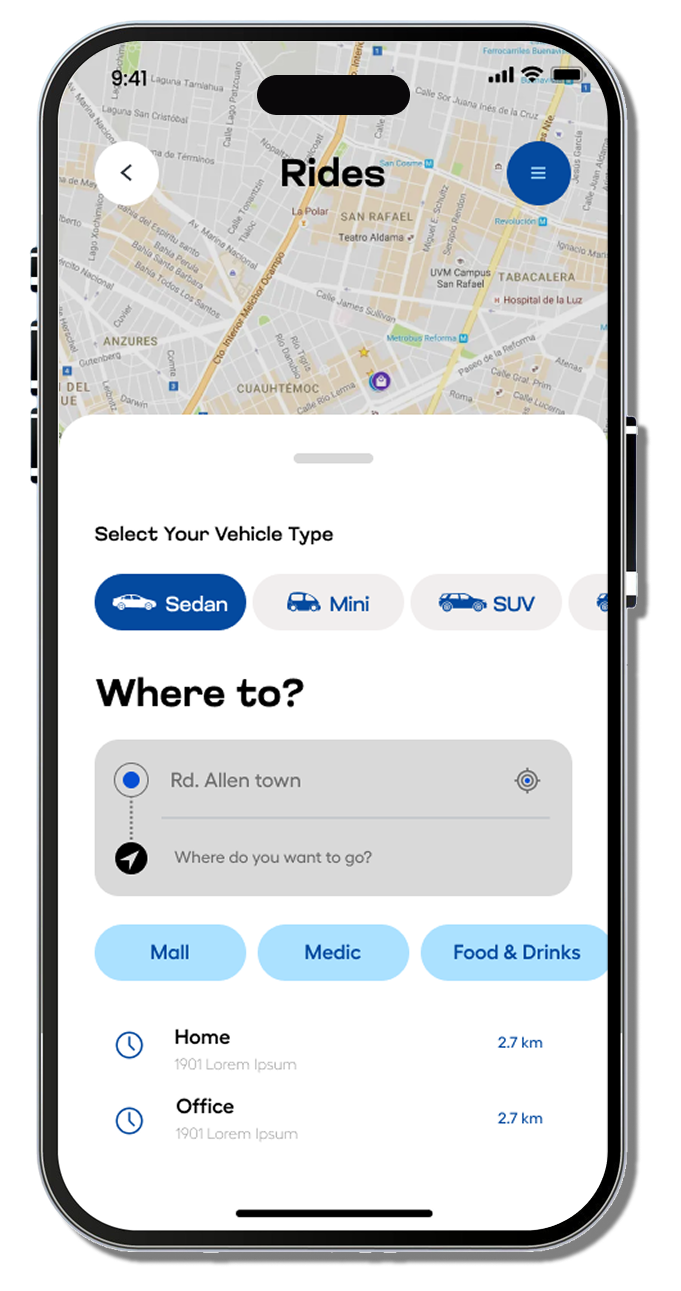


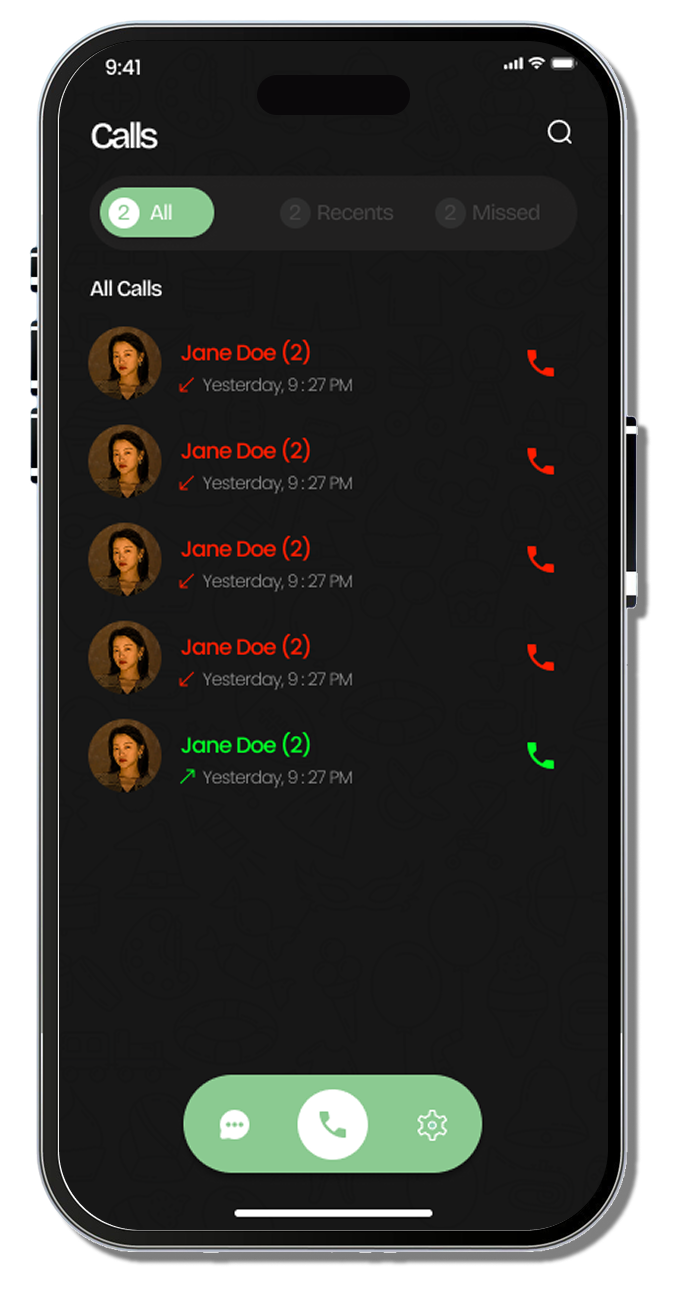
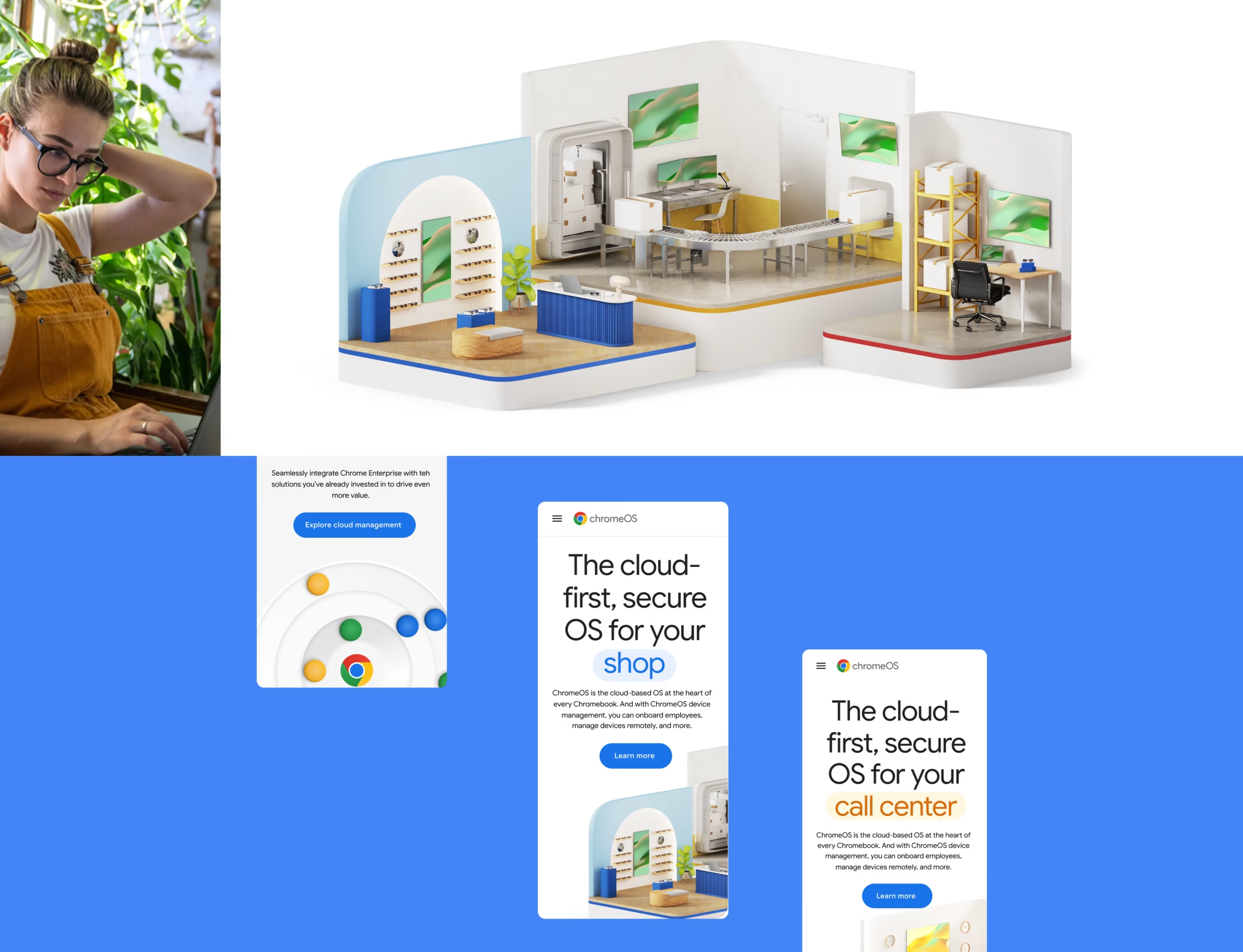
ClickBasket was developed as a next-generation online retail platform powered by artificial intelligence.
We implemented a machine learning-driven recommendation engine capable of analyzing user preferences, browsing behavior, and purchasing history to deliver highly relevant product suggestions.
The system integrates intelligent search, automated product categorization, and a conversational shopping assistant that guides customers through discovery and checkout. Retail analytics tools provide business owners with actionable insights into purchasing trends and customer lifetime value.
Want similar results for your business?

AI personalization engine.
Delivered smart product recommendations in real time.
Predictive search upgrade.
Enhanced product discovery through behavioral insights.
Conversational AI integration.
Added a virtual assistant for guided shopping journeys.
Retail analytics deployment.
Enabled data-driven inventory and sales decisions.
We specialize in developing eye tracking-based digital biomarkers, revolutionizing the way we understand and monitor cognitive processes in real-time.We specialize.
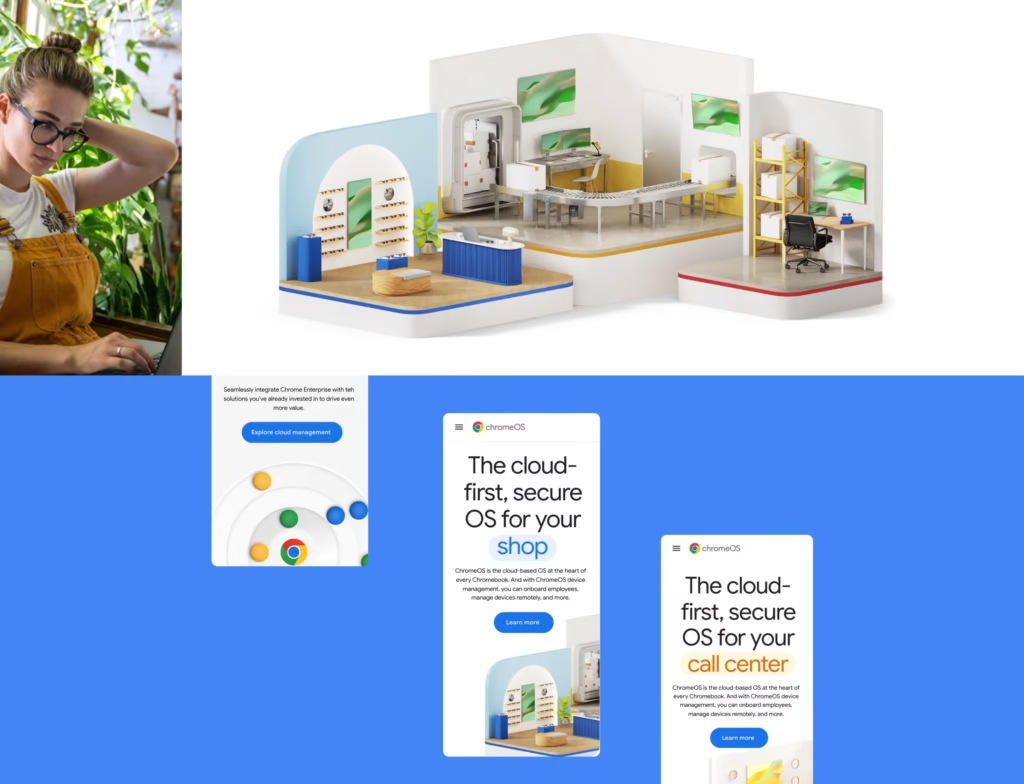
Marketly was built as a creator-first digital marketplace designed to simplify how independent creators sell products and digital assets to their communities.
We developed a scalable commerce infrastructure supporting digital downloads, physical goods, subscription services, and audience engagement tools. The platform includes intuitive storefront management, real-time sales analytics, and performance tracking dashboards.
The goal was to create an ecosystem where creators could operate like full-scale businesses, with automation, insights, and smooth transaction flows driving sustainable growth.
Infrastructure availability
Increase in creator transaction volume
Want similar results for your business?
Creator-first ecosystem launch.
Built a marketplace tailored to independent digital entrepreneurs.
Unified commerce integration.
Combined storefronts, payments, and analytics into one platform.
Scalable transaction framework.
Supported growing user and product volumes without friction.
Revenue growth enablement.
Equipped creators with tools to monetize sustainably.
We specialize in developing eye tracking-based digital biomarkers, revolutionizing the way we understand and monitor cognitive processes in real-time.We specialize.
For a global mobility leader, we engineered a robust AI infrastructure designed to process large-scale transportation data and convert it into actionable intelligence.
Our solution focused on real-time ride demand prediction, traffic behavior analysis, and automated operational decision-making. By building scalable data pipelines and intelligent modeling frameworks, we enabled faster dispatch logic, improved driver allocation strategies, and optimized route efficiency.
The platform was built with elasticity in mind, capable of handling fluctuating demand volumes while maintaining speed, stability, and security across regions.
Data events processed annually
Faster operational decision cycles
Improved route optimization efficiency
Infrastructure availability
Want similar results for your business?
Predictive mobility intelligence.
Shifted operations from reactive dispatching to AI-powered demand forecasting.
Real-time data automation.
Enabled instant decision-making through high-speed analytics pipelines.
Global scalability upgrade.
Built cloud infrastructure capable of handling massive ride volumes seamlessly.
Operational efficiency boost.
Reduced manual processes with intelligent automation systems.
We specialize in developing eye tracking-based digital biomarkers, revolutionizing the way we understand and monitor cognitive processes in real-time.We specialize.