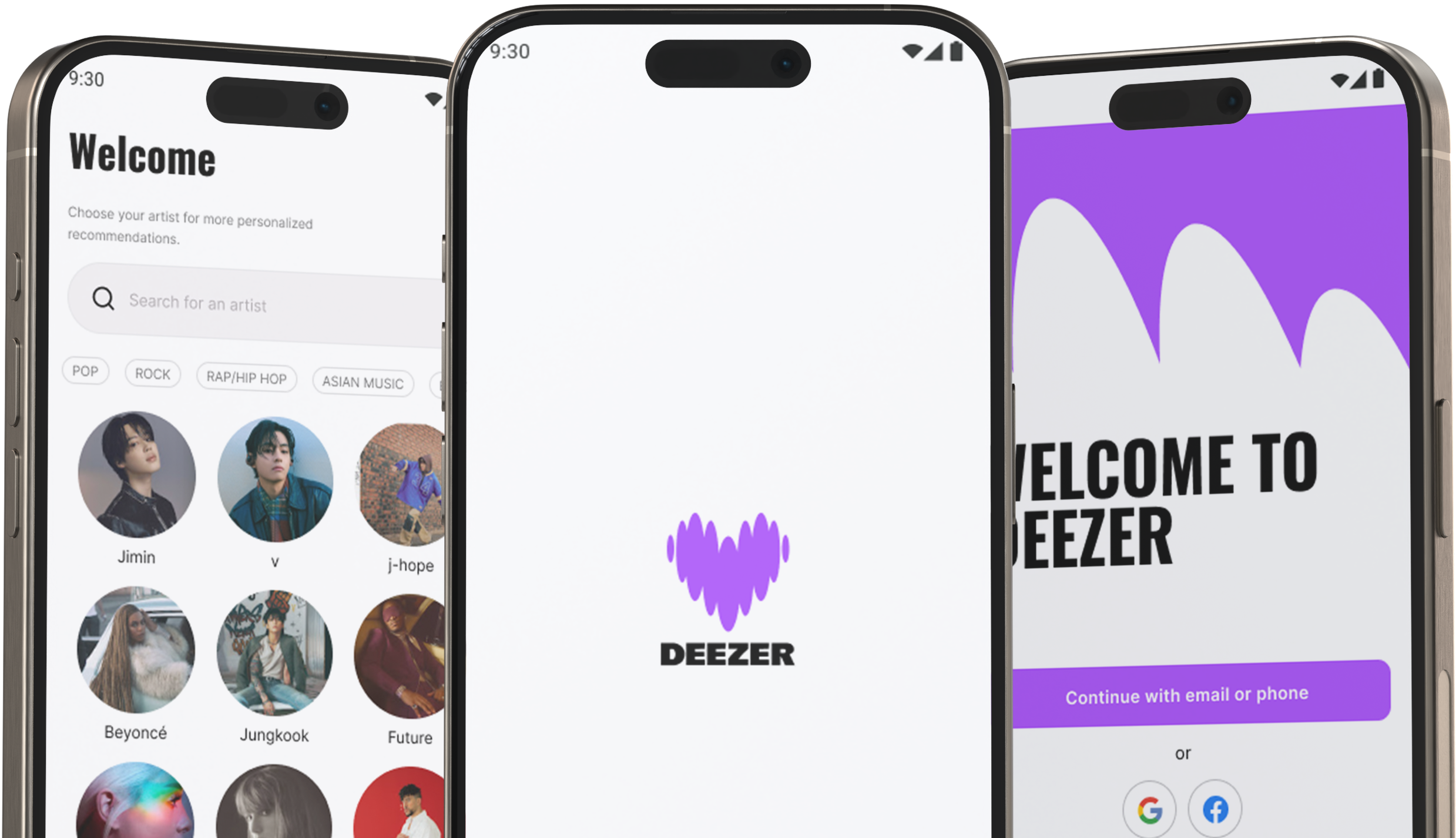
The global music streaming market is expected to exceed $76 billion by 2030, growing at a CAGR of over 17% as listeners increasingly adopt digital audio platforms worldwide. Digital Software Labs delivers Deezer Clone App Development for businesses seeking to build scalable audio streaming ecosystems with personalized discovery, secure playback, and social engagement. This Deezer clone solution is designed for startups and enterprises aiming to launch Deezer alternative services with full control, long-term growth flexibility, and reliable performance across global audiences.





Launching a Deezer like service demands a structured roadmap that blends creativity, technical execution, and market validation. Digital Software Labs supports founders across every stage of growth, ensuring the Deezer clone website matures into a revenue-ready audio streaming business built for long-term sustainability and user loyalty.
Ideation focuses on identifying the right audience, defining content direction, and understanding listening behavior across regions and demographics. This phase shapes the Deezer clone development vision by studying how digital marketplaces scale engagement models, drawing strategic parallels from solutions like the eBay Clone App, where user demand, discovery flow, and monetization alignment are carefully mapped before execution.
Conceptualization turns early ideas into structured blueprints that define navigation flow, playlist logic, artist discovery paths, and personalization layers. This stage emphasizes content organization and user journeys, much like structured learning ecosystems seen in the LMS Clone App, where content accessibility and retention are central to sustained engagement.
Implementation converts approved concepts into production-ready systems using stable architectures and optimized data handling. Backend logic, audio delivery pipelines, and concurrency management are built to support scale, reflecting infrastructure strategies similar to the HomeAway Clone, where high traffic volumes and real-time availability demand consistent performance and reliability.
Marketing planning focuses on organic reach, content indexing, and long-term audience retention rather than short-term visibility. SEO-driven structures, metadata optimization, and discoverability frameworks are applied to help the Deezer copy gain traction, following content positioning approaches comparable to those used in digital creator ecosystems like the Rarible Clone App.
Scale-up strategies prepare the Deezer clone solution to handle expanding music libraries, rising listener counts, and multi-region traffic growth. Infrastructure planning ensures smooth performance during peak usage periods while allowing feature expansion without disrupting existing listeners or content workflows. The Vimeo clone app also incorporates scalable features to support growing user bases and increasing content demands efficiently.
Get Funded support includes investor-ready documentation, usage analytics, and growth forecasting models. Clear data presentation and scalability narratives help founders communicate long-term value, market readiness, and monetization potential with confidence during funding discussions and strategic partnerships.
Product engineering ensures the Deezer clone script matures into a stable, secure, and listener-focused music sharing experience. Each phase follows a structured development cycle that balances performance, scalability, and long-term content growth while maintaining consistency across evolving audio consumption patterns.
The concept phase defines content licensing workflows, artist onboarding structures, and recommendation logic aligned with modern streaming expectations. Early validation emphasizes audience trust, monetization readiness, and growth positioning, drawing strategic alignment from creator-driven ecosystems reflected in the Kickstarter Clone App, where structured onboarding and audience confidence play a central role.
Technical analysis evaluates performance benchmarks, data flow, and storage optimization under real-world usage conditions. Security models, transaction handling, and data validation strategies are reviewed with reference to financial-grade architectures comparable to the Coinbase Clone App, ensuring accuracy, reliability, and user data protection at scale.
Design focuses on intuitive navigation, clean listening layouts, and seamless playlist management. Visual consistency supports longer listening sessions and reduces interaction friction, applying experience principles often seen in digital ownership and content valuation models like the SuperRare Clone App, where clarity and immersion strengthen user engagement.
Development integrates playback engines, personalization logic, and secure user data handling into a unified system. Backend services are optimized for concurrency and responsiveness, reflecting operational patterns used in high-demand delivery environments similar to the Grubhub Clone App, where speed, reliability, and consistency directly impact user retention.
Quality assurance validates streaming stability, search precision, recommendation accuracy, and content indexing under varying network conditions. Stress testing ensures performance remains consistent across devices, regions, and peak listening periods without degrading playback quality.
Launch planning focuses on controlled rollout, content indexing readiness, and live performance monitoring. Real-time analytics and operational tracking allow teams to respond quickly to listener behavior, ensuring the Deezer clone transitions smoothly from deployment into sustained growth.
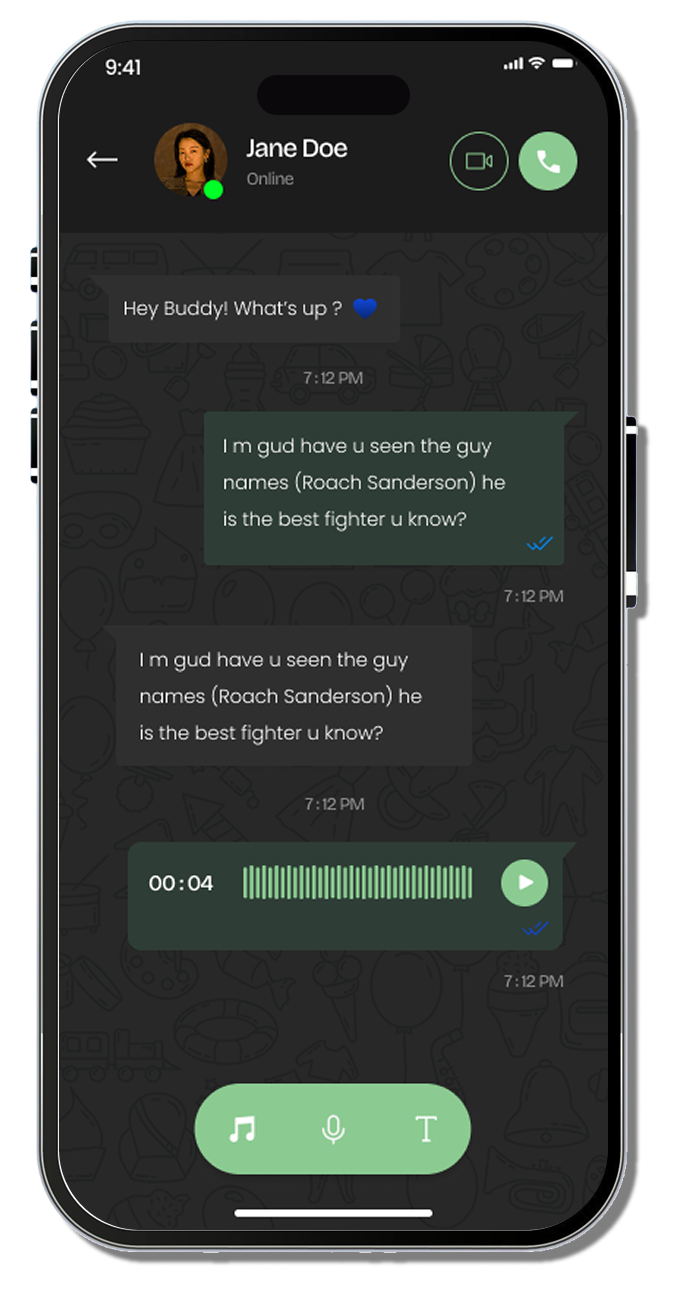
The Deezer clone script delivers a balanced mix of listening, discovery, and engagement features designed to improve retention and encourage deeper interaction across multiple music genres and audience segments.

Secure account creation allows listeners to build personalized profiles with saved preferences, followed artists, and listening history. The flow is designed for simplicity and trust, supporting community-driven engagement models similar to the social interaction structure found in the Clubhouse Clone App, where user identity plays a central role in ongoing participation.

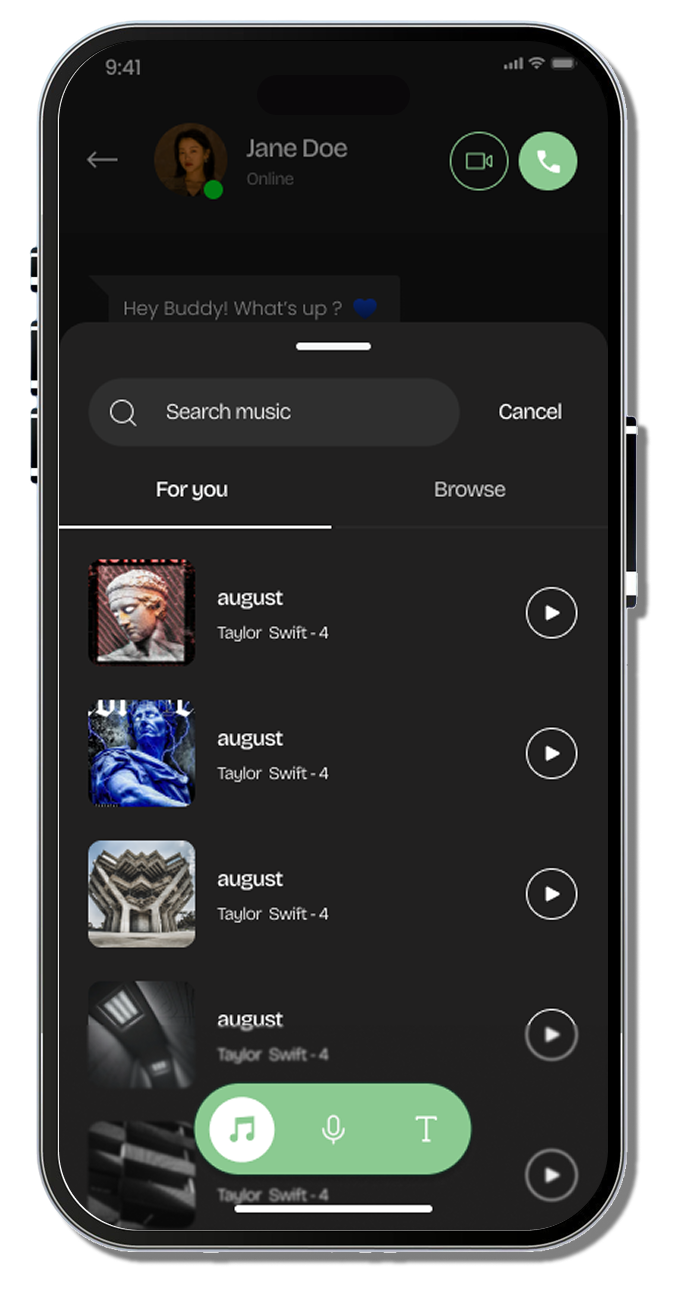
Advanced browsing capabilities help users discover albums, artists, curated lists, and trending tracks through structured categorization. Discovery paths are optimized to reduce friction and guide listeners toward relevant content, drawing inspiration from organized digital marketplaces like the Etsy Clone App, where clear categorization improves exploration and satisfaction.

The centralized music library organizes saved tracks, recently played content, and favorite collections in a clean, accessible layout. This structure supports long listening sessions and easy re-engagement, reflecting the content organization approach used in experience-focused services such as the VRBO Clone App, where quick access to saved items enhances user convenience.

Personal playlist creation allows users to curate, edit, and share collections based on mood, activity, or genre. Collaborative and private playlist options strengthen long-term engagement and listening loyalty, following user-centric control patterns seen in service-driven systems like the Cabify Clone, where personalization improves repeat usage.

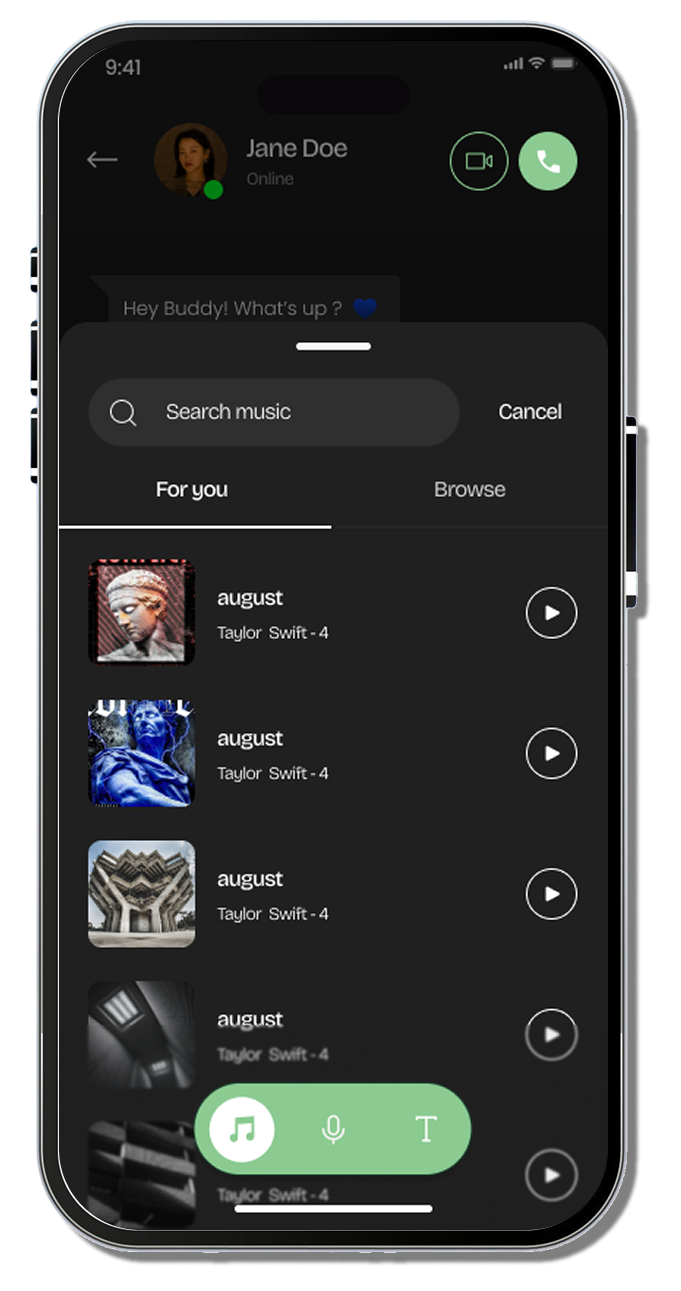
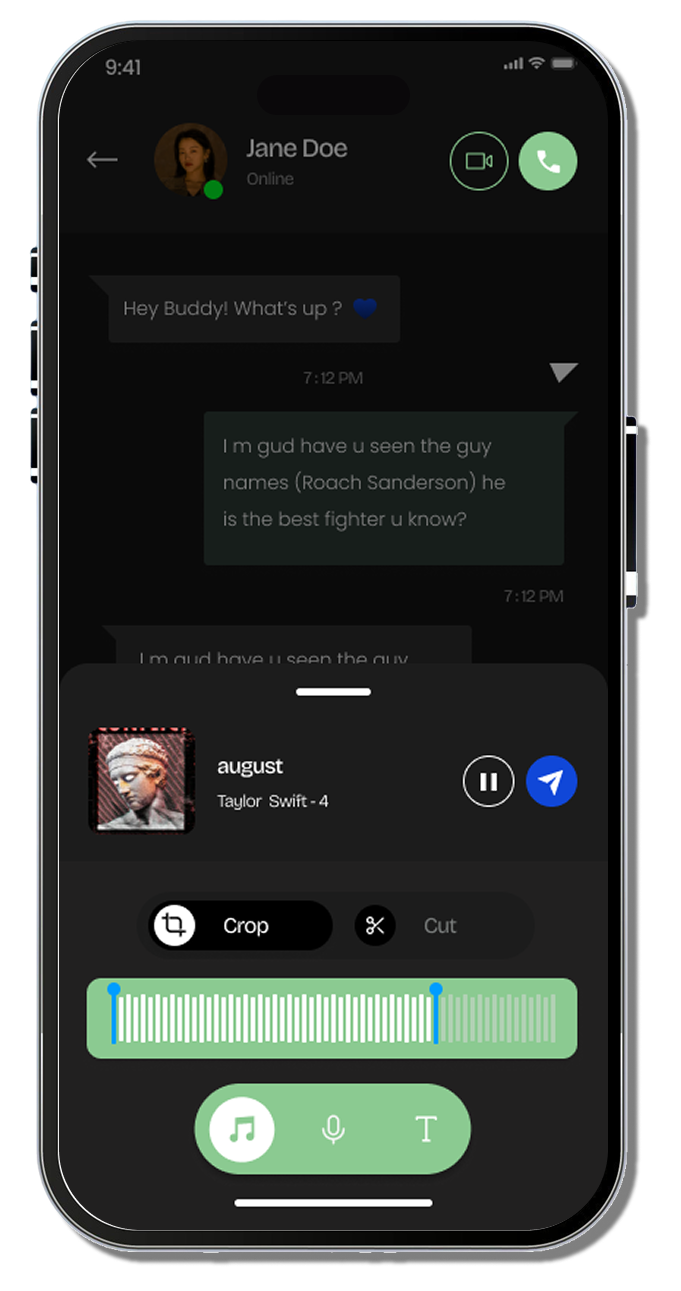
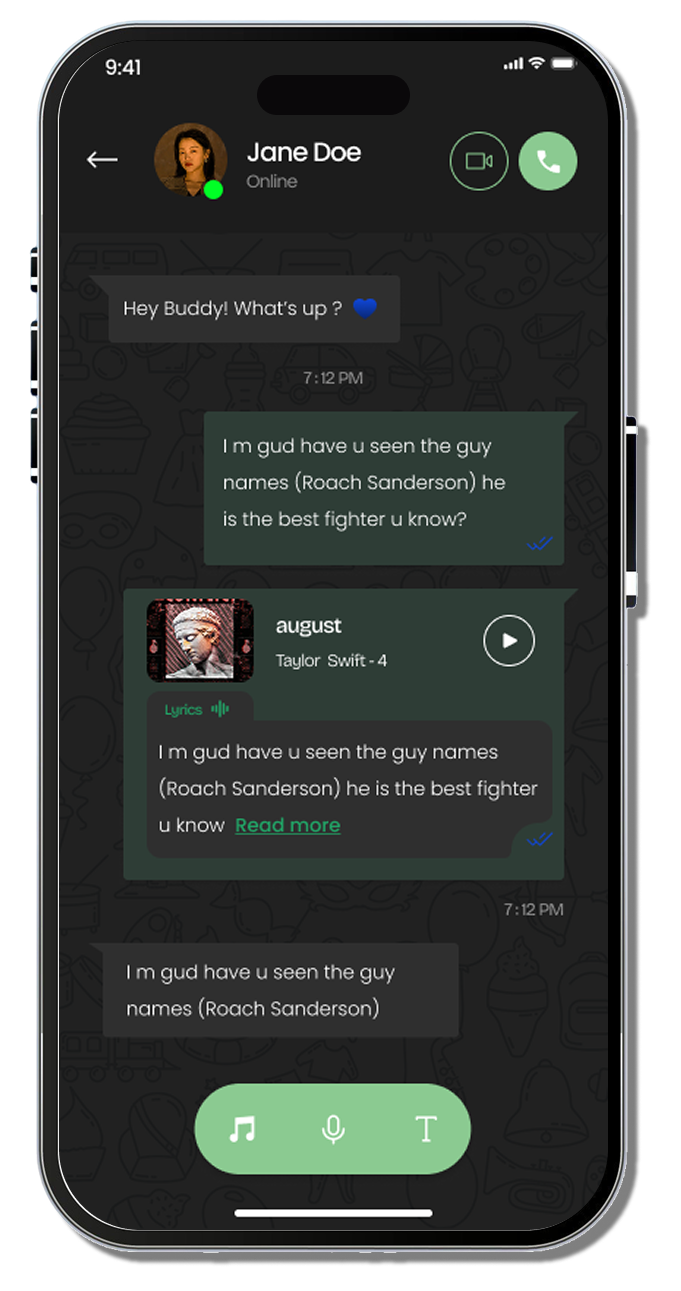
Real-time lyric display enhances immersion by synchronizing words with playback. This feature supports multilingual audiences and deepens emotional connection with music, making listening sessions more interactive and meaningful.

Music quizzes introduce light gamification through artist trivia and track-based challenges. These interactive elements increase session duration, encourage repeat visits, and add an entertainment layer that complements standard listening behavior.
Digital Software Labs delivers Deezer Clone Development with a strong focus on performance stability, customization depth, and long-term scalability. Each solution is built using proven engineering practices shaped by years of experience in building high-traffic, content-driven digital products.
Our team brings deep expertise in audio streaming workflows, content distribution logic, and user engagement mechanics. Experience gained from building real-time communication systems similar to the Telegram Clone App helps ensure smooth playback, efficient data handling, and reliable synchronization across devices.
uces cancellations, and minimizes customer support requests while ensuring delivery partners remain accountable throughout fulfillment stages.
Structured planning and optimized development cycles help control costs while maintaining feature richness. By applying streamlined execution models inspired by visually driven commerce solutions like the Fancy Clone App, projects move forward efficiently without unnecessary overhead or delays.
The Deezer clone architecture is built to support growth in listeners, content libraries, and geographic reach. Systems are prepared to manage high traffic volumes and expanding datasets, drawing from large-scale marketplace handling patterns similar to the Craigslist Clone App, where stability under load is essential.
Every Deezer clone app can be tailored to specific branding, monetization models, and feature priorities. Flexible configuration options allow founders to shape unique streaming experiences, following adaptable service frameworks seen in professional service ecosystems like the Thumbtack Clone App, where customization supports diverse business needs.
This Deezer clone solution is designed to support sustainable growth, global scalability, and complete operational control. Digital Software Labs focuses on building audio streaming systems that balance performance, discoverability, and flexibility, helping streaming ventures remain competitive while adapting to changing listener behaviors.
A structured deployment approach reduces time-to-market without compromising stability. Pre-configured modules, streamlined integrations, and tested release pipelines allow founders to move from development to live operations efficiently. Launch readiness follows proven rollout strategies similar to those used in scalable media ecosystems like the SoundCloud Clone App, where speed and reliability directly impact early adoption.
Search-optimized architecture ensures artists, albums, playlists, and genres remain easily discoverable. Metadata structuring, clean URLs, and content indexing support organic growth across search channels. These practices mirror discoverability-focused commerce systems comparable to the Shpock Clone App, where visibility plays a key role in sustained audience acquisition.
Every aspect of the Deezer clone can be adjusted to match brand identity, audience preferences, and monetization strategies. Content flow, recommendation logic, and feature prioritization remain fully configurable. This flexibility aligns with adaptable service models seen in experience-driven systems such as the Turo Clone App, where customization supports diverse user journeys.
Administrators gain centralized control over user activity, content performance, subscriptions, and engagement trends. Real-time reporting enables data-driven decisions and ongoing optimization. The management depth reflects advanced moderation and analytics approaches similar to those required in live-content environments like the Twitch Clone App, where continuous oversight is essential.
Secure billing workflows protect user data while supporting subscriptions, renewals, and promotional offers. Encryption, compliance standards, and transaction monitoring are built into the system to maintain trust and operational integrity as the user base grows.
Multi-region readiness allows the Deezer clone to scale across international markets with localized content strategies and regional performance optimization. This global-first design, as we build international frameworks for Netflix clone app development, ensures consistent listening experiences while enabling gradual expansion into new territories.
This release focuses on intelligent discovery, smoother synchronization, and deeper performance tracking across expanding music libraries.
Version 5.0 improves overall speed, accuracy, and search efficiency for growing user bases.
This update enhances interface responsiveness and playback reliability under variable network conditions.
Version 3.0 expands personalization while strengthening account security and session handling.
The foundational release establishes core streaming functionality and essential discovery capabilities.

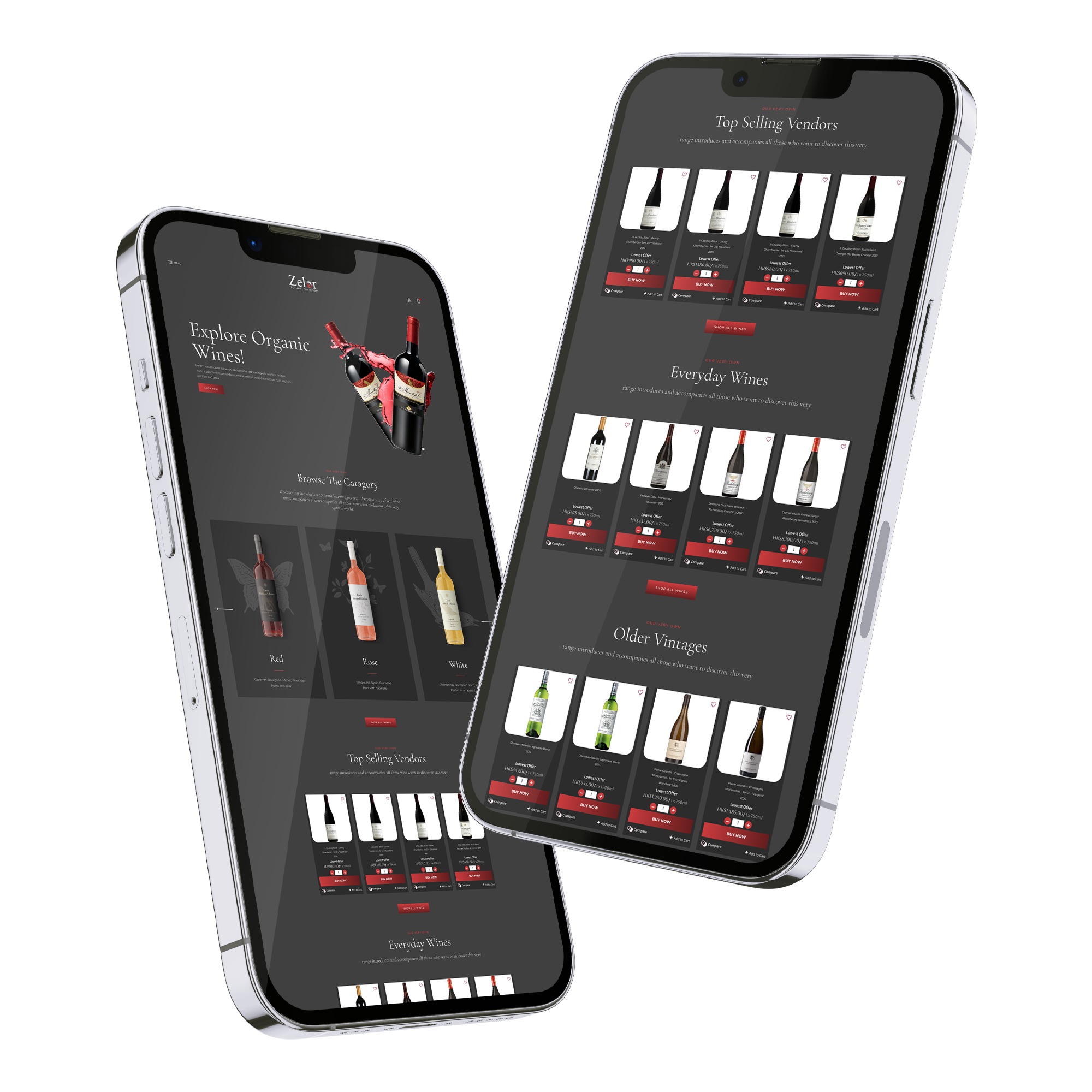
Digital Software Labs provided the expertise we needed to bring our wine marketplace to life. Their team was proactive, responsive, and ensured our vision was executed flawlessly.”

Crystal
Founder/Owner - Zelor Wines
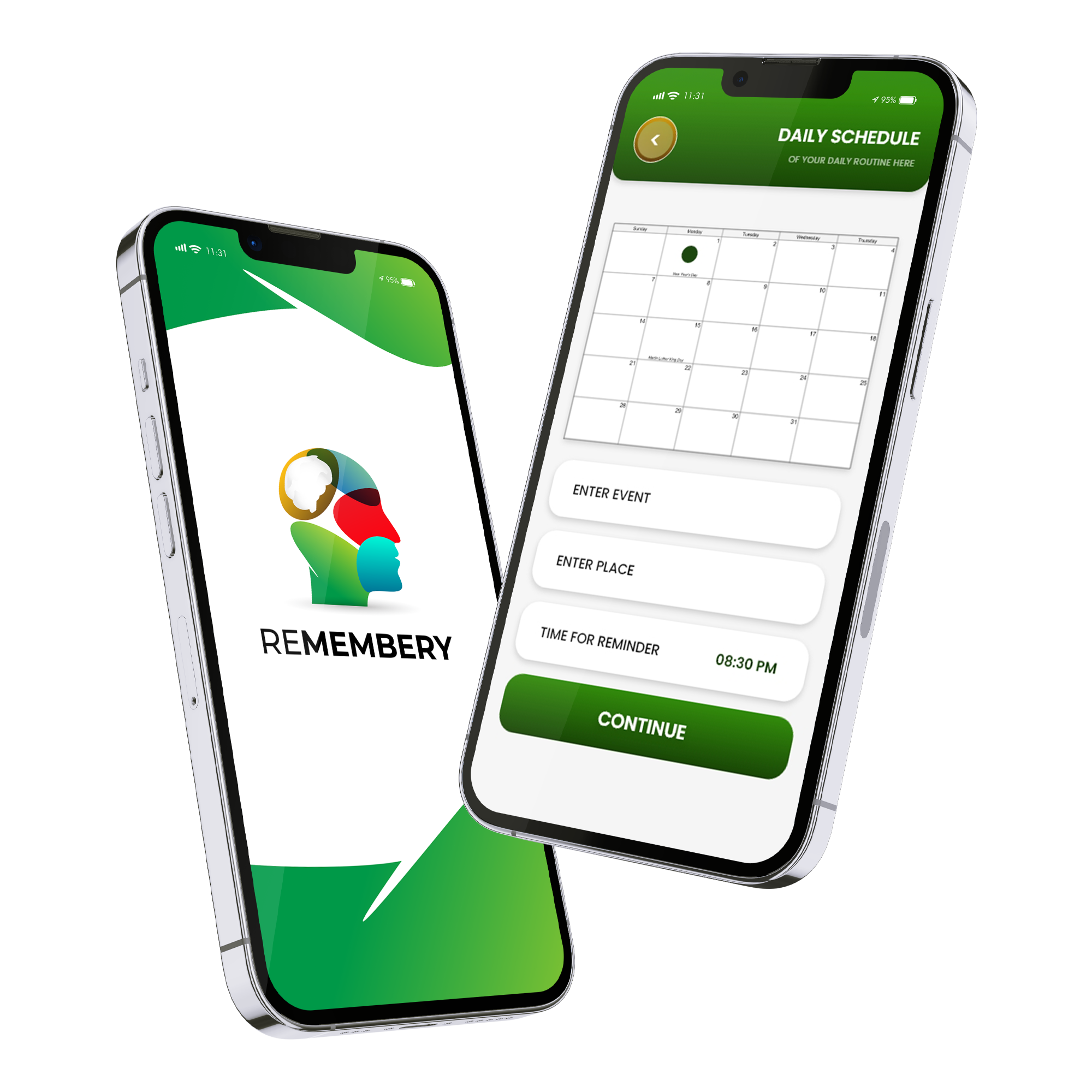
Digital Software Labs provided the expertise we needed to turn our vision into reality. Their team was proactive, responsive, and fully committed to our success.

Louis J. Bonito
CEO - Kilooly Brands

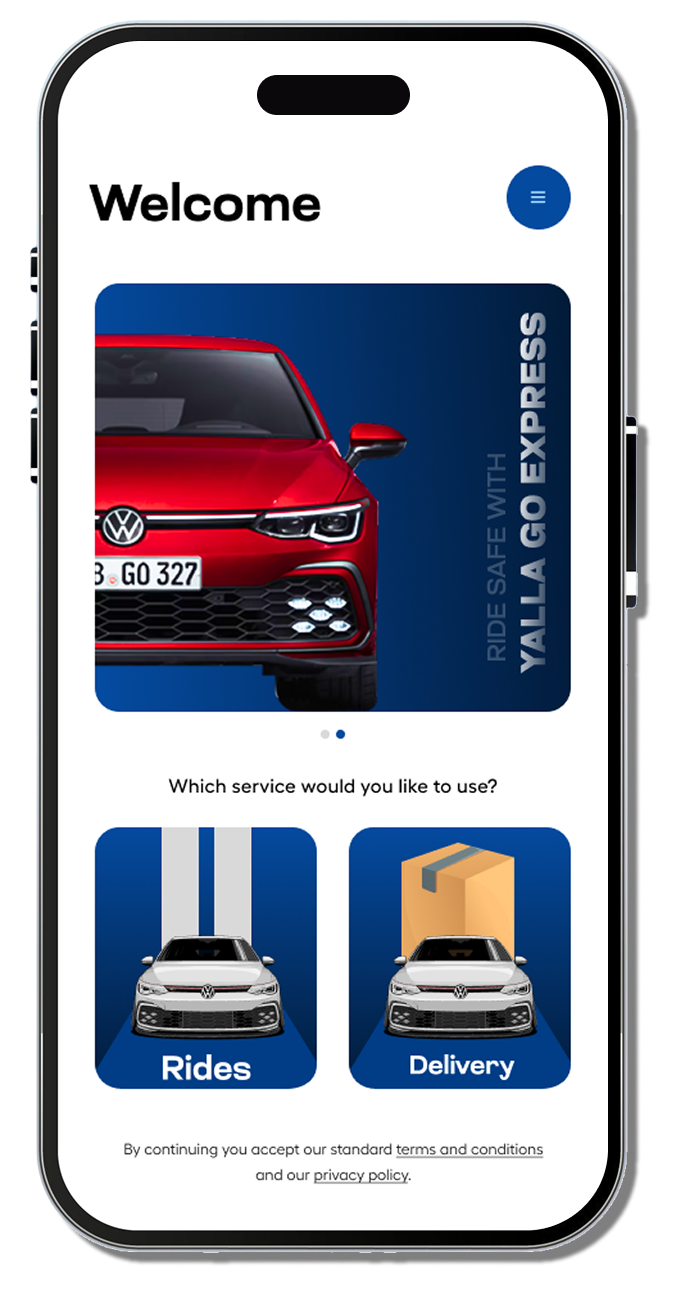
Digital Software Labs provided the skilled engineers we needed to bring our food delivery app to life. Their team was responsive and attentive, ensuring our goals were met.

Yasir
Owner - Alger Move

Digital Software Labs delivers end-to-end Deezer Clone App Development focused on stability, growth readiness, and long-term scalability. From architecture planning to post-launch support, each solution is structured to support evolving listener demands, expanding catalogs, and sustainable monetization without operational complexity.
Development timelines usually range between 12 to 16 weeks, depending on feature complexity, design depth, integrations, and scalability requirements. Custom workflows, advanced personalization, or third-party services may slightly extend the delivery schedule.
The overall cost depends on functionality scope, customization level, hosting infrastructure, and regional rollout plans. Pricing models are structured to support early-stage startups as well as enterprise-level audio streaming ventures with long-term growth goals.
Yes, the Deezer clone app can be fully customized to match branding guidelines, content distribution models, monetization strategies, and audience engagement preferences without limiting future scalability or feature expansion.
Yes, the source code follows secure development standards with encryption practices applied to sensitive components, user data handling, and backend logic to ensure intellectual property protection and long-term system security.
ClickBasket was developed as a next-generation online retail platform powered by artificial intelligence.
We implemented a machine learning-driven recommendation engine capable of analyzing user preferences, browsing behavior, and purchasing history to deliver highly relevant product suggestions.
The system integrates intelligent search, automated product categorization, and a conversational shopping assistant that guides customers through discovery and checkout. Retail analytics tools provide business owners with actionable insights into purchasing trends and customer lifetime value.
Want similar results for your business?
AI personalization engine.
Delivered smart product recommendations in real time.
Predictive search upgrade.
Enhanced product discovery through behavioral insights.
Conversational AI integration.
Added a virtual assistant for guided shopping journeys.
Retail analytics deployment.
Enabled data-driven inventory and sales decisions.
We specialize in developing eye tracking-based digital biomarkers, revolutionizing the way we understand and monitor cognitive processes in real-time.We specialize.
Marketly was built as a creator-first digital marketplace designed to simplify how independent creators sell products and digital assets to their communities.
We developed a scalable commerce infrastructure supporting digital downloads, physical goods, subscription services, and audience engagement tools. The platform includes intuitive storefront management, real-time sales analytics, and performance tracking dashboards.
The goal was to create an ecosystem where creators could operate like full-scale businesses, with automation, insights, and smooth transaction flows driving sustainable growth.
Infrastructure availability
Increase in creator transaction volume
Want similar results for your business?
Creator-first ecosystem launch.
Built a marketplace tailored to independent digital entrepreneurs.
Unified commerce integration.
Combined storefronts, payments, and analytics into one platform.
Scalable transaction framework.
Supported growing user and product volumes without friction.
Revenue growth enablement.
Equipped creators with tools to monetize sustainably.
We specialize in developing eye tracking-based digital biomarkers, revolutionizing the way we understand and monitor cognitive processes in real-time.We specialize.
For a global mobility leader, we engineered a robust AI infrastructure designed to process large-scale transportation data and convert it into actionable intelligence.
Our solution focused on real-time ride demand prediction, traffic behavior analysis, and automated operational decision-making. By building scalable data pipelines and intelligent modeling frameworks, we enabled faster dispatch logic, improved driver allocation strategies, and optimized route efficiency.
The platform was built with elasticity in mind, capable of handling fluctuating demand volumes while maintaining speed, stability, and security across regions.
Data events processed annually
Faster operational decision cycles
Improved route optimization efficiency
Infrastructure availability
Want similar results for your business?
Predictive mobility intelligence.
Shifted operations from reactive dispatching to AI-powered demand forecasting.
Real-time data automation.
Enabled instant decision-making through high-speed analytics pipelines.
Global scalability upgrade.
Built cloud infrastructure capable of handling massive ride volumes seamlessly.
Operational efficiency boost.
Reduced manual processes with intelligent automation systems.
We specialize in developing eye tracking-based digital biomarkers, revolutionizing the way we understand and monitor cognitive processes in real-time.We specialize.