






Georgia’s digital economy is evolving at record speed, and businesses across the state now depend on modern, efficient, and scalable websites to remain competitive. As companies transition into this new era, many ask mid-project, “How do we ensure our website performs flawlessly under heavy user demand?” This shift has made working with a trusted web development company in Georgia essential for long-term growth. At Digital Software Labs, our approach is grounded in capability, precision, and adaptive design, qualities that position us among the leading providers of web development Georgia, web design agency solutions, and full-spectrum digital infrastructure in the state.
In a market where nearly 68% of first impressions come from website experience alone, businesses now treat their online platforms as their primary operational hub. The expansion of cross-device usage means Georgia companies often rely on advancements in mobile app development to support responsive ecosystems that match evolving user behavior. This synergy between mobile and web environments reinforces the value of partnering with a web app development company in Georgia that understands both performance and long-term scalability.
Our team creates reliable, high-performing websites and applications that improve user interaction, streamline workflows, and support sustainable business growth
Every high-performing platform begins with a methodology designed to reduce risk and strengthen clarity. Our agile-centric workflow ensures each step moves logically into the next, giving businesses predictable outcomes and adaptable timelines.
A successful project begins with understanding. During discovery, teams examine goals, competitors, benchmarks, and expected outcomes. Stakeholders often ask, “What core features deliver value first?” Structured evaluation helps us produce systems aligned with business objectives rather than trends. When technical planning requires cross-device consistency, insights from cross-platform development support early decision-making.
Here, interface ideas transform into interactive prototypes. The focus lies in clarity, usability, and designing pathways that feel intuitive. Visual behaviors and micro-interactions are mapped carefully so users can navigate without friction. Early patterns used in frontend development help teams build visual logic that adapts fluidly across screen types.
The development phase solidifies architecture, security, and function. Each module is created to support strong performance under varying loads, keeping future scalability in mind. Communication workflows, role-based logic, and content structures must operate seamlessly. Many coding efficiencies are backed by streamlined server logic found in backend development, improving speed and responsiveness.
Testing is essential for eliminating obstacles that undermine user experience. Our QA workflows examine compatibility, browser behavior, stress handling, API communication, and UX integrity. Insights gathered ensure every interaction meets modern performance expectations.
Once approved, the website is deployed into a production environment built for reliability. Traffic handling, security configurations, and monitoring tools are refined to support frictionless operation from the first live session onward.
Our web development company in Georgia supports a diverse range of industries, delivering digital systems built for accuracy, speed, and long-term scalability. From healthcare groups to finance firms, retail brands, logistics networks, and education providers, each project is shaped around real operational demands. With our depth in custom web development solutions in Georgia, businesses gain platforms that streamline processes, improve user interaction, and strengthen overall performance.
Georgia businesses increasingly migrate to flexible website frameworks, and WordPress remains a preferred foundation. Its extensibility enables solutions tailored to industries ranging from retail to logistics. Our role as a top web development company Georgia emerges from the systems we build around performance, customization, and long-term adaptability.
Every Georgia business carries its own character. Our WordPress implementations allow teams to shape dashboards, modules, and templates around operational needs. Custom functionality grows naturally as the business evolves, making it ideal for teams requiring structured yet adaptable digital environments.
Clear communication removes ambiguity. During development, many organizations ask, “How quickly can we adapt if the project direction shifts?” Transparency ensures that evolving priorities never compromise quality. It also strengthens collaboration, allowing decisions to remain aligned with your roadmap.
Users abandon websites that take longer than three seconds to load. Our approach prioritizes minimized code, optimized servers, and caching systems that keep load times low. When expanding into interactive digital experiences, patterns borrowed from web application development reinforce performance standards for heavier workflows.
Strong strategy reduces long-term cost and improves digital efficiency. Clear milestones ensure projects remain predictable, while modular structures allow for new integrations such as CRM systems, advanced dashboards, and mobility expansions supported by Android app development and cross-suite compatibility.
Maintenance remains one of the most overlooked components of web development, yet it directly determines how well a platform performs over time. Without structured upkeep, websites become slower, security gaps widen, and user experience gradually declines. As a long-term partner for Georgia web development services, our role centers on ensuring that every digital system continues to function smoothly, adapts to new requirements, and remains resilient as technology evolves.
Custom themes ensure brand consistency, visual clarity, and performance efficiency. Themes built from scratch eliminate the bloat often hidden inside premade templates, allowing cleaner code, reduced load times, and more intuitive UI logic. This approach supports stronger design flexibility, giving Georgia businesses the freedom to shape interfaces that feel purposeful, modern, and fully aligned with their brand identity.
Plugins extend functionality, but only when maintained correctly. Over time, outdated extensions create conflicts, security vulnerabilities, and UI irregularities. Continuous monitoring ensures compatibility, timely security patches, and smooth version updates, qualities often mirrored in workflow systems applied during custom CRM development cycles. This structured approach keeps third-party tools stable and predictable.
Cross-device adaptability remains essential for businesses across Georgia. Responsive design ensures layouts, components, and media adjust fluidly across phones, tablets, and desktops. This consistency improves usability while supporting accessibility standards. With more than half of users accessing sites from mobile devices, ongoing responsive adjustments ensure every visitor experiences a layout that feels natural and intuitive.
As online retail continues to expand, maintenance becomes vital to preserving trust, reliability, and conversion flow. Updates in payment gateways, product modules, security protocols, and user pathways must be handled with precision. Many of these refinements are supported by frameworks developed in e-commerce website development services, ensuring checkout processes remain frictionless while inventory and order workflows stay accurate.
Performance optimization ensures systems operate efficiently under varying traffic loads. Through script refinement, server tuning, database restructuring, and asset optimization, websites run faster and rank better in search environments. These improvements enhance both user satisfaction and operational reliability, especially during marketing campaigns or seasonal spikes.
Migration requires careful planning to avoid lost data, broken links, or misaligned structural elements. A controlled migration strategy preserves every component, from databases to media libraries, while ensuring uptime remains uninterrupted. This deliberate process allows Georgia businesses to transition smoothly into improved hosting environments, updated frameworks, or new infrastructure requirements without experiencing performance setbacks.
Georgia companies rely on a wide spectrum of digital capabilities, and our service framework is built to support this diversity. As a custom web development company USA, we design solutions that serve startups, mid-sized firms, and enterprise organizations. Each system is engineered for durability, alignment with business logic, and long-term scalability, ensuring that companies adopting modern Georgia web development practices can keep pace with rapid innovation and shifting user expectations.
Custom-built websites allow businesses to shape digital experiences without compromise. Every layout, interaction, and structural decision is crafted to match a brand’s identity and user behavior patterns. This level of control ensures higher engagement and long-term adaptability, offering companies far more freedom than they would receive through rigid pre-made templates. As digital competition intensifies across Georgia, customized builds create a meaningful edge in both usability and performance.
Content needs to be manageable without requiring technical expertise from every team member. Custom CMS systems allow businesses to organize, update, and publish information smoothly, supporting operational efficiency. These platforms scale gradually as needs change, providing flexibility for evolving content strategies. Over time, structured CMS logic supports better workflow consistency and helps teams maintain full oversight of digital assets.
Web applications handle multi-user interactions, workflow automation, and dynamic data processing, core components of scalable digital systems. Many development teams refine their approach using frameworks applied in enterprise web app environments, where efficiency and resilience are essential. This creates a solid foundation for complex platforms that must perform reliably across varied load conditions and business models.c
E-commerce systems require secure transactions, intuitive navigation, and structured product logic. Georgia businesses benefit from architectures designed to manage catalog updates, payment integrations, automated fulfillment, and advanced analytics. As retail continues shifting online, these systems support stable customer journeys while giving retailers the ability to refine and personalize user interactions.
Web portals act as centralized information hubs, while landing pages focus on driving conversions. When used together, they form a cohesive ecosystem where engagement, lead generation, and user flow become easier to measure and refine. Structuring these environments with purpose ensures clarity for users and predictable results for businesses aiming to improve acquisition paths.
Web 3.0 introduces decentralization, enhanced personalization, and greater user autonomy. Businesses preparing for future-ready digital systems often incorporate next-generation components shaped by innovations in blockchain development services. This ensures transparency, secure interactions, and an architecture capable of supporting trust-based features. As more Georgia companies adopt these technologies, Web 3.0 becomes a natural evolution of modern development strategies.
Front-end structures define visual clarity, responsiveness, and user interaction flow, while back-end systems govern logic, security, and performance. Together, they create a cohesive foundation that supports both the aesthetic and functional requirements of any website. When these layers operate in harmony, businesses achieve stability, faster load times, and predictable behavior across devices and platforms.
As a mobile application development company, we aim to deliver products that please clients and impress users. That is why we build apps equipped with only
the most cutting-edge technology capabilities.
OBJ-C
Swift
Dart
Java
HTML
CSS
React
Node.js
Phyton
Java
PHP
GO
Ruby
Spring Boot
Ruby on Rails
Figma
Marvel
Adobe XD
Photoshop
InDesign
Illustrator
SketchOur team collaborates closely with Georgia businesses to develop websites that strengthen visibility, streamline operations, and support long-term growth.
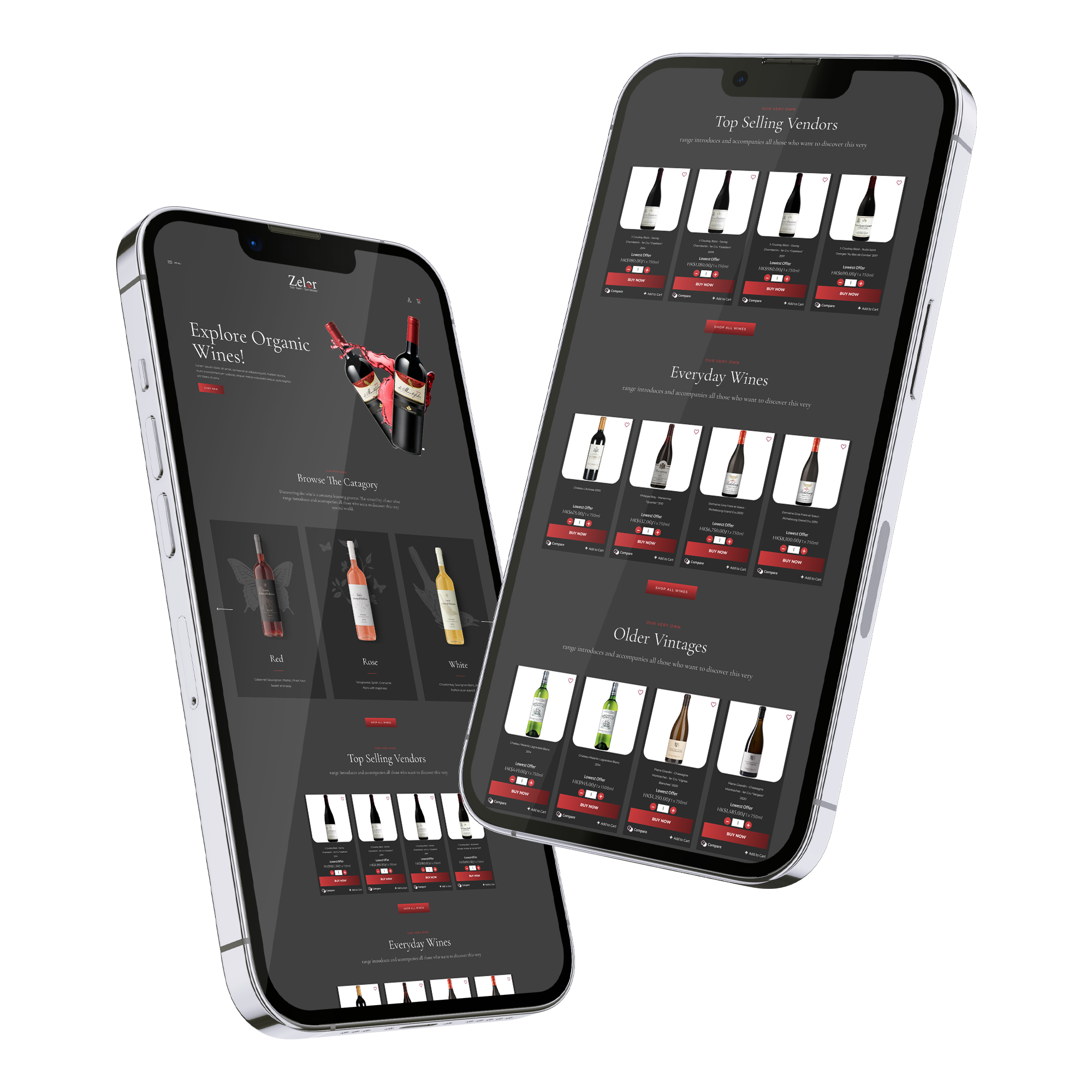
Digital Software Labs provided the expertise we needed to bring our wine marketplace to life. Their team was proactive, responsive, and ensured our vision was executed flawlessly.”

Crystal
Founder/Owner - Zelor Wines
Digital Software Labs provided the expertise we needed to turn our vision into reality. Their team was proactive, responsive, and fully committed to our success.

Louis J. Bonito
CEO - Kilooly Brands
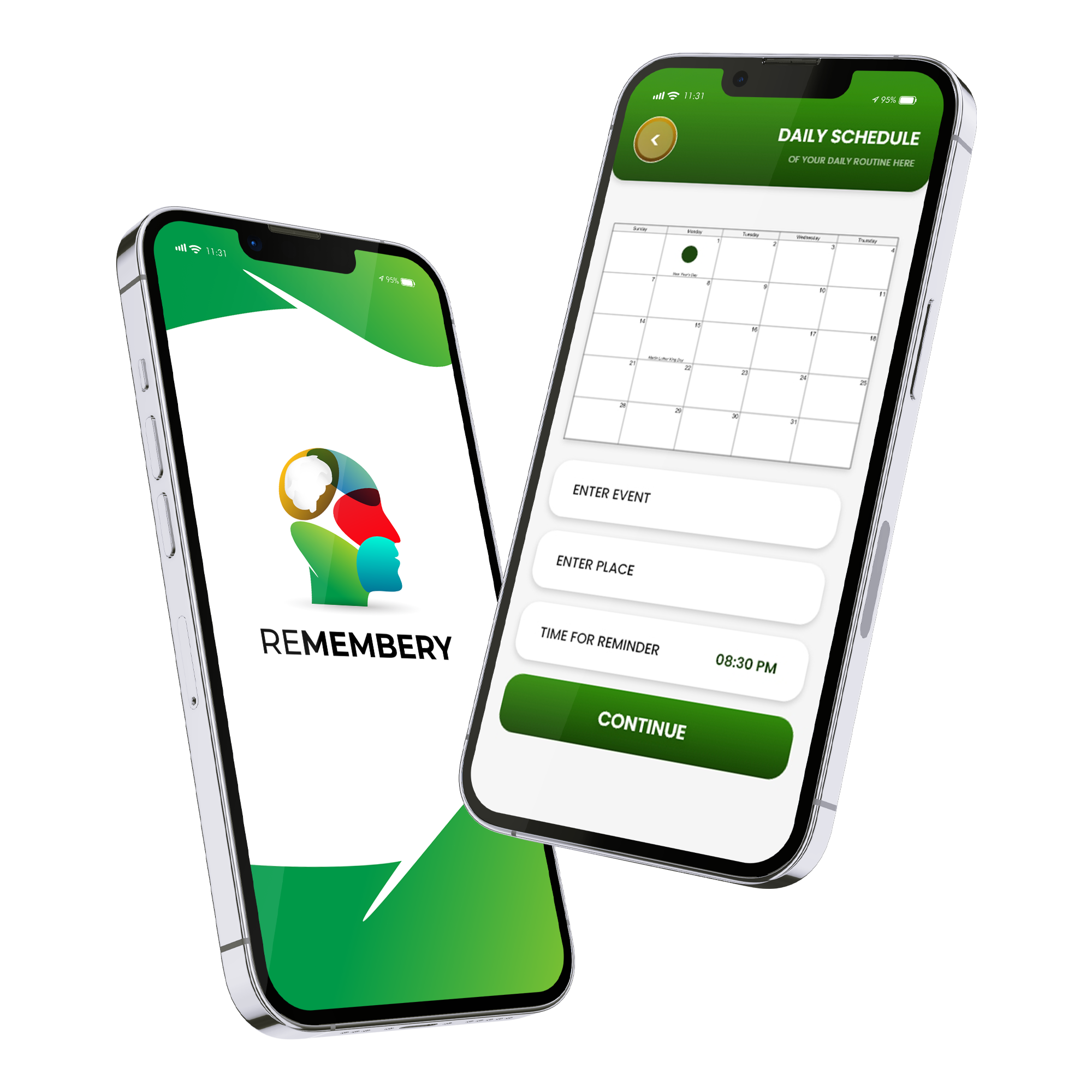
Digital Software Labs provided the skilled engineers we needed to bring our food delivery app to life. Their team was responsive and attentive, ensuring our goals were met.

Yasir
Owner - Alger Move

A website functions as the primary digital touchpoint for customers, shaping credibility and influencing buying decisions. For companies relying on web development services in Georgia, a well-structured site improves visibility, supports marketing efforts, and allows businesses to operate more efficiently across both local and national markets.
Timelines vary depending on complexity, customization requirements, and integration needs. A standard project can take a few weeks, while advanced systems may require additional time. Every build is structured to ensure accuracy, stability, and long-term reliability.
The process becomes challenging when businesses use fragmented tools or outdated systems. Working with a web development company in Georgia simplifies the entire journey, as each stage, planning, design, coding, and deployment, is handled through a structured workflow.
Support can include updates, security monitoring, optimization, backups, and technical adjustments. Maintenance ensures the platform stays fast, secure, and functional as user behavior or business needs evolve.
Yes, maintenance helps avoid performance declines, broken features, and security issues. For companies depending on consistent customer interaction, ongoing upkeep is essential for maintaining reliability and protecting long-term investments.
Costs vary based on design complexity, custom features, third-party integrations, and scalability requirements. An affordable range exists for small businesses, while enterprise-grade builds require a larger investment. A clear roadmap ensures transparency throughout the process.
Design, development, testing, and deployment timelines depend on project size. Most standard websites progress from concept to launch within a predictable schedule, while advanced platforms require extended phases to ensure every function performs consistently.
Yes, API integrations are a fundamental part of modern digital systems. Whether connecting payment gateways, CRMs, logistics tools, or communication features, integrations are implemented to ensure stability, accuracy, and seamless performance across your entire platform.