



The global mobile app industry surpassed $475 billion in revenue, with over 7.5 billion mobile users driving rapid digital adoption across fintech, healthcare, e-commerce, and SaaS sectors. As app usage grows at 18% annually, quality failures directly impact retention, security, and revenue. Businesses that hire mobile app testers reduce post-launch defects by nearly 60%, while those without structured testing face higher churn, app store rejections, and operational losses. Digital Software Labs helps organizations protect growth by delivering reliable testing outcomes. We build stability, usability, and performance into digital products, ensuring scalable releases aligned with business objectives and long-term market success.
Collaborate with skilled game developers to ensure your game delivers optimal performance, immersive experiences, and stability across all platforms before launch!
Hiring a game app developer requires more than technical skills; it demands structured onboarding, clear evaluation, and alignment with gameplay goals. This process ensures businesses gain dependable talent capable of delivering performance-driven experiences across genres, engines, and devices while maintaining production speed, quality consistency, and long-term scalability.
Clear project requirements form the foundation of successful game creation. At this stage, gameplay mechanics, visual depth, target platforms, and monetization logic are defined. This clarity allows development direction to align with structured game development, ensuring technical feasibility, balanced performance, and smooth progression from concept to production.
Each project receives a developer matched to its artistic and technical demands. Games requiring advanced visuals, physics depth, and immersive environments benefit from developers experienced in 3D game development. This alignment ensures the developer’s engine knowledge and optimization skills fit the project’s complexity from the start.
A focused evaluation confirms the developer’s ability to handle real-world game challenges. Technical judgment, problem-solving approach, and performance awareness are reviewed through practical discussion. For projects emphasizing stylized visuals, lightweight mechanics, or fast deployment, experience rooted in 2D game development ensures efficiency without compromising gameplay quality.
Once selected, the developer integrates into your workflow with defined responsibilities and delivery checkpoints. Clear communication channels and structured milestones ensure immediate productivity. This onboarding approach allows teams to move forward confidently, knowing development execution aligns with performance standards and project goals.
Our game development services support a wide range of industries, including entertainment, education, eCommerce, healthcare, and more. We help businesses develop high-quality games that are optimized for various platforms, ensuring engaging experiences and seamless functionality across all user devices. With our expertise in creating innovative, scalable, and immersive games, we enable businesses to stand out in competitive markets.
Building games across genres requires more than creative ideas; it demands technical balance, performance control, and scalable logic. Our teams approach each genre with a clear focus on gameplay stability, visual consistency, and backend reliability, ensuring every title performs smoothly while supporting long-term updates and player engagement.
Arcade games rely on speed, precision, and uninterrupted performance. These titles require efficient logic handling to maintain responsiveness during high-frequency user interactions. Our arcade game builds are supported by robust backend structures shaped by expertise aligned with Dot net developers for hire, ensuring score tracking, session handling, and progression systems remain stable even under continuous gameplay loops.
Action and RPG games demand complex mechanics, layered progression systems, and real-time responsiveness. Managing inventories, character abilities, and combat logic requires scalable server-side architecture. By aligning development workflows with expertise similar to Node JS developers for hire, these games maintain fluid performance while supporting real-time interactions, multiplayer readiness, and expandable content structures.
Racing games depend heavily on physics accuracy, real-time calculations, and seamless visual rendering. From lap tracking to collision logic, every system must operate without delay. To support adaptive gameplay behavior and opponent intelligence, racing titles often integrate decision-based systems guided by experience associated with AI engineers for hire, allowing smarter non-player behavior and dynamic race conditions.
Casino and card games require precise logic, fairness validation, and secure transaction handling. Randomization engines, probability control, and player session management must operate transparently and reliably. These games also depend on clear interfaces that present complex rules simply, which is why development often aligns with structured UI systems influenced by frontend developers for hire, ensuring clarity without compromising integrity.
Sports games involve real-time scoring, physics consistency, and competitive balance. Player movement, team logic, and rule enforcement must remain accurate across sessions. Our approach ensures sports titles deliver responsive controls, synchronized events, and stable multiplayer environments that support both casual and competitive gameplay experiences.
Adventure games focus on storytelling, exploration, and interaction depth. These titles require careful synchronization between narrative progression, environment triggers, and player decisions. Our development approach ensures smooth transitions, stable save systems, and immersive world-building that supports extended play without technical interruption.
Modern games are no longer limited to a single screen or device. Successful titles are designed to function smoothly across interfaces while maintaining consistent performance, visuals, and user experience. Our teams help businesses hire game developers who understand how different platforms behave, ensuring each interface supports gameplay depth, scalability, and long-term engagement.
Mobile games demand efficiency, stability, and seamless interaction across screen sizes and hardware variations. Our developers structure mobile titles with performance-first logic, secure data handling, and scalable user flows. Experience gained from building regulated and data-sensitive systems aligned with healthcare app development ensures reliability, session stability, and secure player data handling in mobile gaming environments.
PC gaming requires adaptable performance to support diverse hardware configurations, advanced graphics, and extended play sessions. Our developers build PC titles with a modular architecture that supports expansion, patching, and multiplayer functionality. This approach reflects experience delivering complex systems similar to enterprise web app structures, where stability, scalability, and long-session performance are critical.
Unity-based development enables flexible builds across multiple platforms while maintaining visual consistency and performance balance. Our Unity developers structure projects with clean logic layers and optimized rendering pipelines. The architectural discipline behind these builds often aligns with standards used in web development, supporting maintainable codebases and smooth cross-platform transitions.
Unreal Engine projects focus on high-fidelity visuals, physics accuracy, and cinematic gameplay experiences. Our developers manage complex rendering workflows and real-time calculations while maintaining performance under load. These projects benefit from collaboration patterns similar to those used when teams hire web app developers, ensuring structured execution, clear responsibilities, and scalable technical foundations.
Console games require strict performance compliance, controlled resource usage, and platform-specific optimization. Our developers understand certification requirements, controller mechanics, and system constraints, ensuring smooth gameplay delivery across console ecosystems while preserving design intent and responsiveness.
LiveOps support keeps games active and engaging after launch. Ongoing updates, balance adjustments, feature rollouts, and performance tuning are handled without disrupting gameplay. This continuous support ensures games remain competitive, responsive, and aligned with player expectations over time.
Our game developers support businesses at every stage of the game lifecycle, from early concepts to long-term live operations. Their role goes beyond coding, focusing on performance balance, scalable architecture, and consistent player experience across platforms. This approach allows businesses to rely on developers who understand both creative execution and technical stability.
Game prototyping transforms ideas into playable concepts that validate mechanics, controls, and engagement flow. Developers create early builds that test core gameplay without heavy investment. Prototypes often benefit from structures inspired by cross-platform development, allowing teams to assess performance behavior across devices while keeping iteration cycles fast and cost-efficient.
Full-cycle development covers planning, design, development, testing, and post-launch support. Developers manage each phase with continuity, ensuring no disconnect between concept and execution. This end-to-end responsibility allows features, updates, and optimizations to be handled smoothly under a single technical vision.
AR and VR games require precision in interaction design, spatial logic, and real-time responsiveness. Our developers build immersive environments with stable rendering pipelines and optimized performance. These projects demand careful handling of input systems and environment logic to maintain comfort and realism throughout extended play sessions.
Co-development allows internal teams to extend their capacity without losing control. Our developers integrate into existing workflows, contributing specific expertise while aligning with your production standards. Mobile-focused collaborations often benefit from patterns shaped by React Native apps, enabling shared logic layers and consistent behavior across hybrid gaming environments.
Dedicated teams provide long-term ownership and accountability. Developers work exclusively on your project, maintaining a deep understanding of mechanics, systems, and future goals. These teams combine interface precision influenced by frontend development with stable system logic shaped by backend development, ensuring both player-facing and server-side components remain aligned.
Mobile game development requires optimization for performance, battery efficiency, and varied hardware. Our developers build responsive mobile titles with clean logic separation and scalable systems. Multiplayer features, leaderboards, and progression tracking often rely on structures similar to web application development, supporting real-time interaction and data consistency.
Web-based games demand fast load times, responsive interfaces, and secure logic handling. Developers design these games to run smoothly within browsers while supporting interactive elements and persistent user data. Backend coordination is structured carefully to maintain stability during high concurrent usage.
Game porting adapts existing titles for new platforms without compromising gameplay quality. Developers rework performance layers, controls, and visual assets to meet platform-specific requirements. These projects often involve tailored workflows similar to custom development, ensuring compatibility, optimization, and long-term maintainability.
As a mobile application development company, we aim to deliver products that please clients and impress users. That is why we build apps equipped with only
the most cutting-edge technology capabilities.
OBJ-C
Swift
Dart
Java
HTML
CSS
React
Node.js
Phyton
Java
PHP
GO
Ruby
Spring Boot
Ruby on Rails
Figma
Marvel
Adobe XD
Photoshop
InDesign
Illustrator
SketchProtect your investment by ensuring performance reliability, system stability, and player-ready execution before launch.
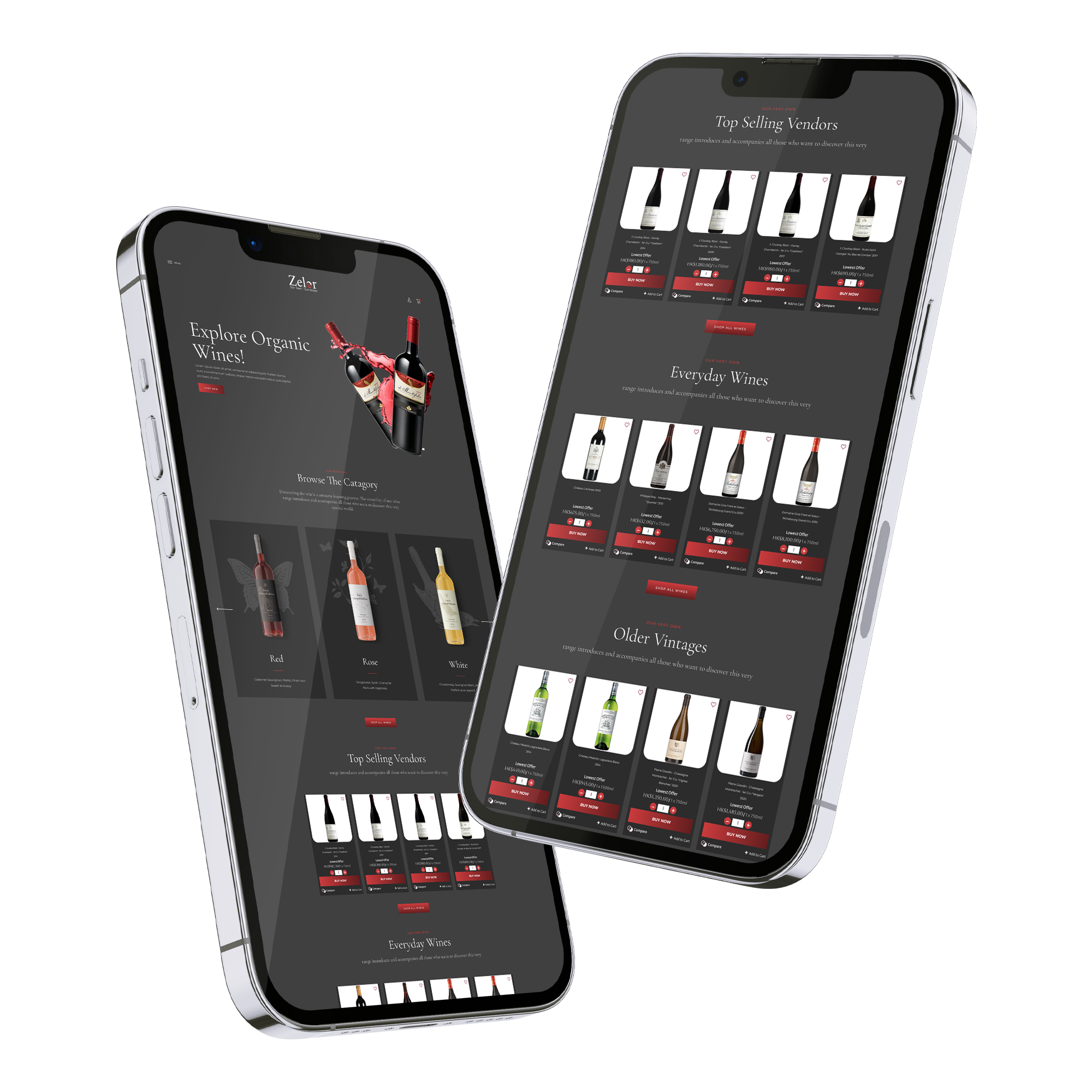
Digital Software Labs provided the expertise we needed to bring our wine marketplace to life. Their team was proactive, responsive, and ensured our vision was executed flawlessly.”

Crystal
Founder/Owner - Zelor Wines
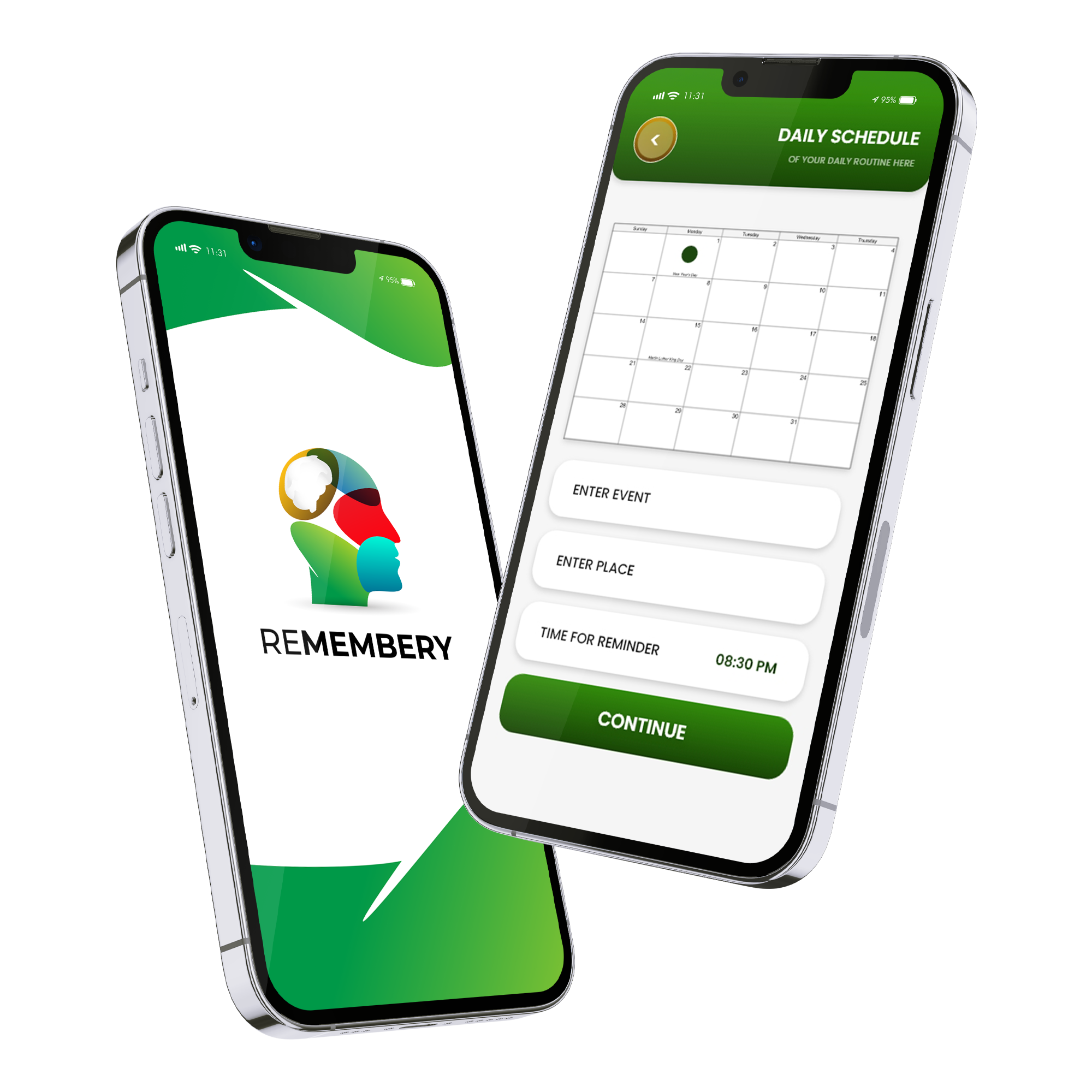
Digital Software Labs provided the expertise we needed to turn our vision into reality. Their team was proactive, responsive, and fully committed to our success.

Louis J. Bonito
CEO - Kilooly Brands
Digital Software Labs provided the skilled engineers we needed to bring our food delivery app to life. Their team was responsive and attentive, ensuring our goals were met.

Yasir
Owner - Alger Move

To begin, simply share your project requirements with us, detailing the game genre, platform, and specific technical needs. We will match you with experienced game developers who align with your goals and ensure timely delivery.
We vet our game developers through rigorous technical assessments, real-world problem-solving evaluations, and portfolio reviews. This ensures that each developer meets industry standards for performance, creativity, and reliability.
The timeline for hiring game developers depends on your project scope and requirements. Typically, we can provide a shortlist of qualified candidates within a few days, allowing you to move forward quickly.
A game developer’s responsibilities include creating game mechanics, implementing features, optimizing performance, debugging, and ensuring cross-platform compatibility. They work closely with designers, artists, and other team members to bring the game vision to life.